How much energy and money do heat pumps really save?
The real-world savings from heat pumps depend on what you’re replacing, how your home is insulated and how you use your heating
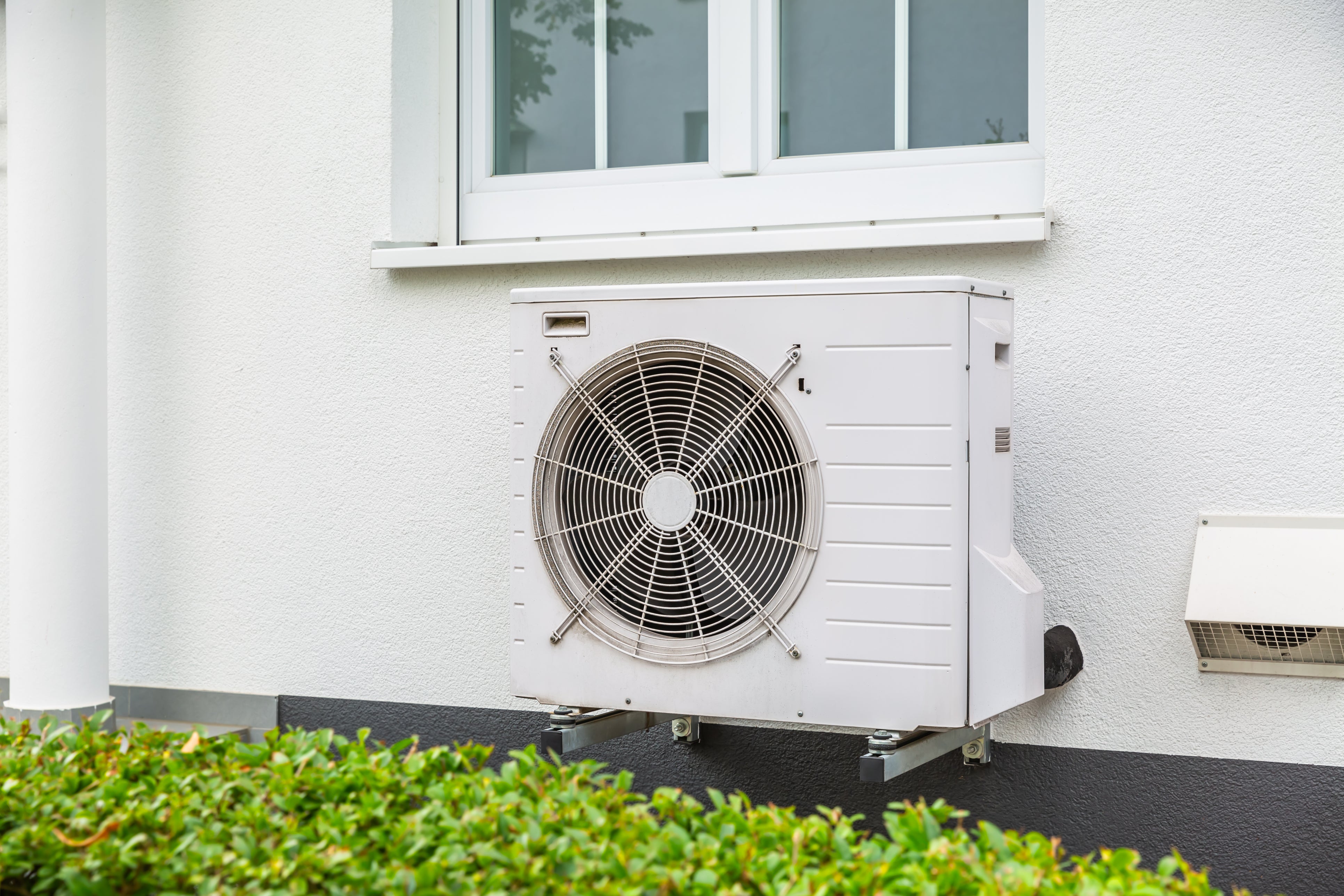
Heat pumps are often promoted as a more efficient alternative to traditional heating systems. But what does that efficiency actually mean for households day to day?
For most people, it comes down to two questions: will it lower my carbon footprint, and will it reduce my energy bills? The answers are closely linked, but they’re not always straightforward.
How much a heat pump can save depends on factors such as the type of heating it replaces, how well your home is insulated and how you use your heating. In some cases, the financial savings can be significant. In others, the benefits are more about long-term stability, lower emissions and future-proofing your home.
Here’s how heat pump efficiency translates into real-world energy use, and how much money you can save.
How heat pumps use less energy
Heat pumps work differently from traditional boilers. Instead of burning fuel to create heat, they move heat from the air or ground outside your home and transfer it indoors.


Because of this, the Energy Saving Trust notes that they can deliver three to four units of heat for every unit of electricity used. This efficiency is often described as a coefficient of performance (COP). By comparison, even an efficient gas boiler can only convert around 90 per cent of the energy it uses into heat.
In practical terms, that means a well-installed heat pump can use significantly less energy overall to keep your home warm, especially if your house is reasonably well insulated.
Do heat pumps actually save money?
Whether a heat pump saves you money depends largely on what heating system you’re replacing.
Replacing an oil, LPG or electric heating system
Homes currently using oil, LPG or direct electric heating often see the biggest savings. Heat pumps can reduce running costs noticeably, sometimes by hundreds of pounds a year.
Replacing a gas boiler
Savings are usually more modest. Gas is still relatively cheap per unit, so the financial benefit tends to come from efficiency and smart tariff choices rather than fuel price alone.
On average, many households switching from gas can expect similar or slightly lower annual heating costs, while gaining more stable bills and lower carbon emissions.
Energy suppliers such as Octopus Energy offer specialist heat pump tariffs that can improve these savings further by lowering electricity costs during off-peak periods.
Your heating habits make a difference
Heat pumps are designed to run little and often, maintaining a steady indoor temperature rather than switching on and off in short bursts. This is different from how many people use gas boilers, which tend to heat homes quickly and intermittently.
Homes that adapt to this style of heating often see better efficiency and lower running costs. For example, slightly lower thermostat settings combined with longer run times can help the system work more efficiently overall.
Smart controls can also make a difference, allowing you to schedule heating more precisely, adjust temperatures room by room, and avoid heating spaces that aren’t being used.
Why insulation matters so much
This ‘little and often’ approach is exactly why insulation is so important for heat pumps.
A well-insulated home holds on to heat for longer, allowing the system to maintain comfortable temperatures without working too hard. Good loft insulation, cavity wall insulation and draught-proofing all help reduce heat loss and improve performance.
Without adequate insulation, heat escapes more quickly. That means the heat pump has to run harder and for longer to compensate, increasing electricity use and reducing potential savings.
For this reason, many installers assess insulation levels before fitting a heat pump and may recommend improvements first to ensure the system delivers the best possible efficiency and value.
Carbon savings alongside bill savings
Even when financial savings are modest, the carbon savings are significant. Heat pumps produce far fewer emissions than gas or oil heating, especially as the UK’s electricity grid continues to decarbonise.
For many households, that means lower bills and a smaller environmental footprint, without sacrificing comfort.
What about upfront costs?
Heat pumps do cost more to install than boilers, but government support can make a big difference. The Boiler Upgrade Scheme currently offers grants of up to £7,500, significantly reducing upfront costs.
When this support is taken into account, many households find the long-term savings and stability make heat pumps a far more attractive option than they first appear.
How much do heat pumps cost to run?
Running costs vary widely by household, but many UK homes spend between £800 and £1,500 a year on heating with a heat pump. Homes replacing oil, LPG or electric heating often see clear bill reductions, while those switching from gas tend to see similar or slightly lower annual costs. Using smart controls and heat pump-friendly electricity tariffs can make a meaningful difference, especially where more heating is shifted to cheaper off-peak periods.
How much money will a heat pump save me in one year?
There’s no single figure that applies to every home, but the strongest savings tend to come when:
- Your home is well insulated
- You’re replacing oil, LPG or electric heating
- You use smart controls and suitable tariffs
- The system is properly designed and installed
In the right conditions, heat pumps can lower energy use, stabilise bills and reduce carbon emissions, making them a practical long-term alternative to fossil fuel heating for many UK homes.



What are the pros and cons of heat pumps?
Pros
- Much lower carbon emissions than gas or oil heating
- Highly efficient when properly installed
- More stable, predictable energy use
- Works well with smart controls and modern tariffs
Cons
- Higher upfront installation cost
- Best performance depends on good insulation
- Different heating style that can take time to adjust to
- Savings from gas boilers are often modest rather than dramatic
For households willing to adapt how they heat their homes, the heat pump benefits are often long-term rather than immediate – lower emissions, steadier bills and greater resilience as energy systems change.
Join our commenting forum
Join thought-provoking conversations, follow other Independent readers and see their replies
Comments
Bookmark popover
Removed from bookmarks