Gas boiler vs heat pump: which is right for your home?
With most UK homes still heated by gas, we compare gas boilers and heat pumps on cost, efficiency, carbon impact and system types
For decades, the gas boiler has been the default heating system in UK homes. Despite growing interest in low‑carbon heating, gas remains the dominant fuel for domestic heating. According to the Energy Saving Trust, around 85 per cent of UK homes are still heated by gas boilers, reflecting decades of gas network expansion.
But rising energy costs, tighter climate targets and the ageing state of the nation’s boiler stock all mean more households are questioning whether like‑for‑like replacement still makes sense.
At the same time, heat pumps are moving from niche technology to a more mainstream option, supported by government grants and a growing installer base. The decision isn’t always straightforward, though. Upfront costs, home suitability and day‑to‑day running costs all play a part, and the right choice depends heavily on the property.
What is a gas boiler?
A gas boiler burns natural gas to heat water, which is then circulated through radiators or underfloor heating. Modern condensing boilers are far more efficient than older models, capturing heat that would previously have been lost through the flue.
A modern condensing boiler typically operates at around 85-90 per cent efficiency in real‑world use, depending on how it’s set up and used. Gas boilers are relatively cheap to install, familiar to most households and capable of delivering high temperatures quickly, which helps explain their continued popularity.


Most gas boilers last 10 to 15 years with regular servicing, after which replacement becomes increasingly likely.
What is a heat pump?
A heat pump doesn’t burn fuel. Instead, it extracts heat from the environment and upgrades it to a usable temperature for heating and hot water.
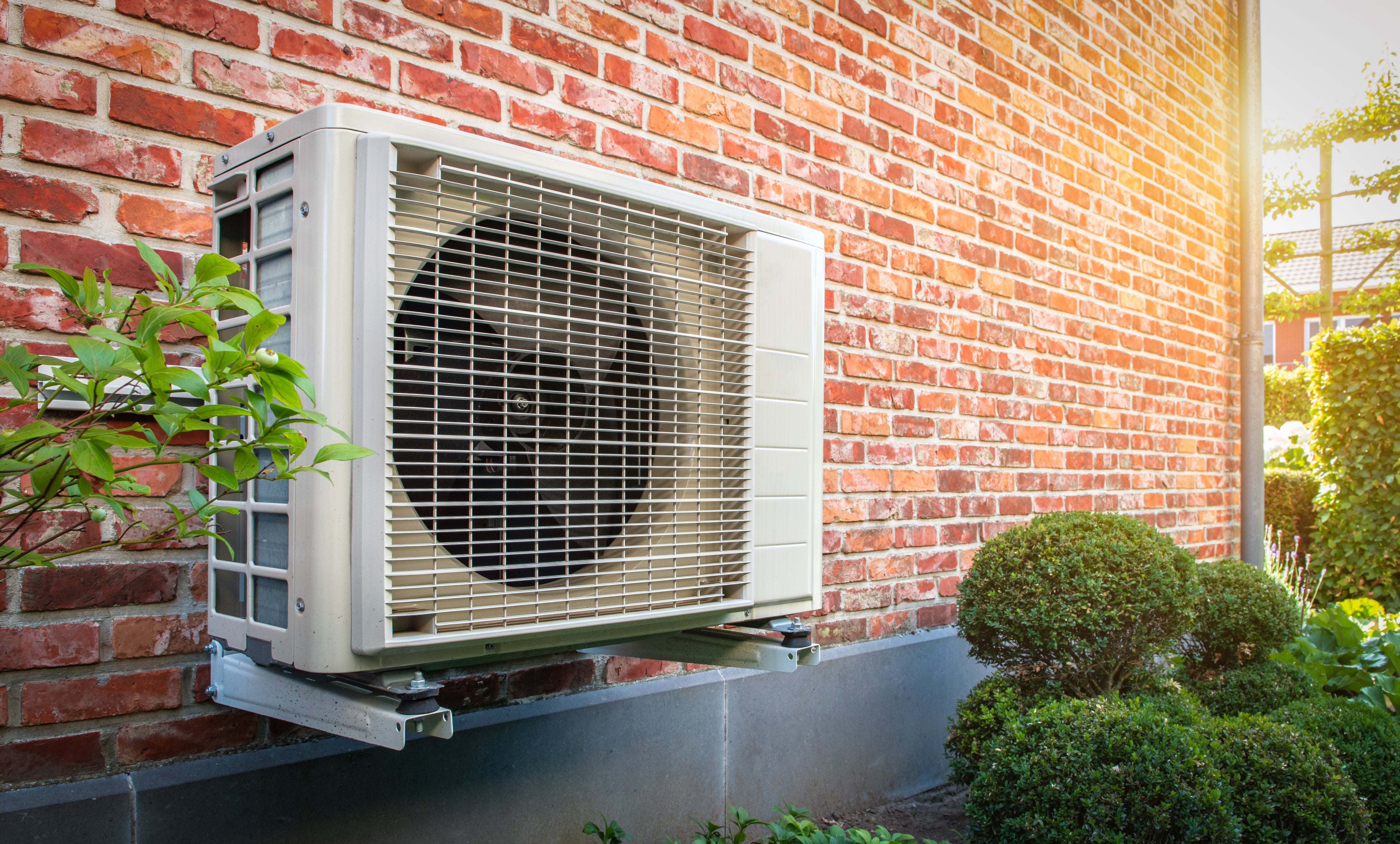
Most UK installations are air source heat pumps, which draw heat from the outside air via a fan unit installed outside the home. These systems work year‑round, even in cold weather, and are generally the most practical option for existing homes.
Ground source heat pumps work on the same principle but extract heat from the ground via buried pipes. They tend to be slightly more efficient and consistent, but usually require a large garden or access to land for horizontal trenches, or deep boreholes drilled into the ground. This makes them more expensive and far less common in typical UK housing.
As a result, when most households talk about “getting a heat pump”, they are referring to an air source system.
And this process is extremely efficient. The Energy Saving Trust and the International Energy Agency both state that air source heat pumps typically deliver three to four units of heat for every unit of electricity used – often described as 300-400 per cent efficiency.
That doesn’t mean heat pumps produce more energy than they consume – rather, they move heat instead of generating it. This fundamental difference explains why electricity‑powered systems can still be cost‑effective, despite higher unit prices.
Installation costs: Upfront price vs long-term thinking
Like most things, cost is often the biggest barrier to switching, and it’s where differences between gas boilers and heat pumps are the starkest.
A like-for-like gas boiler replacement typically costs £2,000 to £4,500 installed, depending on the boiler type and whether any pipework or controls need upgrading. For many homes, the work is straightforward, particularly if the existing system is in reasonable condition.
An air source heat pump usually costs £7,000 to £13,000 installed before grants. The higher price reflects not just the unit itself, but the complexity of the installation. Heat pumps often require upgrades to radiators, changes to pipework and more time on site to design and balance the system properly.
In England and Wales, the Boiler Upgrade Scheme currently offers grants of up to £7,500 towards the cost of an air source heat pump, significantly reducing the upfront difference. However, homeowners may still face additional costs if insulation improvements or electrical upgrades are needed.
It’s also worth noting that quotes can vary widely. Installer experience, property layout and regional labour costs all play a role, which is why independent assessments and multiple quotes are strongly recommended.
How much do gas boilers cost to install vs heat pumps?
A new gas boiler typically costs between £2,000 and £4,000 to install, depending on the system and complexity of the job. Installation is usually straightforward, particularly if you are replacing an existing boiler.
Heat pumps are more expensive upfront. An air source heat pump often costs between £10,000 and £14,000 before grants, with ground source systems costing more. In England and Wales, a £7,500 government grant can significantly reduce this cost, but installation remains a bigger investment than a like-for-like boiler replacement.
Is it cheaper to run a gas boiler or heat pump?
Running costs for gas boilers compared to heat pumps is more nuanced than a simple like-for-like overview.
Gas boilers convert fuel into heat at efficiencies of around 85-90 per cent in real-world use, according to the Energy Saving Trust. Their running costs are therefore closely tied to gas prices, which have proved volatile in recent years.
Heat pumps work differently. Because they move heat rather than generate it, a well-designed system can deliver three to four units of heat for every unit of electricity used. In practical terms, this means heat pumps can reduce overall space-heating energy demand by 30 to 50 per cent in suitable homes.
Whether this translates into lower bills, though, depends on several factors. Homes with good insulation and low-temperature heating systems tend to see the greatest benefit, while poorly insulated properties may see higher electricity use.
Tariffs also matter. Households on smart or time-of-use electricity tariffs, or those able to run systems steadily rather than in short bursts, may be better placed to control costs.
By contrast, gas boilers can still be cheaper to run in homes with high heat loss or where heating demand is intermittent. For this reason, consumer bodies consistently stress that system design and home efficiency matter as much as the technology itself.
Can a heat pump replace a gas boiler?
In most cases, yes, but not always without changes to the home. Heat pumps work best in well-insulated properties with larger radiators or underfloor heating, as they deliver heat at lower temperatures than gas boilers.
Some homes may need insulation upgrades, radiator replacements, or both before a heat pump can operate effectively. Older or poorly insulated properties can still use heat pumps, but installation is more complex and costs tend to be higher.
Which saves the most money in the long run?
Over the long term, heat pumps have the potential to be cheaper, particularly as gas prices fluctuate and the UK moves towards lower-carbon electricity. Heat pumps also tend to last longer than gas boilers and have fewer moving parts that can fail.
Government grants significantly reduce upfront costs, and future policy changes are expected to favour electric heating over fossil fuels. While savings are not guaranteed for every household, homes that are well-suited to heat pumps are more likely to see financial benefits over time.
Carbon impact and future‑proofing
Burning gas for heating produces carbon dioxide at the point of use. Government conversion factors show that gas heating emits roughly 200-215g of CO₂ per kilowatt hour of heat generated.
Heat pumps produce no direct emissions in the home. According to the Climate Change Committee, their carbon footprint is typically 60-80 per cent lower than gas heating, and will continue to fall as the electricity grid decarbonises.
While there’s no ban on existing gas boilers, new‑build homes in England are already restricted from using gas, signalling the long‑term direction of travel.
Which homes suit a heat pump?
Heat pumps are not a one-size-fits-all solution. Homes with EPC ratings of C or above are generally better candidates, as good insulation reduces heat loss and improves efficiency.
Larger radiators or underfloor heating help heat pumps operate at lower temperatures, while outdoor space is needed for the external unit. Ground source systems are usually limited to rural or larger properties, while air source heat pumps can be installed in a much wider range of homes, provided insulation and space requirements are met.
In some cases, improving insulation first can deliver immediate savings, regardless of the heating system.
Which homes suit a gas boiler?
Gas boilers are far more forgiving, which helps explain why they remain the dominant heating system in the UK.
They can work effectively in older or less well-insulated homes, where higher flow temperatures are needed to heat rooms quickly. Properties with smaller radiators, limited outdoor space or irregular heating patterns, such as homes that are heated in short bursts rather than continuously, are often better suited to gas boilers.
Gas boilers are also easier to install in flats and terraced homes connected to the gas grid, and typically require fewer changes to existing pipework and radiators. For households replacing a failed system quickly, a like-for-like boiler swap is usually the least disruptive option.
That said, even homes that suit gas boilers today may still benefit from insulation upgrades, improved controls or smarter heating schedules, which are cost-effective measures that can cut energy use regardless of the system in place.
Disruption, noise and everyday use
Replacing a gas boiler usually only takes one to two days. Installing a heat pump can take up to five days, particularly if radiators or pipework need upgrading.
Modern air source heat pumps are quieter than many people expect. Certification standards indicate outdoor units typically operate at 40-60 decibels, which is comparable to background conversation.
Day‑to‑day use is also different. Heat pumps work best when left running steadily, rather than being turned on and off for quick bursts of heat.
What are the pros and cons of heat pumps vs gas boilers
Pros of heat pumps
- Heat pumps produce no direct emissions in the home and, according to the Climate Change Committee, typically generate significantly lower carbon emissions than gas heating – a gap that will widen as the electricity grid continues to decarbonise.
- Because heat pumps move heat rather than generate it, a well-designed system can deliver three to four units of heat for every unit of electricity used. In well-insulated homes, this can translate into lower overall energy demand.
- Heat pumps align with the long-term direction of UK energy policy. While existing gas boilers are not being banned, low-carbon heating is expected to play a growing role in domestic energy systems.
- With fewer moving parts and no combustion, heat pumps generally require less ongoing maintenance than gas boilers.
Cons of heat pumps
- Even with government grants, heat pumps typically cost more to install than a like-for-like gas boiler replacement. Additional upgrades to insulation or radiators can add to the overall cost.
- Heat pumps work best in well-insulated homes with low heat loss. In poorly insulated properties, performance and running costs may be less favourable.
- Heat pumps are designed to run steadily rather than provide short bursts of high heat. This can require changes to how households use their heating.
- Air source systems need space for an outdoor unit, while ground source systems require significant land access, limiting suitability for some homes.
Pros of gas boilers
- Gas boilers are generally cheaper to install, particularly when replacing an existing system. For households facing a sudden breakdown, a boiler swap is often the quickest and least disruptive option.
- Gas boilers are highly adaptable and can perform effectively in older or less well-insulated properties where higher flow temperatures are needed.
- Boilers provide rapid heat and hot water, and most households are already familiar with how they operate.
- There is an established network of Gas Safe engineers across the UK, making installation and servicing straightforward.
Cons of gas boilers
- Burning gas produces carbon dioxide at the point of use, making gas boilers a higher-emission option compared with heat pumps.
- Running costs are closely tied to gas prices, which have fluctuated significantly in recent years.
- While gas boilers remain widely used, they are not considered a long-term low-carbon solution, particularly in new homes.
- Most gas boilers last 10-15 years, after which replacement is typically required.



Gas boiler or heat pump: How to decide
Choosing between a gas boiler and a heat pump comes down to your answers to a few key questions:
- How well insulated is your home?
- Are you replacing a broken system now, or planning ahead?
- How long do you expect to stay in the property?
- Are you willing to make changes to radiators or heating habits?
For many households, the most energy‑efficient choice is the one that works best with the building itself.
The bottom line
Gas boilers remain a practical and affordable option for many homes, particularly in the short term. Heat pumps, meanwhile, offer lower carbon emissions and the potential for long‑term savings – but only when installed in the right property and used correctly.
Before deciding, it’s worth looking at the whole picture: insulation, heating controls and tariffs matter just as much as the technology you choose.
Join our commenting forum
Join thought-provoking conversations, follow other Independent readers and see their replies
Comments
Bookmark popover
Removed from bookmarks