I’ve been a health editor for a decade, these are the 2026 wellness trends you need to know
I’ve worked at the forefront of health and wellness for a long time and I’ve seen it all, this is what’s coming in 2026 – the good, the bad and the downright bizarre
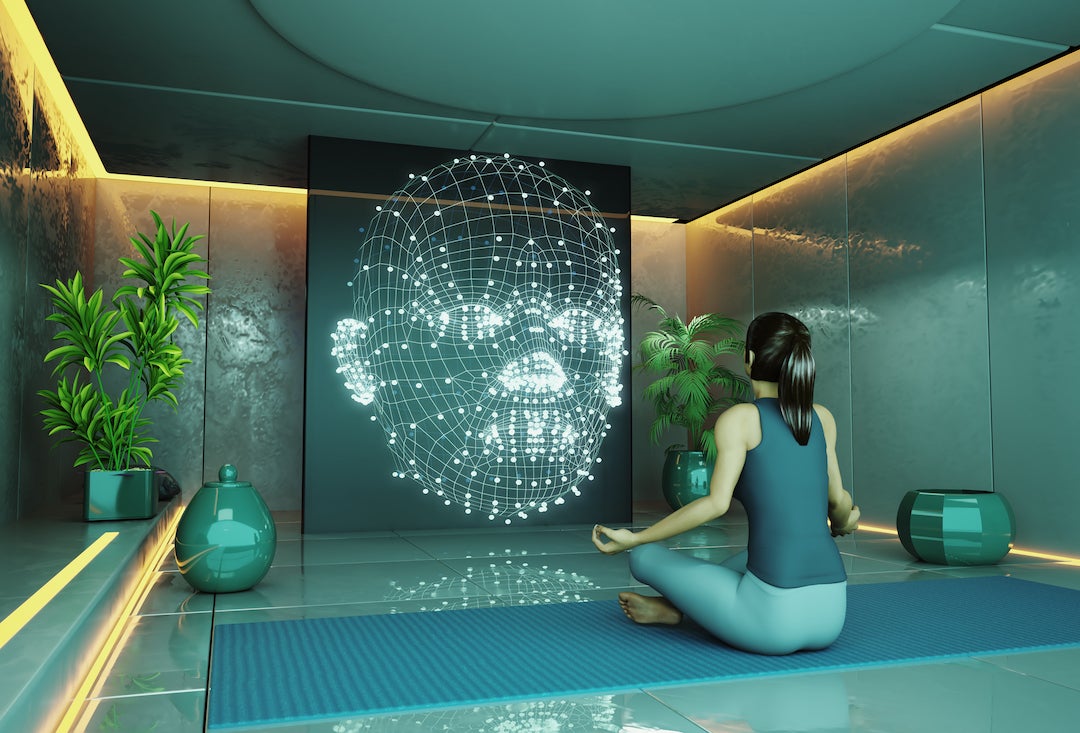
As we ease into a new year, the wellness noise is louder than ever. While there has always been some pressure to overhaul your life in January, it never used to be as intense as it is now and we have the wellness and self development boom to thank for that.
Though new year TikTok trends like the full personal rebrand or 75 Hard might seem maddeningly ridiculous, they’re the the product of an industry now estimated to be worth trillions, an industry that intersects with health, beauty, food, fashion and even politics.
I’ve reported on health, fitness and wellbeing for a decade and during this time I’ve observed a unique set of shifts in consumer behaviour, health research and technology. New trends pop up in wellness all the time and though some seem silly, they’re usually indicators of what’s happening within a wider ecosystem. Like the hemline index in fashion, wellbeing trends can tell us a lot about the world around us and how our health might be impacted, if we pay attention.
I’ve spoken with hundreds of experts about what to expect from the wellness industry in 2026 and if you thought things couldn’t get any weirder, you’re in for a wild ride this year. Here are my predictions and the expert insights you need to know.
 Top performance coach says doing these four things daily before 9am can improve your health and life performance
 I’m a personal trainer – this is what I’d tell a client who wants to lose belly fat
 The best Pilates moves for beginners and how to do them, according to an expert
 I swapped consistency in the gym for a variety of exercise styles and have never felt better – experts explain why
Social wellness spaces
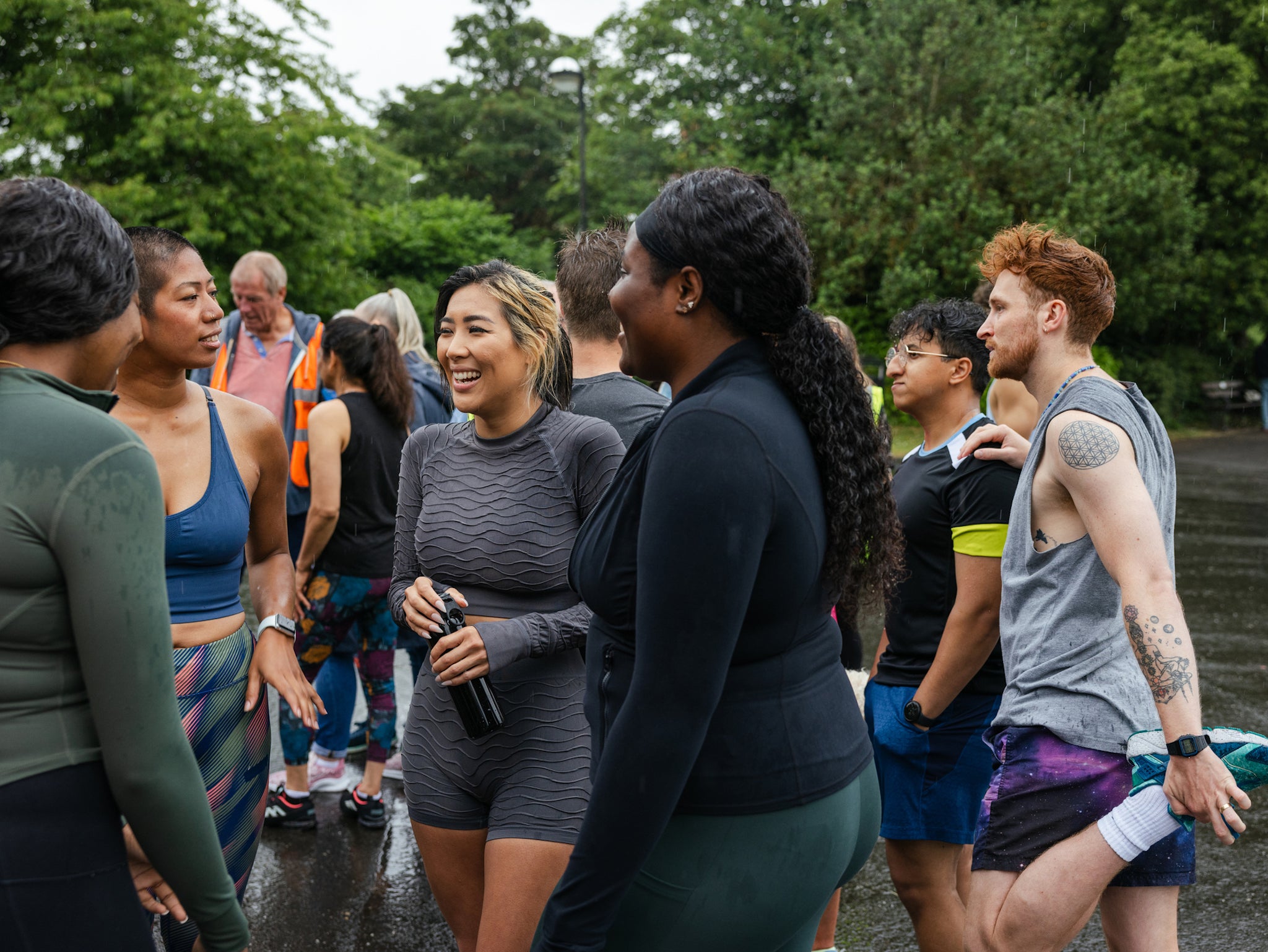
As Soho House pushes on with its foray into wellness and new health-centric members clubs pop up in major cities, the social wellness space is set to dominate in 2026. We witnessed a remarkable shift from individual fitness to social fitness last year, with the run club revolution taking a strong hold in 2025. According to Strava, the number of UK run clubs on its platform tripled in the first half of the year compared to the same period in 2024. Then of course there were sauna raves, group ice baths and Pilates parties.
A Nuffield Health study found that almost a third of Brits say that exercise helps them to make and maintain social connections. The study also revealed that over half of us are more likely to stick to a fitness programme when it is social. For many, fitness is now synonymous with community, with 25 per cent of those surveyed saying it is the easiest way for them to meet new and like-minded people. Some have branded fitness events as the new dating apps, though I’m not sure I’d agree with that.
However, The Independent’s Harry Bullmore did an investigation into whether run clubs might replace pubs last year and revealed just how far the fitness boom has spread. The 2026 London Marathon saw a world-record number of applicants at over 1.1 million and running holidays became a thing. And then of course, there’s Hyrox – a social fitness competition that attracted 550,000 participants worldwide in 2025.
Though social wellness is fun and well meaning for the most part, my advice for 2026 is to be wary of big brands charging a fee for creating a sense of community that you could create yourself. Local run clubs, fitness groups and meet ups are created to meet genuine demand, combat loneliness and get people moving for better mental and physical health, so consider seeking one out or starting your own, rather than lining the pockets of huge fitness brands charging you to run a lap around their store.
‘Luxury retreats’
An extension of social wellness is of course, wellness retreats. Everyone will be offering retreats in 2026 and not just those you’d expect. There will be retreats from activewear brands and beauty brands as companies cash in on experiential community events. Many gyms and fitness clubs will the following in the footsteps of brands like Third Space and offering overseas fitness retreat experiences.
We’ll witness the term “luxury retreat” being used fairly loosely with both words being interpreted creatively. But there will be plenty of social containers and experiences that blend travel with wellness to choose from this year. Similar to my view on corporate run clubs, my advice is to support great independent facilitators offering retreats.
Wellness travel will enter a new dimension in 2026 with hotels offering the retreat experience too and many locations will develop specialist sleep, recovery and biohacking experiences that have never existed before and sprawling tech-heavy spa spaces offering so much more than a jacuzzi and a steam room.
The oral microbiome
If 2025 was the year of gut health, 2026 is going to be the year of oral health. It’ll be all about the mouth-brain and mouth-pain connection this year and the research so far is fascinating. We’ll all be more mouth aware and this is likely to give us all a much-needed health boost. However, be wary of wellness washing.
Last year I recommended switching your toothpaste after reading two studies showing that commercial toothpaste ingredients like triclosan might affect gut health negatively. Tim Spector, professor of epidemiology and co-founder of the health science company ZOE voiced his about triclosan and about the alarming levels of microplastics in everyday products. Microplastics are still listed as “polyethylene" or "microbeads” in some toothpastes.
Along with gut health researchers, I interviewed dentists and oral health experts who also advised that certain oral health products might be doing more harm than good.
“The oral cavity is a gateway to the body and having good oral health is considered the first step in general health,” explains Dr Shravan Chawla, aesthetic and restorative dentist at Ten Dental. “The oral cavity has healthy microbiome whose primary function is to regulate the Ph of the oral cavity and produce the nitrates or nitric oxide that play a vital role in maintaining blood pressure.”
Chawla explains: “A mouthwash, specially anti-bacterial, alcohol and medicated mouthwashes can not differentiate between good and bad bacteria and annihilate everything they come in contact with.”
In 2026 we’ll all be more mindful about how we shop and the classic toothpastes and mouthwashes we’re used to will meet new healthy competitors. However, look out for scams here. Check ingredients, watch out for marketing jargon using words like “natural”, and don’t assume that because something is expensive that it’s better for you.
Non toxic will explode as a shopping category
The past year was a wild time for revelations about how toxic our modern lifestyles might be without us realising. New studies on PFAS went viral, I investigated claims of microplastics and harmful chemicals in tap water, and low-tox influencers were thrust into the mainstream. Many claims made by influencers were met with a healthy dose of sceptisim from experts, but others actually teamed up with leading researchers to show just how damaging seemingly healthy everyday items could be for our health.
In 2026 we’ll see a huge boom in non-toxic products. Natural fibres in activewear and sleep products and glass and metal in cookware over plastic and silicone, plant-derived beauty products and organic foods. While some of these products will be genuinely great and will help both your health and the health of the planet, “low-tox”, “natural” and “endocrine disruptor” will be used as marketing buzzwords by companies that will likely be wellness washing and green washing, so be aware.
It’s also worth looking out for bogus claims made by influencers about “natural” being best and all modern formulations being harmful – this simply isn’t true. In fact, many synthetic formulations in which a single molecule has been removed render ingredients found in nature safer for use on human skin so remember that “synthetic” doesn’t equal “toxic”.
I wrote about the pipeline to dodgy lifestyle decisions and dodgier politics via wellness and healthy living last year. It’s cool to care about yourself and the environment, it’s not cool to scaremonger, roll back women’s bodily autonomy or put your health at risk.
Biological age as a status symbol
Biomarkers like grip strength and bone density will be the key to bragging rights in 2026 as biological age becomes a huge deal. According to longevity expert Dr Sophie Shotter, everyone will be talking about it, not just crazy biohackers. We’ll care less about how good we look and become more concerned with how long we’re going to live.
Of course, those who go all in are likely to look great too. Whether you can afford to keep up with the likes of famous biohacking influencers such as Kayla Barnes and Don’t Die founder Bryan Johnson will raise some serious questions about elitism and class within wellness this year too. Themes that I’ll continue to explore with my work.
Dr Shotter explains that, “the best biohacks are free” and that if you want to reduce your biological age there are plenty of ways to do it that don’t require expensive treatments and protocols. You don’t need to get your blood cleaned or use a hyperbaric oxygen chamber. You just need strength training, a gut-friendly diet and good sleep hygiene to roll back the age of your cells.
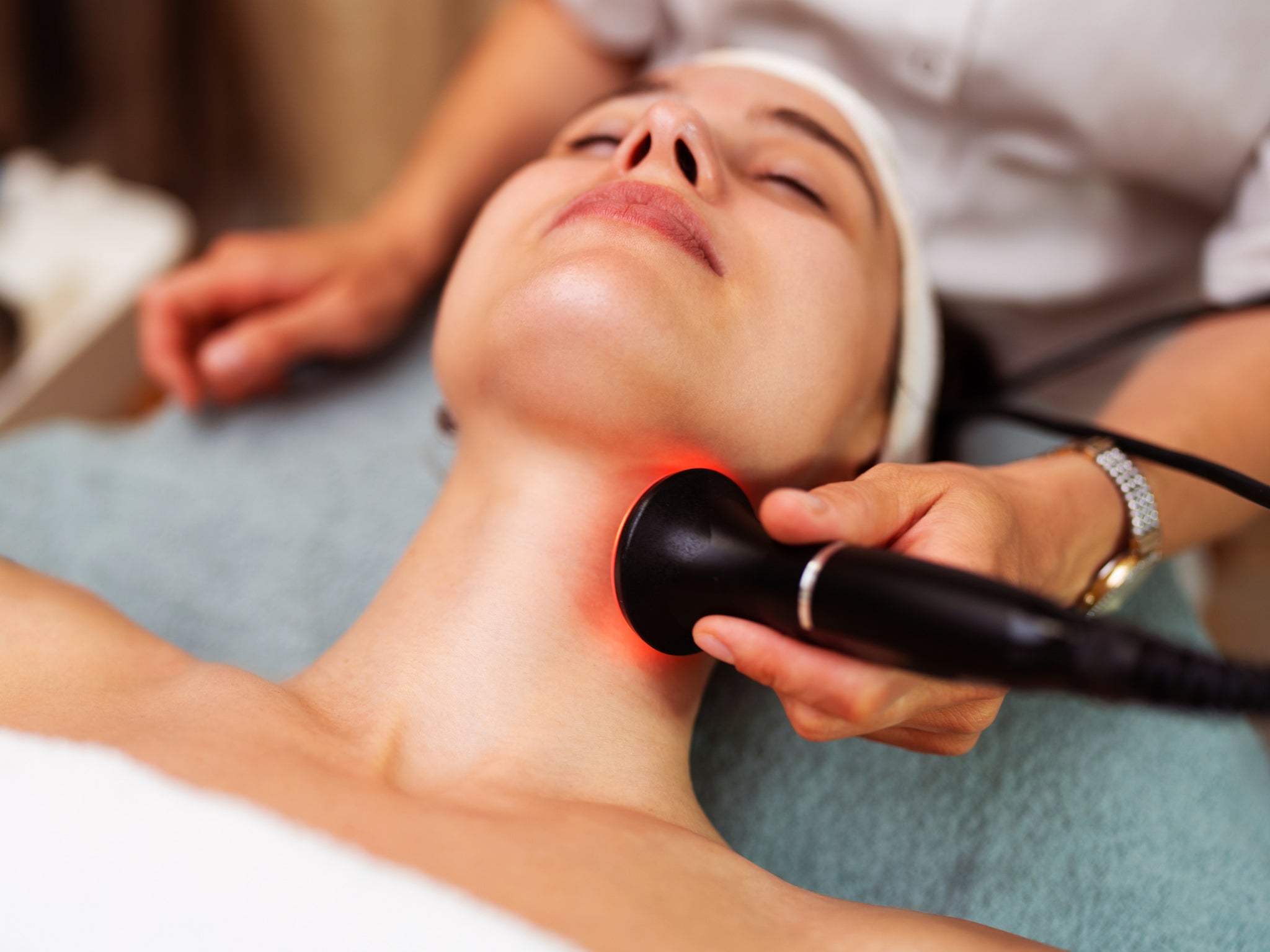
Then of course, there’s the field of medical aesthetics which now boasts the ability to reduce your skin’s biological age with mind-boggling treatments. This year will be the year that skin science reaches its most futuristic heights. Peptides, exosomes, new treatments that physically rebuild collagen and reverse cell age – it’s all here. The important part will be understanding how it all works. We are way beyond botox and filler but the science is still confusing for many. The ethics are also murky in some places and regulation is still far from ideal.
Nervous system supremacy
To be healed is to have a regulated one – 2026 is the year of the nervous system and we’re all going to learn what our nervous systems actually are and how to notice, manage and treat the effects of stress, anxiety and exhaustion. This is perhaps my favourite development in wellness because there are so many ways to improve wellbeing with various tools and disciplines that support the nervous system and there are tried and tested methods that work for everyone.
We are beginning to realise the importance of engaging the body, not just the mind, when it comes to therapy. Somatic practices, like intuitive movement, fascia release and breathwork are growing in interest, along with trends and tools for “vagus nerve resets”.
“Somatic therapy is really talking about using the body as the portal to healing,” says Soulla Demetriou, a somatic therapy practitioner who specialises in a blend of techniques that support healthy nervous system function. “Traditionally, therapy has been a lot of talking, understanding, analysing. Whilst there's a real benefit in that, the truth is that our history, our stories and in particular, our trauma, the things that have shaped us in ways that perhaps have led to dysregulation or ways that we might be struggling or suffering, are held in our body.”
Wellness will champion a more holistic approach to therapy in 2026 and we’ll see “somatics” as a key word across practitioner offerings along with more events and programmes that focus on movement, breathwork and releasing trauma and physical tension.
Brain hacking will take centre stage
On the subject of the vagus nerve, we’ll be seeing brain hacking as a big theme of 2026. I’ve considered how the “optimisation” of the brain might seem an ethical conundrum more ways than one but even I can’t deny the glowing promise of a world in which we’re able to reduce the pain and suffering caused by anxiety and depression.
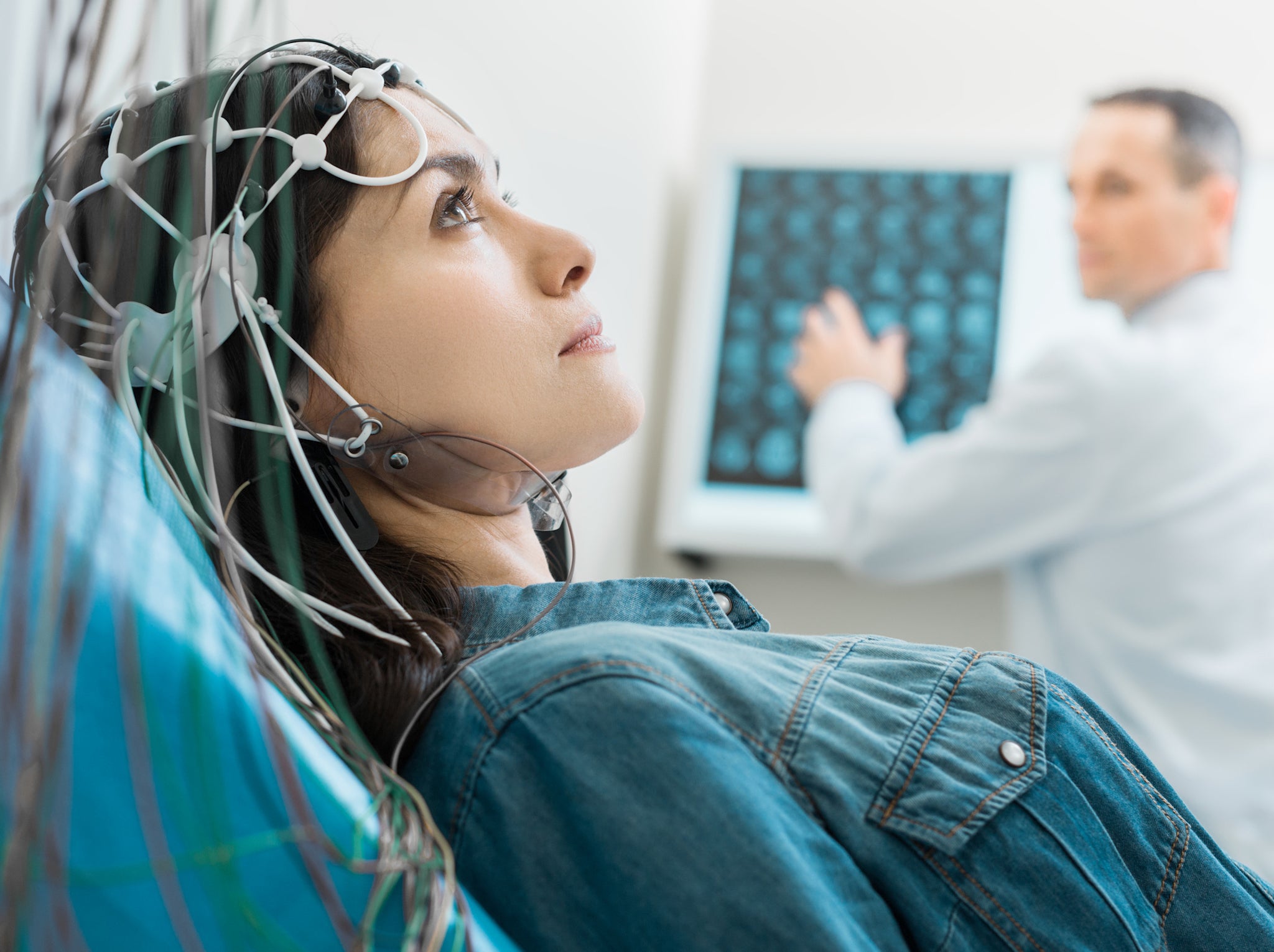
2026 will bring us more mindset training, more visualisation, more meditation and the mainstream introduction of neuromodulation devices like Flow, pusetto, neurosym and ExoMind. Neuroscientists will become the coolest new wellness celebrities and there’ll be plenty of influencers cosplaying as qualified on social media.
Oliver Patrick, Pillar Medical Director at Pillar told me, “In 2026, the luxury wellness market is set to finally correct a long-standing blind spot: the brain. Neurospecific screening services are set to evolve from novelty to necessity, with forward-thinking clinics embedding brain MRIs, neurotransmitter mapping, early neurodegeneration panels, and peak-performance executive diagnostics into their wellbeing menus. The tests are not new, but what is different now is the intention. Testing isn’t illness-led, it’s enhancement-led. Consumers will actively seek out brain baselines, not to diagnose dysfunction, but to quantify potential.”
We’ll also see the beauty industry boom with more neurocosmetics as a huge emphasis on the power of scent dominates the year. Be careful here because a lot of marketing budget will be pushed into companies that want to capitalise on this trend and many of their products definitely won’t improve your health.
Brain impact will be an enormous trend across beauty and wellness in 2026 and we’ll even see subjects like neuroaesthetics being discussed too. The power of beauty on the brain will compel you and it will be used as a marketing tool, just you wait and see.
AI diagnostics will transform preventative care
Last year I predicted that preventative medicine would shift the way we think about our health and that this would not necessarily benefit everyone as scans, at-home tests and the like would remain a luxury, rather than an accessible tool. This remains a key issue with the wellness industry, however, for those that can afford it, AI will continue to do its bit in 2026 as scans become even more comprehensive and quicker to access.
Companies like Neko offering whole-body scans in an hour will continue to do well as more people lean into preventative health adjustments guided by AI. Prenuvo is the latest player on the scene here – offering a comprehensive and entirely safe MRI with quick booking and a cool futuristic experience. Both scans offer an expansive look at biomarkers affecting long-term health and AI fills in the gaps on what to do with this information. It’s impressive, if expensive.
Home testing will become slightly more accessible in 2026 as the companies offering it continue to grow – tests are now available at places like Tesco. However, the high-tech luxury scans identifying possible health issues and suggesting lifestyle adjustments will remain pricey and we’ll see more of them popping up across specialist clinics and biohacking clubs.
Of course, AI coaches will still be everywhere and you can use an AI PT if you want to. However, beware using AI as a therapist or using it to run your own health diagnostics. It can be a useful tool but it lacks human intuition and can make mistakes.
Habit stacking will get out of hand
As wellness practitioners seek more ways to make health seem exciting, habit stacking will take centre stage. Though this has been a trend for a while, a perfect storm of productivity and optimisation culture meeting dwindling attention spans will result in stack hacks a-plenty this year.
Yoga classes will be amped up with live music added, heated studios, red light and more bells and whistles. We’ll be encouraged to stack everything – our habits, our supplements and our workouts in order to save time and attention and be more productive. We saw the emergence of this bubbling with trends like fibremaxxing and sleepmaxxing in 2025 but this year, stacking will become an inevitable part of wellness culture.
In some ways it might help you, but it will largely be led by pressure and gimmicks so don’t feel obliged to join in. If you want to supercharge your workout, go to new fusion classes, stack your nutrients and stack your sleep, feel free to, but don’t allow yourself to feel that you aren’t doing wellness right if it isn’t extreme and your routine doesn’t feature lots of moving parts. Your simple yoga class is likely the best option anyway.
It’s also worth noting that someone else’s biostack or supplement stack won’t be right for you because it’s tailored to someone else’s body. If you want to create your own stacked routine or protocol, start with testing your own biomarkers, sleep, nutrient deficiencies, skincare needs and so on. Wellness is personal, it’s not a blueprint.
Going analogue will be the biggest flex
Searches for digital detox will hit an all-time high in 2026. And if the insights of my guests on the Well Enough podcast are anything to go by, we’ll all be looking for new ways to limit screen time or break up with our phones altogether. This year we’ll see higher sales of dumb phones, more letter writing and old-school penmanship and people take journaling from their phones back to physical paper and more companies offering forest bathing, guided walks in the woods and simple back-to-basics experiences that encourage us to remember how we did things before the age of the internet and AI.
I spoke with Hector Hughes, co-founder at Unplugged about screen time as an agitator and phone-free wellness interventions. Hughes set up his business with the aim of encouraging people to lock away their phones and spend more time in nature. Since then, the cabins have become wildly popular, paving the way for more of these kinds of businesses to pop up. My prediction is that we’ll see plenty more analogue experiences on offer in 2026.
Hughes says: “When we first started Unplugged in 2020, digital detoxing and analogue living was pretty much unheard of. In the last few years, especially 2025, the social commentary and consumer desire to spend more time offline has drastically increased. We launched several new cabins last year to meet demand and have more coming. Over half of our guests cite burnout and screen fatigue as their main motivation for booking which clearly demonstrates the consumer demand for simpler ways of living.
Breaking up with your phone might be easy for some, but for others, structured situations that offer respite are the jumping off point that’s needed. This is why gadgets like Brick – a device that limits the functionality of a smartphone – have seen success in 2025 and I suspect, will continue to go from strength to strength this year.
Join our commenting forum
Join thought-provoking conversations, follow other Independent readers and see their replies
Comments
Bookmark popover
Removed from bookmarks