The science behind a good night’s sleep, according to every expert I spoke to this year
Over the last year, senior fitness Harry Bullmore has interviewed many sleep experts who have shared their top tips for a great night’s slumber. From when to wake up, what to eat and the optimal bedroom conditions for deep rest, here is their best advice


Practice makes perfect, or so the saying goes. For many people, sleep represents a notable exception.
Though we devote hours to the act each night, millions struggle to secure a satisfying slumber on a regular basis – and the knock-on effects are significant.
“Sleep is a proactive process,” says NHS GP Dr Radha Modgil. “During sleep, our cells repair, our bodies physically repair and our minds rest, processing memories and events from the day.
“Good quality sleep improves attention, concentration and resilience. Your immune system benefits as well. But we know that, if you’re not sleeping properly, you tend to put on weight and there is an increased risk of high blood pressure, coronary artery disease, diabetes and stroke.”
Despite its far-reaching impact on our lives, sleep remains one of the most commonly overlooked pillars of good health – “the ignored younger child in the corner”, as Dr Modgil puts it. Diet and exercise tend to grab all the headlines, but recent research and rising fitness tracker prevalence have encouraged many people to fine-tune their time in bed.
It’s a smart move. While a “perfect” night’s sleep may be subjective or even impossible to achieve, making even slight improvements to your nightly recuperation can have a significant positive impact on how you look, feel and function. As The Independent’s senior fitness writer, I’ve interviewed several authorities on this topic over the last year, and these are the tips they agree on.



Establish consistent sleep and wake times where possible
Most sleep tips I’ve encountered can be traced back to your circadian rhythm – an in-built 24-hour body clock that is tied into nearly every system in the body.
When your body runs to a regular routine and aligns with your circadian rhythm, these systems can sync up and work smoothly. An erratic schedule, on the other hand, can throw them for a loop, leading to several negative health impacts.
“Having a consistent bedtime and wake time is one of the absolute best things you can do, not only for your sleep but also your health,” says Emily Capodilupo, senior vice president of research, algorithms and data at wearable company WHOOP. “It reduces inflammation, reduces your risk of cancer and type 2 diabetes, and improves metabolic health.”
Accessing sunlight soon after you wake up also helps you stay in sync with your circadian rhythm.
“Natural daylight affects how we sleep, and our sleep hormones like melatonin,” Dr Modgil says. “Getting as much natural daylight as we can during the day is very important.”
Exercise during the day, leaving at least a couple of hours to unwind before falling asleep, can also help improve sleep quality and reduce the time it takes you to fall asleep, she adds.
Read more: The common foods that can reduce inflammation and improve heart health, according to experts

Develop habitual behaviours around your bedtime
Busy work, social and family lives make maintaining a regular routine about as easy as catching a slippery fish with your bare hands. If you can’t commit to this, there are other ways to prepare your body for a better sleep.
One of the most impactful is creating a few cues, or fairly consistent behaviours, around your bedtime. For example, in the hours before bed, you might switch to dim lighting, read for a while or simply don your pyjamas.
Think of this as a heads-up for your body. Done at a consistent time before you head to bed, this act will become associated with sleep, so when you do it, your body’s internal systems start priming you for a restful night.
“Sleep is much higher quality if you allow your body to anticipate that sleep is coming,” Capodilupo explains. “When your bedtime and wake time are consistent, hormonally, you prepare for sleep about two hours before you go to bed.”
Creating consistent cues that sleep is approaching also feeds into this system by telling your body it is time to unwind. They don’t have to be done every night, but if you can commit to them with a decent degree of regularity, they can be used to secure a better sleep when you really need it.
Read more: The thing most people get wrong when exercising – and why it’s costing them results

Make your bedroom a sanctuary
Stress is the enemy of good sleep. For this reason, it pays to create a bedroom environment that relaxes you and contains as few distractions as possible.
“Look around your bedroom,” advises Dr Modgil. “Can you see any devices, remnants of work or anything else that might stress you out?
“Treat your bedroom as a sanctuary and a place of rest, because as soon as your brain sees your work laptop, you’re going to be stressed and your brain will not want to go to sleep.”
Read more: Why going sober was one of the best things I’ve ever done

Fine-tune your environment
A 2025 paper in the Lifestyle Medicine journal, produced by human performance scientist Dr Andy Galpin and colleagues, identified “all scientifically known” environmental factors impacting your sleep quality.
It listed: noise exposure, light exposure, screen time, temperature, air quality, sleep ergonomics, odorants, bed partners and sleep-monitoring devices.
A few of these factors are hard for most people to control – air quality, for example, or the proposition of kicking a partner out of bed simply because they have “conflicting sleep preferences”. However, other areas could be tweaked for better sleep.
A cool sleep environment (17-21C) is advised, alongside noise limits of 45db (equivalent to a “quiet library”, according to Google). In the hours before you go to bed, the paper suggests keeping a soft, dim level of light in your home.
Using features such as flight mode or do not disturb on your phone to stop doomscrolling is another proposal, and lavender essential oil can be used to aid sleep, “in part by reducing anxiety” – provided you like the smell, that is.
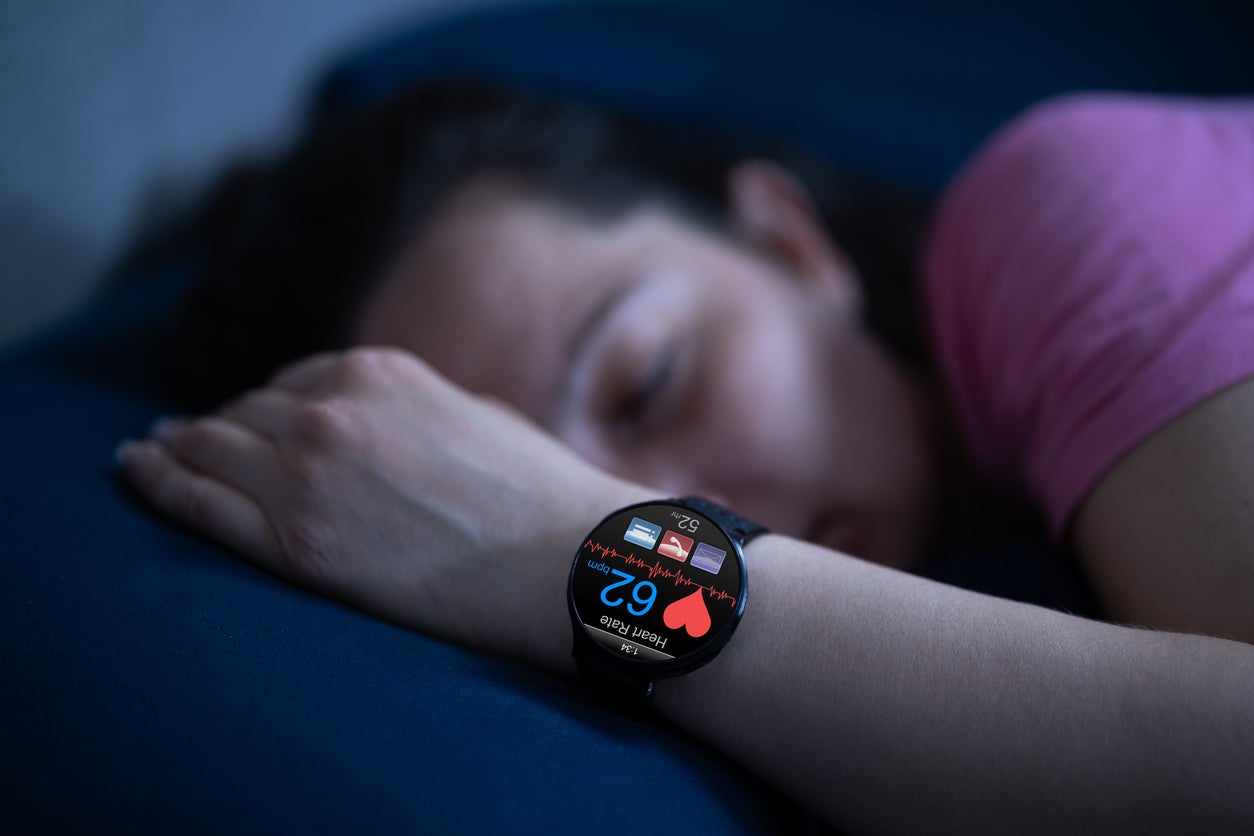
Finally, the paper recommends reviewing whether or not a fitness tracker that keeps tabs on your sleep is actually helpful for you. For some, the stress of chasing better sleep metrics can negatively impact their sleep – a state known as “orthosomnia”.
Understand what good quality sleep is
Effective sleep is a composite of sleep duration, sleep quality, sleep regularity, sleep timing and subjective factors such as how you feel and perform in day-to-day life, according to Dr Galpin.
Many wearables now offer the option to track your sleep, but Dr Galpin suggests a simpler measure of success: “If I wake up feeling fully refreshed, I’m sharp, my energy is awesome, I train, I recover, I feel great and then I’m sleepy at night, then I don’t really care what a fitness tracker says.
“If your daytime function is really good, then you probably don’t need to be messing around too much with your sleep.”
If you do not wake up feeling refreshed, there are many environmental and behavioural factors you can tweak in an attempt to improve your sleep quality. These are summarised above.
However, these interventions are unlikely to be as effective in those with undiagnosed sleep disorders. According to Dr Galpin, signs you might have an undiagnosed sleep disorder include needing “copious amounts of stimulants” to see you through the day, excessive snoring, excessive daytime sleepiness, regularly waking up through the night and taking more than 20 minutes to fall asleep.
If you can relate to any of these factors, or the advice above proves ineffectual, he recommends further “high-fidelity testing” to identify whether you have a sleep disorder, and appropriate next steps.
Read more: This one thing could be ruining your sleep – and you were probably told it would help it
Join our commenting forum
Join thought-provoking conversations, follow other Independent readers and see their replies
Comments
Bookmark popover
Removed from bookmarks