I specialise in coaching people aged 40-plus – do these six things for immediate results
Exercise is one of the best things you can do for your health, but top coach Ed Haynes says several lifestyle changes will deliver more immediate and noticeable positive impacts, from reducing pain to improving energy levels, writes Harry Bullmore

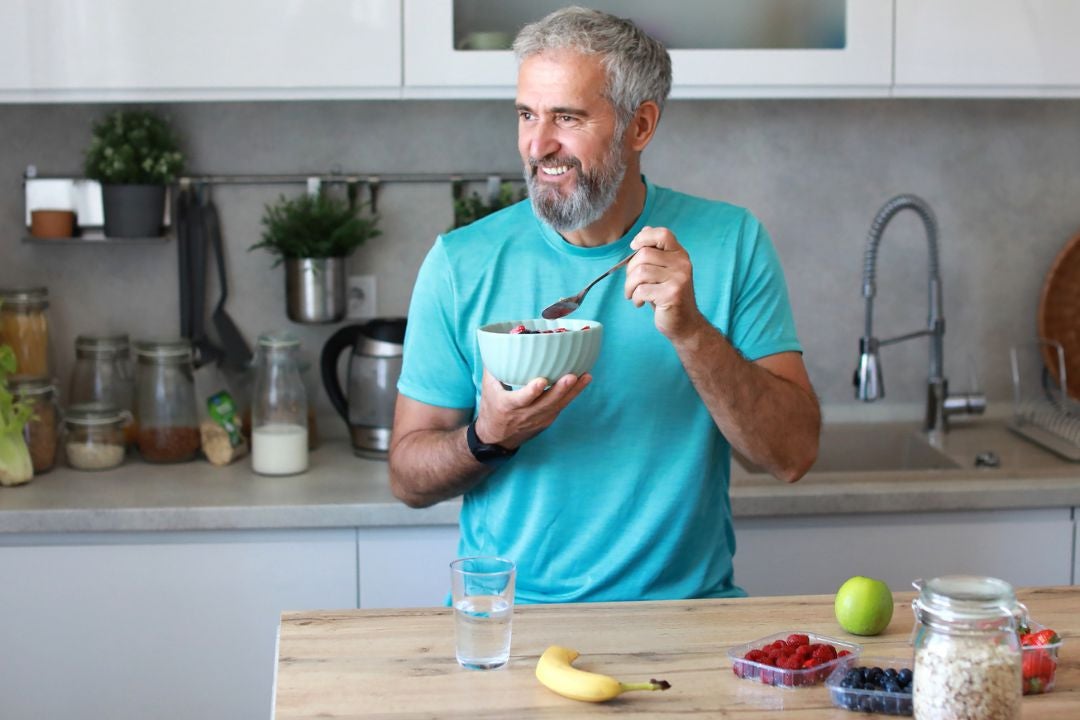
Age is just a number, but few would deny a correlation between the amount of time you’ve been alive and how your body feels. This doesn’t have to be an inverse relationship, however.
If you consistently nourish your body with healthy behaviours, there’s a high chance you can make it look, feel and function just as well as it did in your younger years – if not better.
Hong Kong-based gym owner Ed Haynes knows this better than most. A former international rugby sevens player, he describes himself as a “broken athlete”, having been plagued by a string of serious injuries during his career. Through this, he was forced to find ways to create a resilient body that performs well and is built to last.
Haynes cut his teeth as a 20-year-old coach by training family members, helping his mum go from being unable to hold a plank at 59 years old to repping out press-ups and pull-ups at 76. Now, 18 years later, he has helped hundreds of clients in their 40s, 50s, 60s and beyond transform their health and fitness.
Below, Haynes reveals the exact framework he uses to achieve this.
 Four things you can do to reduce inflammation and cut heart disease risk, according to the experts
 The uncomfortable truth about building muscle and eight golden rules for strength training in midlife
 New research reveals the exercise six times more effective than walking
 Swap the gym for this trainer’s six-move kettlebell workout to build full-body strength at home
Lifestyle changes offer an immediate reward
“If you walk 10 kilometres into the woods, you have to walk 10 kilometres out of it,” says Haynes. “What I mean by that is, if you’ve had bad nutrition, sleep and exercise habits for 20 years, it’s going to take time to undo that.”
Exercise is fantastic for better fitness and function, but he argues that improving lifestyle factors offers a more immediate uptick in your health and wellbeing. After all, even if you spend five hours in the gym each week, that still leaves 163 hours unaccounted for.
“In the past, trying to fix people’s dysfunction with exercise was my main focus,” says Haynes. “Now I dig deep into lifestyle factors straight away and see really quick wins. We can lower the inflammation in someone’s body and reduce pain almost immediately. And by increasing sleep and protein intake, we can support muscle growth, which is super important for improved function as we age.”
He identifies areas for improvement in clients with a scored lifestyle assessment. This is split into six pillars: sleep, hydration, step count, diet, protein intake and intentional movement. For each one, Haynes identifies a gold standard to shoot for.
“I’ve been doing this for 16 years now, and the truth is only a handful of people have ever hit all of the gold standards,” he admits. “The point is that each one is a sliding scale, and any movement in the right direction is going to have benefits to your health and wellbeing.”
The true gold standard is developing a sustainable lifestyle that allows for consistently good scores in each section, and adapting this over time to suit the many curveballs life will inevitably toss your way.
“Biologically, things do get harder as you get older,” Haynes says. “Life changes, seasons of life happen, you go through a divorce, you get sick, you retire, you might suddenly be pre-menopausal and then menopausal. Every time a change like that happens, it’s almost like you’re dealing with a new person, and the protocols need to evolve.
“It’s not as if you can have a perfect day, tick that box and not worry about it any more – this is constant work that you’re going to have to do for the rest of your life.”
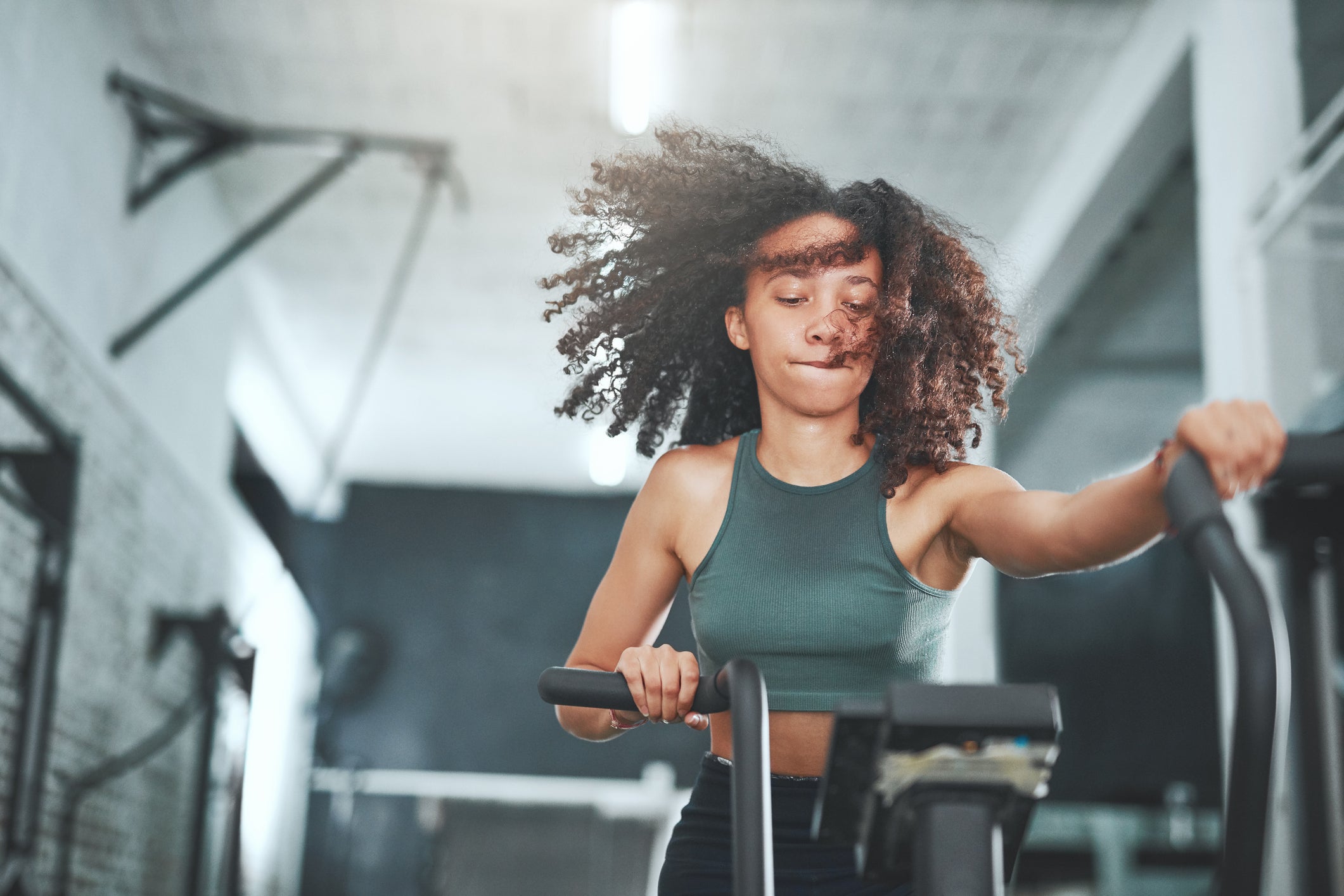
The six pillars of better health
1: Sleep
“Can we get you from sleeping six hours per night to six and a half hours per night?” says Haynes. This isn’t because six and a half hours is a magic figure for better health, it’s simply more sleep than you were managing before.
“Is doing that going to reduce the amount of inflammation in your body and the pain you feel? It almost always does, because recovery happens when we sleep.”
Gold standard
The gold standard for people aged 40 and above is to build up your sleep to a minimum of eight hours per night, Haynes says. But this can be done in small increments over time, as someone whose routine revolves around sleeping for six hours each night is unlikely to find an extra two hours easy to come by.
“If someone is currently sleeping for five hours per night, we are going to aim to get to five and a half. When that feels easy, we’re going to think about six, and then six and a half,” says Haynes.
Read more: The science-backed exercise method that can help fight the effects of ageing

2: Hydration
“Most people aren’t drinking enough water,” Haynes says. “If you can keep a water bottle to hand and drink just one more bottle per day, we know that drinking adequate amounts relative to your bodyweight and activity levels reduces inflammation. And when inflammation reduces, pain reduces.”
He admits this is easier said than done. Tweaking habitual behaviours can be tricky, particularly for someone whose life choices have been ingrained over decades. But the pay-off for doing so is impressive.
Gold standard
“The gold standard is drinking 35ml of water per kilogramme of body weight per day,” Haynes adds. “If you’re a sweaty individual, an active person or you live in a hot climate, you will probably need a bit more.”

3: Step count
”Our daily step count can have a big contribution to the number of calories we burn on a daily basis, but we don’t just care about it from a body fat perspective,” Haynes says.
“Most people lose the ability to walk as they age. The most basic thing to do to prevent this is look to see how much you’re actually walking. If you don’t do it regularly, your body is going to gradually forget the ability to walk – that’s part of the reason why some people start to feel discomfort when they go down stairs.”
The cause of sarcopenia, or the age-related loss of strength and muscle, has been deemed “multifactorial”, but one of the major contributing factors is declining activity levels. If you can stay more active and continue to grease the groove of fundamental movements such as walking and bending over to pick something up from the floor, your body will recognise the need to maintain the strength and skill needed to do them safely.
Gold standard
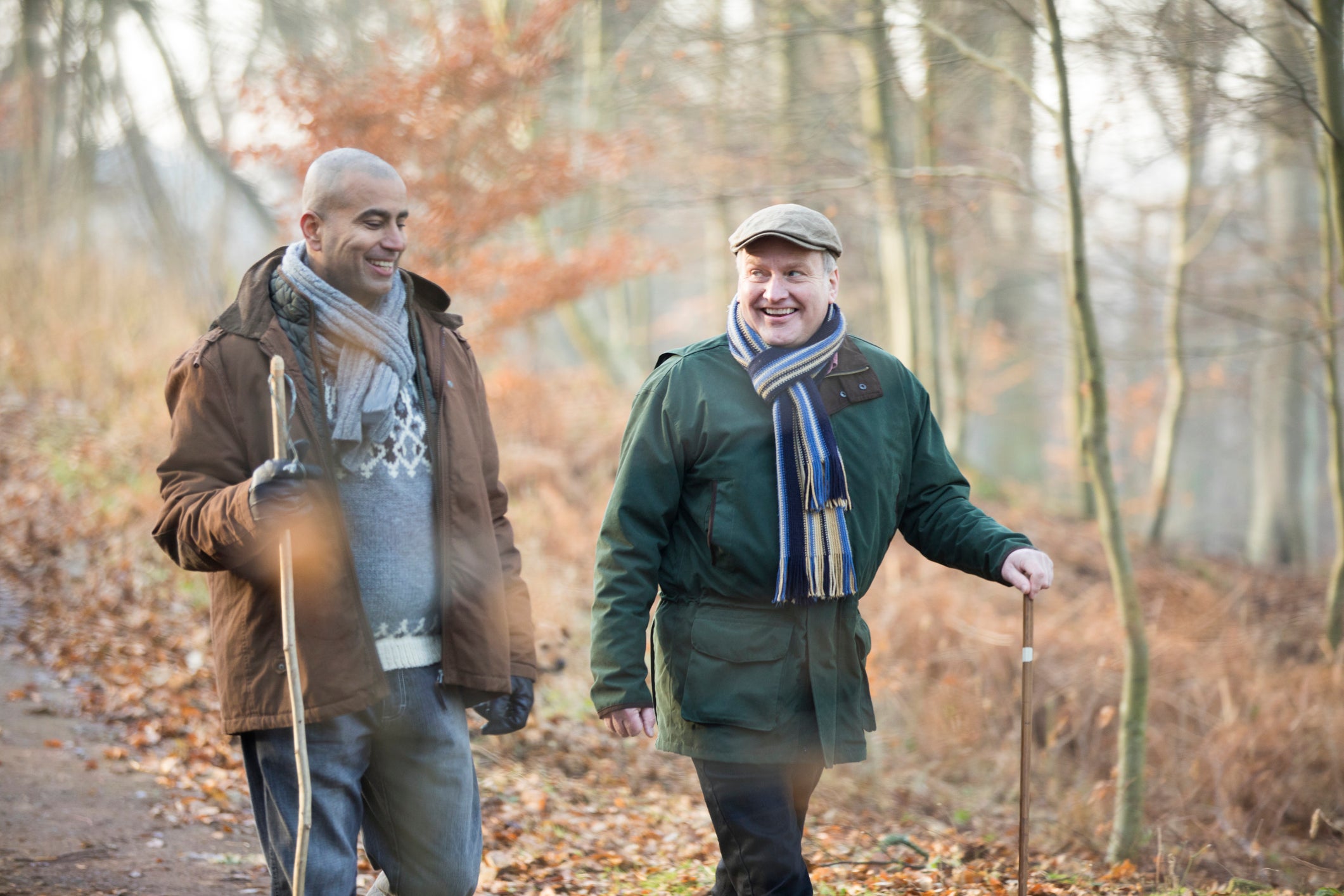
While it is a scientifically arbitrary number, Haynes says walking 10,000 steps a day represents a good gold standard, ensuring you are on your feet and practising the skill of walking a decent amount. But a lower hanging piece of fruit you can pluck is simply taking the stairs where possible, rather than alternatives like lifts and escalators.
“If you, at the age of 40, take the stairs every day, your body will not forget how to go up and down stairs,” Haynes says. “It will maintain the necessary motor patterns, strength and mobility in your quads, hips and ankles so that, at 80, you will still be able to do it.”
Read more: Is the rise of endurance sports a harmless health kick – or dangerous addiction to adventure?
4: Diet
The quality of the food you eat is also closely tied to inflammation and, consequently, pain and discomfort in the body. Haynes provides some basic guidelines which, if followed, can help you significantly improve your nutrition.
“We can go down the route of individualising macronutrients and telling people exactly what to eat, but that’s not necessary relative to what the vast majority of people in this demographic need,” he explains.
Instead, Haynes recommends building the bulk of your diet around colourful whole foods and aiming to hit an adequate amount of protein for your age, frame and lifestyle (more on this second point below).
“Mum and dad told us this from a young age, but if you get enough colours on your plate through fibrous vegetables you will support your gut microbiome,” he says. “If you want less pain, it starts with the gut – healthy gut, less inflammation, less pain.”
Gold standard
Aim for 85 per cent or more of your foods to be unprocessed, Haynes advises. This includes things like fruits, vegetables, meats, legumes and pulses.
Alternatively, you could simply look to cut down your consumption of ultra-processed foods (UPF), which have been associated with “many non-communicable diseases” in a Lancet review.
Professor Chris van Tulleken, a professor of global health and infection at University College London, and author of Ultra-Processed People, provides this definition to help people spot UPF: “If the packaging you are reading has an ingredient that you don’t typically find in a domestic kitchen, like an emulsifier or a flavouring, then it’s very likely to be an ultra-processed food.”
Read more: The common foods that can reduce inflammation and improve heart health, according to experts

5: Protein intake
“Most people we work with in this demographic are working hard in the gym, but they’re not eating enough protein, so they don’t give themselves the chance for their bodies to repair and replenish,” Haynes says.
Protein provides the building blocks needed for positive training adaptations, such as the growth and repair of bodily tissues, including muscles, bones, tendons and ligaments. It also supports several other vital processes, such as hormone regulation and the immune system.
Gold standard
For a gold standard figure here, I’m deferring to a previous interview with Professor Javier Gonzalez, a professor of nutrition and metabolism at the University of Bath’s Centre for Nutrition, Exercise and Metabolism.
“The recommended nutrient intake for protein in the UK is 0.75 grams per kilogram of body weight,” he says. “There are some good arguments that a little higher than this – up to 1.2g/kg – may have additional benefits for muscle health and weight control. The requirements of athletes [or those who exercise regularly] can be even higher than this – up to around 1.8g/kg.”
Read more: Just dry enough: how to tweak your drinking to reduce its harmful effects

6: Intentional movement
The phrase intentional movement encapsulates any type of exercise – time you have put aside to move your body.
“Yoga counts; pilates counts; strength training counts; going for a run counts,” says Haynes. “Running for the bus or walking around the supermarket does not count.”
These activities serve to strengthen the body, improve mobility and boost your mood.
“If you injure yourself, not only do you lose physical function, but may also be removed from your social circle,” Haynes says. “Strength training is the main thing we do with clients because muscle is essentially body armour.”
Muscle increases physical capacity and protects against falls. It also increases your total daily energy expenditure to aid weight management, helps regulate blood sugar to combat diabetes, and increases bone density to fight conditions such as osteopenia and osteoarthritis.
Gold standard
“Four sessions per week, each lasting at least 20 minutes, is the gold standard here,” says Haynes. But if you don’t currently do any structured exercise, he recommends starting by introducing one session per week. When this feels manageable, move to two weekly workouts, with the end goal of working your way up to the gold standard of four, if your life allows for it.
Read more: I used ChatGPT to plan my workout – then asked personal trainers to review it
Join our commenting forum
Join thought-provoking conversations, follow other Independent readers and see their replies
Comments
Bookmark popover
Removed from bookmarks