The Independent's journalism is supported by our readers. When you purchase through links on our site, we may earn commission.
Just dry enough: how to tweak your drinking to reduce its harmful effects
Habit change is tricky, but experts tell Harry Bullmore there are techniques you can adopt to minimise the health impacts of drinking alcohol


Humans and alcohol go way back. “There’s a theory that Stonehenge was actually built as a place where people would go on an annual basis to have massive festivals of drink,” leading neuropsychopharmacologist Professor David Nutt tells me. “Many of the ancient monuments seem to be related to either wine or beer consumption.”
Why? Because humans are social creatures who aren’t very good at socialising, and alcohol is uncannily good at subsidising this shortcoming, explains Nutt, who is co-creator of Sentia alcohol-free drinks. But times are changing.
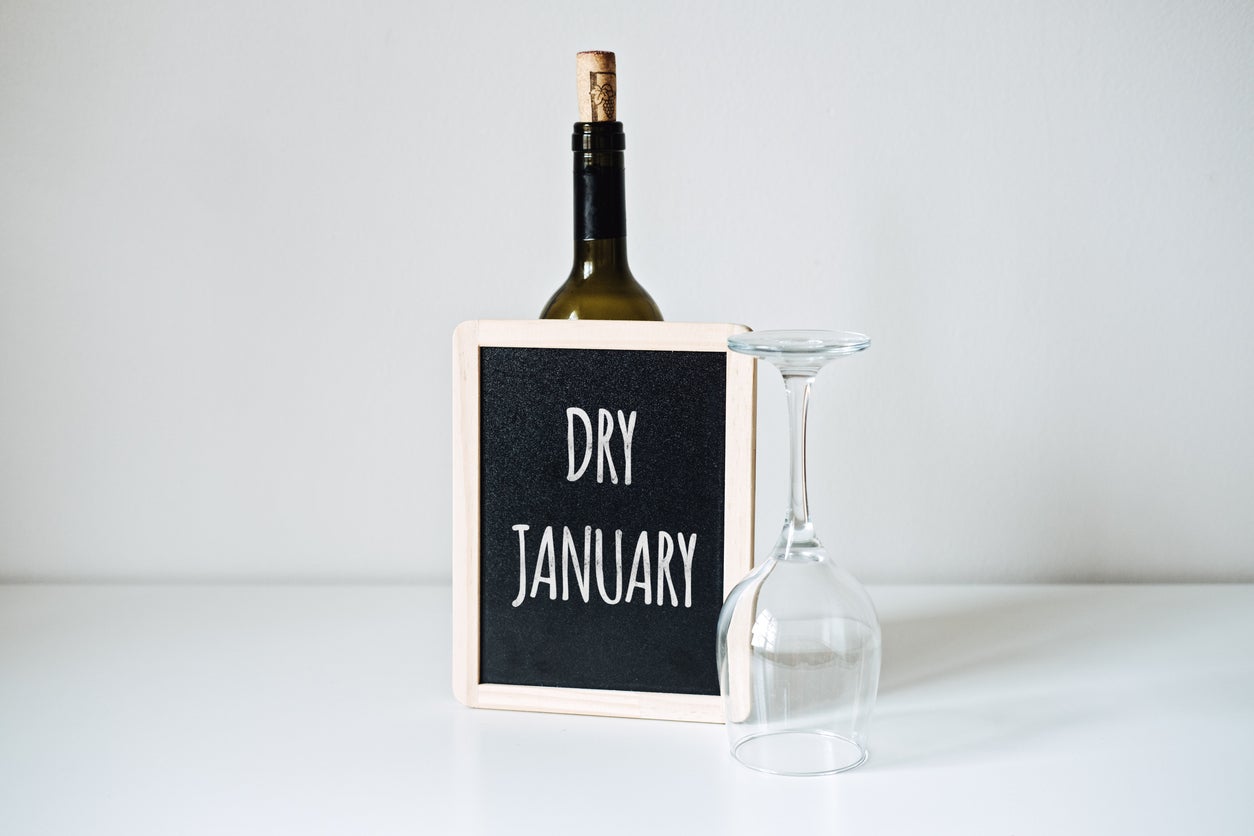
According to charity Alcohol Change UK, the number of people planning a Dry January almost doubled from 4.2 million to 8.5 million between 2019 and 2024. It also recognises an increase in 16-24 year olds swerving alcohol – from 19 per cent to 26 per cent between 2011 and 2022 – with health concerns being a major motivator.
This is not universal, however. The charity reports how rates of binge drinking in the UK have remained steady in recent years, and while the Covid pandemic triggered some people to trim back on their drinking, a similar number increased their weekly intake.
Giving up alcohol is the most obvious option to better your health: “If you want no harm, you don’t drink anything – even two glasses of wine a year will slightly increase your cancer risk,” says Professor Nutt. But going cold turkey is something people have historically struggled with.
“We know, with any habit change, it’s important to be realistic and consider personal factors – we can’t be absolute about it,” says NHS GP Dr Radha Modgil.
Dr Modgil and Professor Nutt share their tips for drinking alcohol while minimising the negative impacts on your health.


Stick to 14 units per week
The current government guidelines around alcohol are a good rule of thumb to go by, Dr Modgil and Professor Nutt agree.
“Liver cirrhosis from alcohol is very unlikely if you drink within the current guidelines of 14 units per week,” says Professor Nutt. “Similar risks apply to things like cardiovascular disease and stroke.”
That is equivalent to six glasses of medium-strength wine or six pints of four per cent beer, Dr Modgil adds.
Read more: Why going sober was one of the best things I’ve ever done
Don’t stockpile your drinks
Sticking to 14 units per week is step one, but Dr Modgil says this comes with caveats for minimising risks. “That should be spread across three or more days,” she says.
Binge drinking elevates your risk of various harms. Professor Nutt defines this as five units or more in a single sitting – roughly two and a half pints of four per cent beer.
“People who binge will say that’s kind of pathetic, but the reality is more than five units in a session is going to leave you with changes in your brain, which are not permanent,” Professor Nutt continues.
“But if you do that on a daily basis, they will end up over a number of years becoming more and more permanent.”
Read more: The surprising effect of dry January that’s not your liver and sleep quality

Avoid drinking every day
“There is a bit of a paradox here,” says Professor Nutt. “The brain seems to be more vulnerable to bingeing, whereas the liver is more vulnerable to chronic, daily drinking. The same is true of your blood vessels and your heart.”
To reduce these effects, he advises having at least two days of the week where you don’t drink at all, allowing your liver, heart and blood vessels to recover.
Read more: Five health challenges experts say make a difference – and none are Dry January

Don’t open a second bottle
This tip is one of Professor Nutt’s own creations. He stresses that every alcoholic drink you consume should serve a purpose, whether that’s to relax you or make you more sociable. Excessive drinking rarely adds value in these areas.
One of the simplest ways to avoid this is to set boundaries and remove temptation.
“If you are drinking wine with a partner in the evening, never open a second bottle; otherwise, you will drink that too because your control will have gone,” Professor Nutt says. “Define up front what you are going to drink. One bottle between you is still quite a lot of alcohol, but it’s a lot less harmful than the second bottle.”
He lists increasing wine intake as one of the most significant changes in drinking behaviour over the last 50 years. “It’s been driven by very sophisticated, subliminal advertising by the industry”, he says, such as “product placements of alcohol in all the right kinds of adverts and movies”.
“It’s called wine o’clock,” he says. “Wine used to be something you had on special occasions. Now, 50 years on, there are people I know who, to suggest they don’t have wine with their dinner is a challenge to their persona, and it’s fascinating.
“Alcohol with meals has become the norm for upper-middle-class people. Many of them die of alcohol-related problems, not even realising they’re drinking more than they should.”
Plan your diary in advance
“We tend to think that a party always has to involve alcohol,” says Dr Modgil. But there are certain times of the year, such as Christmas and wedding season, when regular social events will inevitably see our drinking levels spike.
“Look at your diary, see how many events you have that are likely to involve alcohol, then think about spreading them out a bit more or saying no to alcohol on a few of them,” Dr Modgil continues.

Zebra striping
To lower the amount you drink, Dr Modgil suggests zebra striping. This act simply means alternating between alcoholic drinks and non-alcoholic drinks. By doing this, you can halve the amount of alcohol you drink while staying more hydrated over the course of the evening.
“When we drink, it’s not just our health that is affected, but also things like our relationships, how we interact with other people, our finances and our physical safety – getting home from a party, for example,” says Dr Modgil.
“There are simple things you can do – drinking water or soft drinks between alcoholic ones and eating enough beforehand – that can impact how you feel when drinking and reduce the harms from alcohol as well.”
Read more: New research reveals the exercise six times more effective than walking

Benefits of reducing alcohol intake
Perhaps the most obvious impact of reducing your alcohol intake is an increase in productivity. Fewer drinks lead to fewer hangovers, allowing for a more fruitful following day. But the benefits extend far beyond this.
“The NHS advice is all about just lowering the risk of harm from alcohol, and that's because we know that if we can lower the amount of alcohol we're drinking, we have less chance of liver disease, cancers, we have better mood and we can manage our weight better,” says Dr Modgil.
Weight management factors relate to the nutritional values of alcohol and the drinks we mix it with – which usually sit on top of the food we eat during the day, and in some cases even encourage us to eat more later in the evening.
“There are quite a lot of calories and sugar in certain types of alcohol as well as sugary drinks,” Dr Modgil says.
Reducing the amount of alcohol you drink will likely reduce your calorie and sugar intake, helping people maintain a healthy weight and reducing the risk of type two diabetes.
Read more: The science behind a good night’s sleep, according to every expert I spoke to this year
Join our commenting forum
Join thought-provoking conversations, follow other Independent readers and see their replies
Comments
Bookmark popover
Removed from bookmarks