India reports first Nipah death of latest outbreak but says no new cases detected
Nurse, 25, was one of two confirmed cases in South Asian country
India reported its first death of the latest Nipah virus outbreak after a 25-year-old nurse in West Bengal state died in hospital, authorities said.
The woman, who had been receiving treatment in the critical care unit of a hospital in Barasat area, developed complications, including a secondary lung infection, and suffered a cardiac arrest, health officials said.
She was one of two confirmed cases in the eastern state. The second patient, a 27-year-old male nurse from the same hospital, has since recovered and been discharged.
The cases prompted extensive contact tracing, with some 200 people placed under monitoring, according to the federal health ministry. State health officials said all identified contacts tested negative and no further infections were detected.
The death in India came days after the WHO confirmed a woman had died of Nipah in neighbouring Bangladesh.
The patient, in her 40s, developed symptoms consistent with Nipah on 21 January such as fever and headaches followed by hyper-salivation, disorientation and convulsion.
The woman, who reportedly had no travel history but had consumed raw date palm sap, died a week later and was confirmed to be infected with the virus, according to local authorities. All 35 persons who had contact with the patient tested negative for the virus but continued to be monitored, they added.
No further cases have been detected to date, according to the WHO.
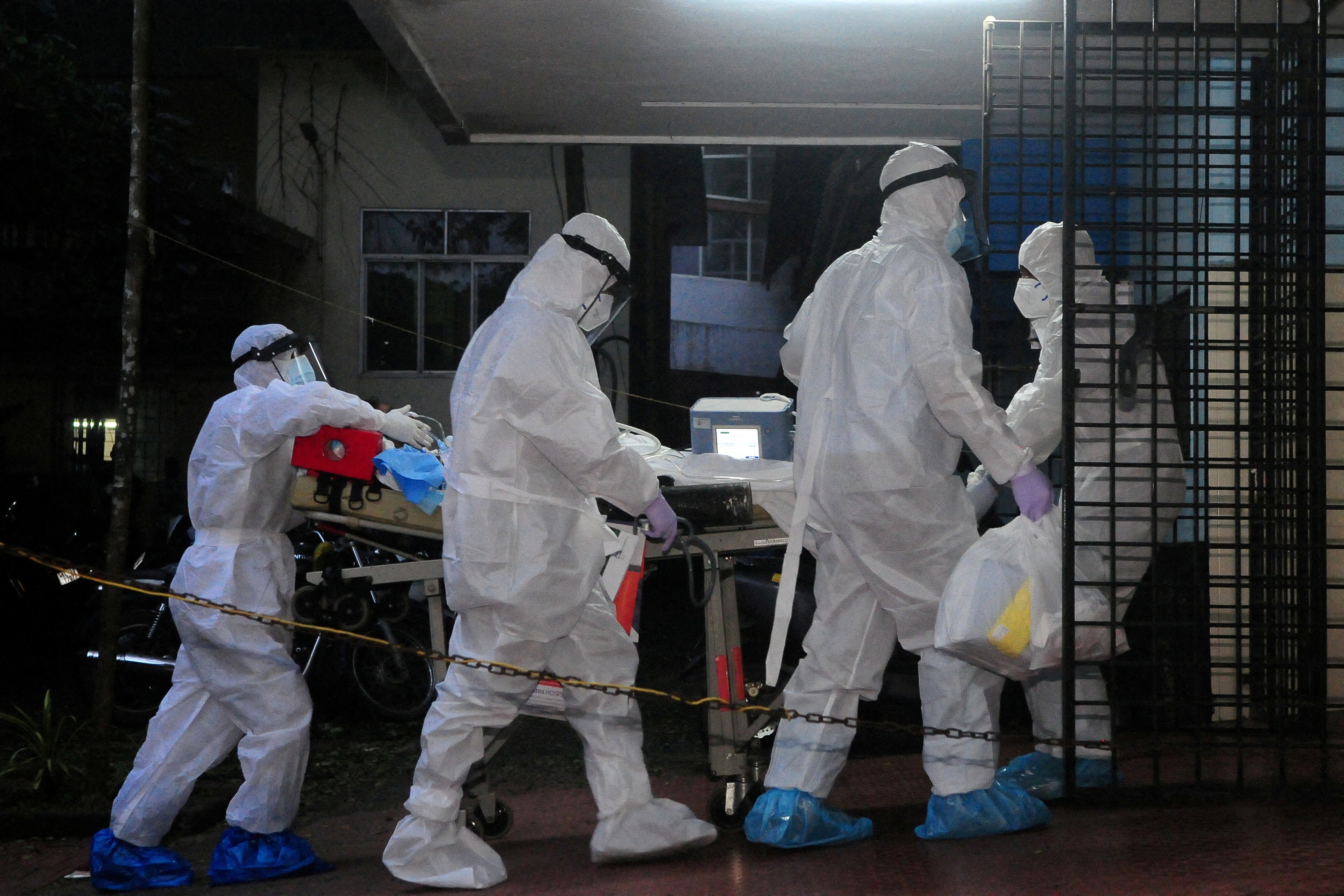
Nipah is a zoonotic virus, meaning that it can spread from animals to humans. Fruit bats are deemed the primary natural host, although transmission can also occur through contaminated food or close contact with an infected person.
The virus can cause fever, headaches and respiratory symptoms in its early stages. In more severe cases it can lead to encephalitis – inflammation of the brain – and respiratory failure. According to the WHO, the fatality rate ranges from 40 to 75 per cent, depending on the circumstances and the quality of care.
There is no approved vaccine or specific antiviral treatment for Nipah. Care is largely supportive and focused on managing complications.
The latest Nipah outbreak has prompted precautionary measures beyond India. Several Asian nations have introduced health screenings at airports while the UK Health Security Agency has advised travellers to affected areas to seek medical advice if symptoms develop after returning.
The WHO last week reiterated its assessment that the risk of international spread remained low.
Nipah outbreaks have occurred periodically in Bangladesh and India over the past two decades, most frequently in the southern state of Kerala. While the virus is regarded as highly dangerous because of its severity, experts say that sustained human-to-human transmission has historically been limited.
Health authorities in West Bengal have said surveillance remains active, but no new cases have emerged since the initial cluster was identified in December.
Join our commenting forum
Join thought-provoking conversations, follow other Independent readers and see their replies
Comments
Bookmark popover
Removed from bookmarks