WHO provides promising update on India’s deadly Nipah virus outbreak
Agency says no evidence of increased human-to-human transmission so far
The World Health Organisation said there is a low risk of the deadly Nipah virus spreading from India following the confirmation of two infections, and advised against imposing travel or trade restrictions.
The WHO said there was no evidence of increased human-to-human transmission so far, adding that India had the capacity to contain such outbreaks. It was coordinating closely with Indian health authorities, the agency added.
“The WHO considers that the risk of further spread of infection from these two cases is low,” the agency told Reuters.
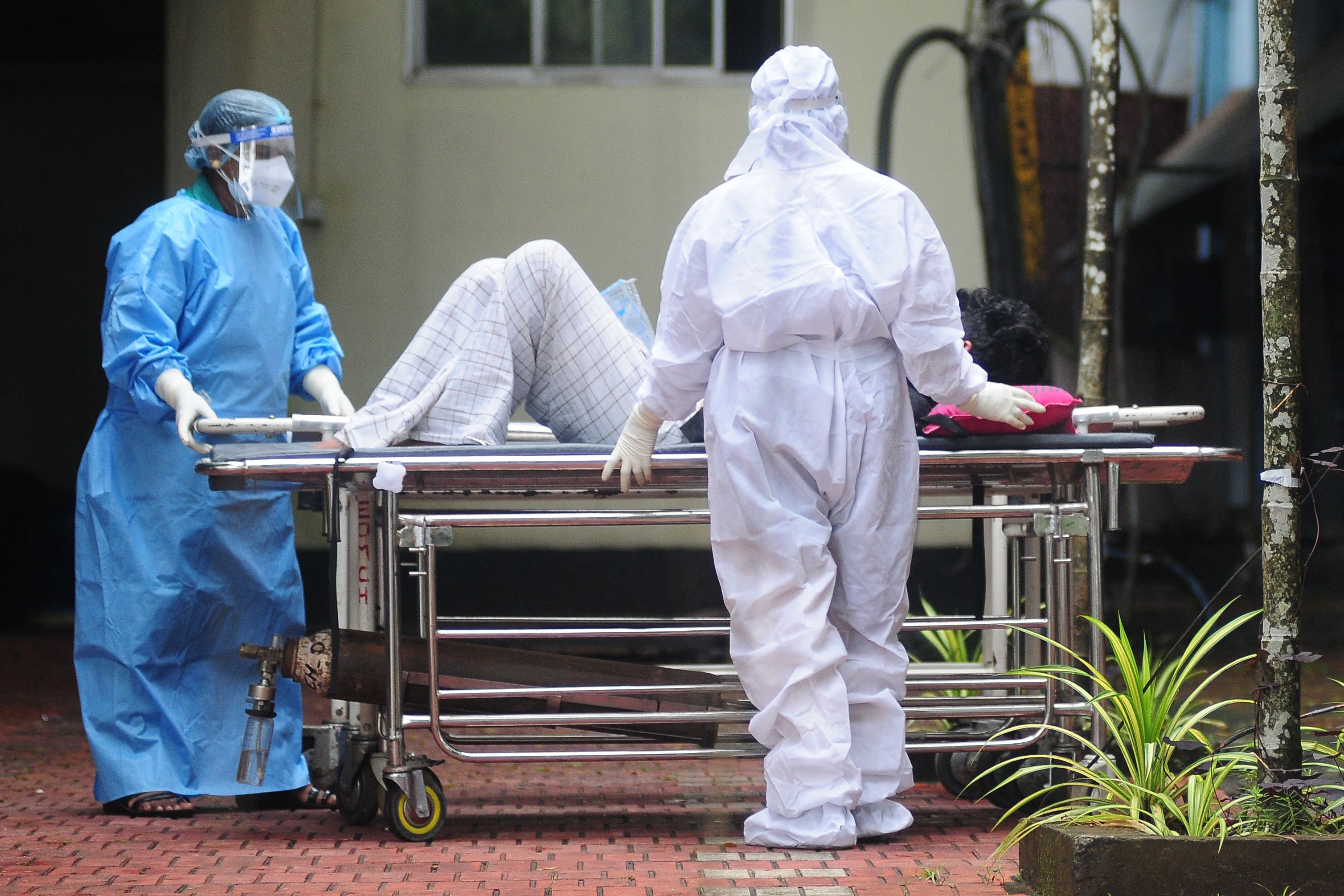
The assessment came after several Asian countries – Hong Kong, Malaysia, Singapore, Thailand, and Vietnam – tightened airport health screenings this week for passengers arriving from India.
The two cases in India involve health workers in the eastern state of West Bengal. They were infected in late December and were undergoing treatment, local authorities cited by the WHO said. The source of the infections is yet to be fully identified.
Nipah is a zoonotic virus carried primarily by fruit bats. It can infect animals like pigs and transmit to people through contact with infected animals or consumption of fruit contaminated with bat saliva or urine. Person-to-person transmission is possible but usually requires prolonged close contact, making widespread transmission less likely.

The virus can cause fever and severe brain inflammation and has a fatality rate ranging from 40 to 75 per cent, according to the WHO.
There is no licensed vaccine or specific treatment, although several vaccine candidates are currently in development.
Because of its high fatality rate, lack of approved treatments and the theoretical risk of mutation into a more transmissible form, the WHO classifies Nipah as a priority pathogen.
Small, localised outbreaks are not unusual. India has reported seven documented outbreaks since the virus first emerged in the country, with repeated cases in the southern state of Kerala, regarded as one of the world’s highest-risk regions for Nipah. The current outbreak is the third in West Bengal, following outbreaks in 2001 and 2007. Neighbouring Bangladesh reports Nipah infections almost every year.
While the WHO says further exposure to the virus can’t be ruled out, virologists emphasise that risk to the general population remains low, given the difficulty of sustained human-to-human transmission.
According to background information compiled by CNN, Nipah belongs to the same virus family as measles but is far less infectious. Symptoms usually appear within four to 14 days and can initially resemble flu, before progressing rapidly in severe cases to coma within a week. Survivors may suffer long-term neurological effects.
Globally, fewer than 800 cases have been recorded since Nipah was first identified in Malaysia in the late 1990s, although experts believe infections are under-reported in parts of Asia where surveillance is limited.
Health authorities say prevention is the most effective defence, focusing on reducing animal-to-human transmission and enforcing strict infection-control measures in healthcare settings.
Join our commenting forum
Join thought-provoking conversations, follow other Independent readers and see their replies
Comments
Bookmark popover
Removed from bookmarks