She-volution: why 2025 was the year women’s rage took centre stage
Long treated as unbecoming or hysterical, women’s anger took on a far more powerful role this year, says Kimberley Bond, as a long-overdue act of resistance, reshaping music, film and culture


The word that defined 2025, according to Oxford University Press, was “rage bait”. The term, according to the publishing house, refers to “online content deliberately designed to elicit anger or outrage by being frustrating, provocative or offensive, typically posted in order to increase traffic to or engagement”.
Rage baiting has existed long before online spheres made it fashionable – or profitable. Provocateurs have always walked among us, needling their way into otherwise polite conversation to elicit fired-up responses, rather than fostering an actual personality of their own (pretty much everyone can recall being cornered in a pub by someone unbearable who begins, “well, to play devil’s advocate…”).
For women, responding to anything with anger or fury remains something of a taboo. We’re taught that it’s “unbecoming”, and we’re forever lectured to take the high road when we’ve been wronged. Rage is dismissed as hysteria if it’s accompanied by frustrated tears, or more crudely described as “being a bitch” if the anger is expressed with even a hint of rudeness.

Yet this year, there has been a palpable shift. Women’s fury has been channelled into creating compelling art that has not only permeated popular culture, but dominated it, finally being treated as something to be celebrated rather than suppressed.
Kate Nash’s single “Germ”, a furious retort aimed at transphobes following a UK Supreme Court ruling that determined that the word “woman” refers to biological sex, received critical acclaim from LGBTQ+ allies and music critics alike. Elsewhere, Marina Diamandis described “C***tissimo”, a single from her sixth studio album, Princess of Power, as a defiant anthem against male-dominated society. “Throughout the centuries, it’s been denied us that freedom to be silly and messy,” she told Rolling Stone. “Women have been under such a strict patriarchal power for so long, but this is just like, ‘F*** you.’”
Of course, Lily Allen’s West End Girl achieved the greatest commercial success. Her rage, channelled into a borderline operatic album telling the story of a woman wronged by her scoundrel ex-husband, sparked a cultural moment almost as influential as Charli XCX’s Brat. Sabrina Carpenter’s furious response to the White House, after her music was used as a soundtrack to a video promoting ICE, deserves an honourable mention; her comment branding the government “evil and disgusting” garnered millions of likes.

Female rage has also surged across the big and small screen. Sally Wainwright’s Riot Women explores female midlife fury, while Jennifer Lawrence’s turn in Die My Love tells the story of a vengeful woman and how the actions of a man trigger her descent into madness. Rose Byrne, meanwhile, unleashes a raw and ferocious performance in If I Had Legs, I Would Kick You, capturing the fury of a mother pushed to breaking point.
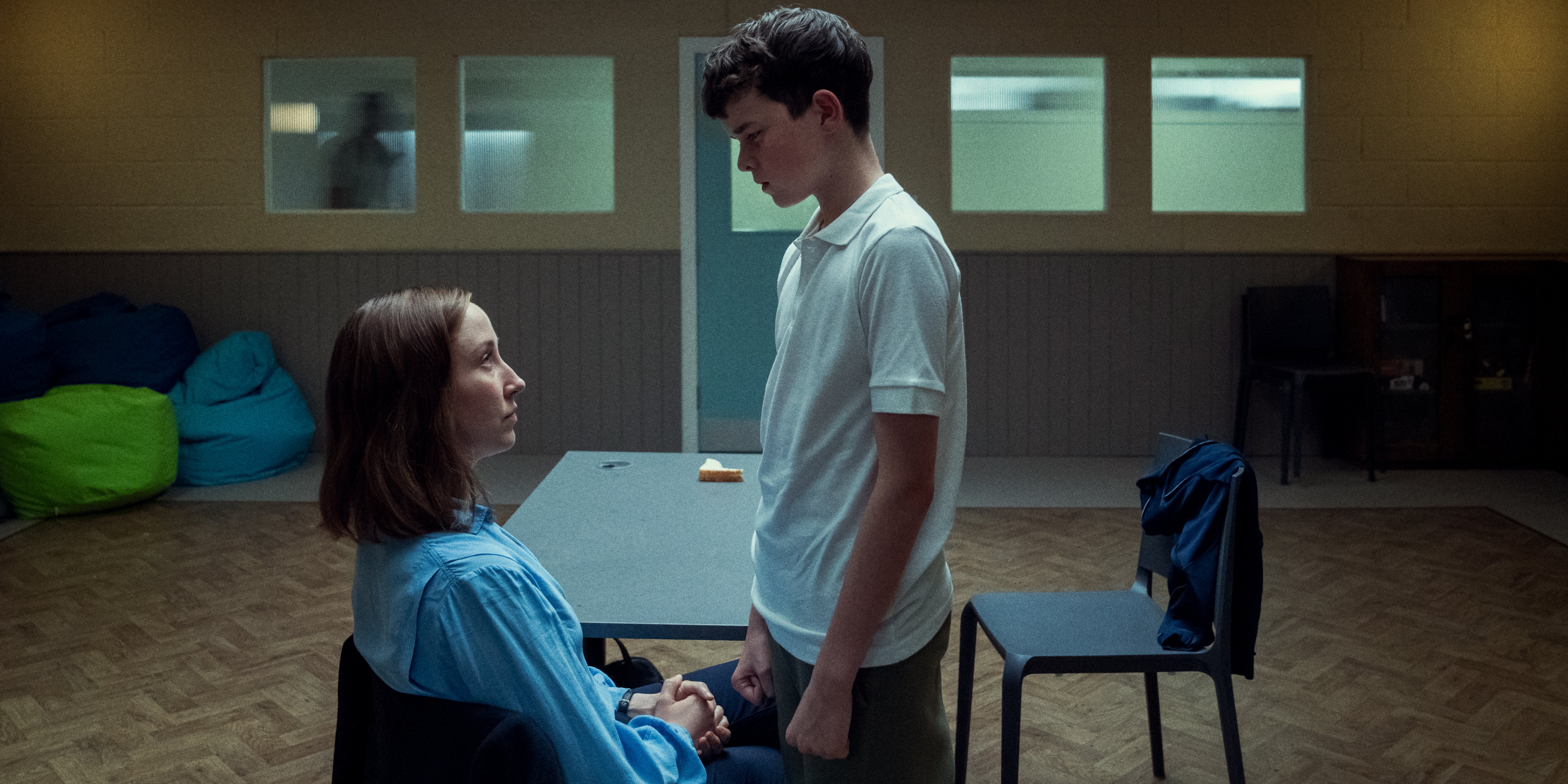
This outpouring of rage into the art we create and consume has been a long time coming. Women, after all, have plenty to be angry about. The hard-earned rights our mothers and grandmothers fought for are being steadily eroded, with the overturning of Roe v Wade linked to increased maternal and infant mortality. Meanwhile, incel culture, once fringe and pitied, has edged ever closer to the mainstream; Netflix’s Adolescence demonstrated just how easily young minds can be infected and consumed by hatred, while far-right pundit Nick Fuentes openly mocked women’s liberties with the phrase “Your body, my choice.”
The promise of having both a family and a career is increasingly out of reach, undermined by the soaring cost of childcare and the persistent shortage of decently paid work. Even those who manage the relentless juggle are burdened with a heavy mental load, carrying an average of between 26 and 34 hours’ worth of unpaid labour on top of their paid careers.
Some of the world’s most powerful men are unabashed misogynists who openly belittle women who dare disagree, calling them “piggy” and instructing them to be quiet. The body-positive crusade, while imperfect, has given way to a new expectation: that women should be thinner, fitter and chemically enhanced in order to remain youthful and, therefore, worthy. Is it any wonder that our anger is now being placed under the microscope, examined and consumed by the very forces that helped create it?
The past year may have been the year of rage bait, but it also revealed a growing willingness to scream back at the provocateurs. The popularity of art fuelled by female fury suggests that women may finally be heard – not despite their anger, but because of it.
Join our commenting forum
Join thought-provoking conversations, follow other Independent readers and see their replies
Comments
Bookmark popover
Removed from bookmarks