Top law firms are doing very nicely by behaving badly
Leading firms have faced criticism for their role in cases, including the Post Office Horizon scandal, but profits keep rising, writes Chris Blackhurst

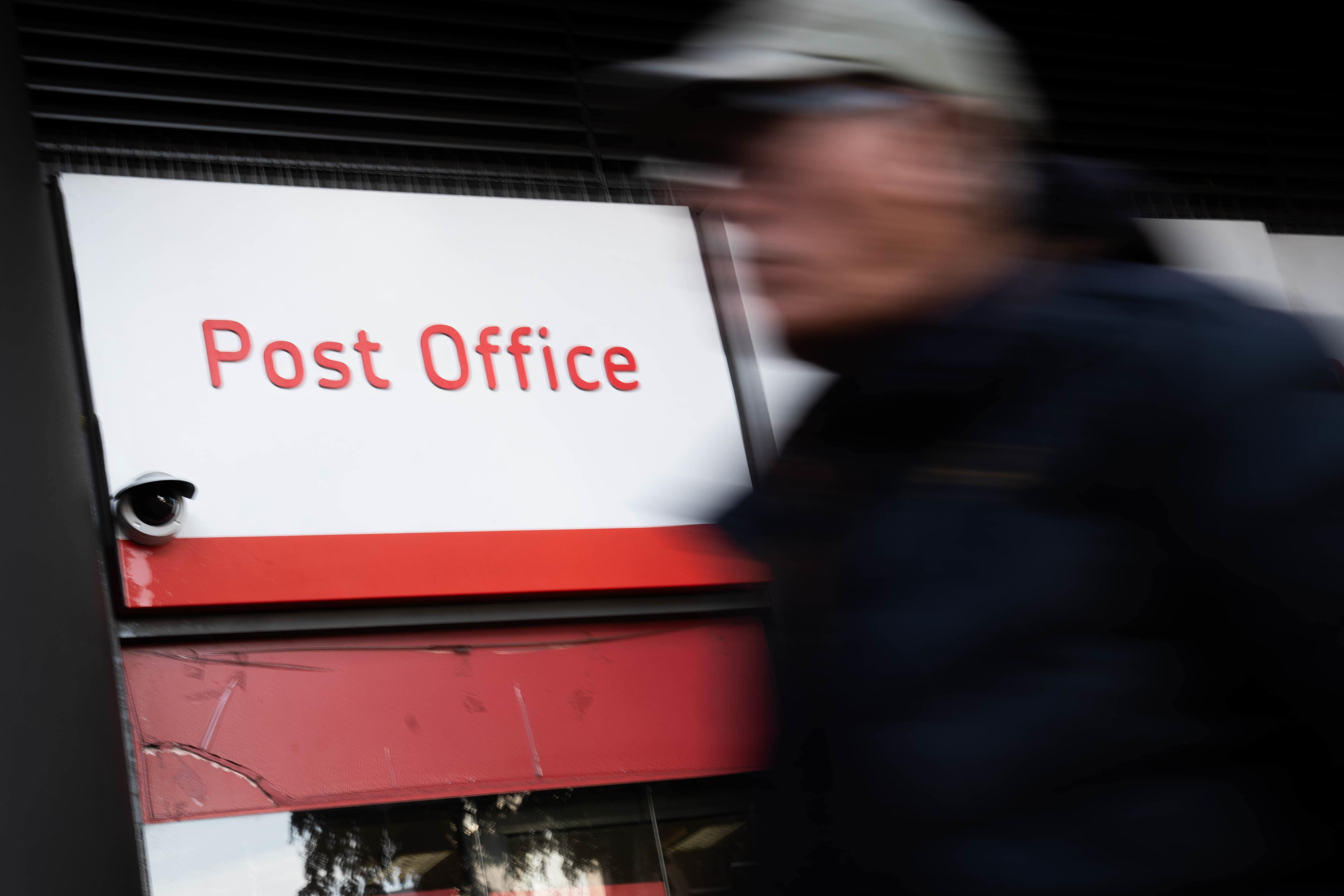
Top law firms are doing nicely by behaving badly – safe in the knowledge that someone else will pick up the tab.
Major practices lambasted for shocking breaches of ethical rules are avoiding financial penalties, thanks to their professional insurance. As a result, their conduct is going unpunished. Worse than that, they are enjoying booming profits, despite being named and shamed.
This, at a time when the biggest UK and US international partnerships in London are enjoying record profits. The elite bunch have seen pay levels go through the roof. Annual accounts for one of the City’s “Magic Circle” reveal that the highest-paid partner received more than £7m.
Legal experts are demanding reform. Two recent cases have provoked particular alarm. Herbert Smith Freehills (HSF) was sternly criticised in the fallout from the Post Office Horizon scandal and Dechert was slated for putting profits above their client’s best interests while working for mining company ENRC.
HSF is facing investigation by the Solicitors Regulation Authority over its handling of compensation awards to the wronged subpostmasters, for which it has billed fees of at least £188m.
 By gunning for the Fed’s Jerome Powell, Donald Trump is playing with fire
 Russia’s shadow war with us is just starting – be ready for trouble
 Mark Zuckerberg is taking an almighty bet on AI. Will it pay off?
 From AI to Trump, the biggest threats to the economy in 2026
 Starmer is doing his best to talk up the economy – but 2025 has been a dud
The firm’s taxpayer-funded work on the Post Office Horizon clear-up has helped drive profits. HSF’s latest accounts show annual profits of £278.6m, up from £213.1m. This follows criticism from Wyn Williams, chair of the Post Office Inquiry, for “an unnecessarily adversarial attitude towards making initial offers” to over 900 people wrongly prosecuted.
The firm has denied any wrongdoing. Speaking to the Commons business and trade committee in 2024, one of the firm’s partners said they had only taken a reasonable fee given the amount of work involved.
If, at the end of the SRA probe, the firm is found to have committed any malpractice during their retainer, any fines will also be picked up by their insurance provider, while the publicly-owned Post Office, and therefore the taxpayer, will be left out of pocket.
In Dechert’s case, a judge in 2022 found “almost unimaginable” and “extremely serious conduct” by the firm’s now former partner, Neil Gerrard, allegedly assisted by several colleagues, which failed to trigger any serious financial consequences for the firm.
In fact, Dechert’s substantial UK earnings have continued to grow. Latest yearly operating profits for the UK arm (it is part of a worldwide US firm) are £54.8m, up from £45.1m. The judge found that in London, Dechert acted to encourage a Serious Fraud Office (SFO) investigation into ENRC, thus boosting its fees. Gerrard “lied continuously” about whether or not he had leaked to the media, and he was “negligent and for the most part reckless” in unnecessarily expanding his retainer with the company.
A further trial this year will decide how much is owed to ENRC, and by which parties (the SFO was also found to have mismanaged its side of the case), with a potential figure in the region of £216m. But Dechert need not fear: any costs it must repay will also be covered by their insurer.
Influential legal ethics voices believe it is time to end this culture of apparent financial impunity. Thanks to their insurance cover, firms that break the rules face no real monetary consequences.
Richard Moorhead, professor of law and professional ethics at Exeter University, believes in general the major firms are even able to effectively disregard the regulatory bodies because of their sheer financial might. “I have a strong sense that the regulators are outgunned by those they regulate,” said Moorhead.
A House of Lords select committee report published in November concluded: “Trust in the legal profession has also been undermined by high-profile examples of unethical practice.”
A submission to the committee from Professor Robert Barrington, at the Centre for the Study of Corruption at Sussex University, confirmed that lawyers’ duty to act ethically needs to be enforced.
The growing dominance of US practices in the London legal market has sparked concern that regulations meant to be upheld by the SRA are being eroded in the pursuit of profit.
Barrington noted: “The significant expansion of US law firms in the UK may be expected to have a significant effect on the culture and values of the profession as a whole.” He said the committee “may wish to note that US-style lawyering is perceived by many leading legal ethicists, such as Rick Abel of UCLA, as prioritising commercial success over the public interest”.
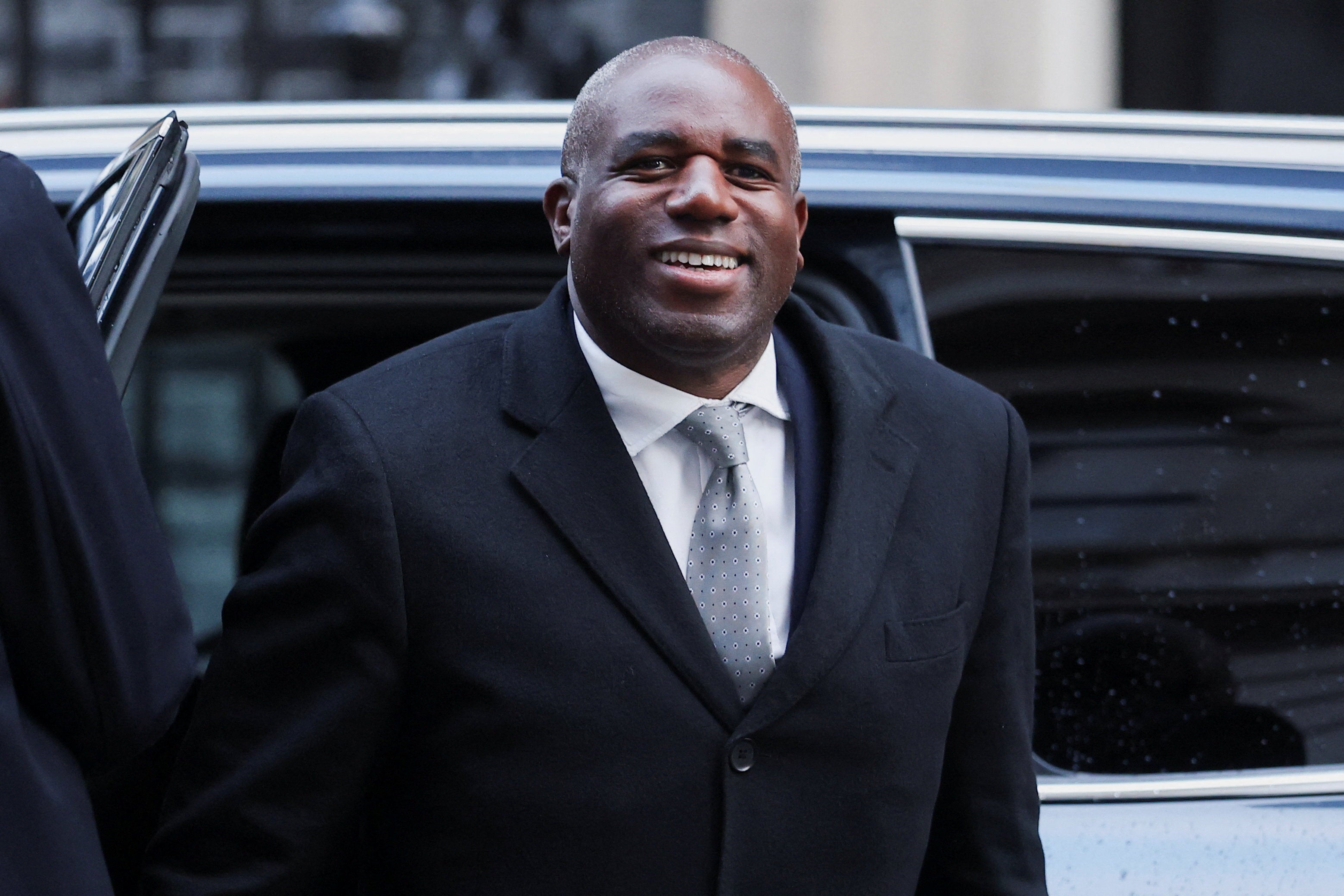
Justice secretary David Lammy said last week that one of the factors underpinning the legal sector’s success is our world-renowned commercial courts. “While our commercial and international legal services flourish, other parts of our system face severe pressure,” he said, adding: “Law firms thrive when the system is strong, so it follows that they should contribute to strengthening justice.”
But even when they are found to have fallen foul of the system, they seem to emerge scot-free. Soaring profits at Dechert and HSF highlight that allegation, and even findings of wrongdoing against a firm and its partners do little to hurt their bottom line. They are protected by insurance policies guarding them from the financial downside of their conduct.
By contrast, where the client is a public body, the taxpayer receives no such protection from the actions of lawyers breaking the rules. In an industry governed by the billable hour, it is vital that lawyers don’t lose sight of their overriding obligation to act in the interests of justice, not just their wallets. They must surely start to bear the cost of their own misdeeds.
Join our commenting forum
Join thought-provoking conversations, follow other Independent readers and see their replies
Comments
Bookmark popover
Removed from bookmarks