Keir Starmer is too cowardly to do the right thing on welfare
If his party doesn’t get its act together it will only mean more pain later – and a Reform government who are willing to grasp the nettle, writes John Rentoul


We already know that Keir Starmer is running scared of welfare reform. This is partly a matter of political cowardice, and partly of tactics.
The cowardice is easy to read. Starmer knew last summer that he was already fighting for his political life. Angela Rayner was still deputy prime minister, untainted by carelessness with her taxes, and it was obvious that if she could get 81 Labour MPs to back her publicly, triggering a leadership election, Starmer would be finished because he would lose a vote of party members. As there were a lot more than 81 MPs opposed to welfare cuts, prudence and further U-turns to appease demands for more public spending became the guiding principle of No 10.
In defence of Starmer and Pat McFadden, the work and pensions secretary, there is also a tactical argument for avoiding legislation. Legislation means votes in the Commons, and votes mean rebellions. But skilled ministers can achieve a great deal without giving their MPs the chance to go into the No lobby.
Henry de Zoete, one of Michael Gove’s most talented special advisers, set out his advice for “how to make government work” last month. One of his points was: “Do not legislate unless you really have to. It takes forever. And once every MP and Lord has their say you won’t get what you wanted in the first place.”
Ministers have a lot of powers already under existing legislation, and can often make changes by issuing guidance or using statutory instruments – secondary legislation that usually goes through parliament by default.
Interviews for the award of disability and incapacity benefits need to be face-to-face rather than on Zoom. That can be changed without legislation. It is claimed that assessors have an incentive to make awards rather than to deny them. That can be changed by rewriting contracts.
McFadden knows this, and some changes will happen. But they need to happen quickly and they need to be trumpeted so that taxpayers feel that they are not being fleeced. There is far too much reviewing going on and not enough action.
In the end, this may mean taking some risks with Labour MPs. They need to understand that a rapidly growing disability budget – which does not reflect any increase in actual disability – is playing into Nigel Farage’s hands.
Starmer, clearly, has no desire to return to the scene of his defeat by his own MPs last year, when a threatened rebellion forced him and Rachel Reeves to abandon a plan to cut disability benefits – personal independence payments (PIP) – by £5bn a year.
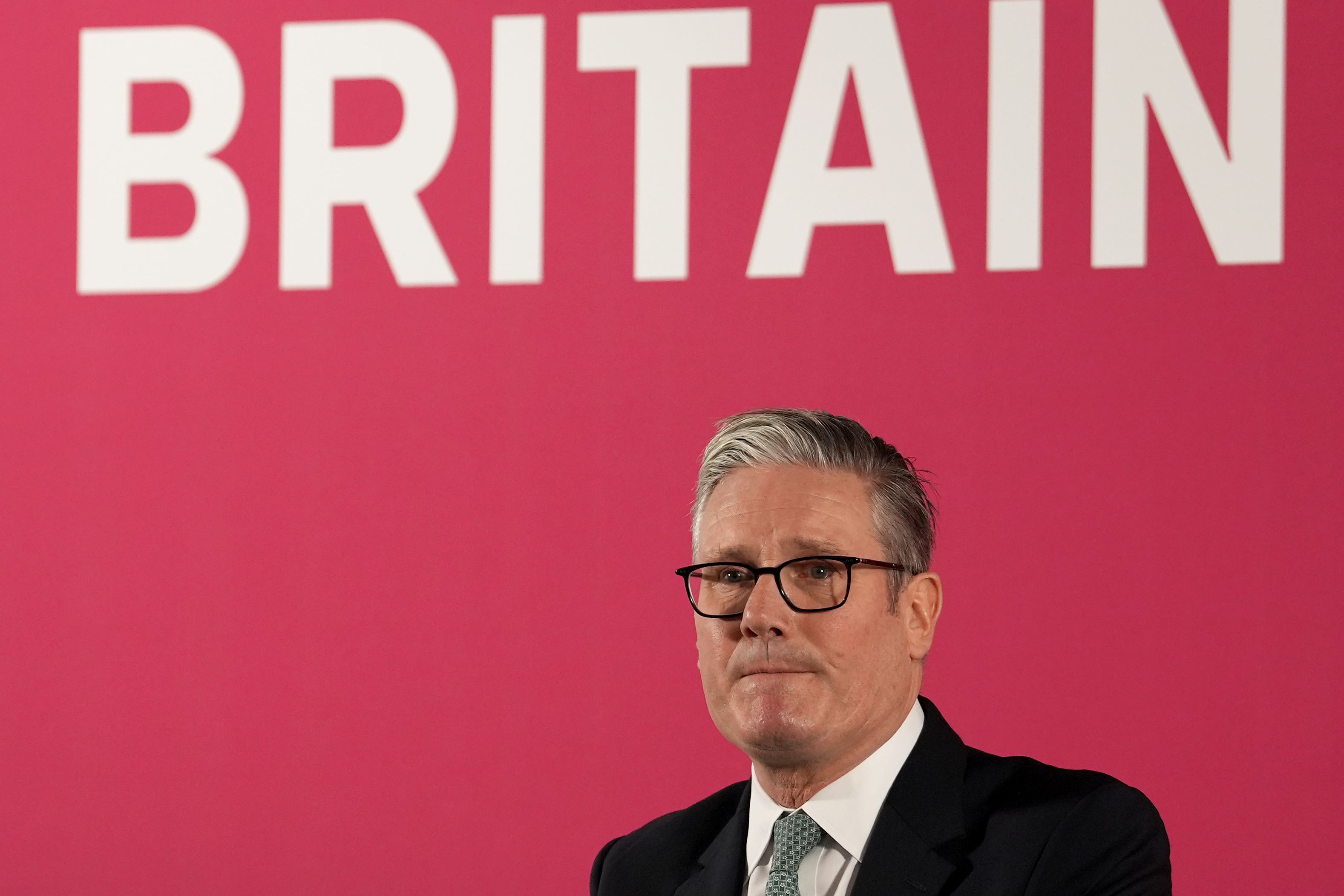
I say “cut” because that is the language used by Labour MPs opposed to the change. In fact, Liz Kendall, who was then the work and pensions secretary, proposed to reduce the increase in PIP spending by £5bn a year. But as this was done in a crude way, reducing or taking away altogether benefits from existing recipients, it would have been a cut for them.
So Kendall folded her tent and Reeves had to put up taxes by even more than she would otherwise have done in the November Budget. Kendall was moved to deal with the moral panic about social media at the science and technology department, and McFadden, just as much a Blairite ultra but with better political instinct, was brought in as work and pensions secretary with instructions not to poke the hornets’ nest again. Is it, therefore, any surprise that McFadden’s department will not be troubling the parliamentary draftspersons in the near future?
It should be noted that just because the Department for Work and Pensions has failed to secure a slot in the King’s Speech, a list of laws the government intends to pass in the coming year or so, it does not mean the case is closed. There is nothing to stop the prime minister deciding at a later date that he needs to legislate to curb spending on benefits.
At some point, however, Starmer and McFadden will have to show leadership by explaining to their parliamentary colleagues that if they do not reform welfare, a Reform government will.
Join our commenting forum
Join thought-provoking conversations, follow other Independent readers and see their replies
Comments
Bookmark popover
Removed from bookmarks