The Independent's journalism is supported by our readers. When you purchase through links on our site, we may earn commission.
Trump’s attack on the BBC is a harbinger of much worse to come
The BBC has its problems – but they are nothing compared to American billionaires who control much of the media, both traditional and social, writes Alan Rusbridger


Let’s step a few years into the future. Elon Musk has bought The Times of London and is using it to pursue an entire stable of hobby horses. Lord Rothermere has unloaded his investment in the Telegraph to GB News co-owner, Sir Paul Marshall. The US asset manager Blackstone has been on a buying spree to own and strip out what’s left of the local newspaper industry. And Paramount CEO David Ellison is boasting to shareholders that his newly merged company, CBS-BBC, is outperforming expectations.
Far-fetched? Ok, Sir Jim Ratcliffe, bored of Manchester United, has snapped up the Times from Lachlan Murdoch, who has tired of owning newspapers. Jeff Bezos has rekindled his love affair with news, now that Trump is out of the picture, and has added the Telegraph to his media portfolio. 15m Brits are living in news deserts after the effective collapse of their local newspaper. And Mark Zuckerberg is eyeing up a stake in the newly privatised BBC.
In fact, you don’t have to stare into an imaginary future to understand how fragile and open to manipulation the news environment is in what we still like to think of as Western democracies.
Six American billionaires own or control much of the information space in the US – and virtually all of them have, in one way or another, buckled the knee in front of a vengeful US President who has simultaneously removed virtually all funding from public television and radio.
American elites are reasonably well-served, though less so now that CBS has veered towards Trump and the Washington Post has been gutted by the quixotic Bezos. But the non-elites make do with what they can scavenge from a tidal wave of social media, half-truths, deliberate lies, bias, rumours and AI slop.
 The BBC has no choice but to teach Trump a lesson about free speech
 Epstein, Mandelson and Andrew have exposed the rotten state of the UK’s constitution
 Why Matt Goodwin isn’t the Reform winner Farage thinks he is
 In hacked-off Harry, the press has created its own worst nightmare
 This man paid himself £500m last year – in what world is that moral?
Increasingly, Americans say they no longer know who or what to believe. That, in turn, leads to a calamitous cratering of trust in institutions and the democratic ideal itself. And it creates a petri dish for populism, polarisation, and evidence-free policy-making.
Now, there is no perfect formula for owning, funding, and curating news. The flaws in billionaire-ownership have been amply demonstrated with the second coming of Trump – but look no further than the variable quality of recent UK press barons; from Murdoch to Richard Desmond; from Robert Maxwell to Conrad Black; from Paul Marshall to the Barclay Brothers.
Shareholder ownership worked reasonably in an age of bountiful revenues and high margins. But as the advertising dried up, a widely-repeated death spiral took over: the remorseless cutting of newsrooms, the mindless chasing after traffic. More cuts, more decline. The result: ever-growing news deserts where citizens have little access to reliable information.
And then there is the public service model for news exemplified by the BBC. Yes, it has problems with independence, governance, and, just occasionally, journalistic rigour. But this is the one business model for universally-accessible news that provably works. It most effectively keeps the largest number of people well-informed at a reasonable cost. If it didn’t exist already, we’d be thinking of ways to invent it. Instead of which, we’re doing our best to discredit it, starve it and possibly abolish it.
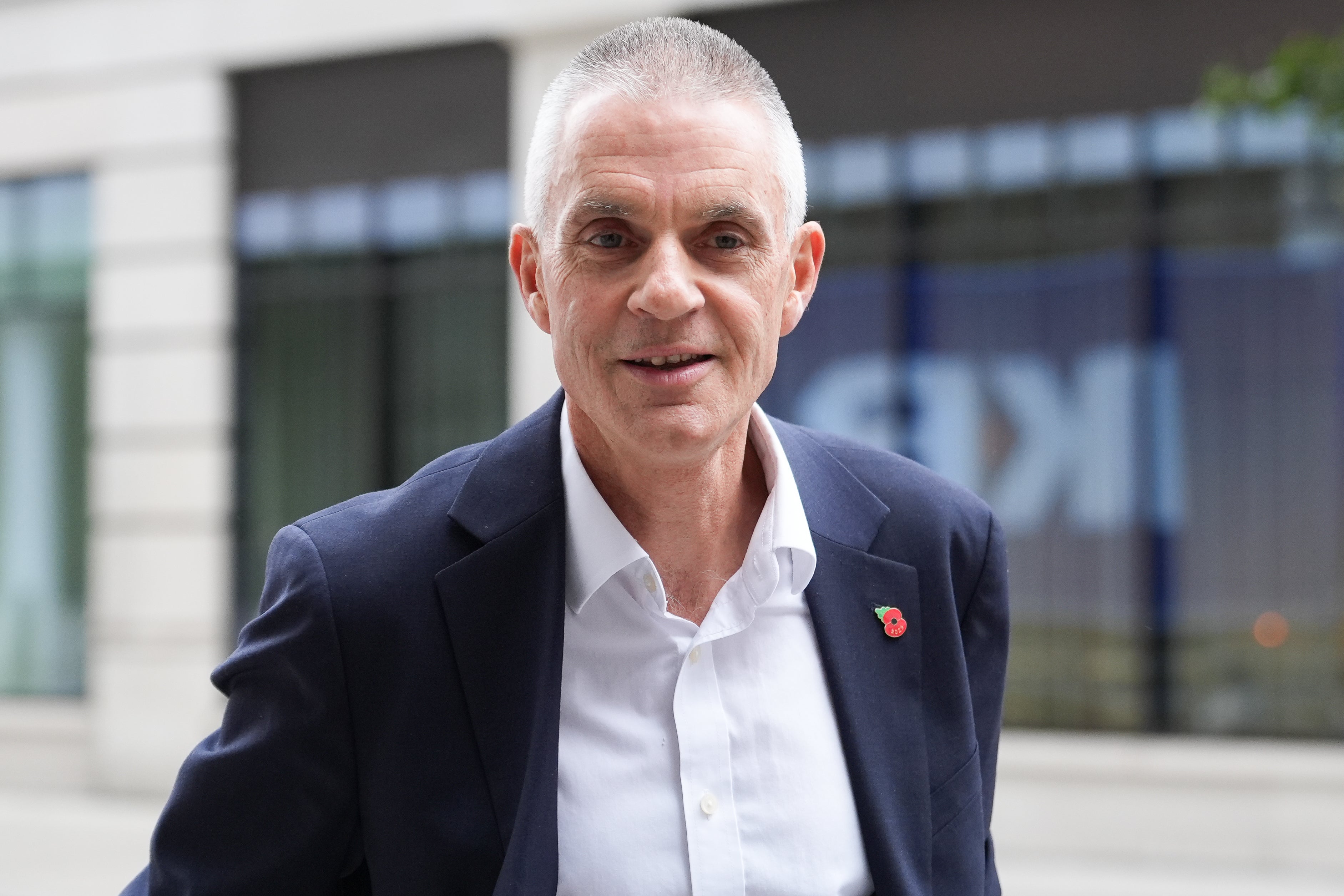
Only this week, the outgoing Director General, Tim Davie, warned of another £500m-£600m in cuts to an organisation which has already seen its funding savaged by around 40 per cent in 15 years. Every ten years it has to plead for its Royal Charter to be renewed. Politicians on the right can’t wait to replace the universal licence fee with some form of voluntary subscription, which would further erode its income and lead to more cuts.
And then there’s the careless neglect of the World Service. The new MI6 chief, Blaise Metreweli, has warned that the UK is operating in a space between peace and war, with disinformation and propaganda contributing to a form of democracy-destroying chaos. The World Service (budget £300m) reaches more than 300m people in 43 languages each week. China reportedly spends more than $6bn on foreign language media expansion. And yet Davie warned this week that our World Service will run out of funding in just seven weeks.
And then consider the almost lip-smacking relish as the enemies of the BBC anticipate the $10bn libel battle with Donald Trump over one careless edit in a Panorama programme, which has also been in the news this week. In any rational world, it should not be difficult to choose between an overwhelmingly ethical British news organisation and a bullying, lying and corrupt US President. Yet here we are.
The Panorama programme has been portrayed – mostly by people who haven’t seen it – as a dishonest attempt by woke BBC journalists to discredit Trump. But much of the programme is in fact devoted to Trump supporters and tries to explain why they are drawn to him. The disputed 12-second clip on which $10bn supposedly hangs involves the botched splicing together of two separate sentences from Trump’s speech to the crowd on January 6 2024. Trump complains it makes it look as though he was inciting them to violence.
Well, the edit should certainly have been flagged by a white flash, or similar commonplace signal. But was the overall meaning of that 12 second segment misleading? In February 2022, the Senate Republican leader Mitch McConnell described the events of January 6 as “a violent insurrection for the purpose of trying to prevent the peaceful transfer of power after a legitimately certified election from one administration to the next.”
He added: “There is no question that President Trump is practically and morally responsible for provoking the events of that day … A mob was assaulting the Capitol in his name. These criminals were carrying his banners, hanging his flags and screaming their loyalty to him.”
The same conclusion – that Trump helped cause the insurrection – was reached by other investigations and court proceedings. Hundreds of those accused of insurrection also testified in court filings that Trump’s repeated false statements and calls to action drove their behaviour that day. In other words, the Panorama programme, while professionally negligent, was overarchingly truthful.
So Trump’s suit against the BBC should be seen for what it is: an attempt to rewrite history. It’s also a bid to fill his own pockets, discredit the work of professional journalists and chill news organisations who seek to hold him to account. It’s really not hard to work out which side to back.
But some people still seem to think we’re better off in a world in which our information is mediated by craven billionaires. So there is a fight to not only save the BBC from its enemies, but also to put it on an assured, long-lasting footing with proper resourcing. Time is short.
Join our commenting forum
Join thought-provoking conversations, follow other Independent readers and see their replies
Comments
Bookmark popover
Removed from bookmarks