I experienced the terror of racism as a child and it’s back in Britain – this is how we beat it
I grew up with skinheads patrolling my neighbourhood, spreading hate, says deputy PM David Lammy – but what I remember most is those who stood with us. That is the spirit of solidarity we must now renew, even as a minority tries to tear us apart


In Britain today, we can all feel a sense of division tugging away at the seams of our society. Some people would have us believe that we are more divided than we really are. They pit neighbour against neighbour, feeding fear and fuelling outrage.
But they are wrong about our country. Most people want to live in a tolerant society and are disgusted by the racist views of the Reform MP Sarah Pochin, who said there were too many Black and Asian faces in adverts. They feel the peril of such comments becoming normalised and stand with us against the return of such flagrant racism.
Britain is a story of progress. And for generations, what has powered that progress is our neglected history of solidarity. During the US civil war, mill workers in the north of England refused to handle cotton grown by enslaved people in the American South. They did so in the knowledge that it could cost them their livelihoods. Nevertheless, they took a stand – looking across the ocean at an injustice and saying: Not in our name.
The solidarity has made modern Britain what it is today. It was also there in the Bristol Bus Boycott of 1963, when people of every background came together to support Black and Asian people who fought being banned from taking jobs on local bus crews.
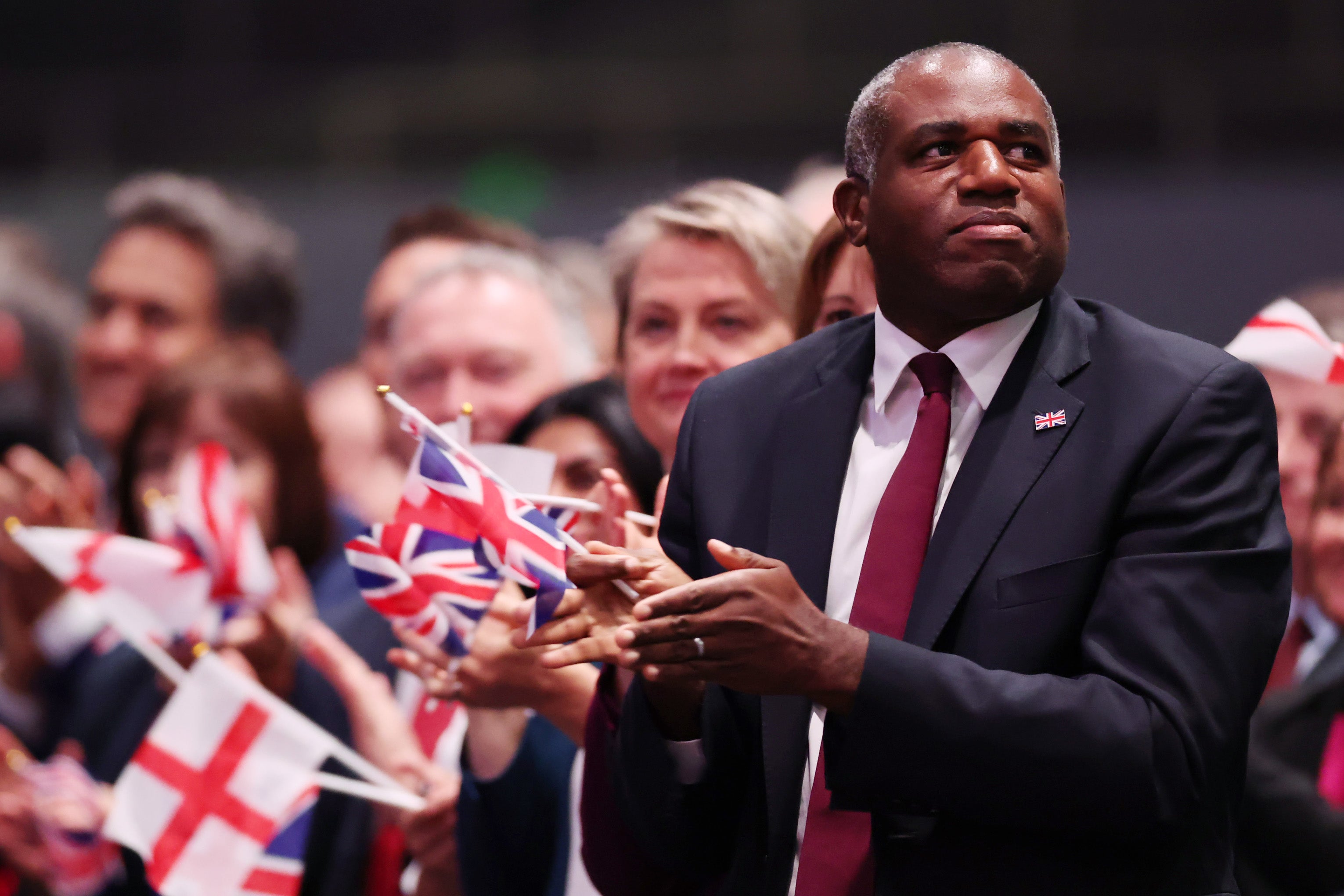
During Black History Month, we celebrate the stories of Black Britons. Not as separate from our national story but at the very heart of it. This is a story of courage and contribution, but also of solidarity and hope to make our country a better place.
When the great Windrush generation was invited to Britain after the Second World War, they were met with hostility and racism. But they persevered and built lives here, while also helping to rebuild Britain. Solidarity was there from the very beginning. Take the first Caribbean Carnival in 1959, which people of all colours and backgrounds helped get off the ground, only a year after the Notting Hill riots.
Then there are Black pioneers of public life, like Bernie Grant, my predecessor as MP for Tottenham, and Paul Boateng, the first Black cabinet minister. They fought to break down doors so that people like me could walk more easily through them. In the Labour movement and beyond, there was solidarity for them and for us all.
These stories about Black Britons remind us that progress for the Black community has never been automatic. Times have been tough. None of us has forgotten the horrors, such as what happened to Stephen Lawrence. But solidarity has been there at every turn.
I experienced it as a young boy growing up in London, where the ugly face of division could be seen on a daily basis. I was terrified when skinheads patrolled our neighbourhoods, spreading their hate on street corners and football terraces. On one occasion, I was just going about my business with my mum and my sister when we were spat on – just for being who we are.
What I remember most vividly, though, is the people who stood up to them. The volunteers of every race and background, standing shoulder to shoulder, refusing to be intimidated. Most of them weren’t politicians or activists – they were our neighbours and our friends. Good people who knew that what was happening was wrong – and were determined to play their part in putting it right.
People of a certain age will remember the Rock Against Racism carnivals in the 1970s. Events took place all over the country, including in Victoria Park, Hackney – where an estimated 100,000 people marched from Trafalgar Square to show that they were opposed to bigotry. It was a concert of Black and white artists alike – bands like Steel Pulse and The Clash – where people danced and sang for a more tolerant Britain.
It was culture doing what laws alone cannot: bringing people together in a common cause. I was only six years old at the time, but I can still remember how it felt to know that so many people – from so many different backgrounds – had stood together proudly and publicly against the racism I faced.
Those experiences shaped me. They showed me that solidarity is not a slogan; it is something we must work at every single day. It is about standing with one another when things are hard, not just when they are easy.
Black History Month is not only about looking back. It is also about renewing our commitment to the lessons taught to us by those northern mill workers, those Bristol campaigners, and those people in London and all across our nation in the 1970s who stood against racism: that solidarity is strength. It is what binds the decent majority together, even when a small minority try to pull us apart.
In my office, there is a photo I look at often. It is of Martin Luther King Jr in 1965, marching for civil rights alongside Rabbi Abraham Joshua Heschel. They were leaders from two vastly different cultures, walking together in pursuit of a common cause. It is not just a picture of two men – it is a symbol of solidarity. It is shared hope and courage, shared faith and friendship. It encapsulates a belief that progress is possible when people come together.
That spirit is at the heart of the Britain I know and love – where decent people refuse the lure of hate and instead choose the path of unity.
David Lammy is the deputy prime minister and justice secretary
Join our commenting forum
Join thought-provoking conversations, follow other Independent readers and see their replies
Comments
Bookmark popover
Removed from bookmarks