Britney Spears’s back-catalogue sale is the latest sign the music industry is collapsing in on itself
Spooked by AI and crumbling returns from streaming services, the world’s biggest stars are increasingly sacrificing future revenues in return for huge lump sums today, says James Moore

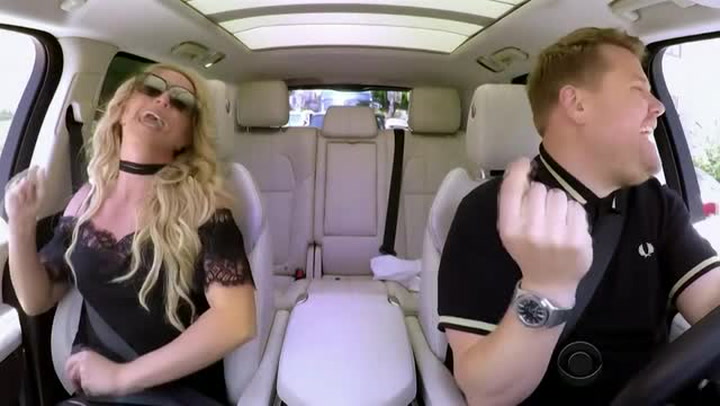
The sale of Britney Spears’s back catalogue is shrouded in mystery – as these things inevitably are when entertainment conglomerates and their globally famous “talent” are involved. Just weeks after she announced her retirement from recording and performing, the independent publisher Primary Wave has acquired the singer’s music for a reported $200m (£147m), having previously secured the rights to the output of Prince, Bob Marley and Whitney Houston.
In commercial terms, Spears’s catalogue really stands up. Widely credited for having revived the teen-pop genre, she released nine studio albums after bursting onto the scene with the worldwide smash ‘…Baby One More Time’ in 1999.
This deal is considerably smaller than, say, the $500m Bruce Springsteen sold his (admittedly larger) catalogue for in 2021. But Spears has co-writing credits on only a limited number of her songs, which doesn’t include her other biggest hits, such as Oops!... I Did It Again, Gimme More and Toxic. She also lacks production credits (she is credited as executive producer on only 2007’s Blackout album). There is also the question of who owns the master recordings from her time with the Jive Records label and then RCA Records.
Primary Wave may, then, be getting less than Sony Music got via its Springsteen deal. But she is still a major recording artist of the 21st century, with a legion of devoted fans, as the “Free Britney” campaign – which played a role in getting her out of the abusive conservatorship she was under – proved.
The streaming era also favours household names whose voice and hits listeners recognise immediately, which helps when they are then used in advertisements. Despite justified complaints by artists about low royalties from digital services – we’re talking fractions of a dollar per thousands of listens to a track – top-tier acts are doing nicely, thank you very much. So even a portion of the Spears catalogue is worth a substantial chunk of change. Marketing that catalogue, which the buyer has plenty of experience in doing with its other properties, can only add to that.
Prince, Marley and Houston are, of course, no longer with us. Spears also differs from some of the previous such deals involving the likes of Springsteen, Paul Simon or Neil Young, much older, “legacy” artists for whom an upfront payment at their stage of life has its attractions.
But selling the rights to your back catalogue is becoming increasingly appealing to a younger cohort, too. Justin Bieber, Justin Timberlake and Shakira have all signed similar deals in recent years. Selling up, providing the artist with a substantial lump sum, can “de-risk” their career, granting them an independence that those struggling to make a living in the music industry will envy. It also relieves them of the chore of managing their intellectual properties, or of finding people to do it for them.
To someone like Spears, who vowed last month not to return to the music industry after being freed from that infamous conservatorship, which gave her father an appalling level of control over her life, the attraction is clear.
The ups and downs of royalties from streaming, and other sources, how they might develop over time, the malign impact AI may have on them, not to mention changing public tastes, will no longer be a concern. The risk of the deal is on the buyer – and, given the level of disruption that the music biz has in recent years endured, that must come as a relief.
Fans and cultural commentators who grouse that selling music to money men like this need to grow up. It’s just business, good business, for all concerned.
So is this the final end of Spears’s musical career, as she has said it is? Dare I suggest that, when the time is right, a comeback tour would not be off the cards?
Take a look at the ticket prices charged by “legacy” artists, whose latest offerings may not dent the charts in the way they once did, but who can still pack out stadiums for a reprise of their greatest hits.
Should Spears ever have a change of heart, a “…Baby One Last Time” world tour would prop up an ailing bank balance, while also boosting the value of her catalogue to the new owner. In the meantime, she can enjoy herself on the proceeds, while flipping off those who have done her wrong – members of her own family in particular.
Living well, as they say, is the best revenge.
Join our commenting forum
Join thought-provoking conversations, follow other Independent readers and see their replies
Comments
Bookmark popover
Removed from bookmarks