The ‘joblessness’ apocalypse is coming. It might already be with us.
The future is coming and it’s going to hit with the force of a bomb, says James Moore


“We have been sleepwalking into a quiet epidemic that is keeping millions of people out of work,” said Tesco’s Ashwin Prasad, whose speech at the Resolution Foundation think tank, on employment, or the lack of it, has sparked headlines warning of a “joblessness epidemic”.
Prasad warned that, “instead of investing in parts of national life that might stimulate investment and growth into the wider economy, we are spending an ever-increasing proportion of our national income on out-of-work benefits.”
Yep, we’re back on the subject of Britain’s sick list, specifically the millions who aren’t working due to health conditions, disability or both, sometimes caused by Covid but sometimes not.
These people, often described as “economically inactive,” have been giving ministers headaches and, apparently, businesses too.
It isn’t just the financial centre that is feeling the impact. Graduates entering the labour market are finding it bitterly cold wherever they look. It must be a bitter pill for them to swallow after spending tens of thousands of pounds in student loans only to find that it might all have been a terrible waste.
LinkedIn’s Labour Market Report, published last month, found that global hiring remains 20 per cent below pre-pandemic levels with job transitions at a 10-year low. Take note of the latter. People are sitting tight and holding on to what they have because the risks of a new job going wrong now outweigh the potential benefits of a new opportunity.
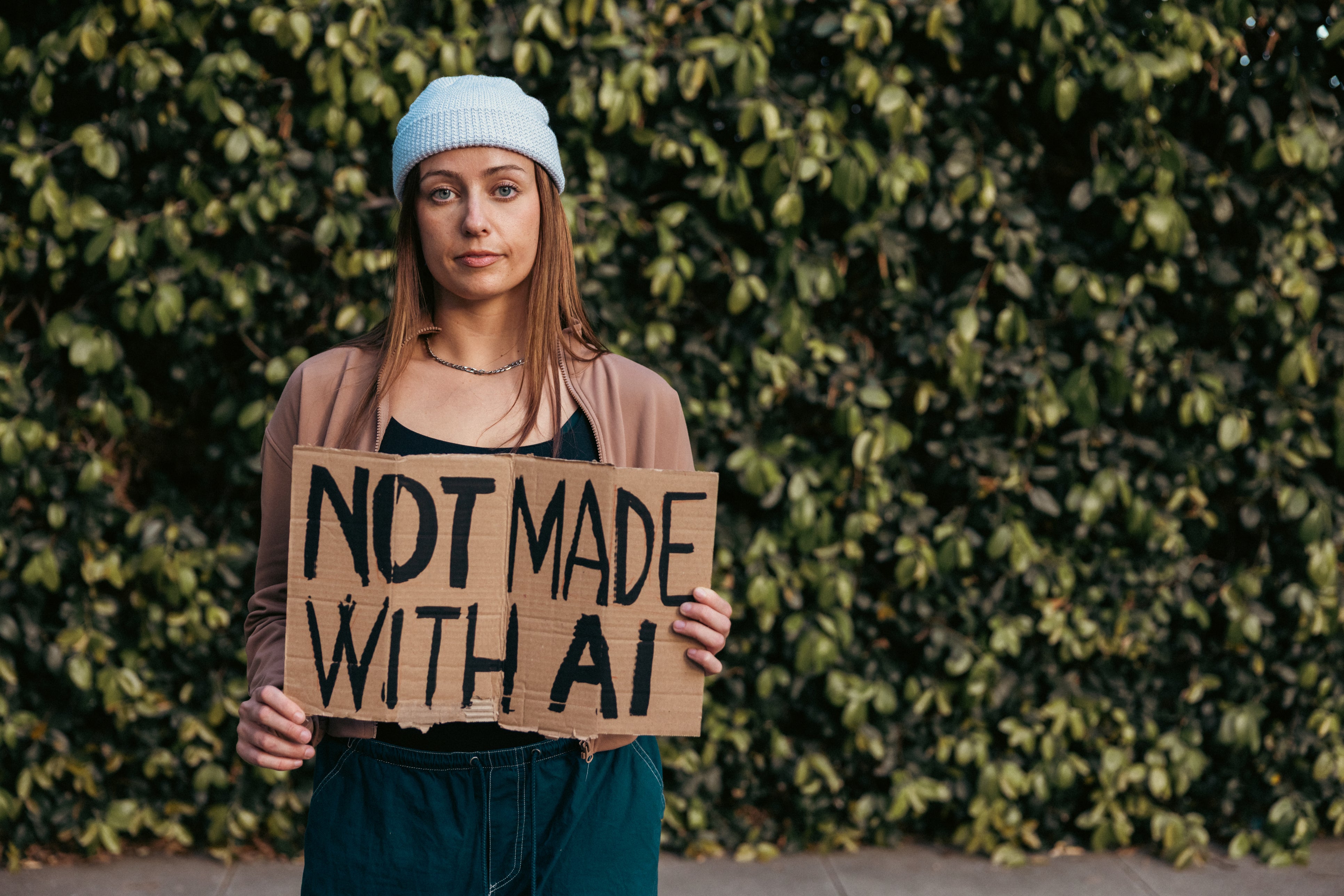
LinkedIn also claims that “AI is creating more jobs than it is replacing.”
But here’s AI engineer Matt Shumer, who shared a very different, and darker, view that went viral on X: “I am no longer needed for the actual technical work of my job. I describe what I want built, in plain English, and it just... appears. Not a rough draft I need to fix. The finished thing. I tell the AI what I want, walk away from my computer for four hours, and come back to find the work done. Done well, done better than I would have done it myself, with no corrections needed. A couple of months ago, I was going back and forth with the AI, guiding it, making edits. Now I just describe the outcome and leave.”
Here’s the kicker: “The experience that tech workers have had over the past year, of watching AI go from ‘helpful tool’ to ‘does my job better than I do’, is the experience everyone else is about to have. Law, finance, medicine, accounting, consulting, writing, design, analysis, customer service. Not in ten years. The people building these systems say one to five years. Some say less. And given what I've seen in just the last couple of months, I think ‘less’ is more likely.”
I’m a disabled worker with health conditions who, despite having been left with multiple challenges from getting run over by a truck, went back to work two weeks after getting out of hospital. My family was greatly concerned, but I’ve always been driven by a mix of determination and good old-fashioned bloody-mindedness.
The debate we’re having about sick and disabled workers, and “economic inactivity”, is maddening to me, because it’s frequently ill-informed, and dominated by politicians who turn a blind eye to the reality: many employers simply don’t want us, while the government systems supposedly designed to help aren’t working. Ask AI about the problems with the Access to Work scheme. Or just Google it.
Maybe sort that out before you start pontificating. Maybe have your HR department take dealing with “reasonable adjustments” seriously. Hiring disabled people mightn’t be as hard as you think. Just a thought. Tesco says it actually does a lot of this. Good. Spread the word!
Here’s what’s nasty: if Shumer is right, AI’s impact is going to sweep this aside. The jobs apocalypse is coming. It might already be with us.
The LinkedIn report cites the AI industry CEO Dario Amodei’s prediction that AI will eliminate 50 per cent of entry-level white-collar jobs within one to five years, “and many people in the industry think he's being conservative...It'll take some time to ripple through the economy, but the underlying ability is arriving now.”
Amodei’s advice is to learn to work with AI now and to incorporate it into your daily routine. Get ahead of the game, because the future is coming and it’s going to hit with the force of a bomb.
Within perhaps a year, we’re going to be in the middle of a quite different debate. I hope those contributing to it are more informed than many of those participating in the discussion about “inactivity” today – and, for the record, Prasad is not among the idiots, far from it.
Perhaps they should call upon an AI? It would almost certainly improve the quality of the discussion. But then again, in today’s Britain, maybe not.
This article was amended on 13 February 2026. It originally inaccurately stated that LinkedIn is owned by Meta. It is in fact owned by Microsoft.
Join our commenting forum
Join thought-provoking conversations, follow other Independent readers and see their replies
Comments
Bookmark popover
Removed from bookmarks