Why those calling for a teen social media ban need to check their privilege
While social media can be a toxic, lawless place, for many teenagers it has also become a valuable and much-needed resource. As the issue is debated in the House of Lords today, the adults calling for a ban on under-16s need to listen more closely to teenagers about what might happen if it is no longer there, argues Chloe Combi
Last week, the UK government scored an unusual victory against Big Tech. Grok, the AI tool on Elon Musk’s platform X (formerly the very different Twitter) was being used on an enormous global scale to create unconsented to and disturbing nudified pictures and videos, primarily of women and some children.
Taking an unusually hardline stance, Sir Keir Starmer stated in PMQT: “We will take the necessary measures. We will strengthen existing laws and prepare for legislation if it needs to go further, and Ofcom will continue its independent investigation.” Ofcom, the media regulator, launched an investigation and despite grumbling, the UK government was attempting to “suppress free speech”, limitations were finally placed on Grok’s image-generating capabilities.
It’s fair to say that both social media and AI don’t seem to be encouraging the better angels of humanity, placing vast amounts of power and wealth in the hands of a few men who seem to have anything but good intentions for the human race. After 20 years of warnings and now research on what this might be doing to our brains, naturally the biggest human concern is for the youngest generations – Gen A and Gen Z. Born into a world where they have never known anything different, play, hanging out and early teen romances have been framed in a world of the anxiety of social media and endless scrolling.
Following this clash, a total of 61 backbench Labour MPs, led by Fred Thomas, have now signed a letter backing the ban on social media for under-16s. Australia instigated the first-ever ban last month and Baroness Hilary Cass has added her support for the same to happen here saying: “Across our constituencies, we hear the same message: children are anxious, unhappy and unable to focus on learning. They are not building the social skills needed to thrive, nor having the experience that will prepare them for adulthood."
But so far, the loudest voices in this debate have been from the grown-ups. What do the under-16s, the Gen As, feel about it? With many of their objections often silenced with “they don’t know what’s good for them”, a debate on Wednesday in the House of Lords won’t even include the voices of young people.
Governments tend to be somewhat cavalier in their approach to young people, claiming they’re all about the kids when it suits them, but then completely ignoring them when it doesn’t. Banning or seriously limiting social media for under-16s is obviously something that will have profound consequences for younger generations, and giving them a say only seems fair.


Social media gets a bad rap, with the very real toxicity and bullying often cited as the biggest justifications for limiting its use, but millions of young people are keen to point out the positives. Pre-internet and social media, as a young person, your friendships, popularity and connections were defined by one thing – school and the friends you made therein. In the place where every child and teen are required to go to Monday to Friday, from roughly 9am to 3pm, there were fairly universal definitions of popularity, or being an outcast.
Good-looking, able-bodied, rich, straight kids with confidence tended to thrive in the popularity stakes. Kids who were a bit different, weird, alternative, gay, poor, disabled, gender-fluid, or those who didn’t fit into neat social boxes tended to have a much harder time.
Over the last 20 years, the sprawling and multifaceted nature of the internet and social media, particularly, has given many teens who exist outside rigid and often cruel social lines not just a lifeline, but entire parasocial structures that welcomed them with open arms and helped them make connections in their real lives.
GK*, 17 explains, “I’m non-binary, on the spectrum, and definitely don’t fit into a sexuality that is, like, ‘the norm.’ I’m well aware of the fact that if I'd been like I am, when my mum and dad were at school, I would have had a really hard time – and maybe worse. I was obsessed with Minecraft in primary, Stranger Things in Year 7 and 8, and now obsessed with Chappell Roan.
“Those things saved my life and not just because it gave me loads of friends online, but it also gave me friends in school. It gave me things to talk about and I connected with my friends over our shared interests. It scares me that governments want to take away those lifelines from kids without even thinking about the wider consequences.”

Luke agrees. “I was a quiet, fat, gay kid living in the countryside at school and was primed to be seriously bullied. My Taylor Swift community saved me. Some girls in my class who are massive Swifties and now my best friends in the world to this day clocked I was a massive fan, and we started hanging out online and then made friends at school.
They basically formed a Swift-shaped shield around me, and the boys left me alone because the girls were scarier. That online community was the difference between me being here and maybe me not being here.”
One of the major criticisms of the growing “screen-free childhood” movement is that it is a movement defined by privilege – and there is some truth to that. Parents and carers who are time and wealth-rich have more scope and access to spaces that ensure their children and teens have more time away from screens.
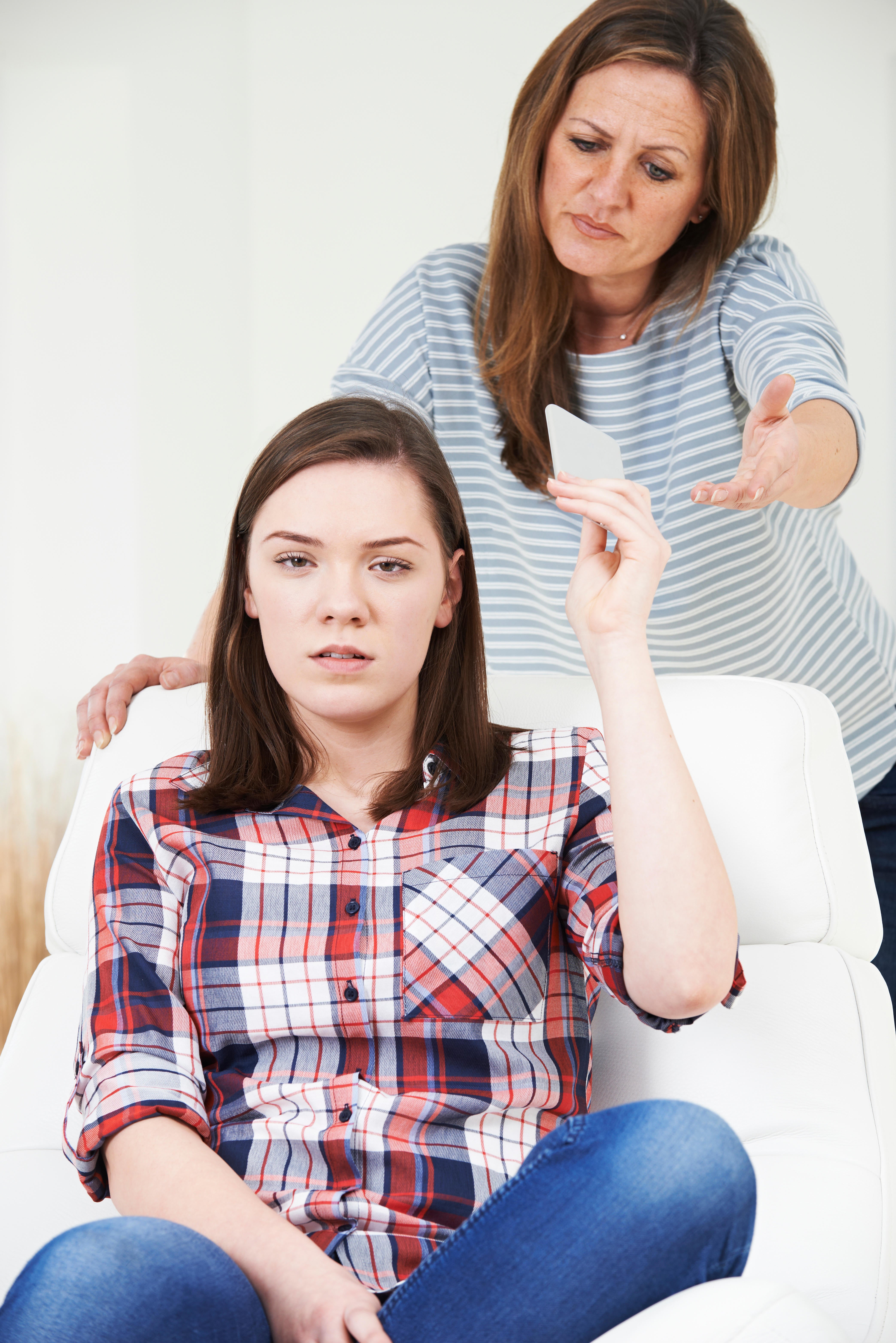
What is often overlooked is the millions of young people who don’t have easy access to safe, third spaces, nor parents who have the resources to provide their children with endless IRL entertainment and hobbies. With parks, libraries and youth clubs being cut from communities entirely and hobbies for kids getting ever more expensive, there is a real prospect that removing access to online spaces could further disadvantage the most disadvantaged.
Monica, 19, is reading politics and philosophy at Durham University and believes her social media and online connections were a major factor in enabling her to excel and move up from her deprived background and school in the Midlands, where few go on to higher education.
“My family are skint, no one went to university and my school, has something like a 29 per cent pass rate at GCSEs. We didn’t even have a maths or science teacher for my whole GCSE years, and teachers wouldn’t last for more than a term. The behaviour was so awful. I basically taught myself the whole of the GCSE and A-Level curriculum using YouTube, TikTok, ChatGPT, X and TedTalks and podcasts. I’m begging the government to think about who will really lose out if they ban social media. There are millions of kids who really do use social media to learn, to connect and feel like they matter.”
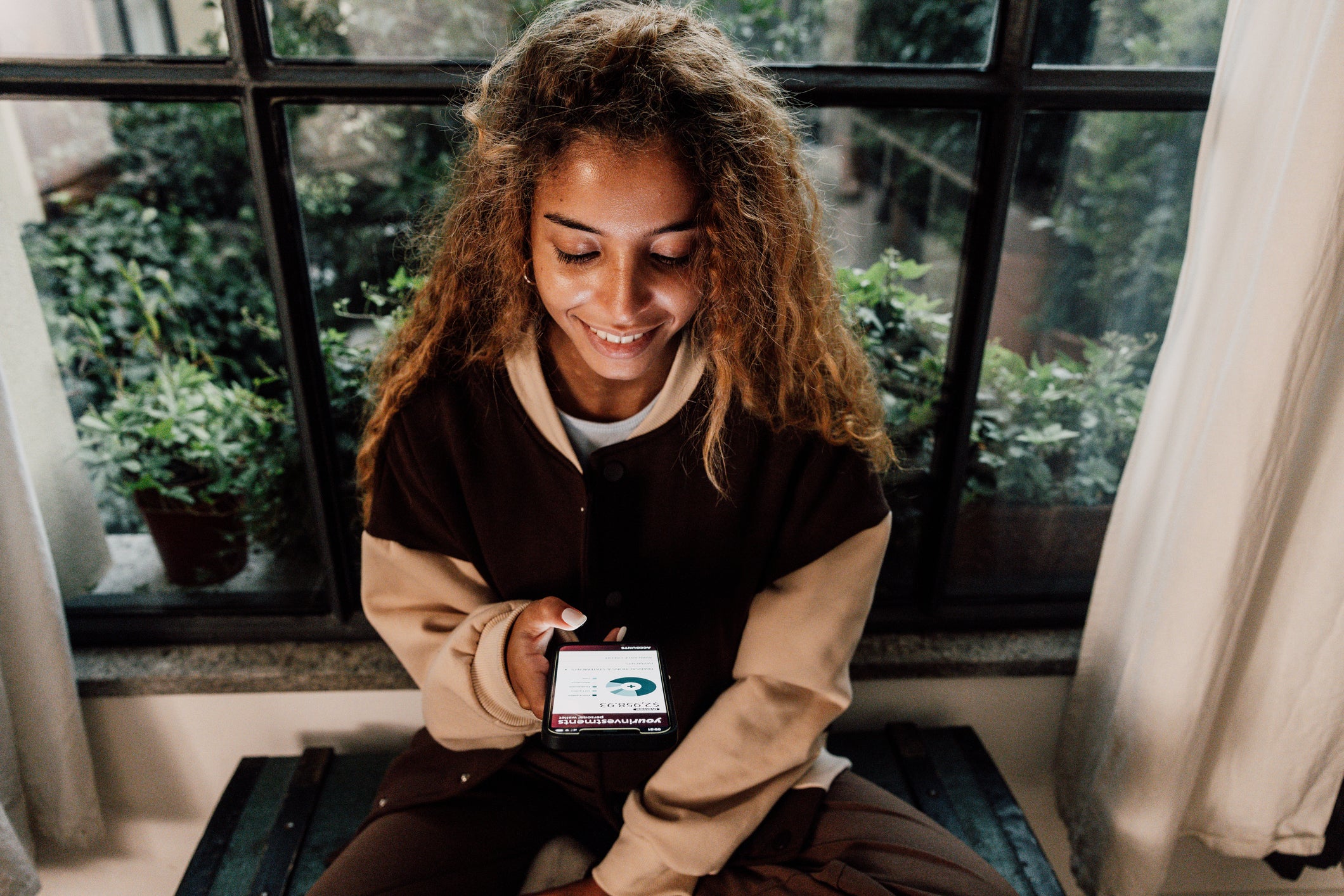
Monica’s plea is one worth pondering and is absolutely the reality for millions of young people. People often sneer at the youthful defence of the internet and social media being a social and educational lifeline, but it really can be. Charles, 16, started playing chess online after getting interested in it via people he follows on TikTok. His story underlines how vital online communities can be for kids who are alienated or lonely: “I don’t have any friends where I live. There’s nothing to do and I worry about all the crime. There’s two options where I live. Be a footballer or be a criminal.
“School is a non-starter. I hate it. It’s like being in a prison, but I don’t know what job to do, and teachers don’t know what to tell us. I started following Magnus Carlsen [a Norwegian chess grandmaster], and it’s opened up a new world for me. I know it sounds all over the top, but it’s given me a reason to get up and some hope. I want to be a chess grandmaster too, and I spend all my time now thinking of chess and talking about it with people all over the world.”
The online world and social media platforms in particular are currently lawless places that seed an awful lot of misery and huge chasms socially, politically and culturally. But it might be sensible to wait until we have enough data from the Australian ban to make any decisions about a ban in the UK.
.jpeg)
Many adults don't understand that the “social” aspect to social media is an absolute reality for millions of young people who can depend on it for all kinds of connections. Removing it entirely risks creating a void, and a void that could impact the most vulnerable. If governments are serious about banning social media, they need to also explain what they are planning to put in place that will ensure millions of kids who genuinely depend on it for connection aren’t abandoned. It’s all very well telling teenagers to go outside and do something more interesting than scrolling, but not if there is nowhere safe for them to go.
To show real concern for young people in the UK, there would be renewed investment in safe third spaces, affordable, accessible resources and activities for them, so it isn’t just privileged teenagers who have access to extracurricular activities. Are all those calling for a ban now, really interested in taking up that challenge?
*some names have been changed
Join our commenting forum
Join thought-provoking conversations, follow other Independent readers and see their replies
Comments
Bookmark popover
Removed from bookmarks