The Supreme Court struck down Trump’s tariffs - here’s what it means for your wallet
‘Today’s ruling is expected to provide significant long-term relief to consumer wallets,’ one expert predicted
The Supreme Court ruled that President Donald Trump was not authorized to impose global tariffs, challenging what has been a cornerstone policy in the president’s economic agenda.
The court struck down the tariffs by a 6-3 vote, noting that the Trump administration unlawfully imposed the tariffs by using the International Emergency Economic Powers Act. Trump has long pushed tariffs as a way to balance the trade playing field for America. But others have warned that the tariffs, which are import costs often passed on to the consumer, could lead to price hikes and inflation.
Now, with the court’s decision, the average consumer might wonder what’s ahead for their wallets. Will tariffs end, and would it lead to lower prices on consumer goods and services?
Will the tariffs actually end?
It’s unclear if Trump will withdraw the tariffs. His administration has been working behind the scenes to find alternative ways to justify the tariffs should the Supreme Court strike them down. Those alternatives are likely to surface in the coming weeks and may lead to a prolonged battle over ending the tariffs.
“The immediate response is going to be wait and see, and I’d say ‘buckle up’ as we are not done yet,” said Dr. Rebecca Homkes, an economist and professor at London Business School. “The administration will quickly invoke alternative legal measures.”

Will prices drop?
In theory, prices for consumer goods would drop based on what’s already known about how tariffs impact consumers.
Consumers are covering around 70 percent of the costs that businesses incur because of the tariffs, a report from the Congressional Budget Office found. Additionally, businesses such as Birkenstock have said that their pre-tariff inventory has run out, now leaving them with the brunt of the tariffs’ blow.
If any price drops are on the way, they won’t happen immediately, Homkes said in an email to The Independent.
“The ruling today will not have any immediate impact on pricing,” she said. “It will likely temper inflation in the near term and perhaps keep price levels more steady, but consumers should not anticipate an immediate or noticeable decline in prices.”
Additionally, any refunds that retailers may get for tariffs already paid could take years to trickle down to the consumers, said Amanda Mosseri Oren, vice president of industry strategy, grocery, at supply chain specialist RELEX.
“Retailers will be waiting to see if new laws are put in place and what those laws [look] like as it relates to tariffs before responding,” Oren said in an email to The Independent. “If refunds are issued to retailers, it will likely take months to years, so consumers shouldn’t expect to see prices drop on imported goods in the short term.”

That being said, Oren believes today’s court decision will benefit consumers over the long haul.
“Today’s ruling is expected to provide significant long-term relief to consumer wallets, easing cost pressures on imported goods categories, which could translate into meaningful annual savings for households, particularly for products like electronics, apparel and home goods,” she said.
Will businesses get a tariff refund?
It’s not clear if businesses will receive refunds for the tariffs they’ve already paid. Some 60 percent of small businesses have said that tariffs increased their costs, according to Morningstar. Additionally, nearly four out of 10 small businesses said they’ve put off spending and slowed hiring because of the tariffs’ impact on their bottom line.
If the administration is required to issue refunds to businesses that paid tariffs, the process could take an extended period of time, Morningstar noted.
“Small businesses do not have the luxury of waiting years for reimbursement,” it wrote. “They pay tariffs upfront when goods clear customs, often weeks before receiving payment from customers. If refunds are slow - or don't come at all - some will not survive.”
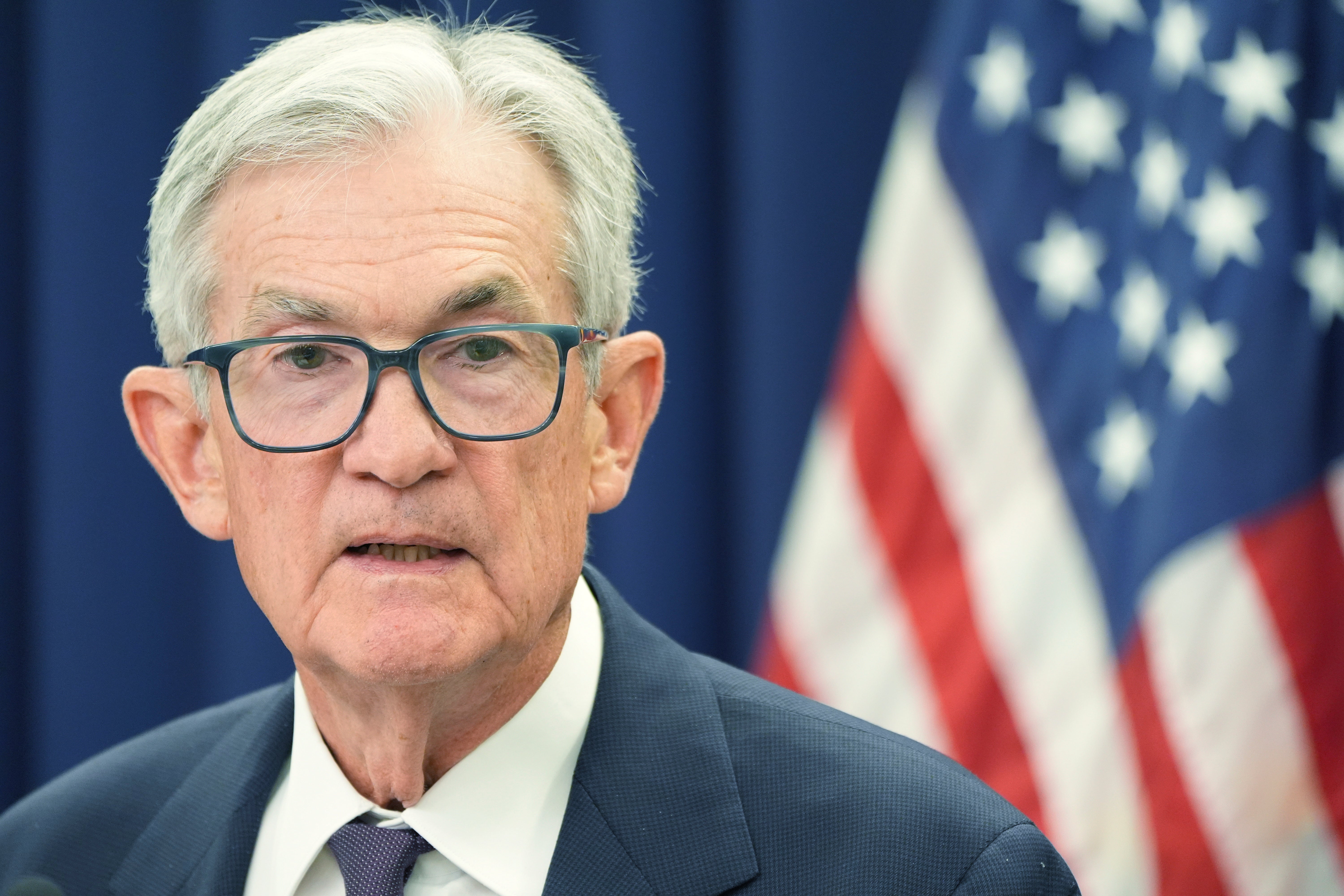
How will the Federal Reserve respond?
The Federal Reserve has taken a cautious approach to rate changes as it watches the impact tariffs have on the economy.
Rate changes tend to benefit consumers by lowering the cost of borrowing for purchases such as loans and credit cards. However, the economic activity that rate cuts create could potentially cause inflation to increase, according to nonpartisan policy research group Brookings.
So, what might the Fed decide to do about rates at its meeting next month?
“The Federal Reserve will stay quiet in the near-term, though this will factor into their March meeting decision in terms of inflation expectations,” Homkes said.
CME FedWatch, a respected tool that predicts changes to the Fed rate, showed a 96 percent chance Friday that the Fed would hold rates where they are at its next meeting.
Join our commenting forum
Join thought-provoking conversations, follow other Independent readers and see their replies
Comments
Bookmark popover
Removed from bookmarks