How to have a ‘No Buy’ 2026
‘When it comes to money resolutions, one should refer to the Oscar Wilde quote ‘Everything in moderation, including moderation’, one expert said
If you haven’t heard of “No Buy” 2026, it’s only a matter of time.
The minimalist personal finance approach (also dubbed No Spend) extols radical spending regulation and, in some cases, cutting out all unnecessary purchases to reach goals like paying off debt, buying a home or car - or simply consuming less.
At the beginning of year, and after the excesses of the holiday season, the concept is perhaps predictably trending, garnering millions of views across social media platforms such as TikTok, Instagram, and YouTube.
While the categories for what’s allowed and not allowed vary, there are common themes. Necessities such as food, groceries, medicine, and utilities, are usually included as “do-buy” items. No-buy items often include clothing, jewelry, makeup, home decor, and electronics like tablets and TVs. Exceptions are often allowed for items that break, or those you need for your job.
As with all money trends, the approach has its pros and cons.
“When it comes to money resolutions, one should refer to the Oscar Wilde quote ‘Everything in moderation, including moderation,’” said Dr. Robert R. Johnson, a professor of finance at Creighton University. “With money resolutions, certainly balance is key. But, even the strict practice of moderation needs occasional breaking for fun, experience, or to avoid becoming overly rigid or restrictive in life.”
Americans tend to lack follow-through on their New Year’s financial resolutions - 83 percent fail in part (or all) of what they commit to. So experts agree that no-buy movements might be worth exploring.

Learn to love what you’ve got
One of the strengths of the no-buy movement is that it reframes how you value what you have, said Melanie Musson, an insurance and finance expert at Clearsurance.com.
Strict financial guardrails keep your spending in line. As you avoid impulse purchases, you may realize what you already have is enough - contentment over keeping up.
“Following no-buy principles helps people appreciate what they already have and learn to be content without a new dopamine hit every time they make a purchase,” Musson told The Independent via email.
That denial of dopamine-driven buying has another benefit, she said - gratitude.
“Following through on No Buy 2026 would be transformative for consumers. It would stop the habit and pattern of impulse buying and overspending,” Musson said. “It would help people be thankful for what they have and find joy in life, without spending.”
Monitor your credit scores effortlessly.
Create an account today.
Terms and conditions apply.
ADVERTISEMENT
Monitor your credit scores effortlessly.
Create an account today.
Terms and conditions apply.
ADVERTISEMENT
Your savings will thank you
Another key benefit of the no-buy movement is it can help you hit your savings goals. By restricting spending, you free up cash that you can move to a savings account or investment, said Erica Sandberg, consumer finance expert at personal finance site BadCredit.org.
“It can be very powerful to refine your budget and live modestly for a specific time period,” Sandberg told The Independent in an email. “For example, you may set your sights on saving $500 in a month by eliminating going out to dinner and drinks, not buying clothes, and staying off e-commerce platforms that make overspending far too easy.”
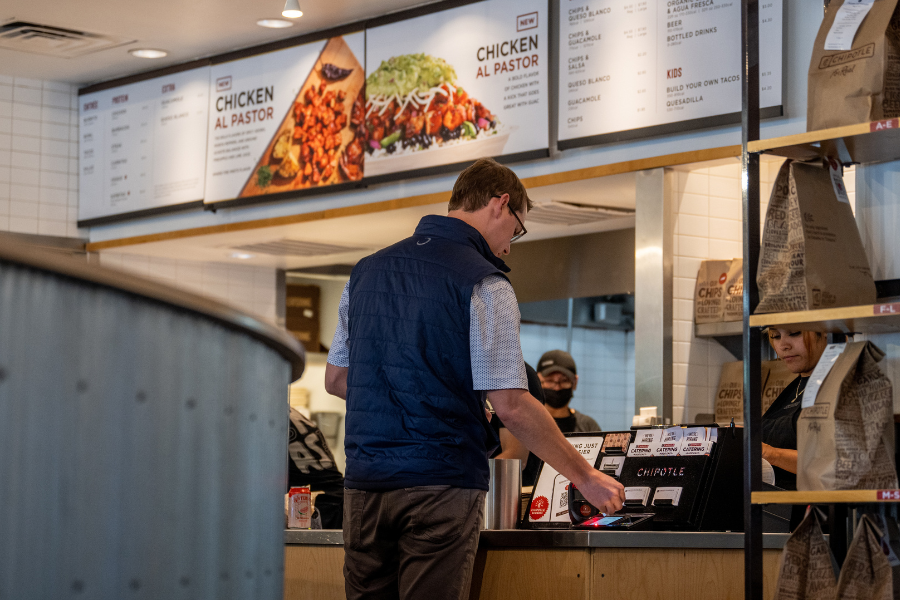
And like gratitude from controlling your spending, meeting a savings goal has psychological benefits, too, Sandberg said.
“When you hit your goal, you can feel proud of your achievement. Now you know your strengths,” she said. “Also, when you allow yourself to loosen up your spending, doing things like going out for a restaurant meal can feel special again.”
Power of the people
Sandberg also noted another benefit of movements such as No Buy 2026 - collective belonging. Feeling like you’re part of something bigger, can have an impact on your spending success.
“Spending on things that you don't really need is a waste and hurts other goals you may have, such as saving for a car or home,” she said. “But joining other people who are doing the same thing can offer valuable support.”
Beware of beating yourself up
A big downside of the No Buy movement is also the thing that makes it powerful - restrictiveness. However, No Buy has an offshoot strategy called “low-buy” that has more lax rules - but if you’re intent on going full throttle, be careful, Sandberg said. It can introduce counterproductive guilt.
“When you draw budgeting lines in ink rather than in pencil, deviating can feel wrong even when you do want or need to spend more,” she said.
If you attach your participation to an ethical standard, such as pushing back against overconsumption, failing can spur ethical guilt, too.
“There’s an emotional downside,” she said. “If you're spending less because you don't want to be part of an overconsumption culture, and then you do splurge, it can make you feel guilty or unethical.”
Getting started
It’s helpful to begin with two steps: defining your financial goals for 2026, and creating a two-column list under the headers “do buy” and “no buy.”
Financial goals might be contributing the maximum amount to your IRA for the first time or saving for a down payment on a house. Regardless of what you want to achieve, it will give you the “why” to refer back to as motivation during the tough moments of temptation during your No Buy 2026.
Then list the items you’ll allow yourself to buy, and not buy either on a sheet of paper or in a note on your phone or laptop. Keep it somewhere prominent for easy access.
Supplement the list with some practical tactics. For example, if restaurants and fast-food are on your no-buy list, come up with weekly meal plans and get to the grocery store so you’re not caught out with nothing for dinner.
Pinpoint the days or times in the week when you’re likely to make the purchases on your No Buy list. Partial to a Starbucks cappuccino on your morning commute? Make a great coffee at home and bring with you. Are family activities one of your major spends? Try getting outdoors, visiting friends or raiding the games or art project cupboard for some no or low-spend options.
Finally, there are dozens of No Buy influencers and community pages on social media that can help keep you accountable and encourage your success. For example, Reddit’s r/nobuy community typically has multiple posts a day from those doing no-buy and can be a great resource as you formulate and fine tune your strategy.
Join our commenting forum
Join thought-provoking conversations, follow other Independent readers and see their replies
Comments
Bookmark popover
Removed from bookmarks