Royal Caribbean suspended trips to popular Caribbean island because of ongoing violence
The U.S. State Department warns against travel to Haiti with a Level 4 ‘do not travel’ advisory due to extreme crime


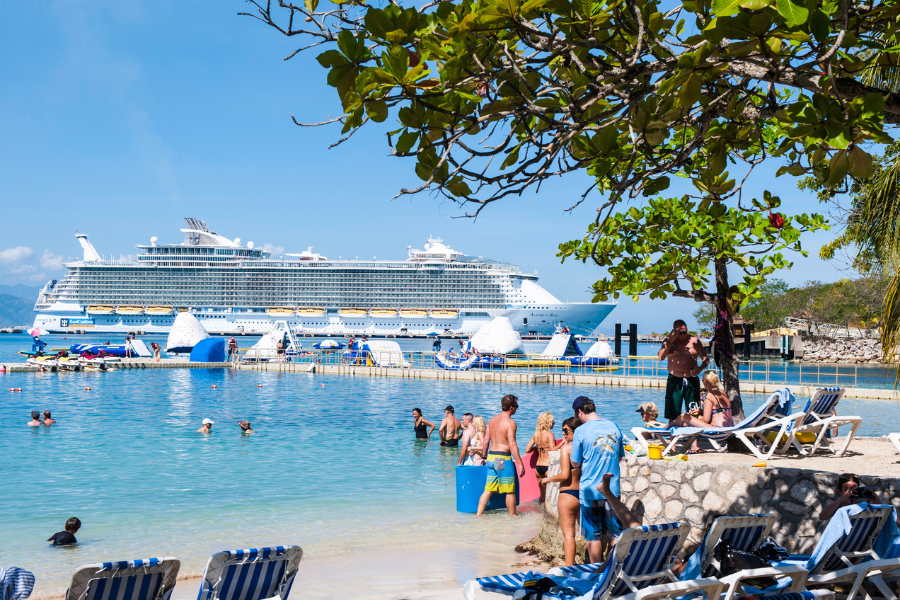
Royal Caribbean will not sail to its private resort destination of Labadee, Haiti, for the remainder of 2026, extending a suspension that has been in place since 2024 amid ongoing safety and security concerns in the country.
Labadee, located on Haiti’s northern coast and exclusively used by Royal Caribbean Group ships, including Celebrity Cruises and Azamara, was previously removed from itineraries through May 2026.
“Out of an abundance of caution, we have extended our pause to Labadee through December 2026,” the cruise line’s parent company, Royal Caribbean Group, told USA Today in a statement.
The Independent has also contacted Royal Caribbean for comment.
Royal Caribbean last stopped at Labadee in early 2025 after suspending visits in March 2024, when escalating gang violence put Haiti under a state of emergency and prompted a U.S. Level 4 “do not travel” advisory, its highest rating.
“Crimes involving firearms are common in Haiti,” the alert said. “They include robbery, carjackings, sexual assault, and kidnappings for ransom. Do not travel to Haiti for any reason.”
No other cruise lines are currently travelling to Haiti. Should travelers find themselves in Haiti, the advisory urges them to avoid crowds and demonstrations, plan lodging and transportation in advance, and have independent evacuation plans separate from the help of the U.S. government. Additional guidance is available online.
Gang violence in Haiti has fueled a severe humanitarian crisis marked by widespread violence, hunger and displacement. The instability traces back to the 2021 assassination of President Jovenel Moïse, which allowed gangs to seize control of much of Port-au-Prince, Haiti’s capital, and continue expanding their influence across the country.
In October 2025, the United Nations approved a new gang suppression force to address Haiti’s security crisis, but past missions, including an underfunded 2024 effort, had limited impact.
To help those in need, the UN rolled out Haiti’s 2026 Humanitarian Response Plan in December, aiming to reach 4.2 million people struggling with violence, displacement, food shortages and collapsing services.
The $880 million plan will provide lifesaving aid, improve access to essential services in the most severely affected areas, and support communities under extreme pressure, according to the organization.
Join our commenting forum
Join thought-provoking conversations, follow other Independent readers and see their replies
Comments
Bookmark popover
Removed from bookmarks