Three flight attendants severely injured after air traffic controller failed to warn of turbulence, report says
The report, by the National Transportation Safety Board, says the incident happened on a flight arriving at Newark from Los Angeles
An air traffic controller violated Federal Aviation Administration procedures by failing to pass along a turbulence warning to a flight approaching Newark Liberty International Airport, which contributed to severe injuries to three flight attendants, a final report released Tuesday by the National Transportation Safety Board found.
The incident involved United Airlines Flight 1890, a Boeing 777 descending from Los Angeles to Newark on February 10, 2024. The aircraft encountered sudden and violent turbulence during its approach. The unexpected jolt was so severe that flight attendants were thrown about the cabin, suffering broken bones and a serious head injury, according to investigators.
One flight attendant was hurled into the ceiling and then slammed to the floor, sustaining a spinal fracture. Two others lost consciousness and suffered major injuries, including a shattered femur and head trauma. Passengers and crew members who were not wearing seatbelts were also thrown upward, including an adult inside a lavatory and an infant being held, the report said.
NTSB officials said their two-year investigation found the flight crew had reviewed weather forecasts and monitored onboard weather tools during the descent. However, without a real-time pilot report warning of turbulence ahead, the crew had limited ability to anticipate the dangerous conditions and further prepare the cabin.
The report said the aircraft flew into unstable air despite forecasts for thunderstorms and unsettled weather in the region. The plane’s onboard radar and weather systems did not indicate “significant turbulence activity along their descent path,” leaving the crew without clear warning of what lay ahead.
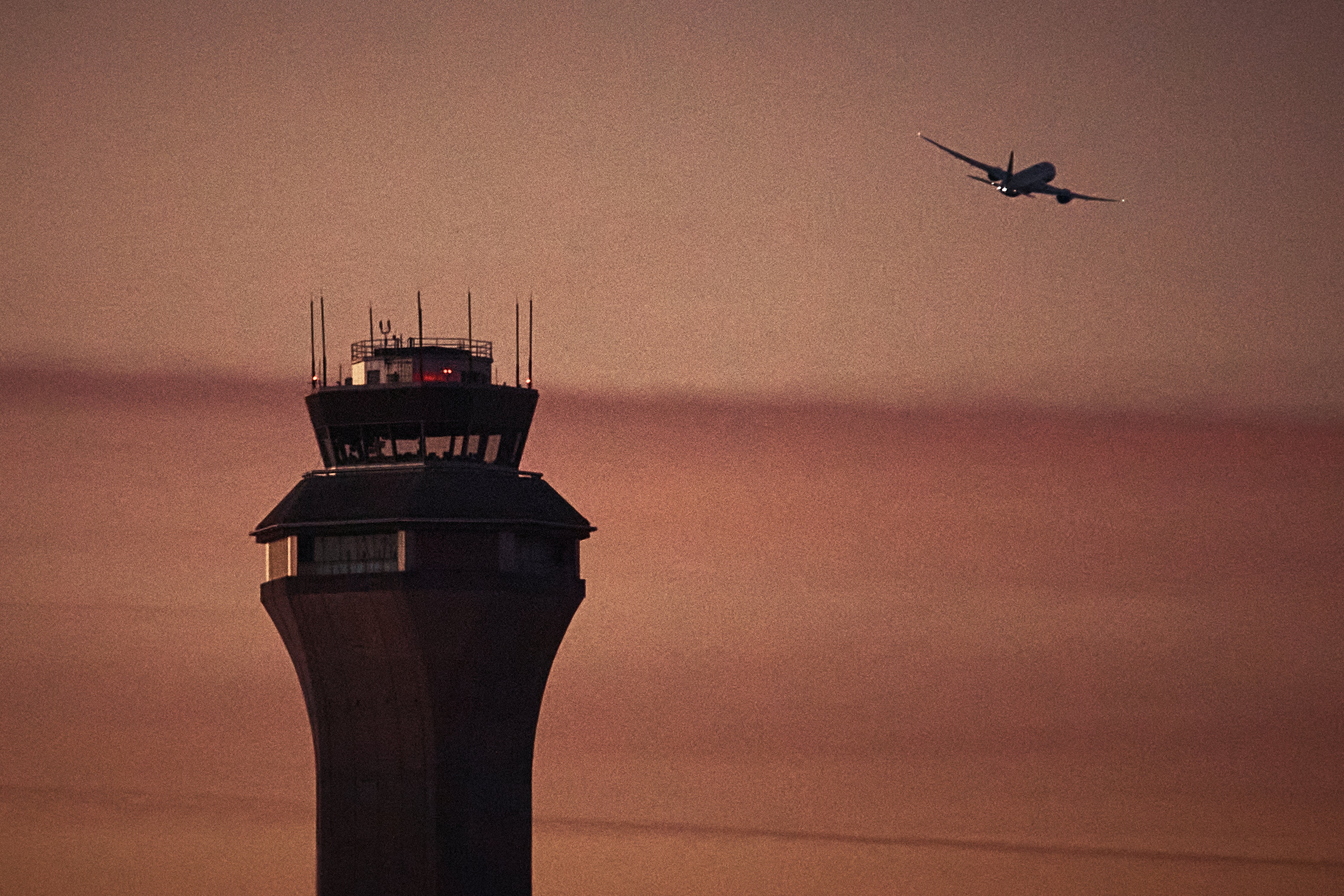
About three minutes before Flight 1890 encountered the violent turbulence, another aircraft in the same area reported moderate turbulence to an air traffic controller. That report was not relayed to the United crew.
The controller told investigators they did not hear the pilot’s weather report and were “completing other coordination.”
The NTSB said the controller, who was based in Boston, failed to acknowledge or disseminate the report to other aircraft, as required under FAA procedures.
Under FAA rules, controllers are required to actively solicit and share Pilot Weather Reports, known as PIREPs, particularly when moderate or greater turbulence is reported. These real-time reports are meant to alert pilots to hazardous conditions so they can adjust routes, secure the cabin or take other precautions to protect passengers and crew.
Failure to solicit and share PIREPs can lead to legal liability for negligence. However, NTSB’s report in this case includes an explanation that the Board investigates accidents and incidents purely to figure out what happened and improve transportation safety.
These investigations are not about assigning blame or pointing fingers, and they do not involve formal charges or legal disputes, the report states. NTSB’s reports are also not meant to determine anyone’s rights or liabilities, and cannot be reported as evidence in civil lawsuits for damages related to the incident.
Newark Liberty International Airport declined to comment when contacted by The Independent.
The Independent has contacted the National Air Traffic Controllers Association for comment.
Join our commenting forum
Join thought-provoking conversations, follow other Independent readers and see their replies
Comments
Bookmark popover
Removed from bookmarks