The countries the US government says are too dangerous for Americans
Some countries are deemed by the US Department of State to be no-go zones, with travelers told that they’re likely to be beyond help if they risk visiting
Choosing which country to take a vacation in is often a tough decision. But the choice can be narrowed by paying attention to advice from the U.S. Department of State.
For travelers, it divides countries into four categories, from Level 1 (safest) to Level 4 (most dangerous). Level 4 countries come with a “do not travel” warning and can be found across Africa, the Middle East, Asia, Europe and South America.
These nations are often war-torn and have extremely high levels of crime and terrorism. What’s more, they often lack U.S. embassies, and many insurance policies exclude coverage.
.jpeg?quality=75&width=230&crop=3%3A2%2Csmart&auto=webp)


Level 3 countries, which include several popular vacation destinations, aren’t deemed out of bounds, but travel to them, says the U.S. government, should be “reconsidered.”
Here are the current Level 3 and 4 countries:
Department of State’s Level 4 ‘do not travel’ countries and territories
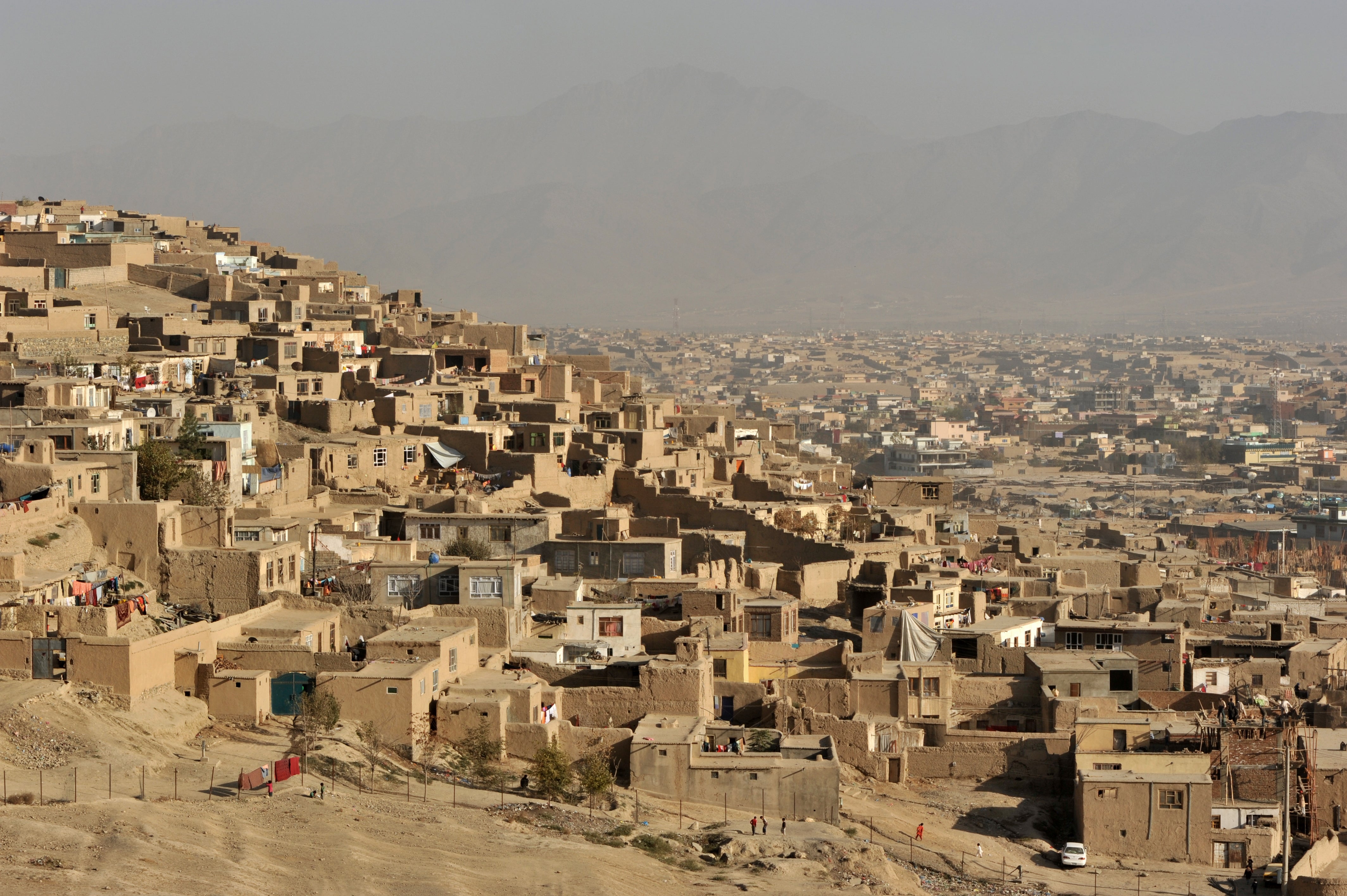
- Afghanistan — “The security situation is extremely unstable and the threat to U.S. citizens remains critical. The U.S. Embassy Kabul suspended operations on August 31, 2021.”
- Belarus — “Do not travel due to unrest and other risks. The U.S. government has extremely limited ability to help detained U.S. citizens. You could also face arbitrary detention with no contact with the outside world.”
- Burkina Faso — “Terrorists may attack anywhere with little or no warning and may utilize various tactics including the use of common, commercially available items or the use of kidnapping for ransom.”
- Burma (Myanmar) — “Armed conflict, the potential for civil unrest, arbitrary enforcement of local laws, poor health infrastructure, land mines and unexploded ordnance, crime, and wrongful detentions.”
- Central African Republic — “Unrest, landmines and violent crime are common. It includes homicide, kidnapping, armed robbery, aggravated battery, and larceny.”
- Gaza (territory) — “Terrorism and armed conflict.”
- Haiti — “[It] has been under a State of Emergency since March 2024. Crimes involving firearms are common in Haiti. They include robbery, carjackings, sexual assault, and kidnappings for ransom.”
- Iran — “Risk of terrorism, unrest, kidnapping, arbitrary arrest and wrongful detention. There is no U.S. Embassy in Iran. U.S. citizens in Iran should leave immediately.”
- Iraq — “U.S. citizens in Iraq face violence and kidnapping. Terrorist and insurgent groups regularly attack Iraqi security forces and civilians. Anti-U.S. militias threaten U.S. citizens and international companies.”
- Lebanon — “Due to crime, terrorism, civil unrest, kidnapping, unexploded landmines, and the risk of armed conflict.”
- Libya — “There is a risk of terrorist violence, including terrorist attacks and other activity in Libya. Kidnapping is widespread, and victims have included U.S. citizens.”
- Mali — “Violent crime is common throughout Mali. Crimes include kidnapping, assault, armed robbery, home invasion, and carjacking.”
- Niger — “A state of emergency and movement restrictions are in place in many regions throughout the country. Terrorists continue to plot attacks and use kidnapping for ransom as a business model.”
- North Korea — “North Korea has subjected U.S. citizens to arbitrary entry and exit bans, expulsions, arrests, and other actions.” If you go, the State Department advises travelers to “draft a will.”
- Russia — “Russian officials often question and threaten U.S. citizens without reason. Russian security services have arrested U.S. citizens on false charges. They have denied them fair treatment and convicted them without credible evidence.”
- Somalia — “Violent crime is common throughout Somalia, including kidnapping and murder. Illegal roadblocks are widespread. Terrorists continue to plot kidnappings, bombings, and other attacks.”
- South Sudan — “Armed conflict, crime, and kidnapping.”
- Sudan — “Violent crime is common. This includes carjackings, shootings, ambushes, assaults, robberies, and kidnappings. Armed conflict is ongoing and includes fighting between various political and ethnic groups. Weapons are readily available to the population.”
- Syria — “Syria has experienced active armed conflict since 2011. No part of Syria is safe from violence. Hostage taking, terrorism, unexploded ordnance, and aerial bombardment pose significant risk of death or serious injury.”
- Ukraine — “Frequent shelling, missile and drone attacks on populated areas and civilian infrastructure by Russia.”
- Venezuela — “High risk of wrongful detention, torture in detention, terrorism, kidnapping, arbitrary enforcement of local laws, crime, civil unrest, and poor health infrastructure. All U.S. citizens and Lawful Permanent Residents in Venezuela are strongly advised to depart immediately.”
- Yemen — “Due to terrorism, unrest, crime, health risks, kidnapping, and landmines.”
Department of State’s Level 3 ‘reconsider travel’ countries and territories
These are countries with high crime rates and often specific “do not travel” zones.
- Bangladesh — avoid Khagrachari, Rangamati, and Bandarban Hill Tracts districts (collectively known as the Chittagong Hill Tracts).
- Burundi — avoid the former Central Market located on Chaussee Prince Louis Rwagasore in Bujumbura, Cibitoke and Bubanza provinces, and Kibira National Park.
- Colombia — avoid Arauca, Cauca (excluding Popayán), Norte de Santander departments and the Colombia-Venezuela border region.
- Chad — avoid Lake Chad, and borders with Cameroon, Central African Republic, Libya, Niger, Nigeria, and Sudan.
- Democratic Republic of the Congo (D.R.C) —North and South Kivu; Ituri province; Tanganyika, Haut Lomami, and the three Kasai provinces (Kasai, Kasai-Oriental, Kasai-Central); as well as Mai-Ndombe province.
- Ethiopia — avoid Tigray Region; Afar–Tigray border areas; Amhara Region; Gambella Region; Benishangul-Gumuz Region; Oromia Region; Southern Nations, Nationalities, and Peoples’ (SNNP) Region; Somalia border areas; Sudan border areas; South Sudan border areas; and Kenya border areas.
- Guatemala — avoid San Marcos Department (except the city of San Marcos); Huehuetenango Department (except the city of Huehuetenango); Zone 18 in Guatemala City; and the city of Villa Nueva.
- Guinea-Bissau — “Landmines and unexploded ordnance from prior conflicts exist throughout Guinea-Bissau. Riskiest areas are Bafata, Oio, Biombo, Quinara, and Tombali.”
- Guyana — violent crime, including murder and armed robbery, is common.
- Honduras — avoid Gracias a Dios Department.
- Israel — avoid areas within 2.5 miles of the Lebanese, Syrian, and Egyptian borders.
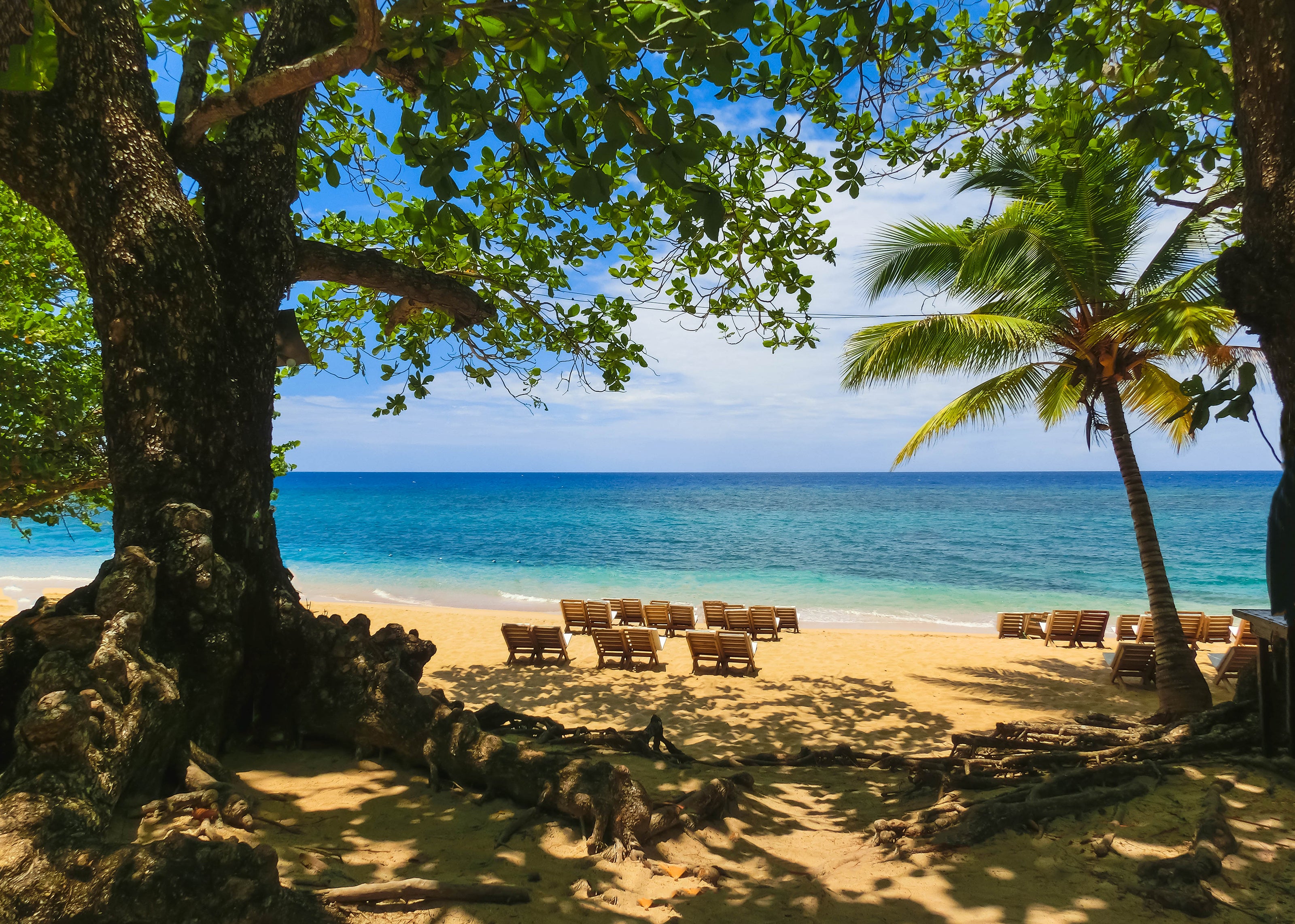
- Jamaica — avoid St. Ann’s Parish; St. Catherine’s Parish; Clarendon Parish; St. Elizabeth’s Parish; Hanover Parish; St. James Parish (including Montego Bay); Kingston and St. Andrew Parish; Manchester Parish; St. Thomas Parish; Trelawny Parish; and Westmoreland Parish.
- Mauritania — "The government of Mauritania designates certain areas off-limits to foreigners and most Mauritanians. These “No Movement Zones” are very dangerous. They are near Mali, where armed groups are fighting an active insurgency."
- Nepal — “Reconsider travel to Nepal due to civil unrest.”
- New Caledonia (France) — “Protests, demonstrations, tire burning, and roadblocks are frequent, unpredictable, and have turned violent.”
- Nicaragua — “Due to arbitrary enforcement of laws, the risk of wrongful detention, and limited healthcare availability.”
- Nigeria — avoid Borno State; Yobe State; Kogi State; northern Adamawa State; Bauchi State; Gombe State; Kaduna State; Kano State; Katsina State; Sokoto State; Zamfara State; Abia State; Anambra State; Bayelsa State; Delta State; Enugu State; Imo State; and Rivers State (excluding Port Harcourt).
- Papua New Guinea — avoid Central Bougainville, particularly areas near the Panguna mine, the Highlands region, other than the towns of Mt. Hagen and Goroka.
- Pakistan — avoid Balochistan Province; Khyber Pakhtunkhwa (KP) Province, including the former Federally Administered Tribal Areas (FATA); and the immediate vicinity of the India–Pakistan border and the Line of Control.
- Tanzania — "Due to unrest, crime, terrorism, and targeting of gay and lesbian individuals."
- Trinidad and Tobago — avoid Laventille; parts of Charlotte Street (between Oxford Street and Park Street); Piccadilly Street; Besson Street; Beetham; Sea Lots; Cocorite; the interior of Queen’s Park Savannah; and downtown Port of Spain (at night), as well as the Fort George overlook and all beaches after dark.
- Uganda — “Reconsider travel to Uganda due to crime, terrorism, unrest, and laws targeting persons based on sexual orientation.”
Read more: Seven tiny European nations you must visit in 2026
Join our commenting forum
Join thought-provoking conversations, follow other Independent readers and see their replies
Comments
Bookmark popover
Removed from bookmarks