Why Grand Cayman is so much more than a hedge fund hideaway
On this Caribbean isle Robin McKelvie discovers low-key resorts, well-priced local dining and rare wildlife
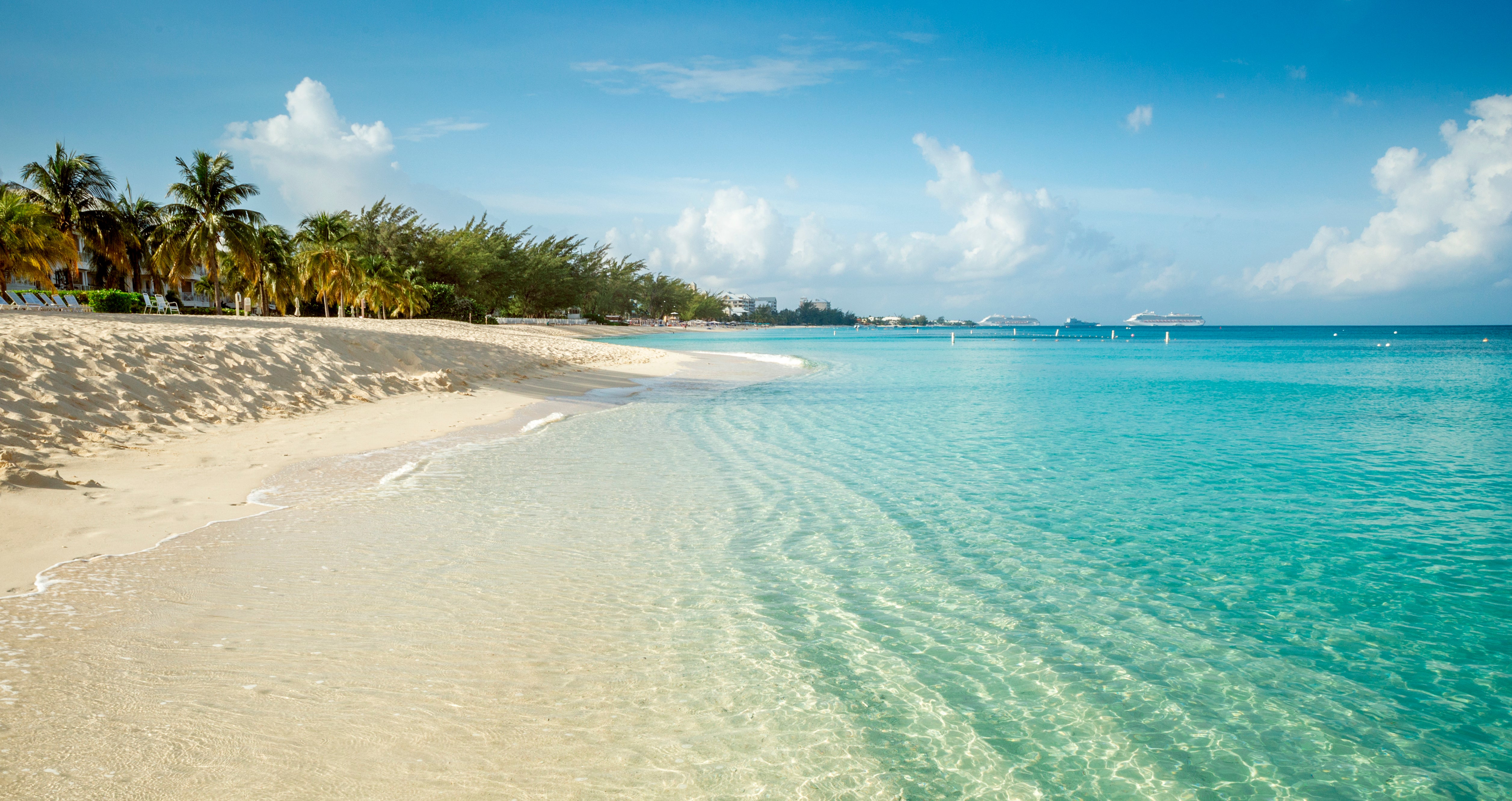
It’s hard to resist a dish of 10 chunks of fried fresh mahi mahi, especially when it costs just $10 and comes served with fries at a table in the sands overlooking the Caribbean Sea. Forget hedge funds and offshore accounts, Grand Cayman is the savvy traveller’s Caribbean isle of choice.
Think top-notch food. Think low-key resorts and superb snorkelling. Think a famous cocktail invented here and hulking blue iguanas you’ll find nowhere else in the world.
It’s no surprise that many people dismiss Grand Cayman as just a financial hideaway not within reach of mere mortals. Over 500 banks and other financial institutions and trusts have a presence, including many of the world’s top 50 banks.
The big money is here, but what instantly strikes me is how little you see of those financial big guns, bar the odd plaque on a building.
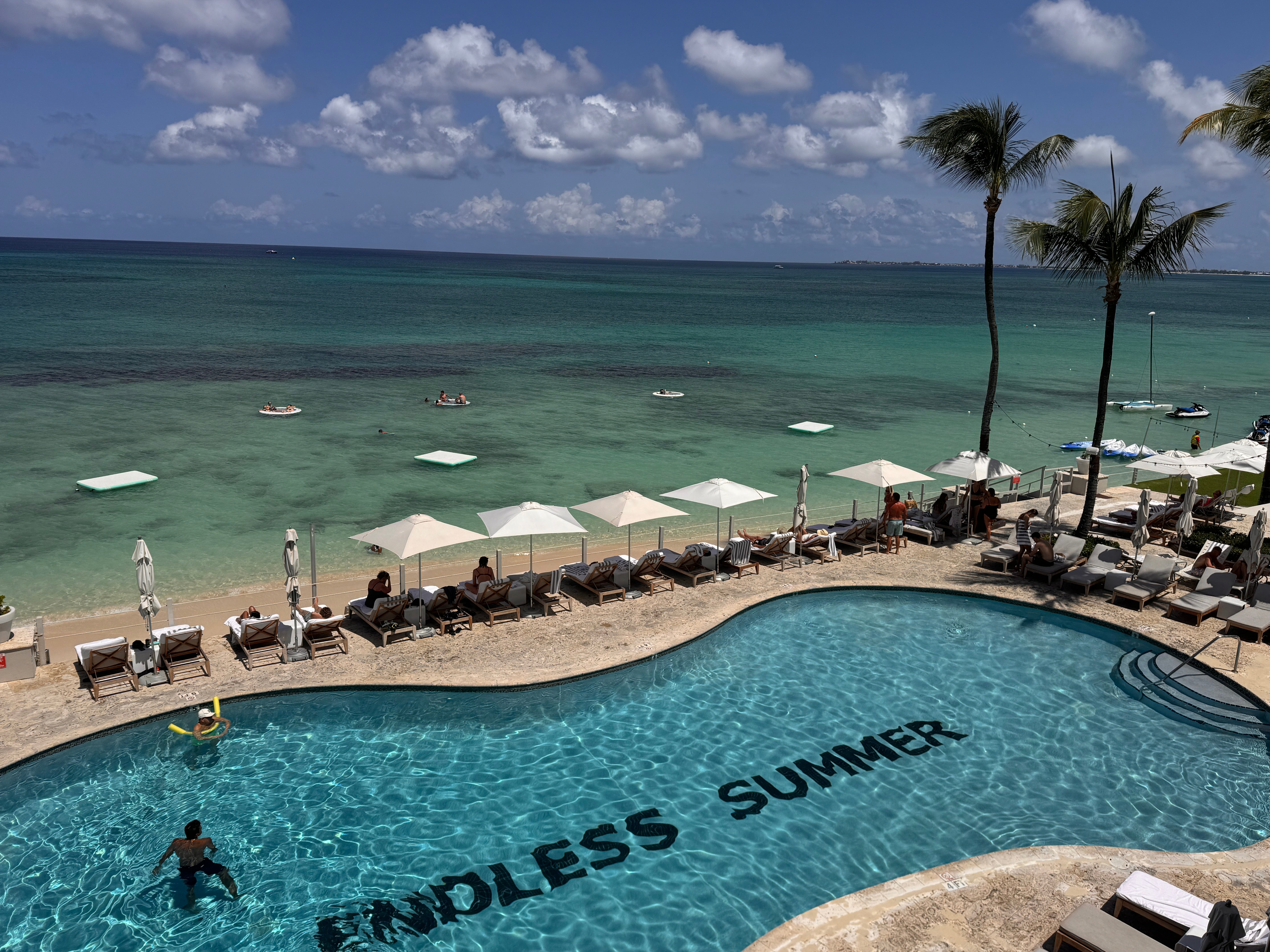
“People do associate us with finance,” beams Hermes Cuello, manager of the Grand Cayman Marriott Resort, a swimming pool behind him sparkling with “Endless Summer” emblazoned across its tiles. “Grand Cayman is a magical island that offers so much more and the finance industry brings a lot of benefits, with facilities that holidaymakers can enjoy, too.”


Cuello makes a good point. Grand Cayman’s ex-pat community (who, like locals, enjoy zero income tax, though indirect taxes and import duties are high) make up around 50 percent of the population and hail from over 150 different countries, which engenders a demand for airlift, with British Airways offering London flights, and a choice of U.S. airlines (including both American Airlines and United) and the highly-rated Cayman Airlines serving Denver, Miami, New York and Tampa.
With all those ex-pats and visiting business people, there is decent accommodation too, in increasing abundance. The Hotel Indigo by IHG opened last year, joining other excellent hotels on landmark Seven Mile Beach, such as the aforementioned Marriott, where you can snorkel straight off the pool deck, and the Westin Grand Cayman Seven Mile Beach Resort, which enjoys a wide swathe of the sort of puffy white sand that you feared might only exist in tourist brochures.
With increasing competition, room rates are keen. Not cheap, but not as extortionate as some Caribbean islands. Good value, too.
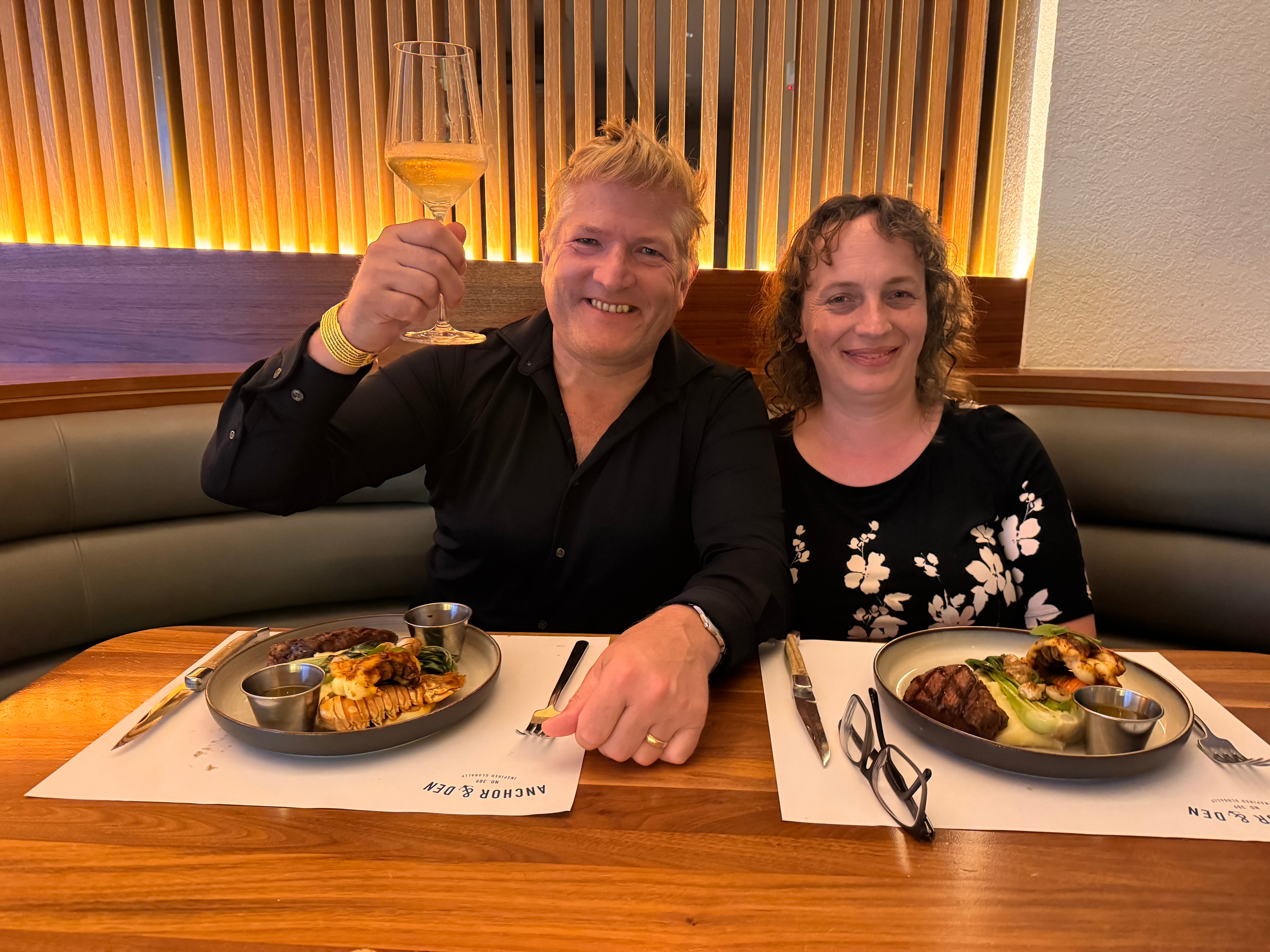
The ex-pat community also fuel the “culinary capital of the Caribbean” nickname. It’s hard to argue with this epithet when you are tucking into heritage tomatoes from the island and local spiny lobster by the water at the Marriott’s Veranda restaurant, or enjoying the hotel’s “Lobster Night” at the Anchor & Den. Swirl in superb sushi and sashimi at the property’s Ascia eatery and the Westin’s Woto, and Grand Cayman delivers on the plate in a way that other Caribbean islands can struggle to do.
Some Caribbean islands also struggle with safety, hence their penchant for all-inclusive resorts shielded by gun-toting security. I’ve been to over a dozen Caribbean islands and Grand Cayman feels the safest.
I savor late-night strolls along Seven Mile Beach and hire a car to explore an island that is handily bijou, just 22 miles by eight. It’s conveniently flat, too, its highest point only rising to 18m (59ft), with no torturous vertigo-inducing mountain roads to navigate.


Grand Cayman’s well-maintained roads open up an island that will be surprisingly eclectic if you were just expecting rows of faceless banks.
I discover that it’s not just polished restaurants that justify the “culinary capital” boast. Superb – and excellent value – local eats strengthen the case. Heritage Kitchen serves up lip-smackingly good lobster, with a rich tomato and garlic sauce, overlooking Seven Mile Beach’s less touristy extremities. In sleepy Bodden Town, the island’s former capital, Grape Tree Café has that great value mahi alongside weekend seafood specials that draw in a mainly local crowd, with free public BBQs anyone can use.
At Bodden Town, I chat to a local family on the beach, the sort of genuine interaction you’re never going to get in an all-inclusive Caribbean hotel.
Read more: The six most affordable Caribbean holiday destinations
Later, I meet Ayu Purbasanti, who works at the Westin. “Grand Cayman doesn’t really do all-inclusives. We encourage our guests to get out and explore Grand Cayman and its communities, as well as spend time with us.”
Ayu insists there is plenty to see and do. And she should know, as she came here as a tourist nine years ago and liked it so much decided to stay.
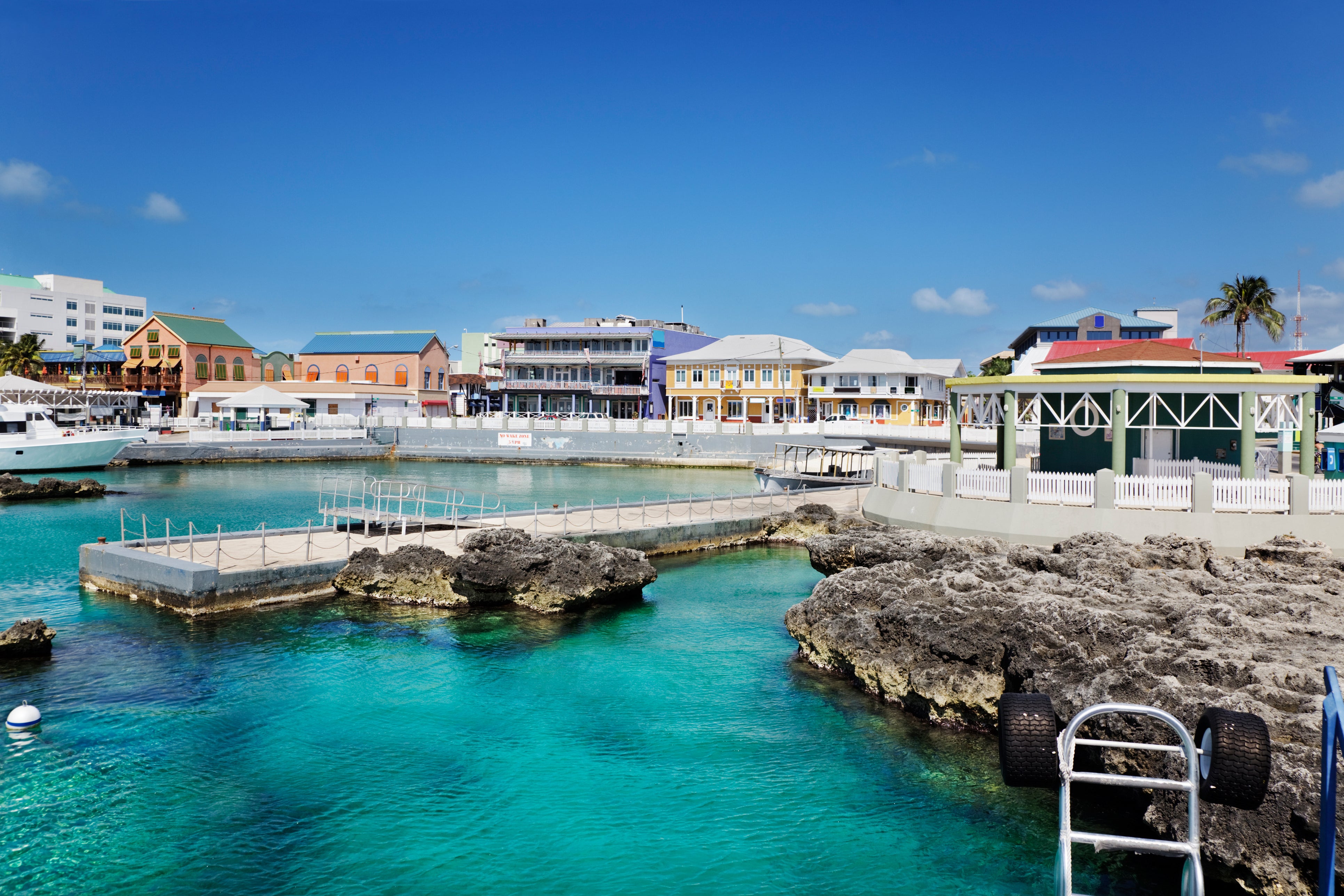
There is a palpable community and island pride in Grand Cayman. Its visible symbol is Heroes Square in the compact capital of George Town. Here, striking sculptures pay tribute to the luminaries who have shaped an island that is part of a three-island British Overseas Territory, but which feels proudly independent from Britain, too. There are splashes of colour everywhere in George Town, from the bars where you can try the locally invented mudslide cocktail, through to the pastel-hued buildings, colonial-era relics and the wee fish market right down on the beach. The latter is a ramshackle world away from slick global finance.
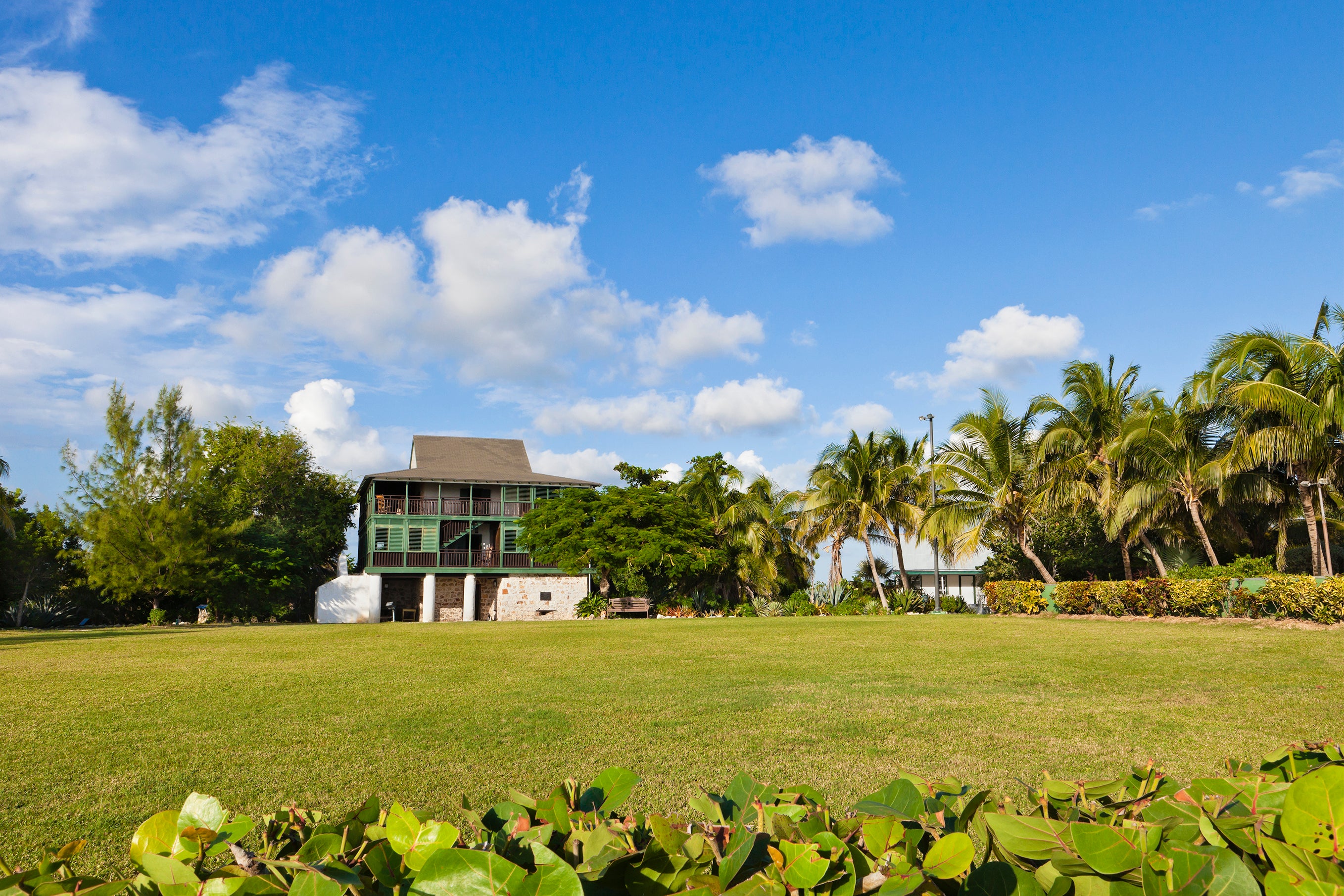
One attraction that strikes at the heart of local history is castle-esque Pedro St. James, the oldest stone building in the Cayman Islands and where a meeting was held that led to the territory’s first elected parliament.
Veteran guide Stacy Hurlston is a Grand Cayman-born gentleman whose stoic features have been sculpted by the trade winds. And wisdom.
Read more: Eight of the best Caribbean islands for your winter sun boost
“I’ve watched Grand Cayman change over the years, but we’re determined to hold on to who we are and our history,” he explains, as we delve deeper into the island’s past, back to the 18th century when the house was built.
“On December 5, 1831, we had our first taste of democracy here,” Stacy explains, before shepherding me into their dining room. All many museums offer is a dull café; here I feast on local lobster peering over the Caribbean’s deepest waters.
The Caribbean is gin-clear around Grand Cayman, the same reef that shelters the island from storms is also a scuba diving joy. Snorkelling is superb too, just off the beach, with snorkel day trips that also take in Stingray City, where rays weave around you in the waist-deep waters.
I find rarer wildlife at the Queen Elizabeth II Botanical Gardens, where a conservation programme has ensured the survival of the hulking blue iguanas who wander freely around in an experience more Jurassic Park than theme park.
I’ve spent a week discovering there is more to Grand Cayman than hedge fund managers, but spend part of my last afternoon talking to one. He is relaxing in the beach cabana next to me at the Westin. As he recommends the lobster bites and a pina colada made with Grand Cayman rum, he beams, “It may have been money that put Grand Cayman on the map, but it’s now a brilliant place for a holiday too.”
I’ll raise a Grand Cayman mudslide to that.
Read more: This laidback Caribbean island is perfect for a screen-free family break
Join our commenting forum
Join thought-provoking conversations, follow other Independent readers and see their replies
Comments
Bookmark popover
Removed from bookmarks