The Independent's journalism is supported by our readers. When you purchase through links on our site, we may earn commission.
Australia’s famous wine region that has much more to offer than vineyards
South Australia is famous for one thing above all others – but beyond wine there’s much more to see and do in this bustling community, finds Michael Owens
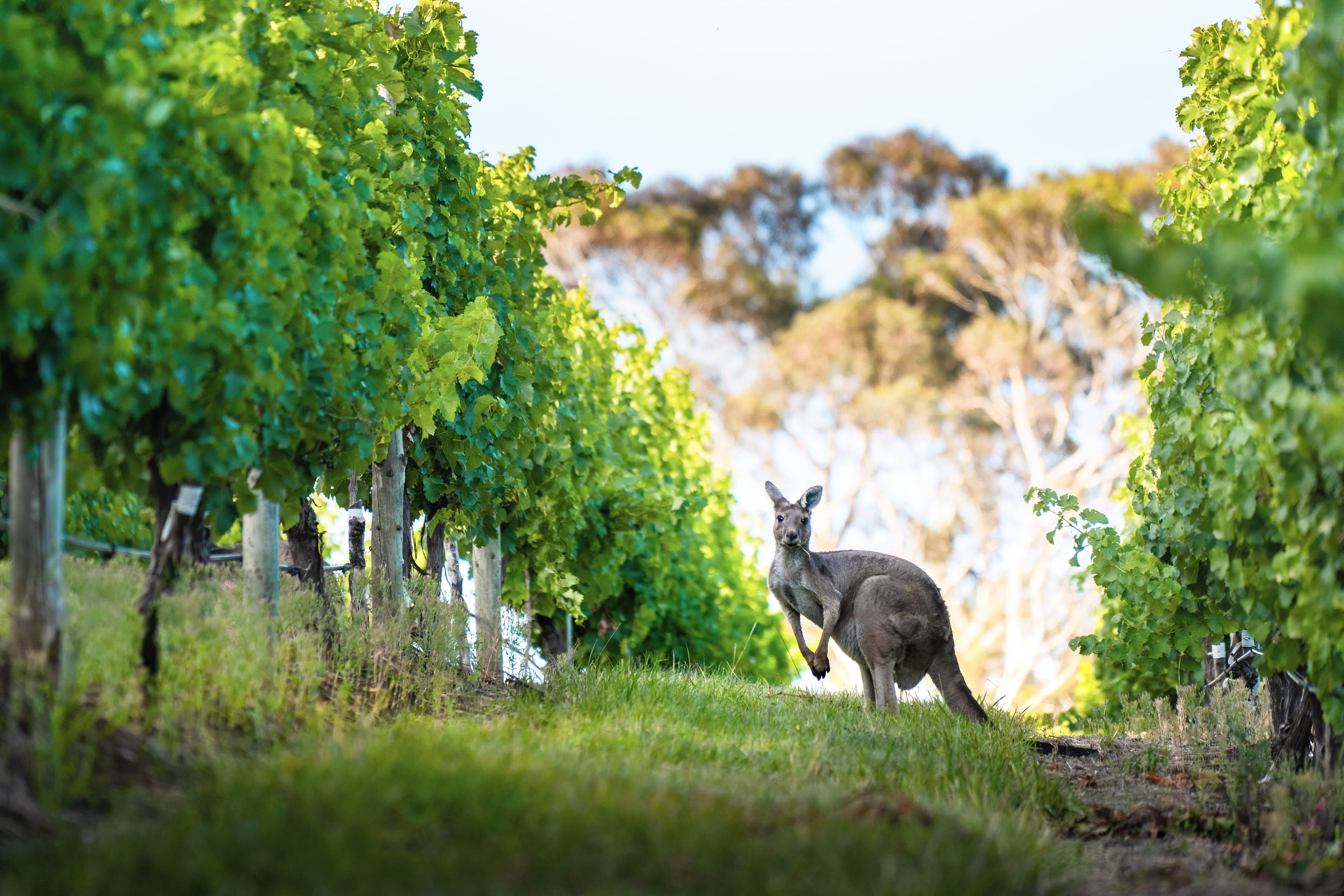
With dusk settling across the Australian countryside, we watch kangaroos bounce through the twilight from our off-grid cabin – its sauna to be specific – without another soul in sight. It feels like we could be in the middle of the wilderness, but instead we’re staying on the doorstep of one of the country’s largest cities, with the centre less than a half hour’s drive away.
South Australia is known the world over for it’s most famous export – wine – with bottles from the region filling the shelves of supermarkets and off licences. For visitors to the region, too, wine is often the main attraction, with tours of cellar doors showcasing the best of what the area has to offer. But in the Adelaide Hills – just half an hour’s drive from the city’s CBD – beyond the rolling countryside lined with vines and wineries at every corner, there’s plenty more to explore in a bustling area proud of how closely its community works together.
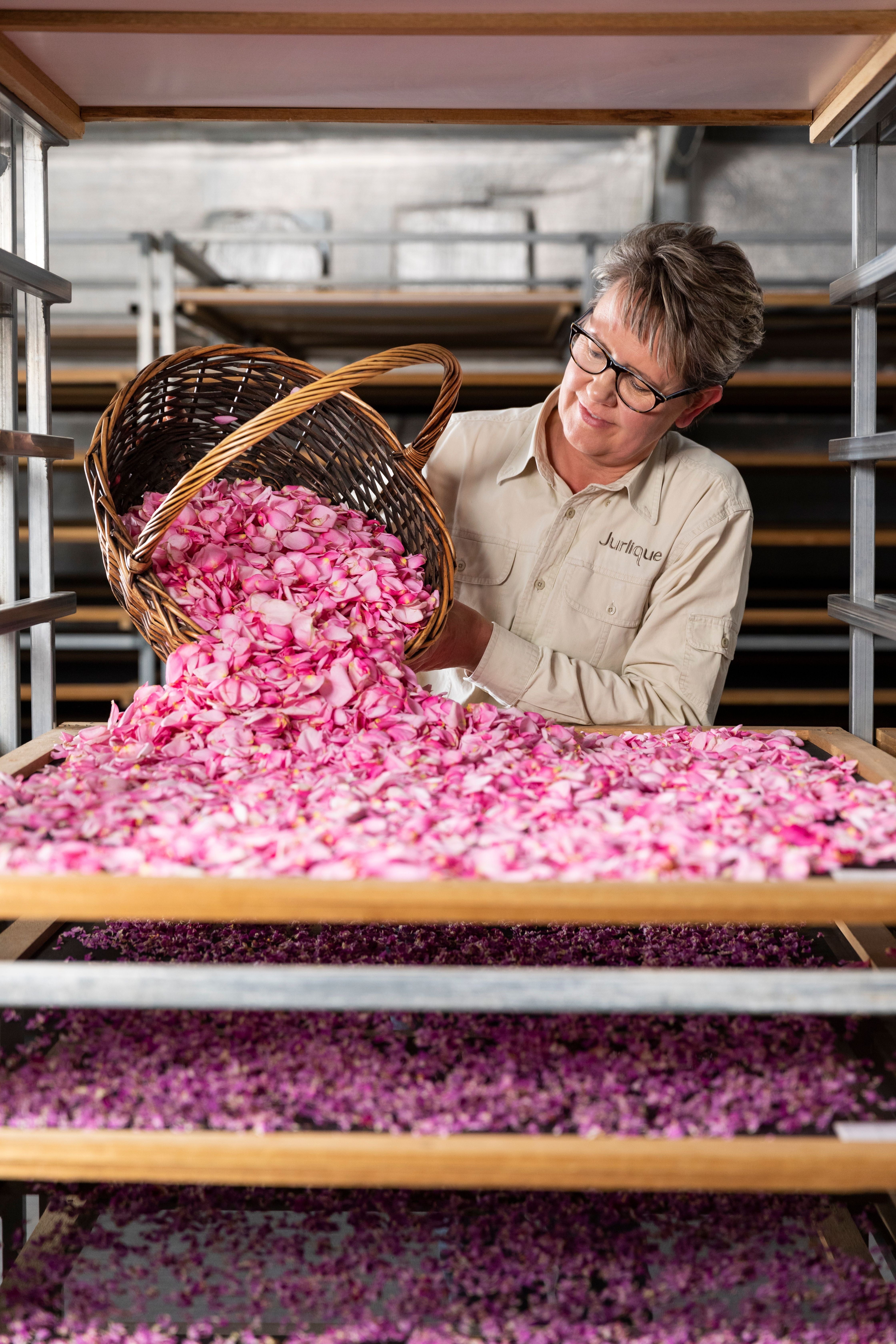
We start our trip at Jurlique farm near Mylor. Now known the world over for its skincare range, Jurlique’s biodynamic farm was started 35 years ago in the Hills by Jurgen and Ulrike Klein. In a 90-minute private immersion tour, farm manager Cherie Hutchinson shows us around the 105-acre farm where today 95 per cent of the brand’s products are grown.
We’re shown the plants and the products they’re used in – including the specially created Jurlique Rose – as Cherie explains the properties of each that go into Jurlique products. The Jurlique Rose, for instance, is then a key ingredient in a serum, a cream, a hydrating mask, a face oil and more besides.
As well as private and public tours, the farm offers a “handpicked masterclass”, in which visitors can pick a basket of their own botanicals and lay them out in Jurlique’s drying room before putting together their own personal blend.
Next we head to nearby Verdun, eating lunch at the Fourth Hill Providore, before spending the afternoon exploring Hahndorf. Founded in 1839, the town is the oldest German settlement in Australia and has lent into its roots with the Bavarian-style Hahndorf Inn – which even offers an Apfelstrudel-making class – among the German influences, while traditional oompah music is piped out on to the main street from one of the cafes. There are also plenty of boutiques and independent shops that we browse before heading to the Beerenberg farm. In Australia the family brand is known for its jams, and tourists can pick strawberries through the summer, but the farm shop also sells a huge range products including sauces and chutneys to the busloads of visitors that arrive each day.
Read more: Exploring Australia’s indigenous art in the Northern Territory
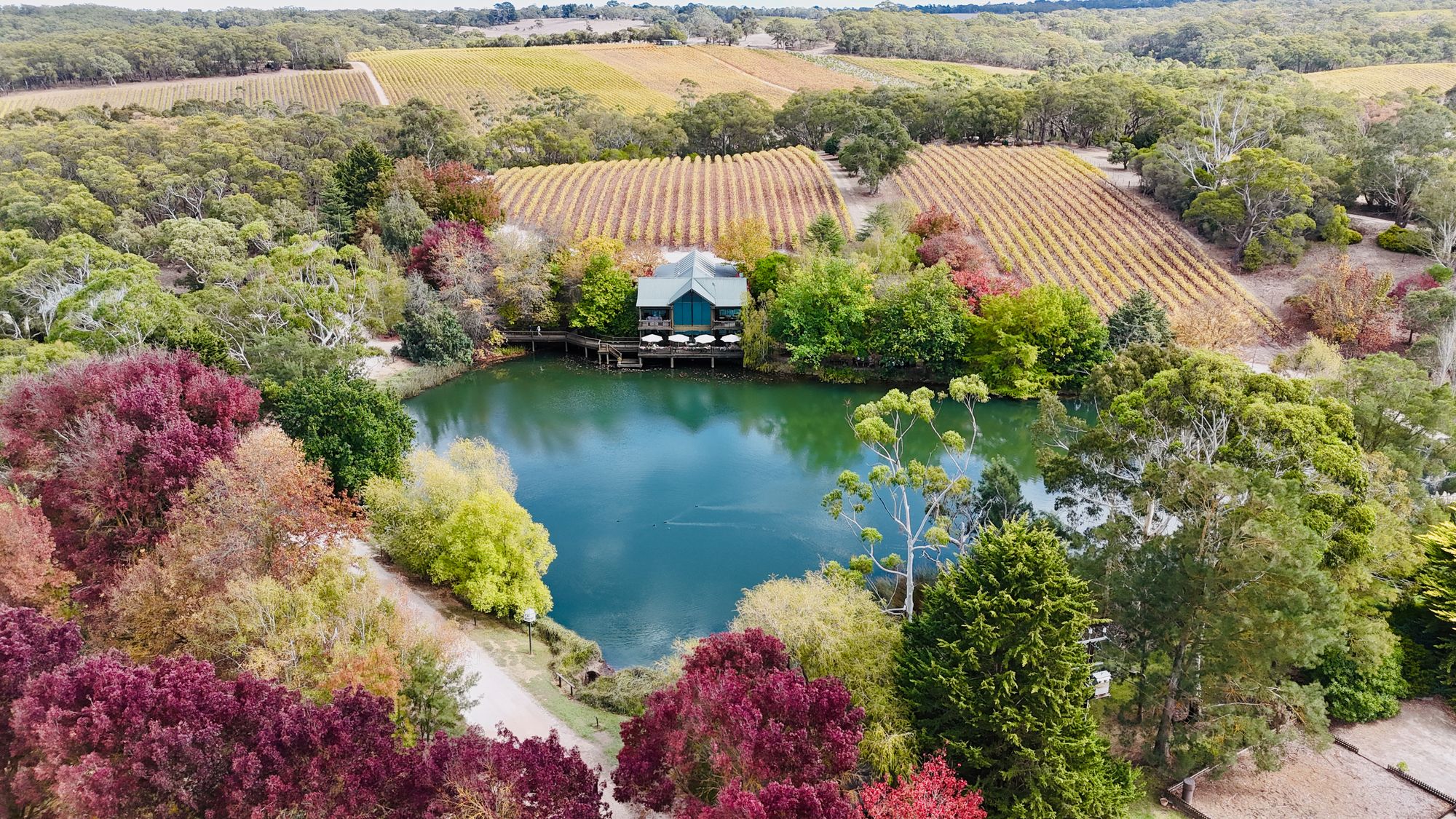
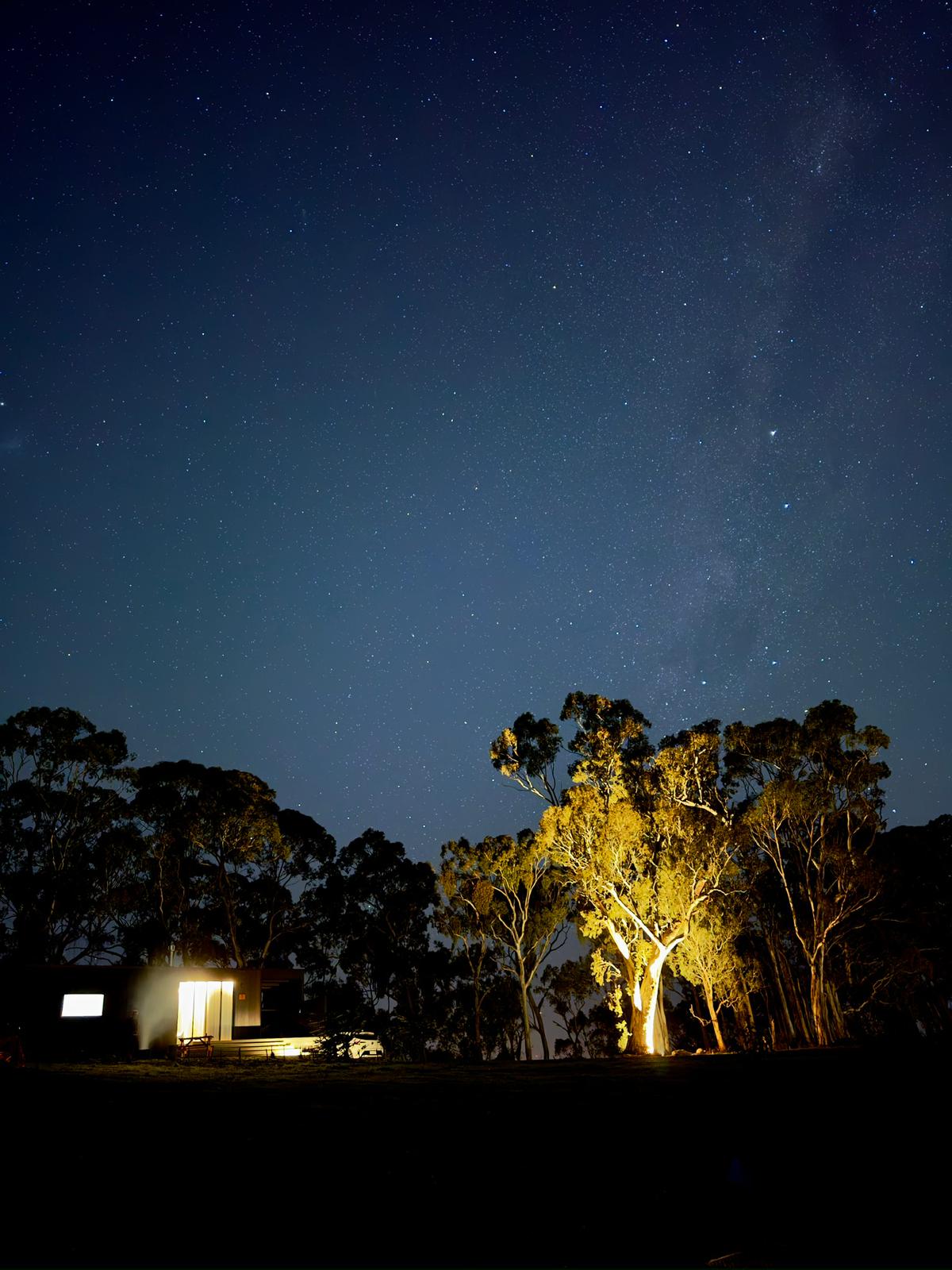
Once we’ve stocked up on supplies, we head to our home for the night – CABN Hahndorff. CABN is a series of sites across South Australia focused on sustainability and seclusion. We arrive at the site to find nine cabins, roughly 70 metres apart and carefully positioned to give each one privacy. While off-grid, this is far from slumming it – our cabin is fully kitted out with heating and air con, as well as a kitchen, barbecue and pizza oven for cooking, a bathroom with shower and freestanding bath, and indoor and outdoor fireplaces. Before the sun goes down we try out the outdoor bath, then the sauna which has a large window opening out on to the countryside beyond. Then, as the night draws in, we light a fire outside to eat under the stars.

.jpg?quality=75&width=230&crop=3%3A2%2Csmart&auto=webp)
Our cabin is named “Hans”, in a nod to our first stop the next morning, The Cedars, home of the artist Hans Heysen. While not as famous in Europe, Heysen is one of Australia’s best-known painters with much of his work centring on the beautiful wilderness that surrounded his home.
Curator Allan Campbell tells us Heysen was known as the portrait artist of the gum tree for his extensive work, and The Cedars offers a window into the life of him and his family, where he entertained famous faces including actors Laurence Olivier and Vivien Leigh. Heysen’s studio showcases his incredible work in charcoal, while the “artist’s walk” gives visitors the chance to see the exact spots from which Heysen painted some of his most famous works. A Heysen Gallery costing 9m AUD (£4.7m) is currently under construction to house work by Heysen and his daughter Norah, also an artist.
While we’ve avoided wineries for two days, we’re only human – and our last stop is as much for the food as for the drinks on offer. We head to The Lane vineyard for lunch to have its three-course “provenance” dining menu, while temperance and drivers’ options mean there are other options besides alcoholic wine pairings.
Head chef Cameron Ahl explains how the menu makes the most of the region, with partnerships with local farmers allowing him to select the best ingredients from the Adelaide Hills. We have cod from the Murray river followed by Hahndorf venison, before finishing with a sorbet made with – what else – a Jurlique rose.
How to get there
A number of major airlines including British Airways, Emirates and Qatar fly from the UK to Adelaide. Flight time is around 21-24 hours.
Michael was travelling as a guest of the South Australia Tourism Commission.
Read more: This region boasts some of Australia’s best beaches, wine and wildlife
Join our commenting forum
Join thought-provoking conversations, follow other Independent readers and see their replies
Comments
Bookmark popover
Removed from bookmarks