Lindsey Vonn’s horror crash at Winter Olympics reopens ski safety debate
Lindsey Vonn’s skis did not release when she crashed heavily at the Winter Olympics
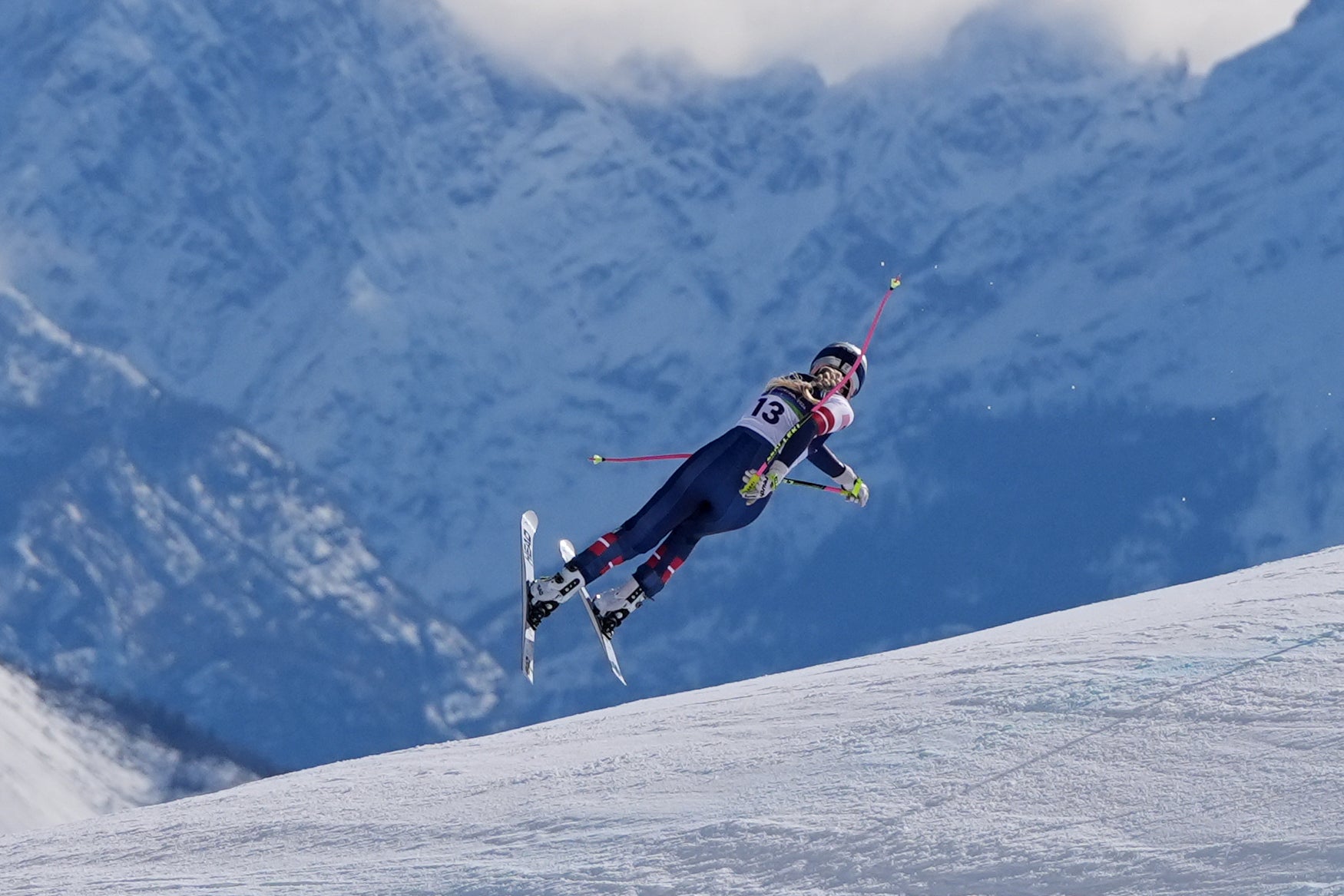
Lindsey Vonn’s horrific crash at the Milan Cortina Games, where she was seen screaming in pain before being airlifted off the course, served as a stark reminder of the inherent dangers of downhill skiing.
Crucially, her skis remained stubbornly attached to her boots even after her "pinwheeling fall," pointing awkwardly as she slid to a stop in obvious agony.
While it is impossible to definitively say if Vonn’s complex tibia fracture, which has already necessitated multiple surgeries, would have been less severe had her skis released, the incident has brought the critical role of bindings into sharp focus.
These devices, which secure boots to skis, represent some of the sport’s oldest technology, and officials admit that a system designed to automatically release skis when a racer loses control remains largely conceptual after years of stalled discussions.
Sophie Goldschmidt, president and CEO of the U.S. Ski and Snowboard Association, commented on the situation: "Unfortunately, sometimes it does take horrific accidents to shine even more of a light on what can be done."
She emphasized the need for collective action across national federations and FIS (the International Ski and Snowboard Federation).
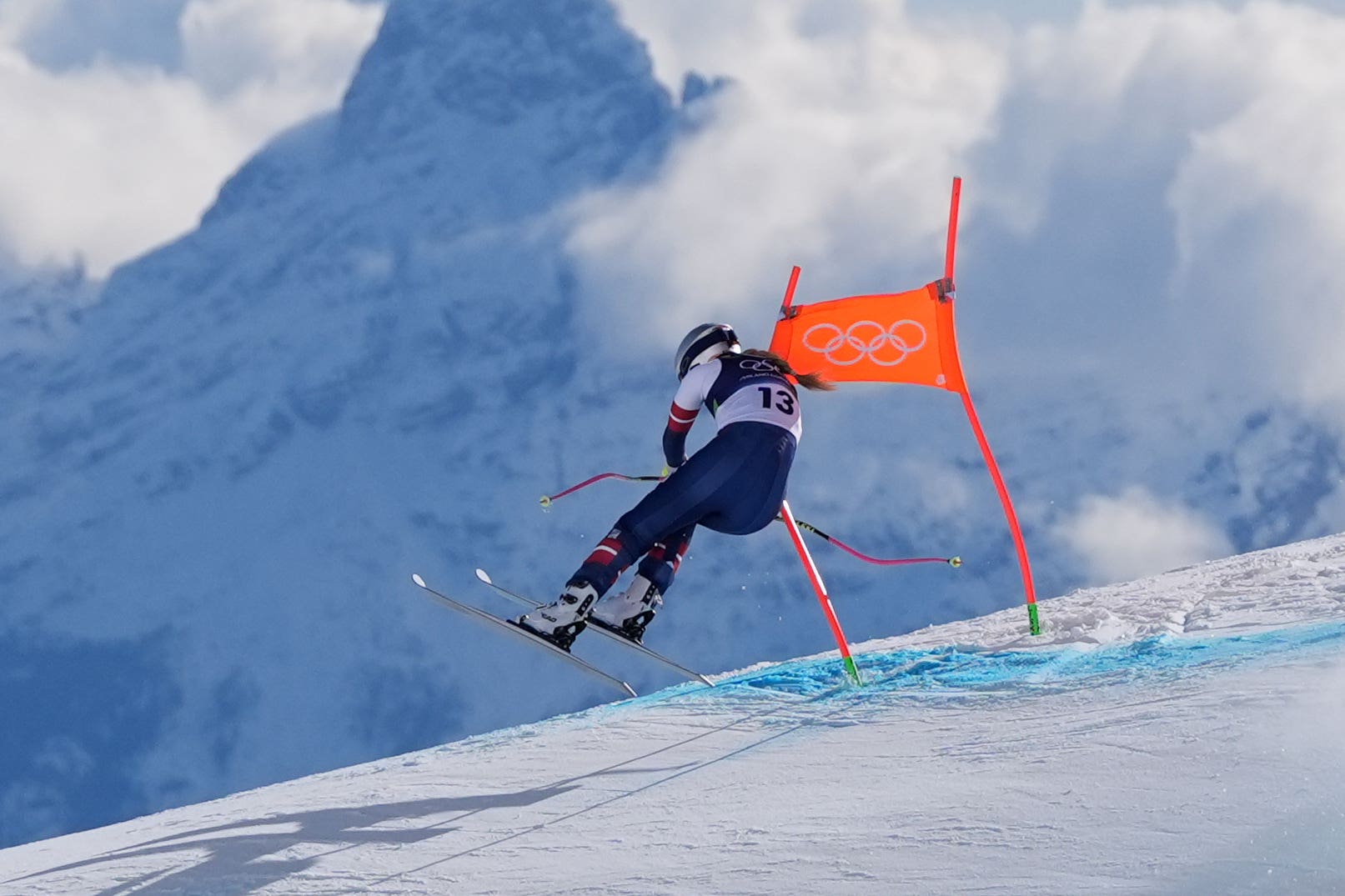
The fundamental design of ski bindings has remained largely unchanged for half a century.
Once a skier steps in toe-first and locks in with their heel, pressure is required for the system to release the boot.
While recreational skiers benefit from bindings designed for easier release to prevent leg injuries, elite racers often have theirs "cranked down" to maintain ski attachment at high speeds, making release less likely.
Few were surprised Vonn’s skis did not release, but the question remains: should they have?
A "smarter" binding system, leveraging algorithms, could ensure an athlete’s skis would "pop off" automatically. Peter Gerdol, the FIS women’s race director, believes such a system "would have surely" helped prevent Vonn's leg fracture.
He explained: "Her skis would have definitely popped off. We’ve seen a lot of other cases in which the bindings don’t open and it results in knee issues, especially when the still-attached ski acts as a lever, either on the net or on the snow or on a gate or on any other obstacle. The leg becomes blocked and the knee gives out."
Vonn herself had torn her ACL nine days prior in a crash where her skis also remained attached.
This smart-binding technology could draw upon the safety airbag system, which became mandatory for speed events this season.
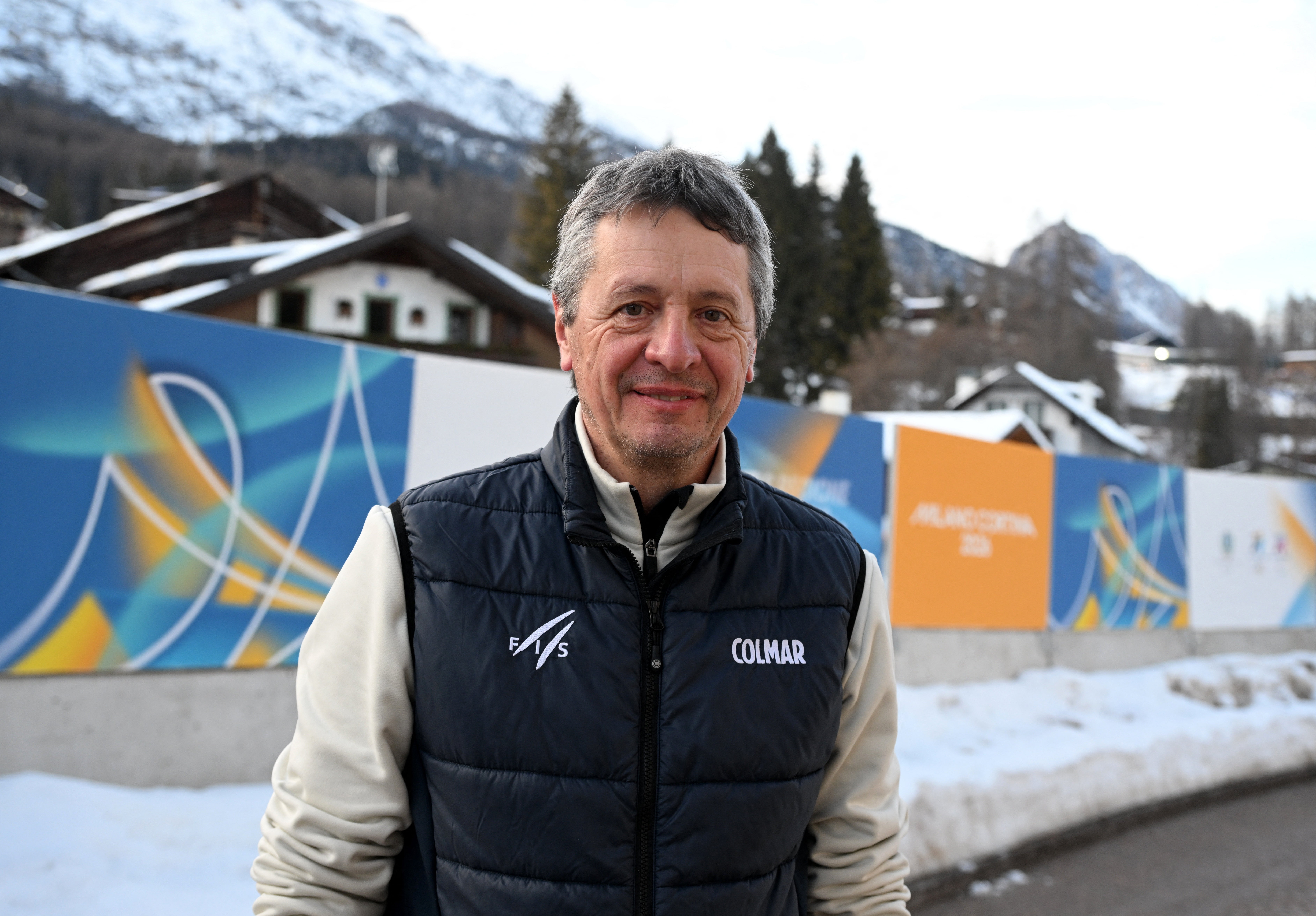
Gerdol noted: "It’s still going to take time to develop but the idea is that the binding would be triggered by the same algorithm that prompts the air bag to inflate."
The proposed mechanism involves the heel piece sliding back, allowing the skis to detach.
Dainese and its sister company, D-Air Lab, spent years developing the airbag algorithm, initially for motorcycle racing. In coordination with FIS, Dainese is now sharing this algorithm with major binding suppliers like Look, Tyrolia, Salomon, Atomic, and Marker, aiming to adapt it for ski release.
However, the precise timing required for ski release presents greater complexities than airbag deployment.
Marco Pastore, a Dainese representative, described it as a "very complicated project."
He elaborated: "If you release a binding, you’ve got to be absolutely sure you do it at the right moment. For the air bag you can look at the rotations and the entire body position. But with the bindings you’ve got to examine how the feet move, what the trajectory of the skis is — plus a series of other variables."
Elite skiers sometimes rely on their skis for recovery or braking, making premature release dangerous.
Financial hurdles, however, loom large over such ambitious safety projects. Pastore highlighted the financial strain: "These are very costly projects and to be honest Dainese has not made much" from airbags, adding, "right now it’s costing us money. Everyone wants these great things but at the end of the day someone has to pay for it."
Sasha Rearick, former head coach of the U.S. men’s ski team, echoed this, noting that while Dainese invests, binding companies would also need to "invest heavy," incurring significant costs. Rainer Salzgeber, Head racing director, simply stated, "It's already a lot."
Salzgeber suggested a simpler, quicker solution for crashes like Vonn's: gate panels designed to give way upon impact.
Markus Waldner, men’s World Cup race director, also mentioned ongoing work with bio-mechanists and manufacturers to "refine boot and binding standards to reduce the likelihood of catastrophic edge catches at high speed."
Despite these efforts, Gerdol estimates the smart-binding project could be anywhere from two to six years away from implementation.
The question of whether racers would embrace such technology also arises. Ski technicians deliberately "crank up" racers’ bindings, effectively locking them in.
Leo Mussi, technician for American downhillers Bryce Bennett and Sam Morse, sets bindings at up to 200 kilograms (440 pounds) of pressure – more than double that of a standard retail binding.
Marco Schwarz, an Austrian racer who suffered a serious knee injury with his skis attached, expressed caution: "The best way is to keep it simple. I don’t want to push too much into more technology."
Nina O’Brien, an American who endured four surgeries after a gruesome compound fracture, credited her technician and did not fault equipment issues.
Despite the clear risks, advancements in ski racing safety have historically been slow.
The airbag system, for instance, was first tested in 2013 but only became mandatory this season for speed events, partly due to initial concerns from skiers over aerodynamics, comfort, or even potential injury.
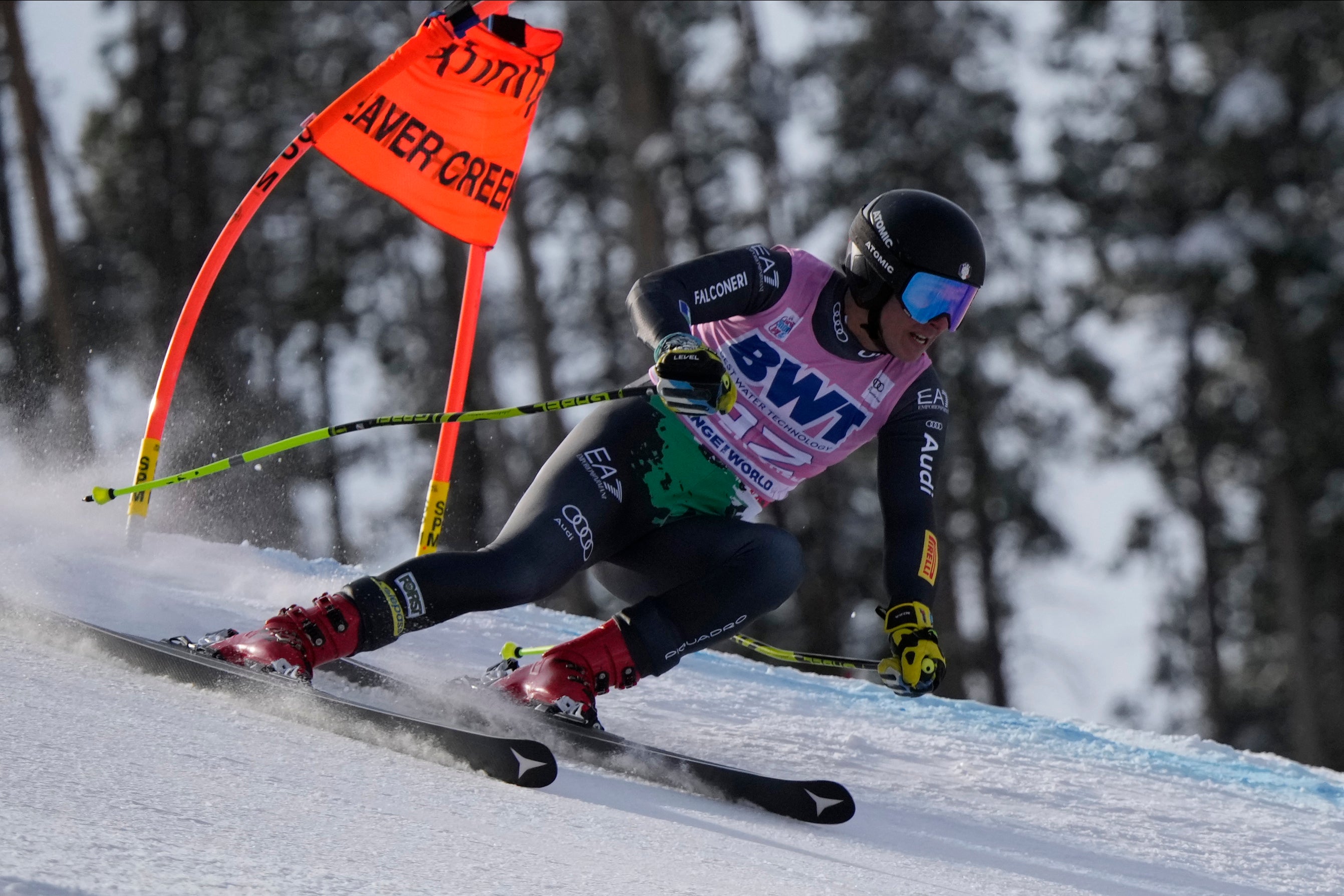
The recent death of Italian skier Matteo Franzoso in preseason training tragically underscored the urgent need for action.
As Pastore observed: "Unfortunately, it always takes something serious to happen for people to say, ‘No. Now we need to do something.’"
This season also saw the mandatory introduction of a cut-resistant undergarment across all events.
While the smart-binding system is developed, Rearick, now director of Apex 2100, an international ski academy, suggested broader safety measures.
He proposed: "Make one suit of material for everybody that’s a little bit warmer, that’s a little bit slower, that’s cut-proof. That will make the sport a lot safer for everybody."
The path to enhanced safety in ski racing remains complex, demanding a careful balance between technological innovation, practical implementation, and athlete acceptance.
Join our commenting forum
Join thought-provoking conversations, follow other Independent readers and see their replies
Comments
Bookmark popover
Removed from bookmarks