Serena Williams’ weight-loss drug use sparks a moral dilemma ahead of rumoured tennis comeback
The 23-time grand slam winner reentered the anti-doping testing pool, making herself eligible to return to professional tennis, but, as Jamie Braidwood outlines, the American’s use of a weight-loss drug poses a moral dilemma

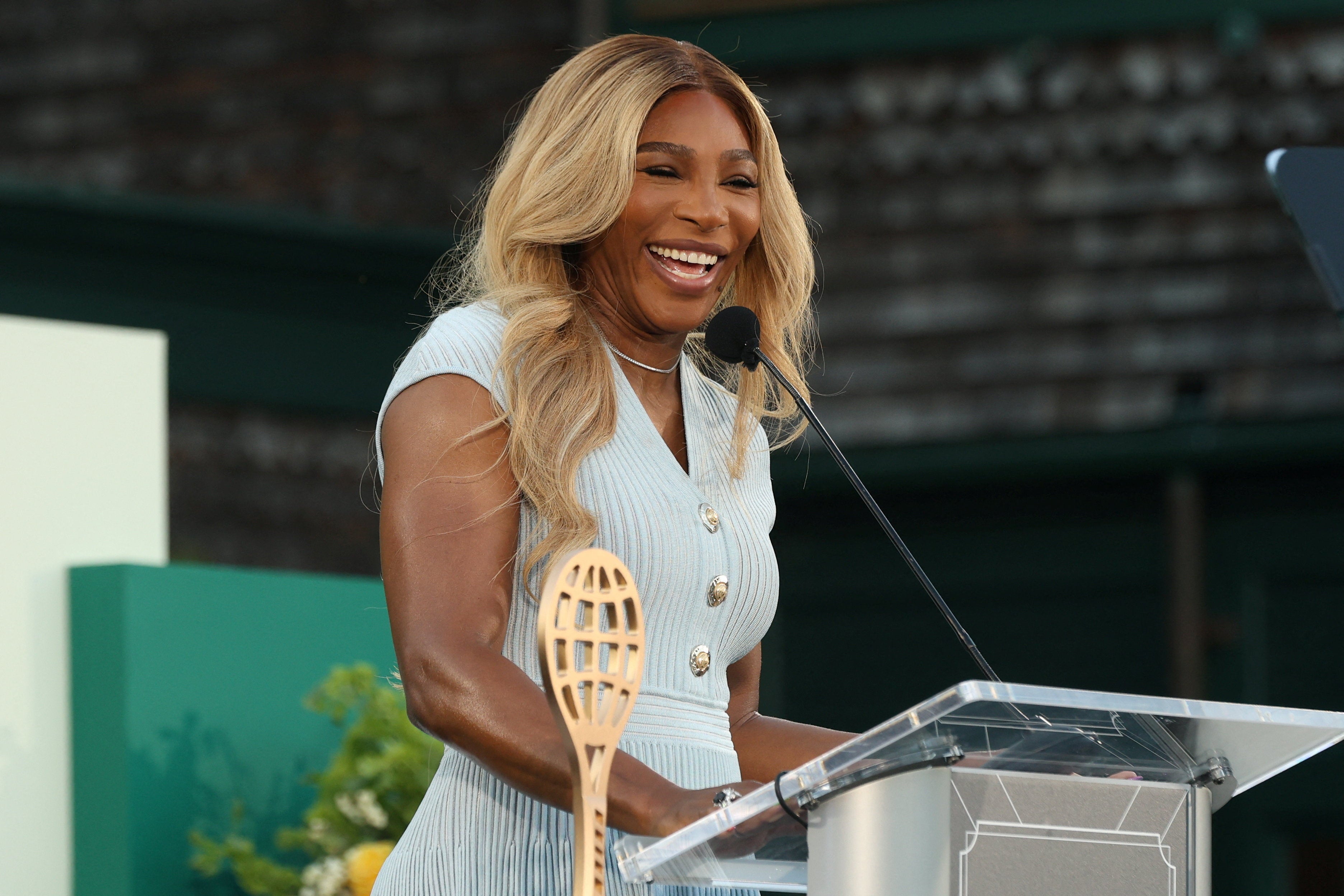
As of today (22 February), Serena Williams is eligible to return to tennis and add another chapter to her illustrious career in the sport. For the last six months, the 23-time grand slam singles champion has been enrolled in the International Tennis Integrity Agency’s anti-doping testing pool, a process no one would undertake casually, fuelling speculation that she is about to make an extraordinary comeback at the age of 44.
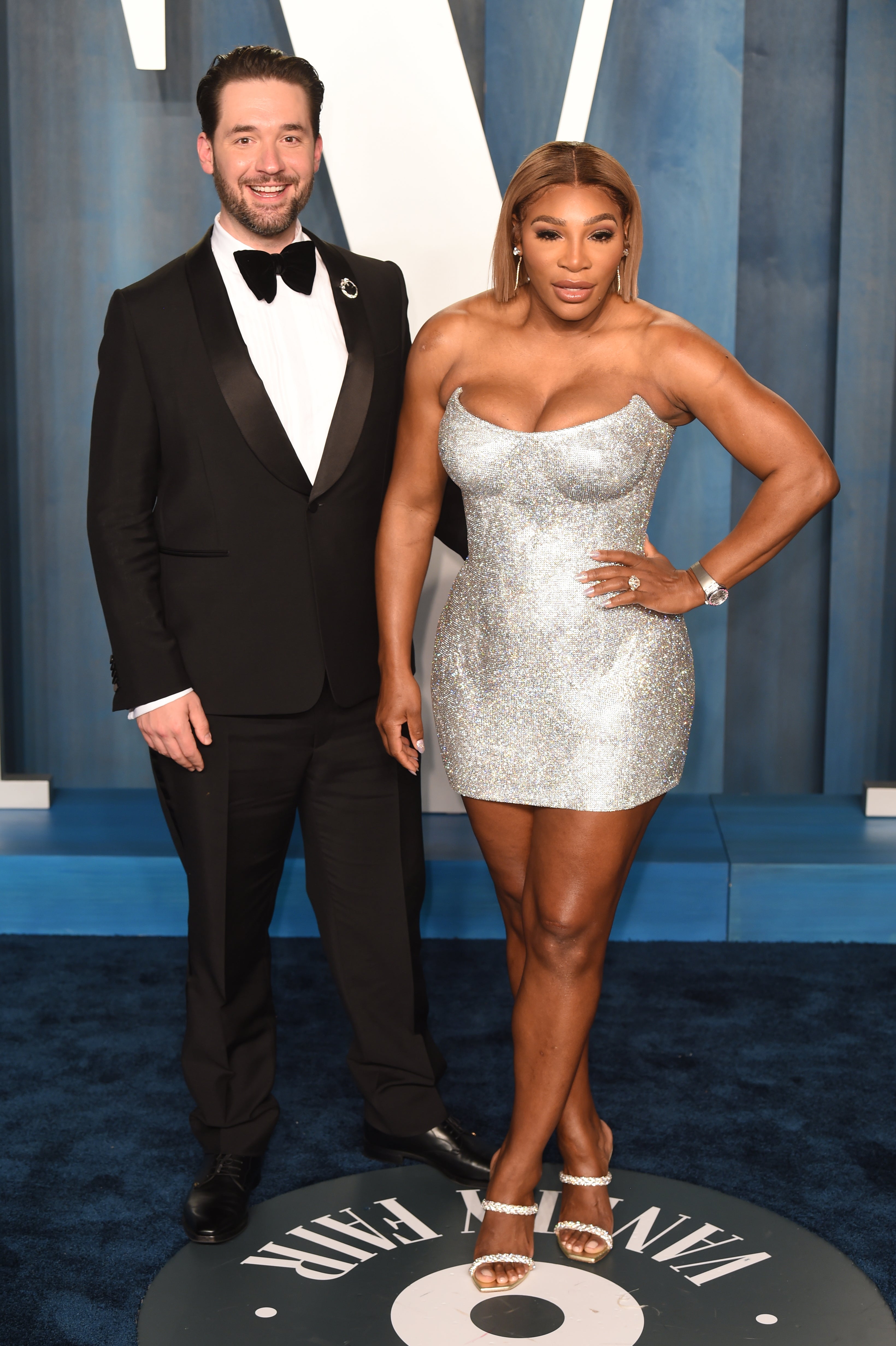
Until it is confirmed, any announcement from Williams will be made on her terms. In 2022, the American carefully used the words “evolving away from tennis, toward other things that are important to me” rather than “retirement” before playing what was assumed to be her last ever tournament at that year’s US Open. Her decision to stop playing, she said, was time-based and motivated by wanting to grow her family. In 2023, Williams gave birth to her second daughter, Adira River Ohanian, as she, husband Alexis Ohanian and their first daughter, Alexis Olympia Ohanian Jr., born in 2017, welcomed that new member.
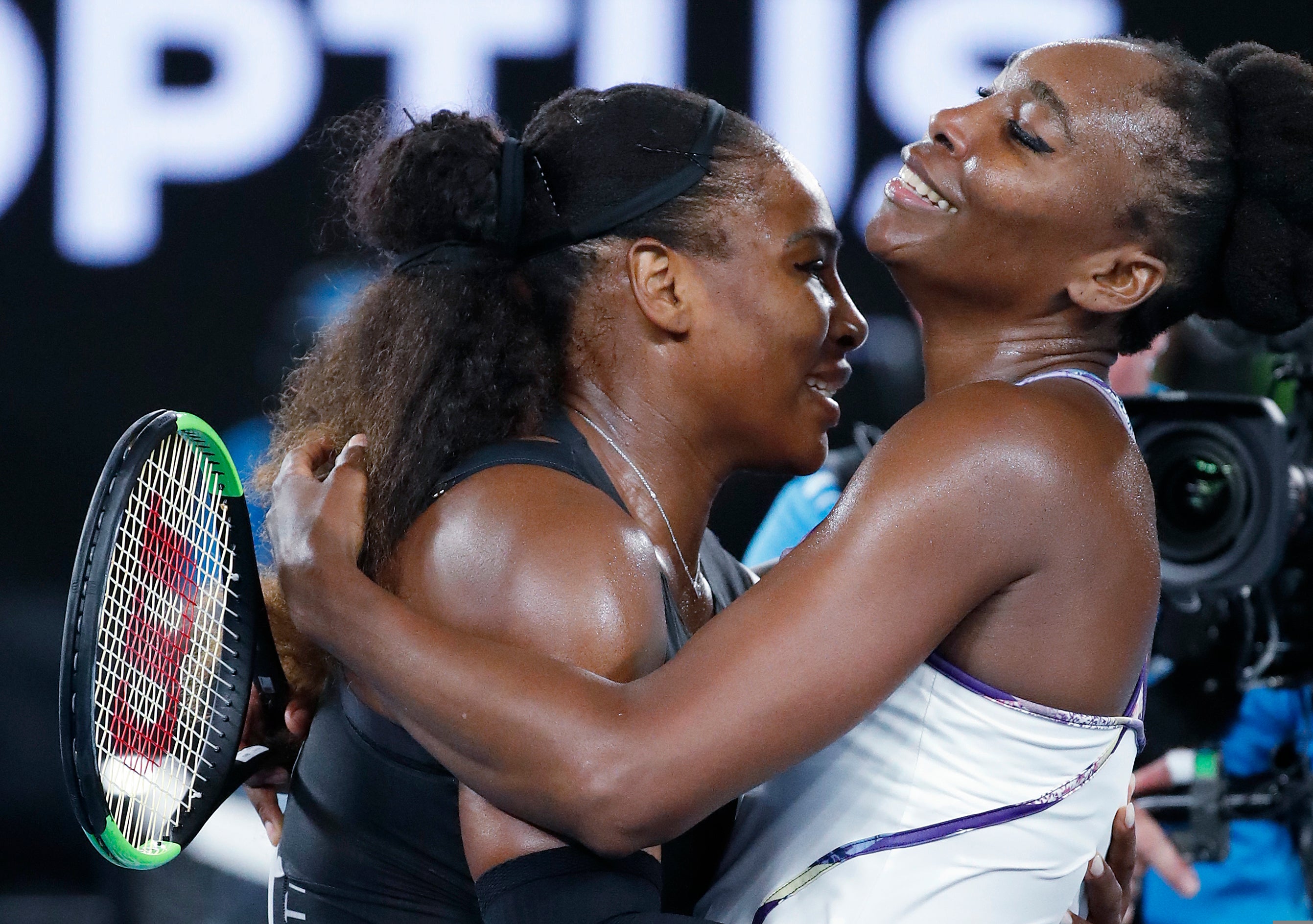
It is now possible that her evolution does not stop there. Are we to believe that Williams, one of sport’s greatest champions, now puts her occupation down as “housewife”, as she half-jokingly said during the appearance on Today last month that saw her add to the wildfire by refusing to rule out a comeback. After all, Serena’s older sister, Venus Williams, continues to embrace and enjoy the challenge of competing at the highest level, falling agonisingly short of becoming the oldest women to win a grand slam singles match at the age of 45 at the Australian Open last month.


Ahead of the spring, the talk around tennis is that Serena believes she can do the same, or aim even higher. “She is in great shape, so I think she would kill it on tour,” said Alycia Parks, the American player who revealed earlier this month that she had practiced with Williams.
But, for all the secrecy and speculation over a potential comeback, any announcement would come while Williams has become one of the most prominent promoters and users of injectable weight-loss drugs in the United States. The 44-year-old is a spokesperson for the healthcare provider Ro and recently starred in a Super Bowl commercial that documented how she had lost 34 lbs (15.4 kg) in a year using GLP-1s. The 30-second spot saw Williams say she was “healthier, stronger, moving better, and feeling better” as a result of her weight loss. Williams first confirmed she was using Zepbound (known as Mounjaro in the UK) during a round of media interviews in August. Her husband, the Reddit co-founder Ohanian, is an early investor in Ro, and is also on the company’s board.
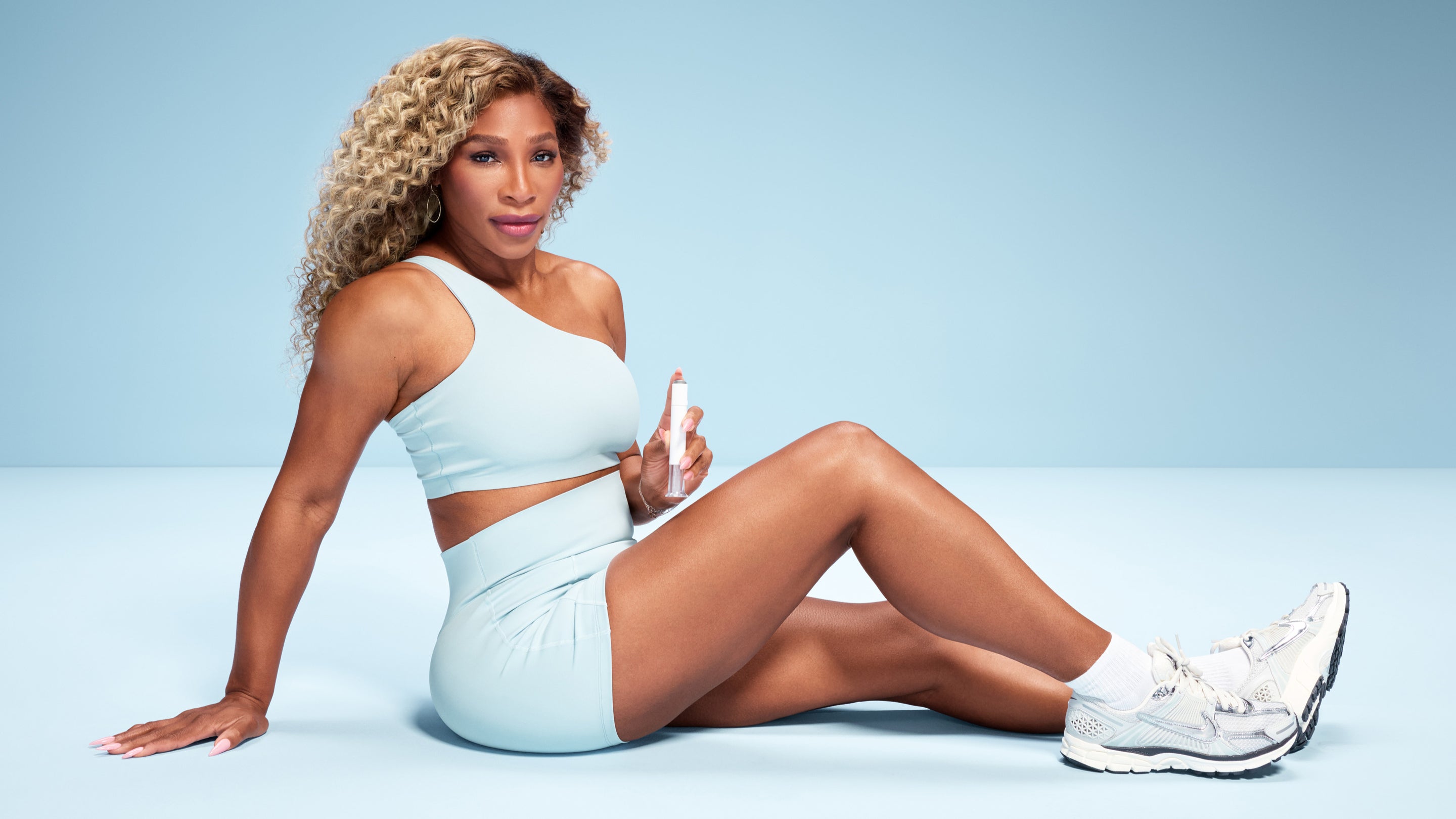
For many years, Williams transcended her sport alongside her sister Venus, not only through their skill and mental aptitude on the court, but by breaking through racial barriers and redefining what physical strength in a female athlete in a sport like tennis can look like. But, as she has acknowledged throughout her record-breaking career, her body has been the subject of constant commentary while she has won titles and dominated the women’s tour.
“I’ve heard negative comments, along with a tremendous amount of positive comments, about my body my entire life,” Williams told Vogue. But, as she said ahead of the US Open in 2015, “It's me, and I love me. I've learned to love me. I've been like this my whole life and I embrace me. I love how I look. I am a full woman and I'm strong, and I'm powerful, and I'm beautiful at the same time."
Williams, though, has maintained that GLP-1 injections are “another tool to support my health journey” - revealing that she was unable to lose weight even while giving everything to the sport and reaching grand slam finals after giving birth to her first daughter Olympia in 2017. “It’s not a shortcut, it’s not a copout,” she said during last August’s media round. But, given how body confidence issues can be a key barrier for girls and women in sport, it is unsurprising that many supporters of Williams feel conflicted by the idea that a symbol for body positivity is now championing weight-loss injections, particularly when it's one of the more expensive ones on the market and when she and her husband stand to gain from the increased exposure of their investment.
The World Anti-Doping Agency (Wada) has added GLP-1 drugs to its monitoring program, and is in the process of collecting evidence on whether they could be abused by athletes to gain an unfair advantage. Wada would consider banning weight-loss drugs if there was evidence of performance enhancement, they posed a health risk to athletes, or violated the “spirit of sport”. They could be particularly prone to misuse in sports like rowing or horse riding, where a lighter cox or jockey would be advantageous, or sports with weight divisions that could require significant weight cuts. For now, though, researchers are only in the early stages of understanding the prevalence of their use in elite sport and their implications for health and performance.
"Most of the research that has been done is in the clinical population that should be using these drugs and what they're meant to be prescribed for,” says Daniel Reid, a senior lecturer in the Institute of Sport Business at Loughborough University of London. When GLP-1s were approved for chronic weight management, the intention was for them to be used by overweight individuals at risk of other medical issues. “They're not designed for people who want to come back into sport,” says Paul Morgan, a senior lecturer in human nutrition and metabolism at Manchester Metropolitan University.
There is a scene from the 2018 documentary Being Serena, where her coach at the time, Patrick Mouratoglou, tells her that she has to lose more weight following childbirth. Williams has referenced this encounter and resurfaced the exchange while explaining why she has turned to GLP-1s. As a mother, she reached consecutive grand slam finals at both Wimbledon and the US Open in 2018 and 2019 but a record-equalling 24th singles title proved elusive. Now Williams has lost weight, Mouratoglou said she would have had more of a chance if she had done it sooner. “If she would have been in this position physically, the results would have been better,” he told the Guardian.
Williams has reported that she is now having less joint pain. In the context of tennis, losing weight would make playing easier on the knees and improve movement around the court - but there are also risks and potential side effects. “If you consider the mechanism of the weight loss medication, it has a significant impact on appetite and therefore significantly reduces energy intake,” explains Morgan. “We know that an energy deficit is associated with significant impairments in the muscle building process. So there would have to be some additional consideration about the loss of lean tissue.”
There is an argument that when used in an athletic context, GLP-1s could ultimately be detrimental to performance. “Not all weight loss is good weight loss,” says Reid, although someone like Williams, he adds, would likely have “enough knowledge of training and nutrition, and enough people around her with knowledge of training and nutrition, to mitigate that”.
And, if Williams does return to tennis in the coming weeks, it will be difficult to separate her transformation off the court to her comeback on it. Or - given the very specific factors in this case, Williams’s age, that she’s female, and will be returning from childbirth for a second time - to know whether the circumstances around her use of weight-loss drugs and the debate around it would ever be repeated again in a sporting context.
“I think there's going to be an interesting scientific and policy and moral debate about where we sit on the use of GLP-1 drugs in elite athletes,” says Reid. “I suppose the main message needs to be that those that truly need them for whatever reason shouldn't be precluded from using them, even if they are an elite athlete. Ultimately, we never know the full medical history of any athlete.”
For now, tennis is watching closely. Those in the sport struggle to understand why anyone would want to re-enter the anti-doping testing pool, subjecting themselves to random checks at their homes and daily whereabouts notices, without the intention of eventually competing. Now she is eligible to return, Williams could receive a wildcard entry at any tournament she wanted, such as at Indian Wells or the Miami Open in March’s sunshine swing. The grand slams at the French Open, Wimbledon and the US Open would be desperate to have her, and there is also the chance of rekindling her doubles partnership with Venus, given how her older sister performed in New York last season.
One thing is for sure: a comeback announcement from perhaps the greatest women’s player of all time would spark an absolute frenzy, as well as some debate.
Join our commenting forum
Join thought-provoking conversations, follow other Independent readers and see their replies
Comments
Bookmark popover
Removed from bookmarks