The statistics and stories that show Maro Itoje’s brilliance as England captain reaches century of caps
Itoje becomes the ninth male English centurion against Ireland a decade on from his international debut
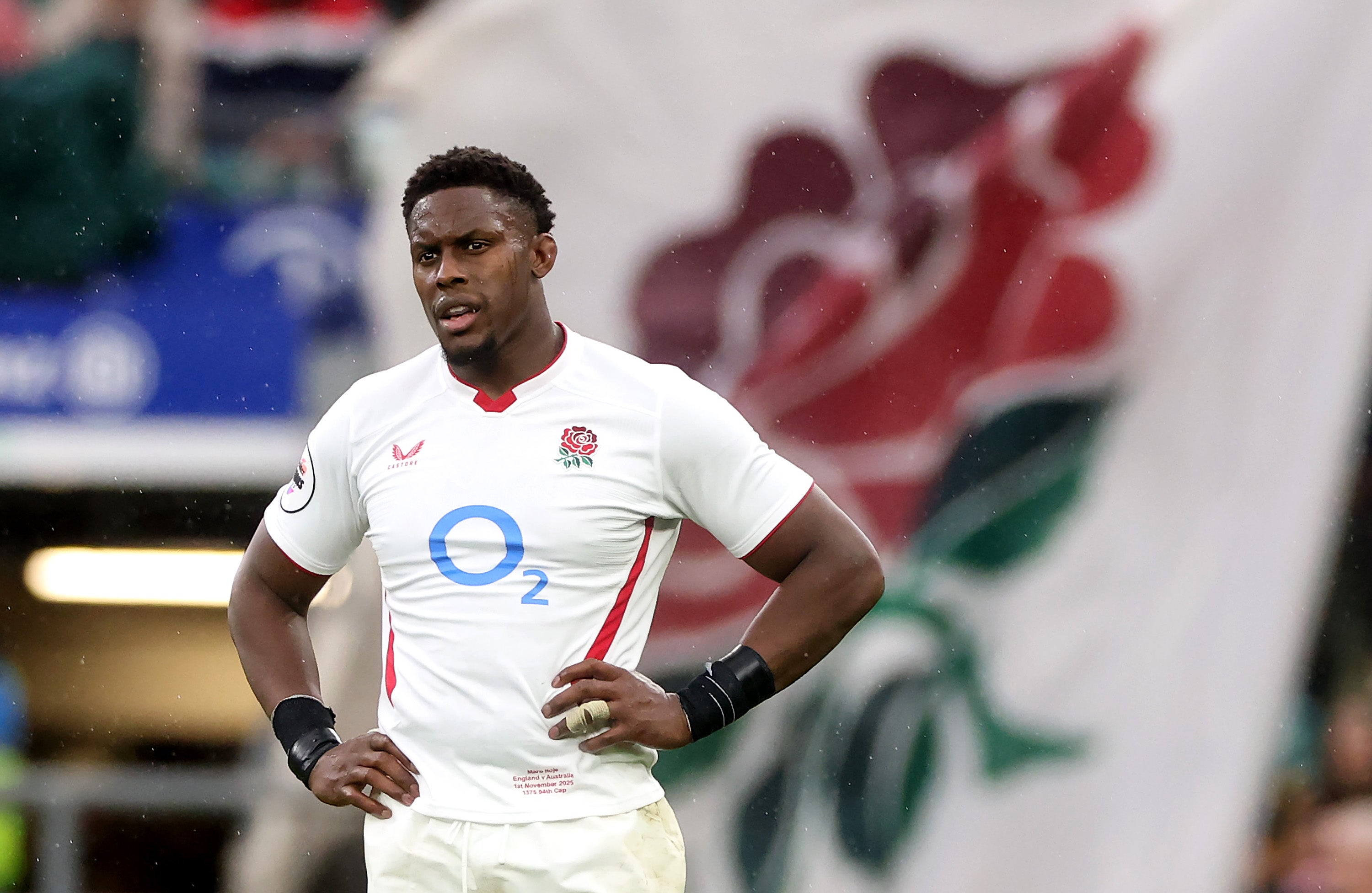
There have been 7623 minutes played, 1139 tackles made, 375 lineouts claimed, and 115 turnovers won. There have been 10 England lock partners, nine British and Irish Lions Tests, five Premiership titles, three Six Nations triumphs, club teammates born in 1978 and 2006 – but only one Maro Itoje.
There have been eight previous Englishmen to achieve a century of caps for their country but perhaps none have seemed so certain to reach the landmark as the current captain. Even before his first cap arrived almost exactly a decade ago, head coach Eddie Jones found himself having to temper expectations about a player he described as a Vauxhall Viva that he wished to turn into a BMW. “I want him to be a great rugby player and I don’t want him to be built up to be a headline before he’s a headline,” Jones explained. “So far he has done nothing. When he’s played a massive game for England, won lineouts, won a significant Test match, I’ll let you talk to him all week.” Needless to say, Itoje has done a lot of talking since.
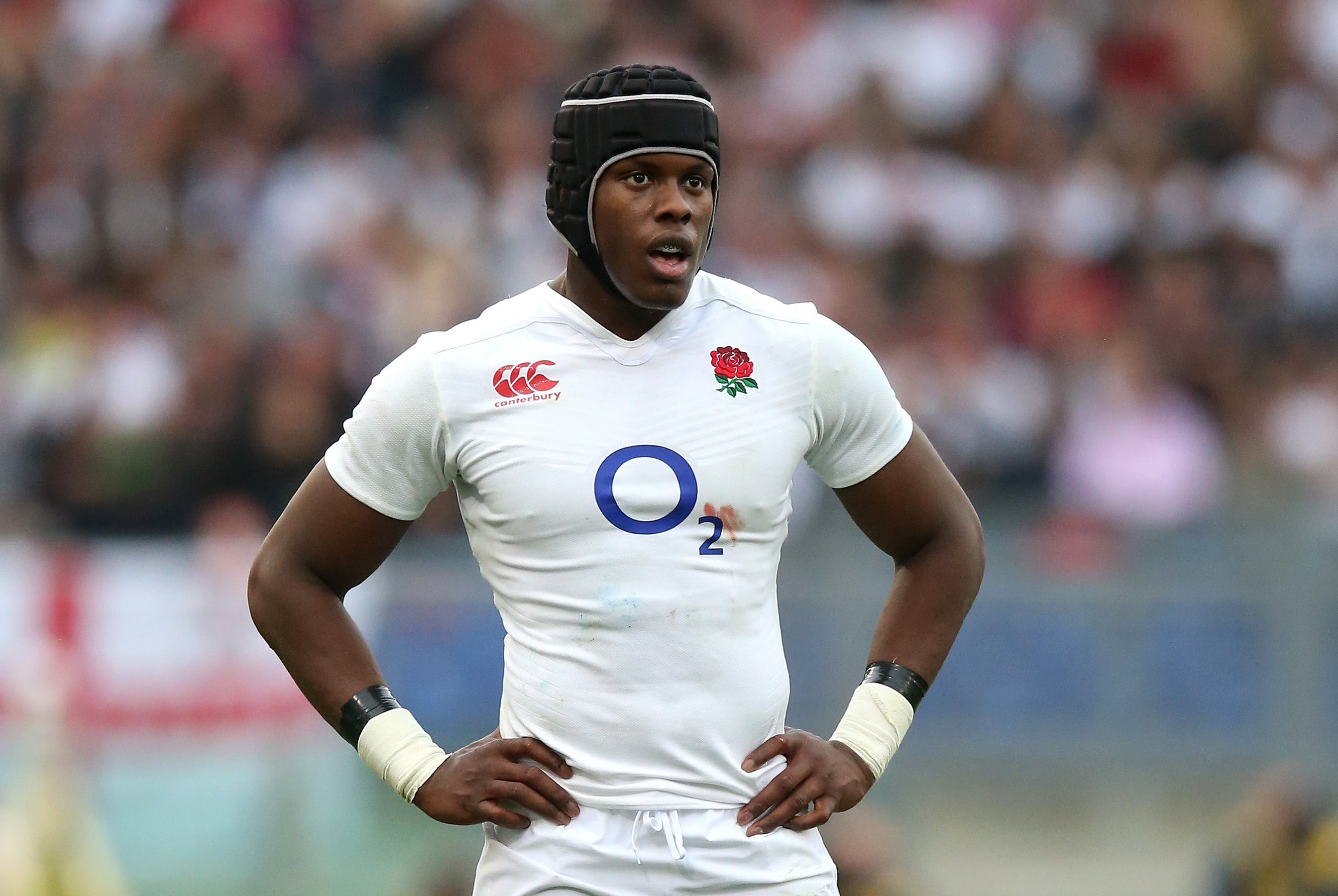
“I remember just being really nervous, really,” Itoje recalls of those first formative steps off the bench in Rome as he prepares to win his 100th cap against Ireland. “At the start of my career, I probably didn't have a full understanding of how to regulate the emotions leading up to a Test match. I remember thinking I'm not sure if I can do this every week because I was putting myself through emotional turmoil.
“The game’s a huge occasion but obviously building so much emotional energy towards it, I probably would have had a heart attack or stroke if I didn’t change my preparation.”
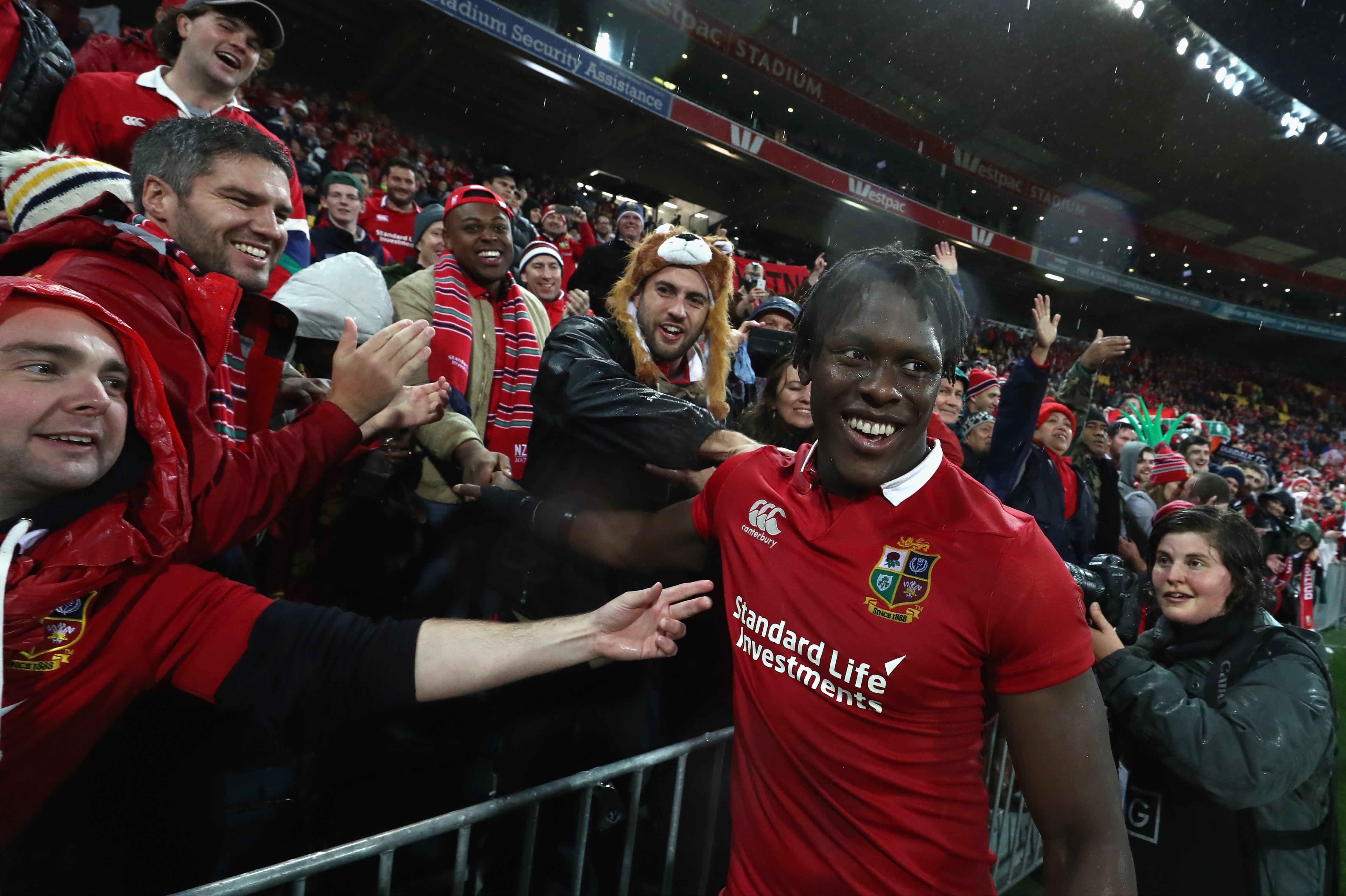
The Itoje today is a little older, a little wiser, but there were always signs of clear-eyed, calm and consistent communicator he has become. Even as a 21-year-old, there was something a little bit different about a lock who had come up through the Saracens academy and Harrow School; a former age-grade national-standard shot putter had everything you’d want in a rugby player, and a quiet confidence to back it up. Not prone to bombast or bravado, he is as considered and compelling an orator as any in the sport.
Jones once described the lock as too inward-looking to become his skipper – the achievements of last season as captain of club and country, and subsequent leadership of the Lions, have proved the Australian wrong. He is a collaborative captain, happy to let others with the leadership group take care of areas in which they are strong; Ellis Genge, Jamie George and George Ford all have key roles within his cabinet. “I think the biggest compliment I can give him is he's embraced the other great leaders we've got in the squad and he's encouraged them to be themselves and to lead in their own way,” assistant coach Kevin Sinfield explains. “I think that takes a special leader to really utilise and not feel threatened by those around him, to be able to use that support in a positive way.
Maro Itoje's second row partners
These 10 men have started in the second row alongside Itoje
George Kruis, Joe Launchbury, Nick Isiekwe, Charlie Ewels, Courtney Lawes, Jonny HIll, Ollie Chessum, Dave Ribbans, George Martin, Alex Coles
Late to the sport, Itoje’s first memories are of watching the 2007 Six Nations and World Cup on an old television with an antenna at school. “I was like ‘wow, look at this, this is amazing. The stadium’s full. Look at these guys singing the national anthem, they are superheroes’. I thought this would be incredibly cool and amazing to do that.”
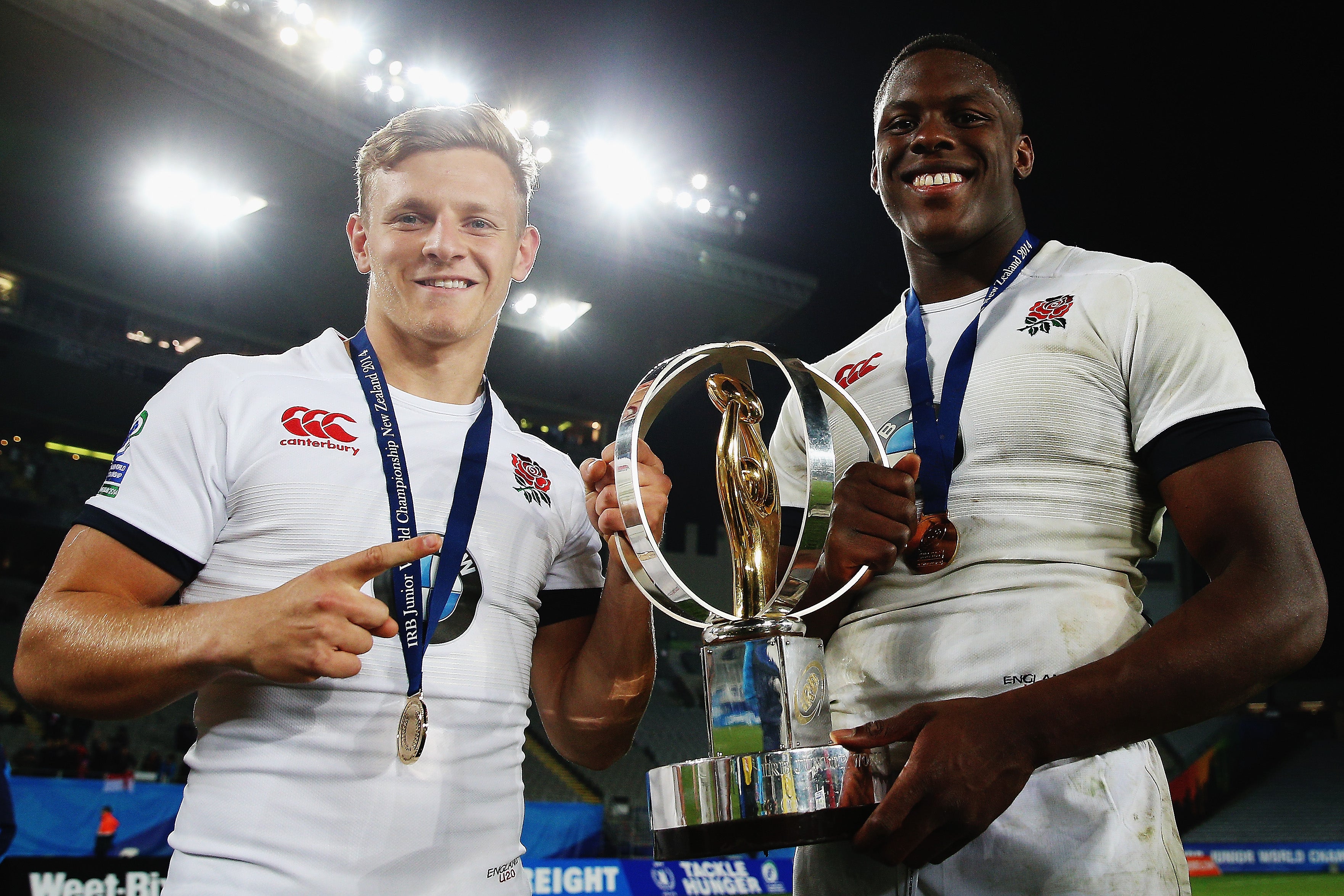
They were the final days of the golden 2003 vintage, a side that hit highs that even the great side that Itoje came into failed to reach. In November of 2024, the 31-year-old said in an interview with The Independent that he did not wish to be a player that simply accumulated caps, instead focussing on chasing trophies that have eluded him in the latter years of his international and club careers. If there is a strong chance that he concludes his career as England’s most capped male player, such individual achievements will count for little if they do not come in the pursuit of a collective goal. A World Cup-winning skipper at U20 level has similar ambitions for the senior side.
For that reason, then, a set-back against Scotland was hugely frustrating. “We have to win all of the other games,” Itoje underlines. “Winning all of the other games is well within our capability. I don’t think that is asking us to climb a mountain. We just need to make sure we focus on putting the performance we are capable of. We need to play with energy and vitality and start attacking the game straight from the off. If we do that I think we will have a good result this weekend.”
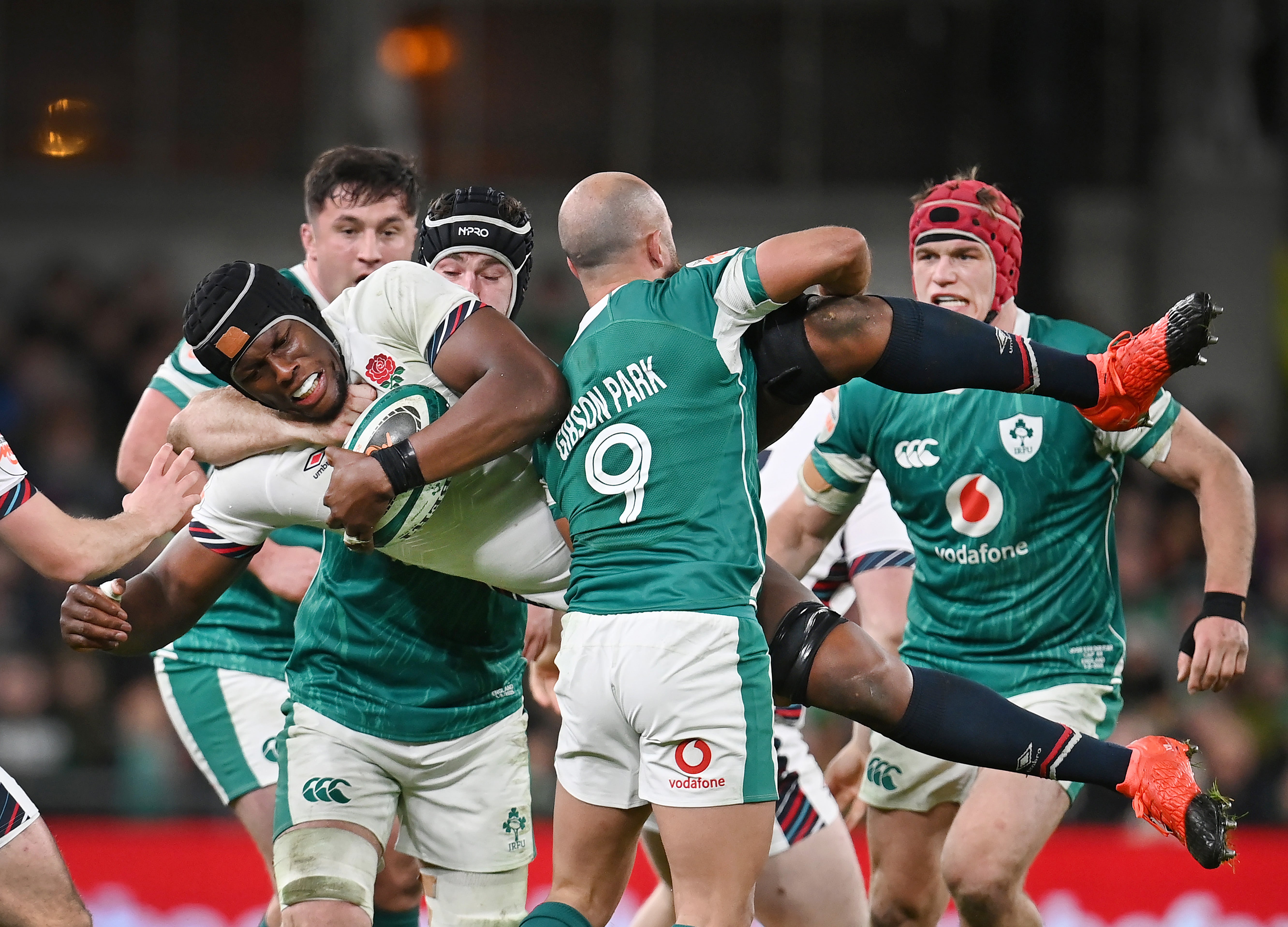
Amid the intensity of a battle with a virtual knockout clash with Ireland, there will be a thought, too, of the family members present and recently departed. “In many ways it’s a great milestone but ways it will be a little bit sad that my mother is not there to witness this,” Itoje reflects. I know she would have loved the occasion and everything about it. She’s not physically there but I know she will be spiritually there, cheering on from heaven when England get a dominant win.”
It is worth, too, reflecting on the significance of Itoje as a figure within the sport. While not the first Black man to captain England – Jason Robinson holds that distinction – he is a nonetheless important figurehead, the son of Nigerian parents raised in a series of English rugby establishments. In a week that has seen the debut of Edwin Edogbo overshadowed by racist abuse, and the allegations made by Vinicius Jr in football, Itoje spoke powerfully on the dangers of social media and how far there still is to go.
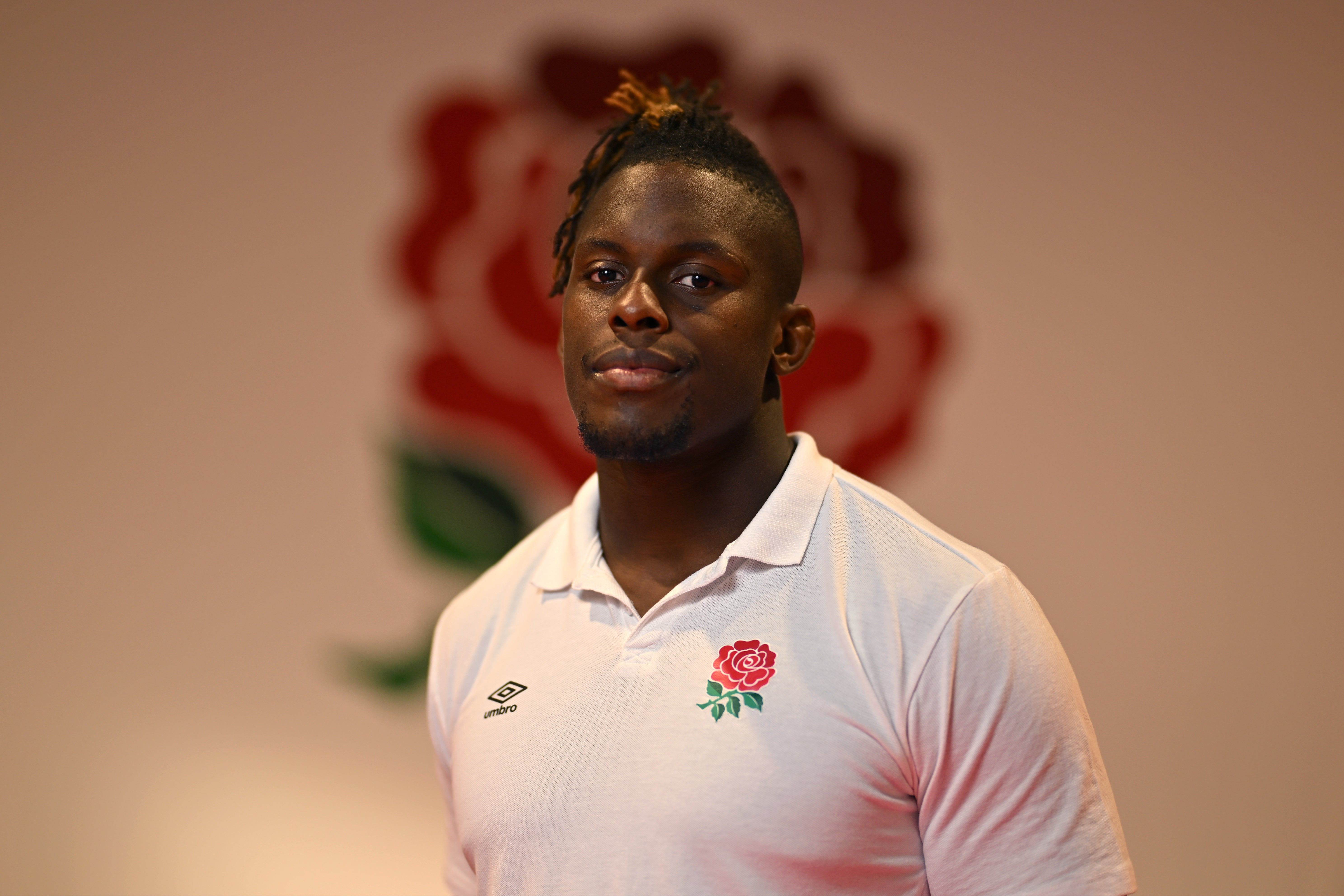
Itoje has used the phrase “no man is a monolith”; it is his strong belief that a player’s broader pursuits are as much a part of their make-up as anything they do on the pitch. Itoje’s charitable work with the Pearl Fund in Nigeria has been considerable, while he holds a deep interest in African art and politics; having ascended to the highest playing office in England, plenty inside and outside of rugby wonder what might come next, although Itoje is eyeing the business world, too. That, though, is a question for the future – there is still plenty left in the BMW’s tank.
Join our commenting forum
Join thought-provoking conversations, follow other Independent readers and see their replies
Comments
Bookmark popover
Removed from bookmarks