What Freddie Flintoff and Ricky Hatton tell us about men, mental health, and the importance of sport
By talking openly about their struggles and helping others recognise theirs, the likes of Ricky Hatton have transformed the way men think about mental illness, writes Jim White


Just before kick-off at the Manchester football derby on Sunday, there came a moment of rare unity. In the midst of tribal division, 55,000 people, of normally diametrically opposed blue and red persuasion, came together as one to acknowledge the local hero Ricky Hatton.
What was billed as a minute’s applause, in recognition of the esteem in which the former boxing world champion is held by his hometown, went on and on. Never mind that he was a lifelong City fan: there were just as many tears shed at his sudden loss in the sections of the Etihad stadium occupied by United supporters. Here was a loud, unanimous public acknowledgement of what Hatton meant to his fellow Mancs. Here was an outpouring of genuine affection for a local working-class lad who, through his own determination and skill, had become an internationally renowned sportsman.
But it wasn’t just his achievements that so endeared Hatton to so many. It was his character. Funny, self-deprecating, unfailingly kind, he was a model of how not to be tainted by celebrity. This was a man who charmed everyone he encountered. There was, though, something more to him.
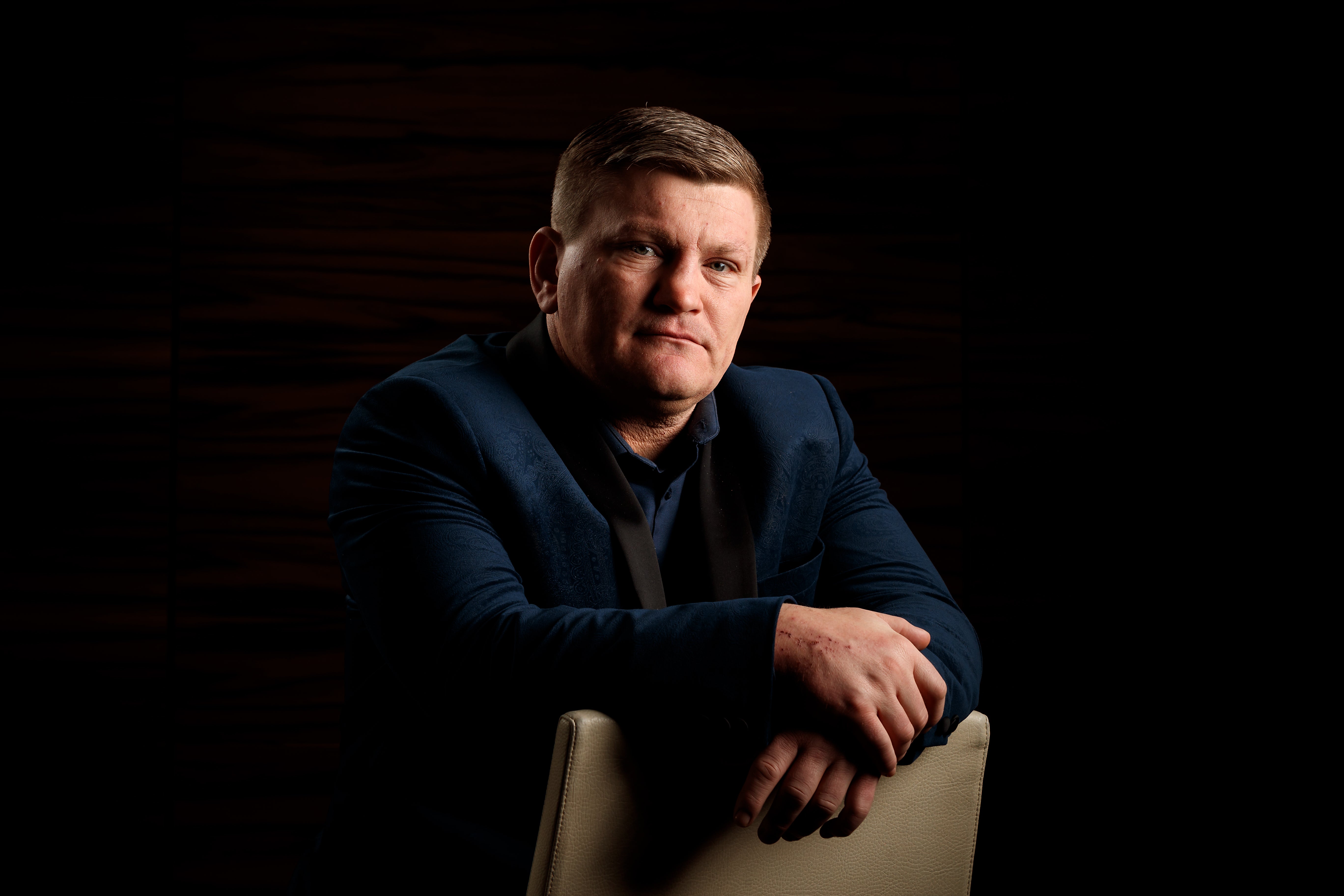
Hatton was someone who acknowledged his own issues, and spoke publicly and eloquently about his mental health problems: about how, after realising all his youthful dreams, he had become plagued by depression once his time in the ring was over. The downside had always been there, he told us. But being in the ring had kept it at bay.
He talked about how, when he hung up his gloves, his sense of identity and purpose were diminished; how it was only in the ring that he could really be himself. There he could be “the Hitman”. Just before his death, he’d announced he was to make a comeback of sorts in an exhibition fight. This, it was clear to the end, was a man who defined himself by his performance. A man who still needed to box.
Above all, his honesty was what chimed. Boys and men who had none of his success drew comfort from his openness: from the way he made it clear that anyone can be struck down by mental health issues; that wealth, celebrity and success offer no protection. His candour provided succour for so many. Blimey, they thought, if it can happen to a hero like him, then there’s nothing unusual in my own floundering. And Hatton was not alone among sportspeople in recently coming clean about his internal struggles.
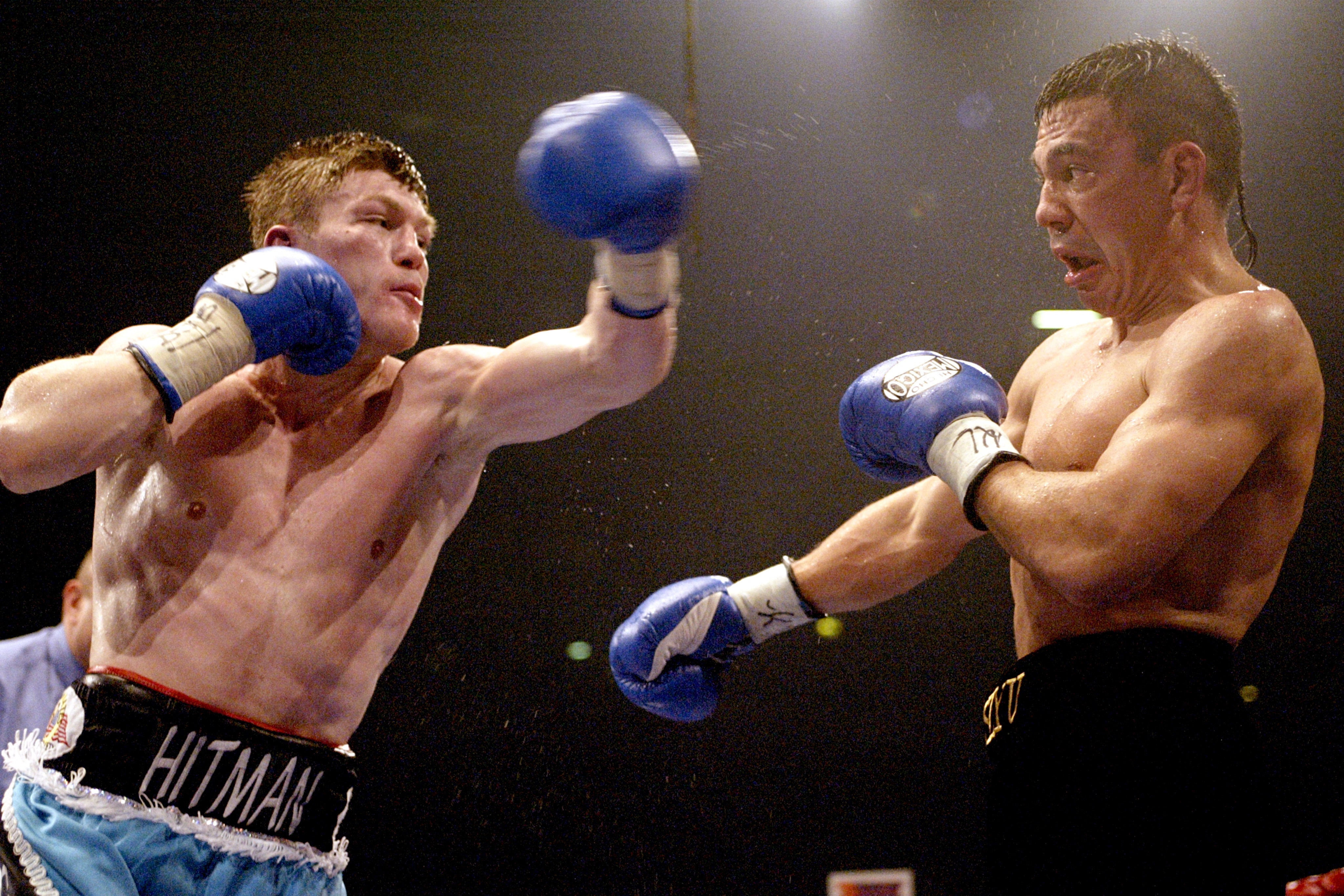
Swimmer Michael Phelps, tennis player Naomi Osaka, gymnast Simone Biles, Hatton’s fellow boxer Tyson Fury, poor old Paul Gascoigne: the list is not short. And every time someone of their prominence, their success, opens up about their inner turmoil, it resonates with the rest of us in a special way. These, after all, are our heroes, and they are going through the same problems as us. When they tell us, we listen. And sometimes we act.
Such openness is also something that simply wouldn’t have happened in the past. Even as recently as 20 years ago, the prevailing philosophy in sport was that to admit your failings was to show weakness. It was seen as giving an advantage to your opponent. Just as physical injuries could be run off, so what was going on in the brain should be ignored – and under no circumstances acknowledged.
Hatton would have been brought up to assume he could batter his internal problems in the manner he might smite a rival. Indeed, any deviation from the assumption of superiority was long regarded within sport as mere self-indulgence. Back in the 1990s, for instance, the footballer Stan Collymore, who throughout his life has been laid low by periods of acute depression, was dismissed as merely a shiftless, lazy waster of his own ability. Someone too self-absorbed to realise the talent with which he had been blessed.
The reaction within a game that, at the time, was suffused with macho bullishness was near universal. And entirely unsympathetic. He’s earning loads of money playing football, and he can’t get out of bed in the morning: what’s his problem?
These days, things are different. There is an understanding that the best performance is achieved when the body and brain are in harmony. If you have a problem, don’t hide it – work on it as you might a physical drawback. Nowhere has the shift in philosophy and understanding been better communicated than in the television series Freddie Flintoff’s Field of Dreams.
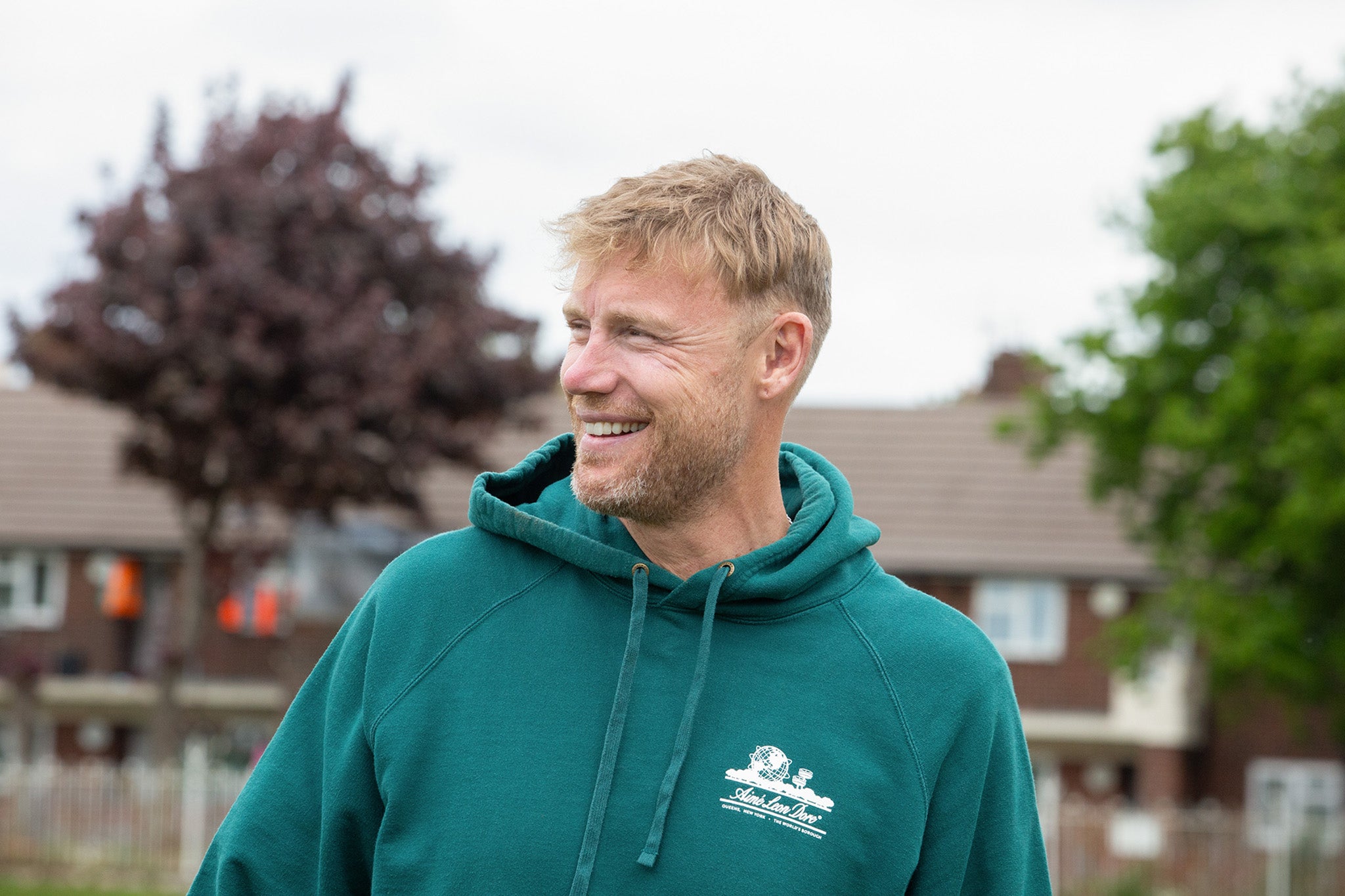
The premise of the show, now in its third series, is that Andrew “Freddie” Flintoff, the former England cricket captain, himself of working-class origin, takes a bunch of inner-city kids and, using the vehicle of creating a cricket team, teaches them valuable lessons about camaraderie, teamwork, discipline and focus.
His point – proven in so many of the cases he has dealt with – is that sport provides a unique platform for the delivery of socially vital messages. He’s not just teaching the youngsters in his programme how to bowl a googly or hit a reverse sweep. He recognises that these are kids with myriad mental health issues, many of them disguising their insecurities by adopting disruptive behaviour.
Flintoff is a man who understands. He has admitted he has long had his own torments. When he was a young player, rising up through a game that was then almost brutal in its macho assumptions, he recalls how he countered his own anxieties by becoming a different character. He was no longer Andrew: he became Freddie. Naturally shy and nervous in company, in order to negotiate the intricacies of the dressing room, he adopted the persona of a loud, hard-drinking, verbally scathing lad. It was a defence mechanism built on attack.
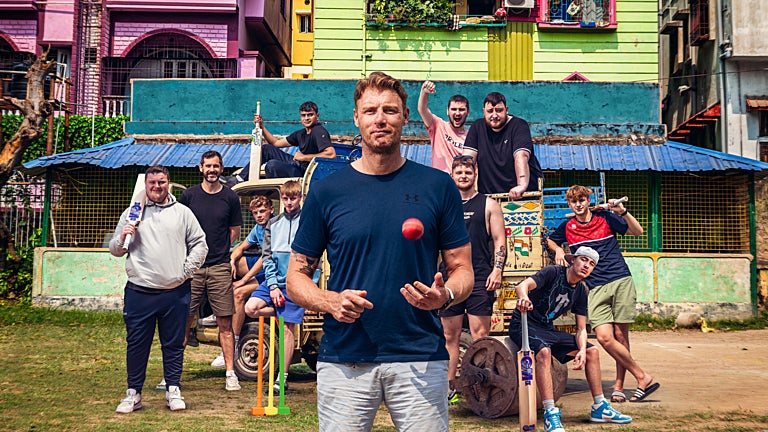
He can see it in his cohort of the failing and abandoned: when in doubt, act the fool. He is one of them, he understands. So when he sits down with them as individuals and helps them to open up about their anxieties, his kindly sympathy and acknowledgement of their issues doesn’t just make great television – it demonstrates that sport can be therapy. Here is a place away from formal settings, away from education, away from the home, where not only can you learn about application, determination, and how to work with others, but equally, you can just get stuff off your chest.
This is what sport can do: aside from making you physically fitter, it help you with your internal issues, too. Ricky Hatton would have approved.
If you are experiencing feelings of distress, or are struggling to cope, you can speak to the Samaritans, in confidence, on 116 123 (UK and ROI), email jo@samaritans.org, or visit the Samaritans website to find details of your nearest branch
If you are based in the USA, and you or someone you know needs mental health assistance right now, call or text 988, or visit 988lifeline.org to access online chat from the 988 Suicide and Crisis Lifeline. This is a free, confidential crisis hotline that is available to everyone 24 hours a day, seven days a week. If you are in another country, you can go to www.befrienders.org to find a helpline near you
Join our commenting forum
Join thought-provoking conversations, follow other Independent readers and see their replies
Comments
Bookmark popover
Removed from bookmarks