The change Stokes and McCullum must make to fix England after Ashes debacle
England’s ultra-aggressive philosophy has been found out, writes Cameron Ponsonby in Sydney, with Ben Stokes and Brendon McCullum tasked with settling on balance and changes on the road to the 2027 Ashes


It was too little, too late.
The ends throughout this series have always been good. Ben Stokes’ and Will Jacks’ blockathon in Brisbane. The fightback at Adelaide. The run chase at Melbourne. The fire shown in Sydney. England have lost the Ashes 4-1.
You can always rely on this team to turn up at some point. It’s just that they’ve never been on time.
Despite reports that Brendon McCullum and Rob Key will be given the chance to turn things around, change is afoot for England. The thought process is that before they change the men, they’ll give the men an opportunity to change.
Key, currently, feels like a sideshow in this. He is the least high-profile of the leadership trio, and given that we know Stokes is staying, the microscope falls onto McCullum. A man strong in his convictions, the idea he will want to bend feels unlikely, to the point of impossible.


“Am I for being told what to do?” McCullum said to Test Match Special following play at Sydney. “Of course I’m not. But at the same time, I’m not pig-headed enough to think there’s not some areas that we can improve on.
“Once we digest what has unfolded over the last two months and start to plot and plan a way forward, if you’re the man in the chair to do so, then you do so with a similar conviction in your methods – albeit with a couple of tweaks.”
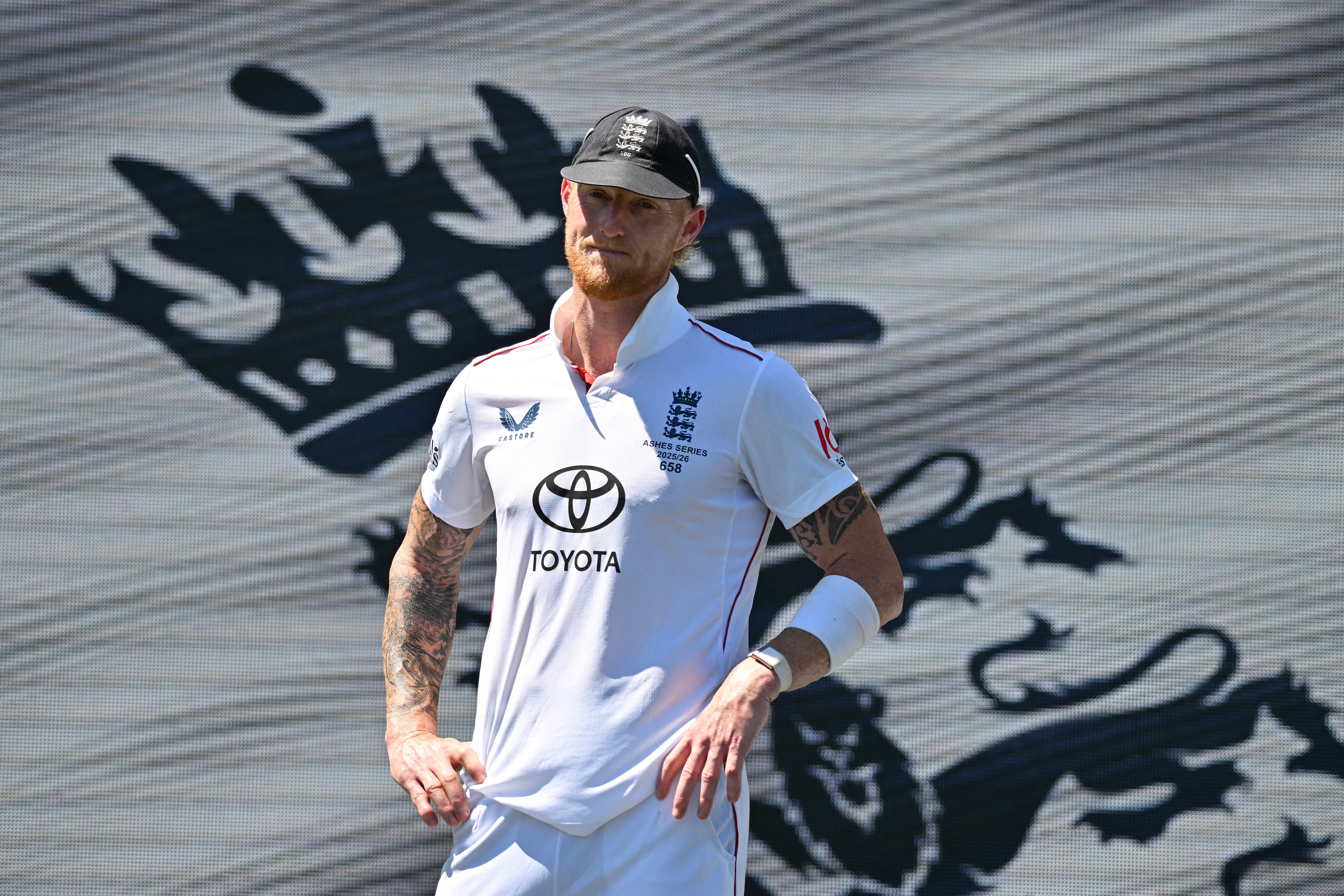
McCullum will be in charge for the upcoming T20 World Cup that starts next month, meaning it is the three-month period between the conclusion of that tournament and the start of England’s Test summer when a final decision on his future will be made. Contracted until the end of 2027, it is reported that McCullum’s payout, were he to be removed now, would be in the low seven figures.
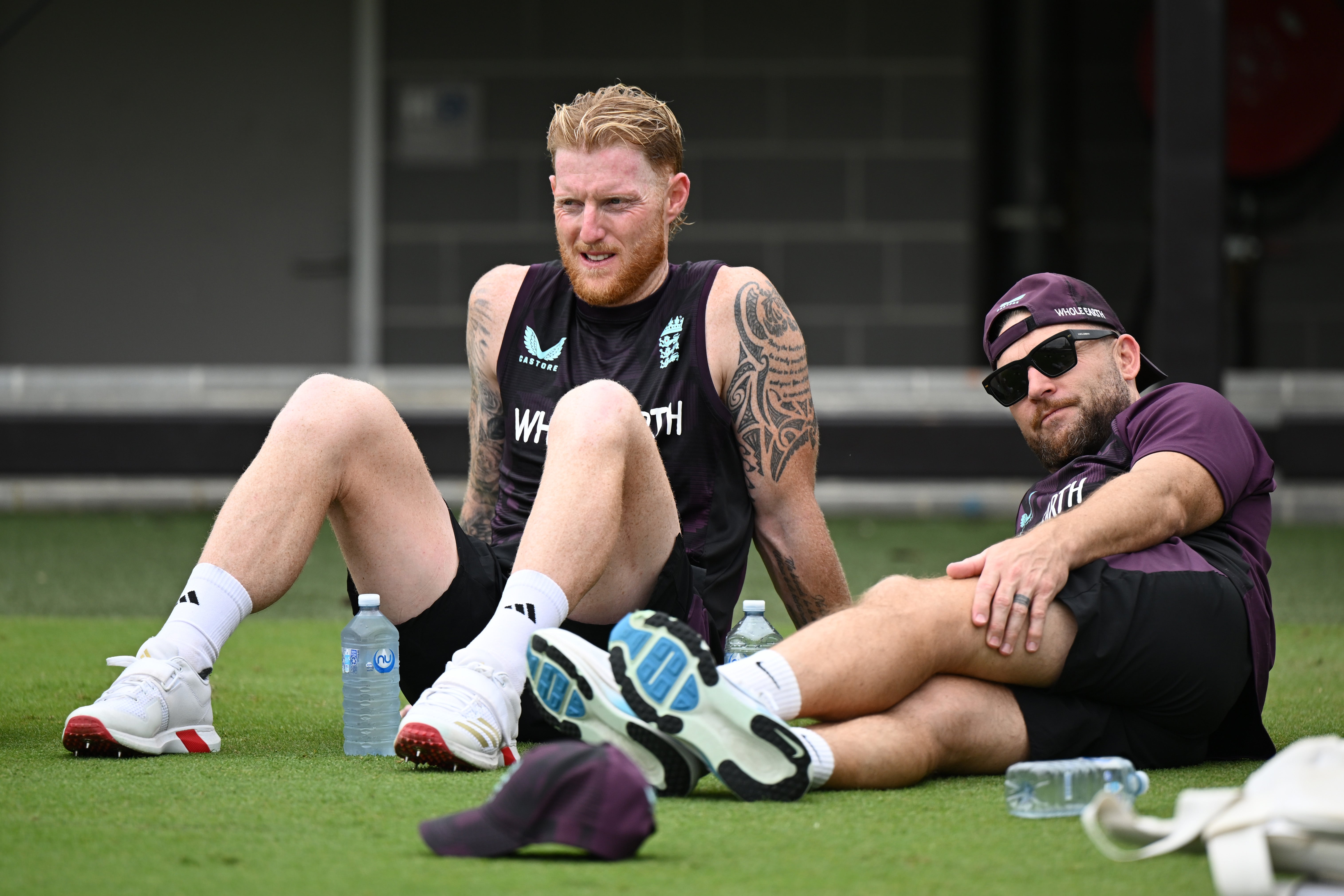
But it is not only between the England and Wales Cricket Board (ECB) and McCullum where an agreement and a middle ground will have to be found. Stokes and McCullum must come together as well.
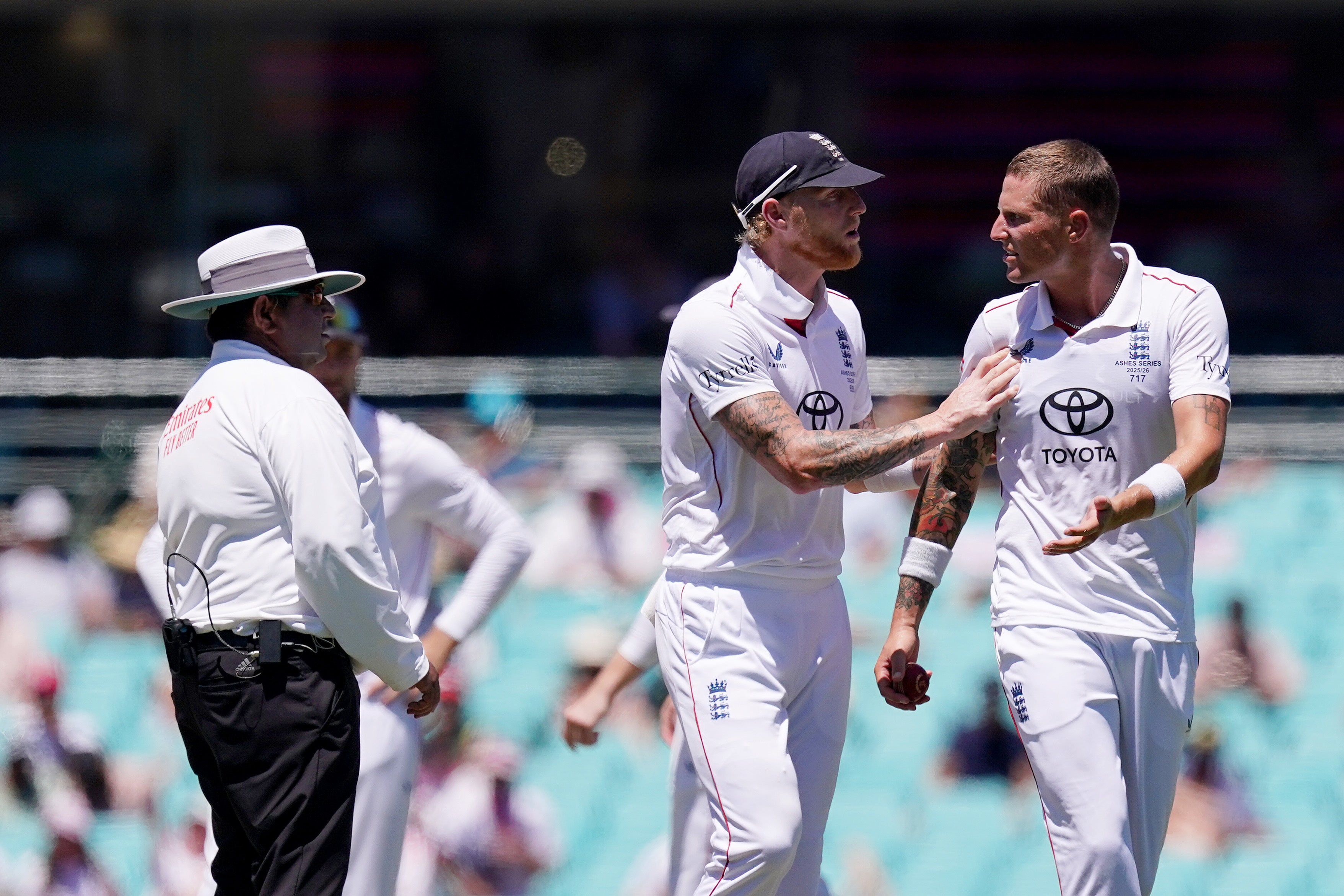
Across the Ashes, the pair’s messaging parted ways for the first time across their joint tenure. Stokes implored his men to “fight”, and insisted that his changing room was “no place for weak men”. Meanwhile, McCullum spoke of the need for England to stick to their values.

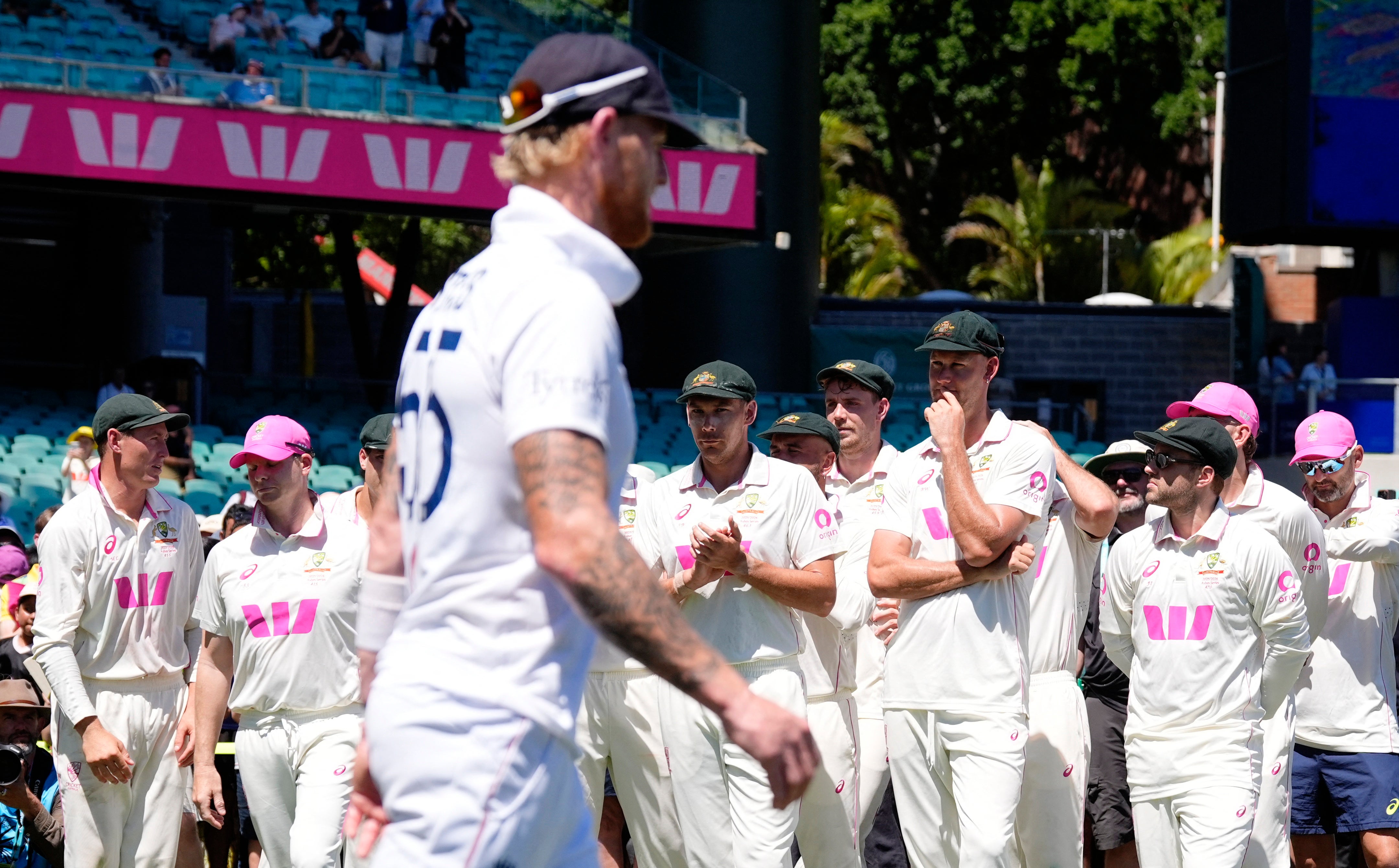
Stokes insists publicly that he and McCullum are as close as ever. And that friendship off the field allows them to be forthright with each other about matters on it. McCullum says much the same. But there is now a point of difference between the two. Of the style of cricket England will play in the future, Stokes believes it will be more traditional after teams have found ways to combat their previously ultra-aggressive style.
“You’ve seen in certain moments across the series,” Stokes said, “where we have been positive and taken risks and it has paid off in our favour. But there’s moments throughout the series and even before that where we’ve almost gifted the flow of the game back to the opposition.”
England won the first 10 of their 11 matches under McCullum and Stokes. But in the three years since, they have lost as much as they have won. Of the four marquee five-match series against India and Australia that they have played, they have won zero.
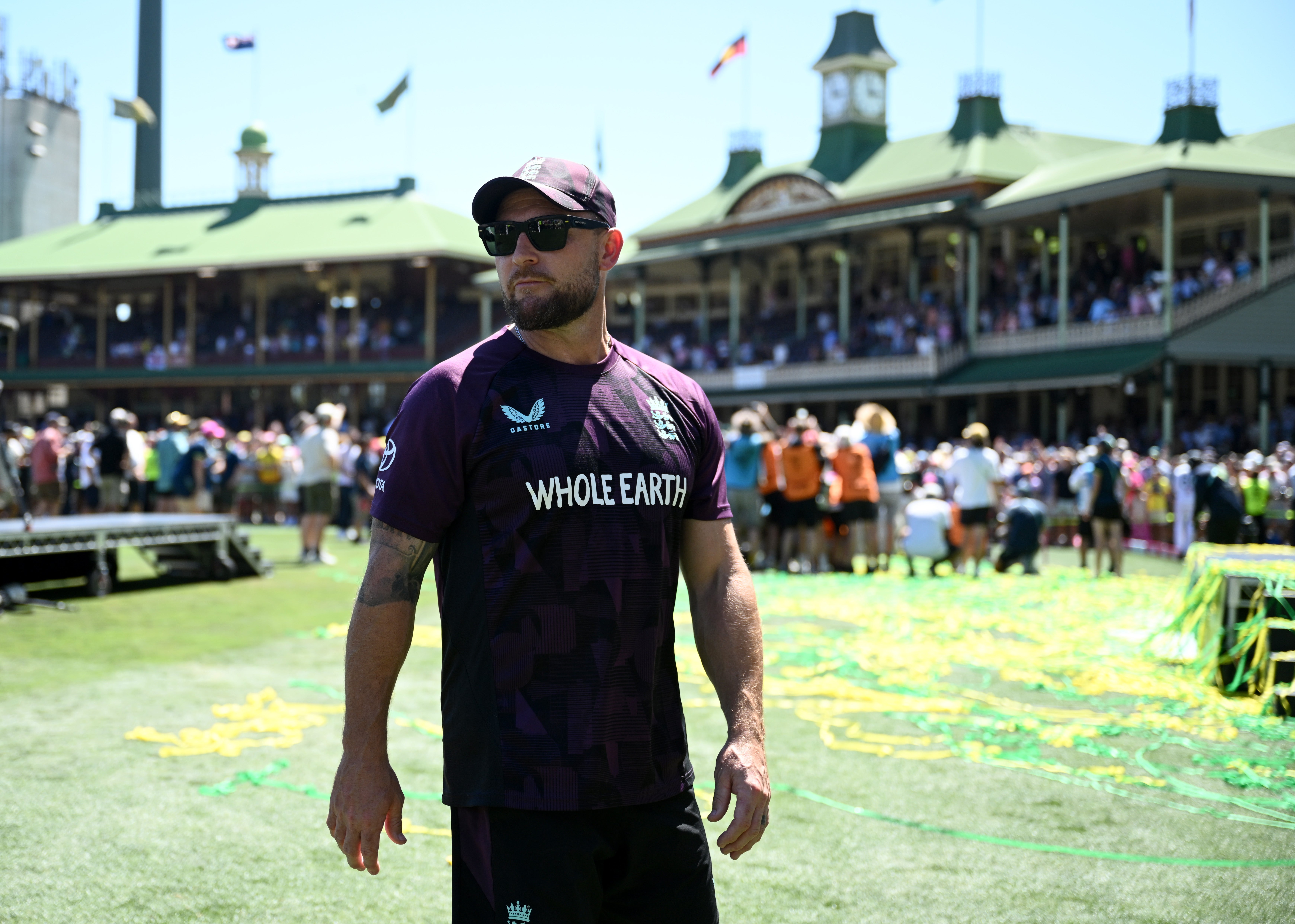
“We’ve started losing more,” Stokes said. “We’ve not won the big series we want to be winning. And when a trend is happening on a consistent basis in the way that you don’t want it to happen, that’s when you do need to go look at the drawing board and make some adjustments that you think are going to get you back on the path of success.”
The authenticity of that message, delivered by either McCullum or Stokes, will feel hollow to an extent. They have spent the best part of four years giving a clarion call for a particular style of playing, training and living. But now that will change. Stokes is happy to deliver that message; how comfortable McCullum will be is another matter.
Ultimately, this series will be looked back on with regret. It wasn’t expected that England would come out here and win, but it was expected that they would come out here and compete. That the series was wrapped up in 11 days will forever be a source of disappointment.
When Stokes started as captain, he was surrounded by a team of his peers. James Anderson, Stuart Broad, Jonny Bairstow and so on. He is now in a room surrounded by his players. He carries a level of autonomy and power that few captains before him have ever experienced. He is followed to the point of worship by his men. The lack of other leaders in the dressing room itself is an issue.
It’s for these reasons he will remain. Whether strapped up and broken, or in his full role as an all-rounder. Stokes’ contract runs until the conclusion of the 2027 Ashes, at which point he’ll be 36. The writing for a fairytale ending is already on the wall. Whether McCullum is with him, however, feels far less likely. Sometimes, relationships end. This could be one of those times.
Join our commenting forum
Join thought-provoking conversations, follow other Independent readers and see their replies
Comments
Bookmark popover
Removed from bookmarks