The bitter rift that defined Prince Naseem’s absorbing career
After the release of Giant, a film starring Amir El-Masry and Pierce Brosnan, Steve Bunce retraces the rise and fall of one of Britain’s most-polarising fighters – and the acrimonious split from legendary coach Brendan Ingle

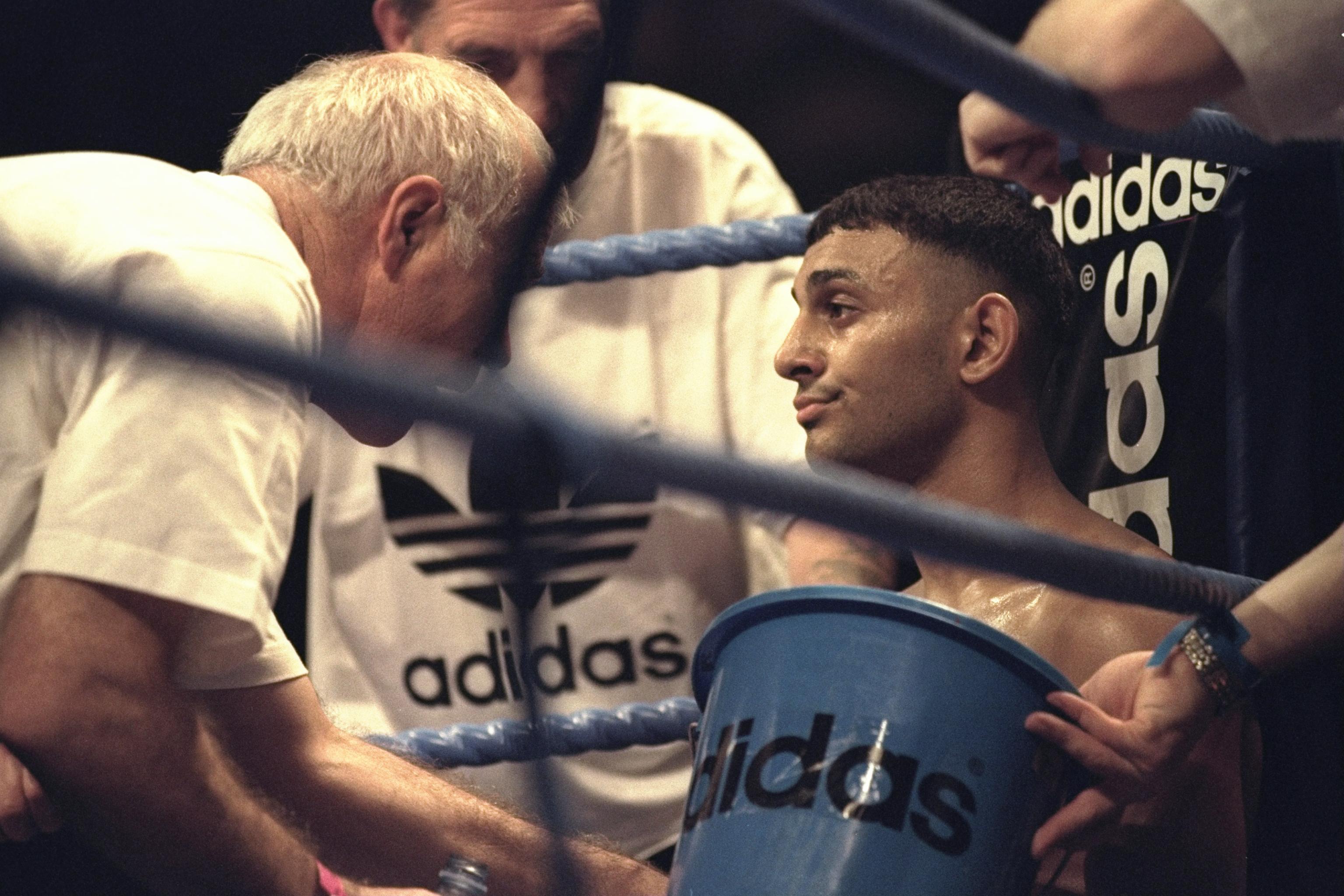
“Prince” Naseem Hamed was a one-man boxing revolution in the Nineties and dominated the British business. His rise and fall was spectacular at the time, and his impact is still discussed now; Hamed was also a divisive fighter on both sides of the ropes.
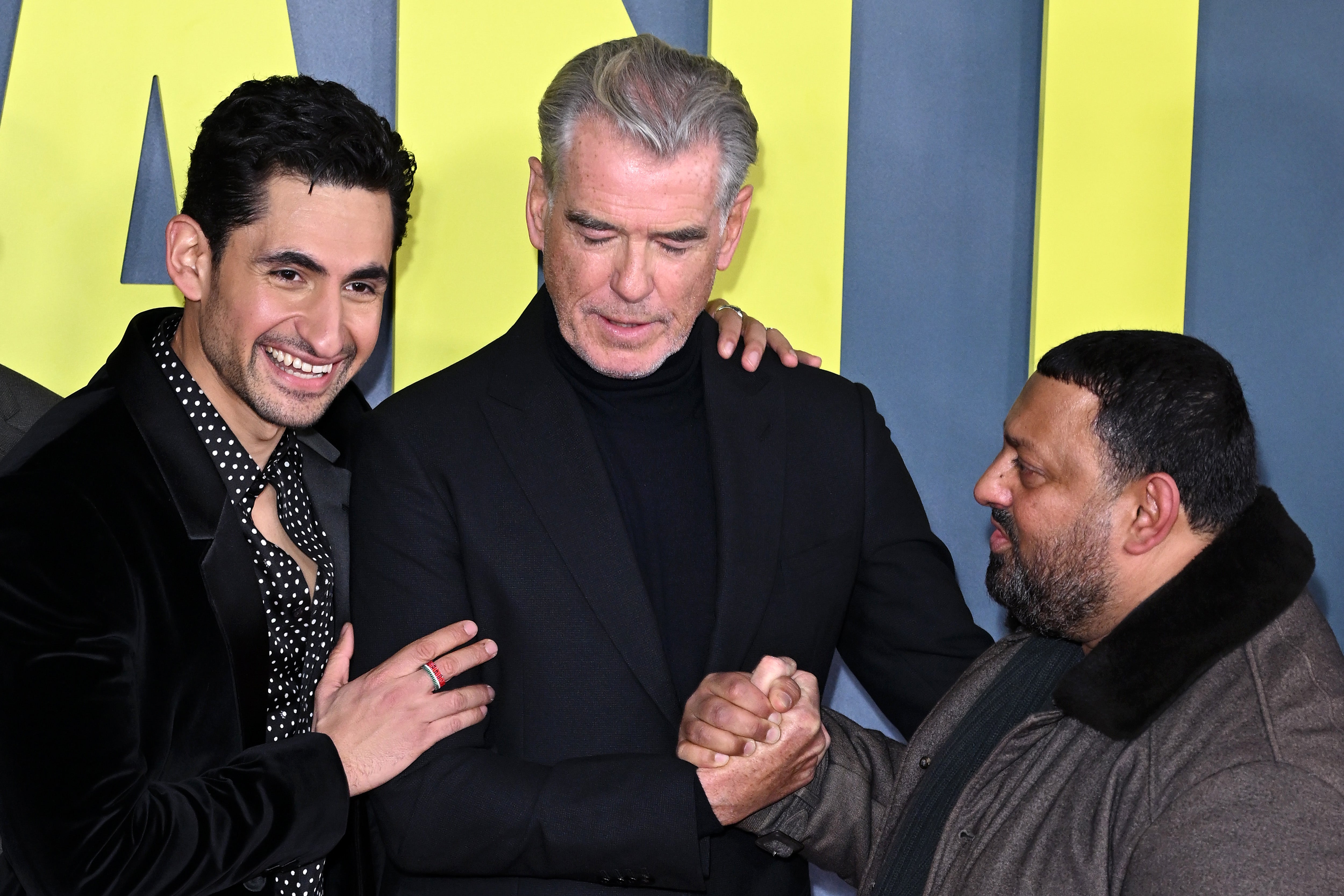
The recent release of Giant, a film documenting the love and then fallout between Hamed and his coach, Brendan Ingle, has also divided people inside the boxing business.
Ingle, portrayed in Giant by Pierce Brosnan, was a softly-spoken trainer, based on a forgotten hill on the outskirts of Sheffield, and he made boxing champions at his gym in Wincobank. Hamed, played by Amir El-Masry, was his most-splendid creation and his most-damaging split. He was also Hamed’s main defender, as Naz’s flashy style drew mixed reactions and accusations of cockiness.
“I hear Naz described as awkward, and that is crazy,” insisted Ingle in 1994. “He is gifted. The problem is that people don’t know what a bolo punch is, and they don’t recognise the skill involved when Naz slips a counter.”


The fallout, when it inevitably came, was gruesome to witness up close and personal, and several stories emerged for the reason the pair split; most notably there were tales about money and greed. They remained estranged up until the time of Ingle’s death in 2018.
Hamed’s early fights went out late at night on ITV, and there was an instant following, but not from the broadcasters or national newspaper boxing writers. “Don’t call us, we’ll call you,” said iconic commentator and influential fight figure, Reg Gutteridge, after Hamed won the European title in 1994. Hamed was just 20 and brilliant that night in Sheffield.
In the next few years, he was untouchable, winning versions of the world title, dropping his opponents, winning thrillers and fighting in New York and Atlantic City. The relationship with Ingle was fractured by 1997. In boxing, money rifts are never fixed.
Hamed was also very busy and that helped build the fanbase; he fought six times in 1994, five in 1995, won four world-title fights in 1996 and five in 1997. He switched from ITV to Sky in 1995 and was the satellite channel’s biggest star. He had 17 consecutive knockouts on television, including brutal displays in front of audiences of over 10m on ITV. He was a superstar.
In late 1997, Hamed went to Madison Square Garden to defend his title against local fighter Kevin Kelley. It finished in round four; both were over. It was a crazy fight, but Hamed finished it in style. It was also the fight where it was clear that the relationship between Ingle and Hamed was broken beyond repair.
“I hope that people recognise what went right,” said Frank Warren, Hamed’s promoter. “An unknown from Sheffield came to New York, set new featherweight records at the box office, attracted 12,000 people, got up from knockdowns and knocked out the local hero. That’s a good British success story.” And it certainly was.
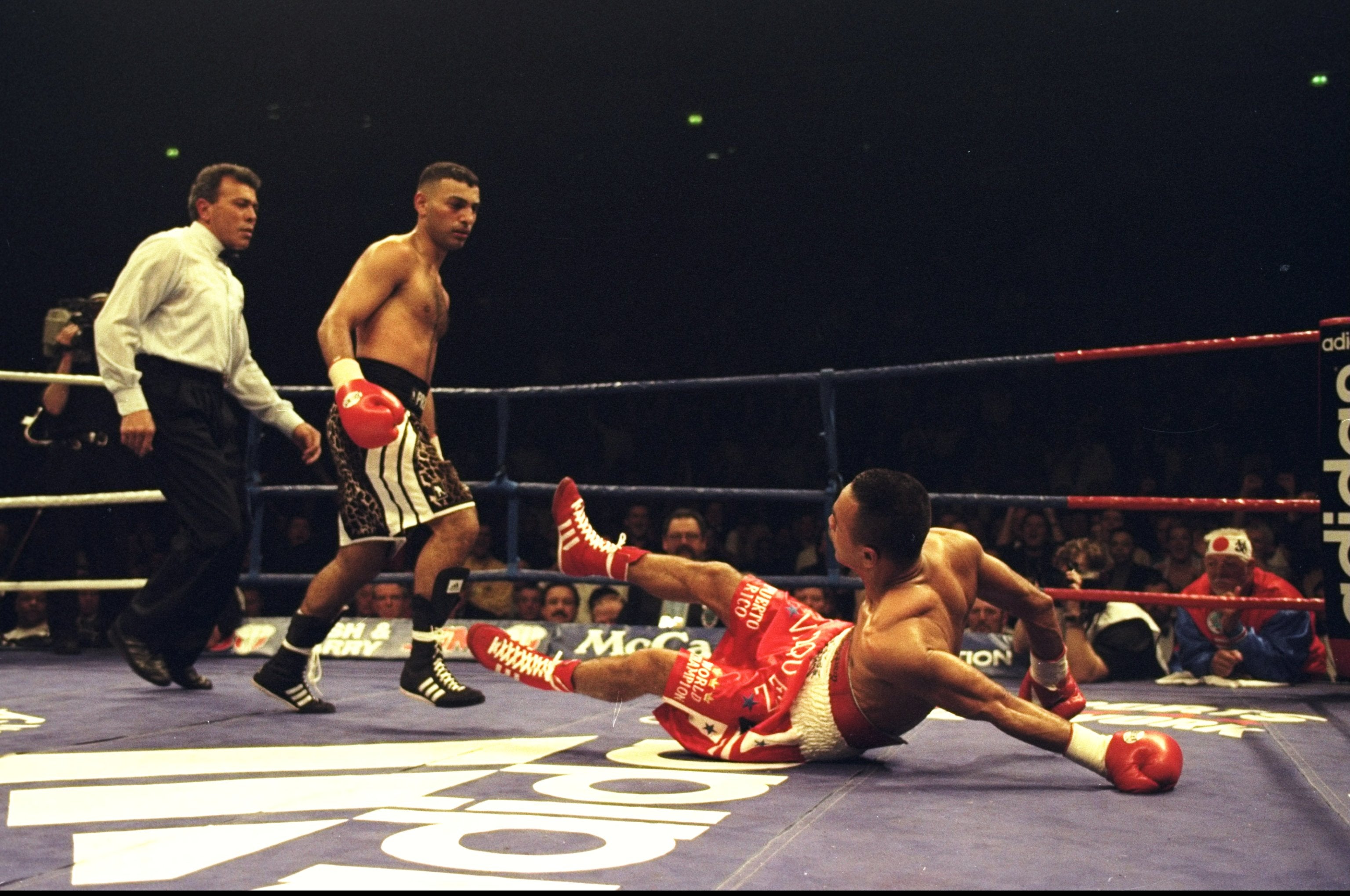
The following year, Hamed ruined a man called Wilfredo Vazquez, who was the WBA champion but opted to walk away from the belt to fight for Hamed’s WBO version. Vazquez was dropped five times and stopped in the seventh; it was particularly savage. The relationship with Ingle was also nasty – they were barely talking.
Ingle was on fire that week in Manchester: “They will pay 10 per cent of 4,000 [pounds], even 10 per cent of 2,000, but once it gets to 40,000 or 4m, they start listening to everybody telling them the same story: ‘Why are you paying that much? You do the fighting.’ Well, I will tell you why: I’ve just spent 15 years, seven days each week and about eight hours each day. That’s why.”
Hamed was brilliant, one of the top three British boxers from the last 60 years. Ingle was also a genius, and together they were unbeatable.
Join our commenting forum
Join thought-provoking conversations, follow other Independent readers and see their replies
Comments
Bookmark popover
Removed from bookmarks