A ground breaking discovery: Scientists find new sources of moonquakes that could impact lunar landings
The findings could have implications for NASA’s Artemis program, which aims to returns Americans to the lunar surface for the first time in over 50 years
The moon has been shaking, according to scientists at the Smithsonian Institution, with potential impacts on human space exploration.
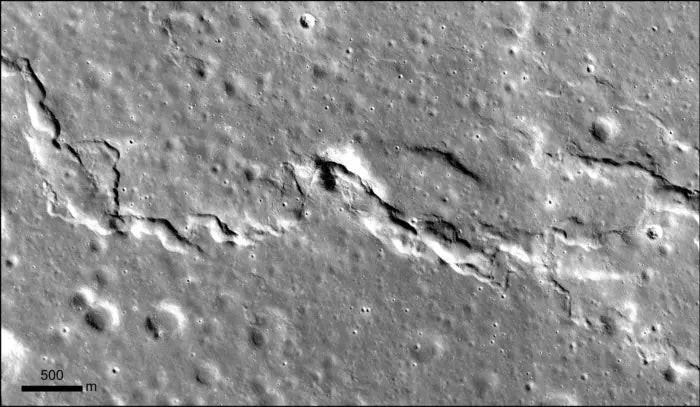
Researchers at the Washington, D.C., institute have created the first-ever map of the satellite’s small mare ridges - geologic features stretching across the moon’s vast, dark plains that indicate tectonic activity.
Analysis of this map revealed that the ridges had been made fairly recently during the celestial body’s more than four-billion-year history, and are widespread.
While it’s long been known that the moon produces moonquakes caused by the gravitational pull of the Earth, the moon’s interior and meteoroid strikes, the map reveals potential new sources of the tremors.
This could affect future sites for human lunar landings, as NASA races to return to the moon with its Artemis program over the next few decades.
“This work helps us gain a globally complete perspective on recent lunar tectonism on the moon, which will lead to a greater understanding of its interior and its thermal and seismic history and the potential for future moonquakes,” Cole Nypaver, a post-doctoral research geologist at the Center for Earth and Planetary Studies, said in a statement.
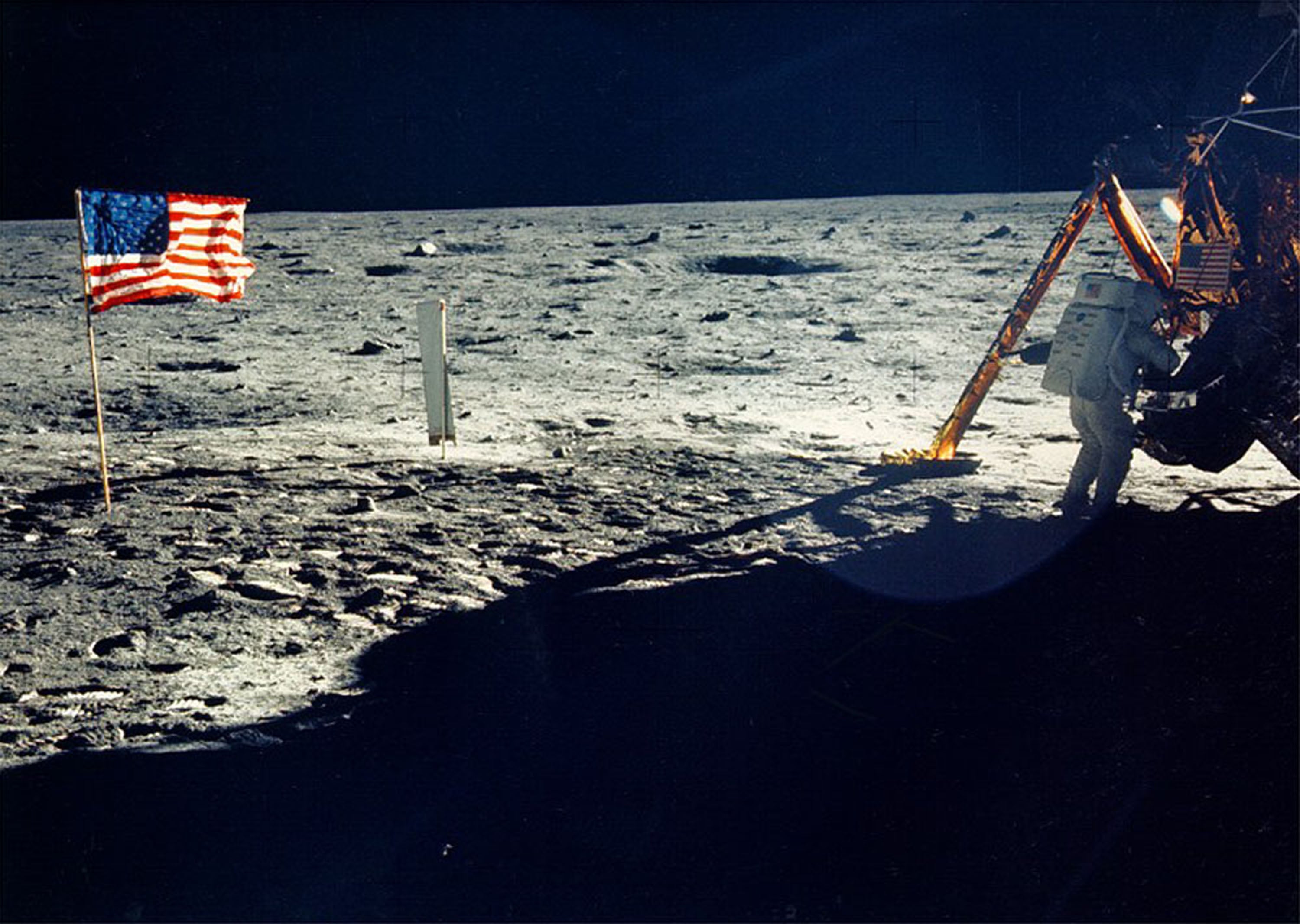
A first for lunar discovery
The team discovered more than 1,100 new ridges across the nearside of the plains known as the “lunar maria.” That raised the number of ridges that have been discovered on the lunar surface to more than 2,600.
They found that the average ridge was 124 million years old - a small fraction of the moon’s lifespan.
And, the researchers identified similarities with previously identified curved hills known as “lobate thrust fault scarps” or “lobate scarps.” The hills are created due to stresses inside the lunar crust and have formed only within the last billion years.
The ridges they discovered are formed by the same processes that create these hills, and the hills often become these ridges in the lunar maria.
“Since the Apollo era, we’ve known about the prevalence of lobate scarps throughout the lunar highlands, but this is the first time scientists have documented the widespread prevalence of similar features throughout the lunar [maria],” said Nypaver.
Threats to humans in space
The findings indicate that moonquakes - linked to lobate scarps, too - could occur across these plains where there are ridges, as well as that there might be more seismic threats to human exploration than scientists thought.
NASA’s upcoming Artemis program plans to return Americans to the lunar surface for the first time in more than 50 years and, eventually, build a base for future endeavors. Humans will once again land on the moon no sooner than 2027.
“A better understanding of lunar tectonics and seismic activity will directly benefit the safety and scientific success of those and future missions,” Nypaver said.
The findings also add to research from NASA and the Smithsonian - including one of the researchers involved in the new analysis - showing that the moon was shrinking due to tectonic action caused by heat loss, crinkling the surface.
“The moon is still quaking and shaking from its own internal processes,” Nathan Williams, a post-doctoral researcher at NASA’s Jet Propulsion Laboratory in Pasadena, California, said in a statement in 2019. “It’s been losing heat over billions of years, shrinking and becoming denser.”
Join our commenting forum
Join thought-provoking conversations, follow other Independent readers and see their replies
Comments
Bookmark popover
Removed from bookmarks