Ramadan ushers in a month of fasting, worship and charity for Muslims
Muslims worldwide will begin daily fasting from dawn to sunset as Ramadan begins
Muslims worldwide will begin daily fasting from dawn to sunset as Ramadan starts, marking a period of worship, reflection and charity.
The holy month, the ninth in the Islamic lunar calendar, brings families together for meals to break the fast.
This year, Ramadan is expected to begin around February 18 or 19, as it depends on the sighting of the crescent moon.
The actual start date may vary among countries and Muslim communities due to declarations by multiple Islamic authorities around the globe on whether the crescent had been sighted or different methodologies used to determine the beginning of the month.
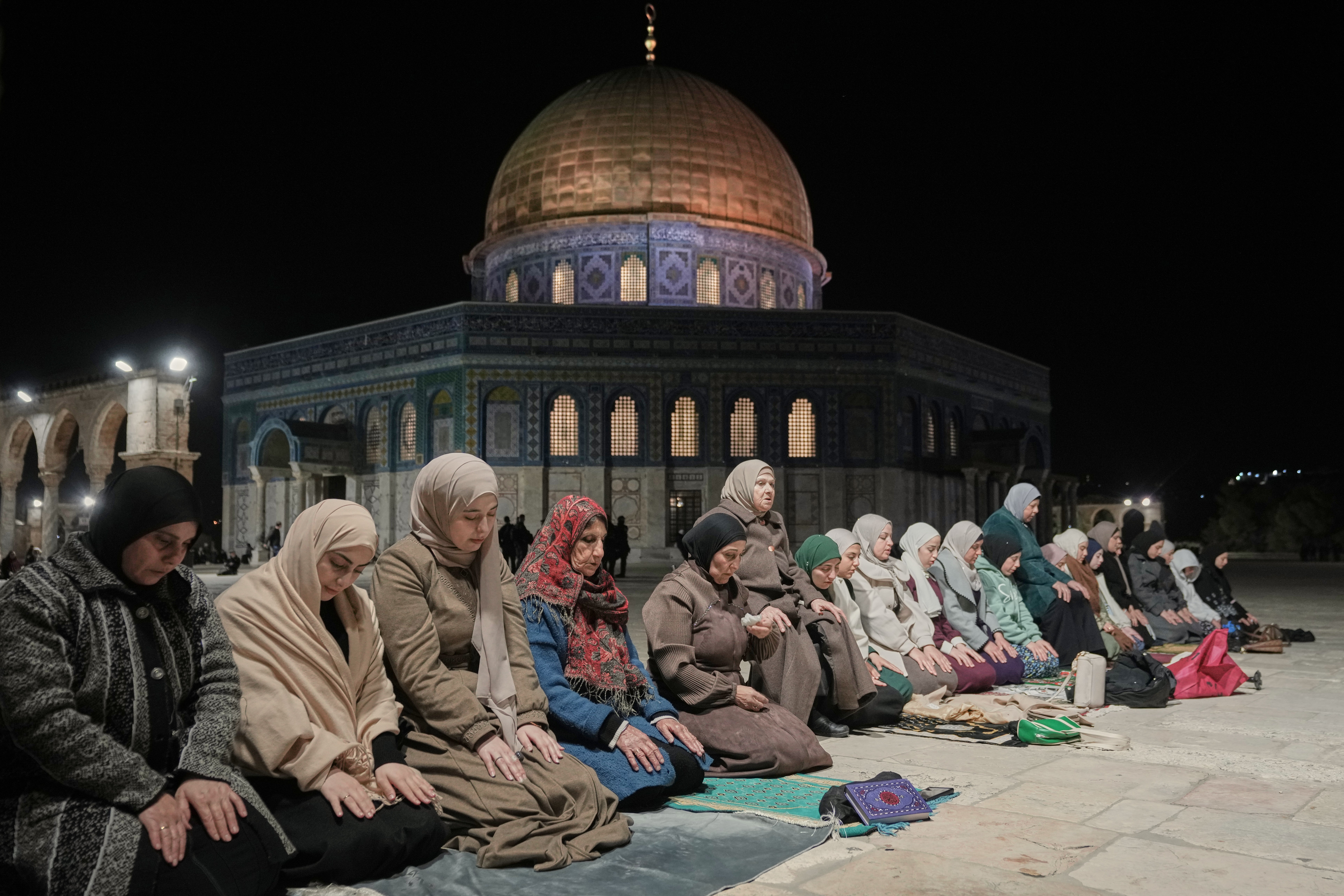
This year, the start of Ramadan is expected around the same time as Ash Wednesday, a solemn day of fasting and reflection that signals the start of Lent, the most penitential season of the church calendar for Catholics and many other Christians.
Fasting is one of the Five Pillars of Islam, along with the profession of faith, prayer, almsgiving and pilgrimage.
Ramadan is followed by the Islamic holiday of Eid al-Fitr.
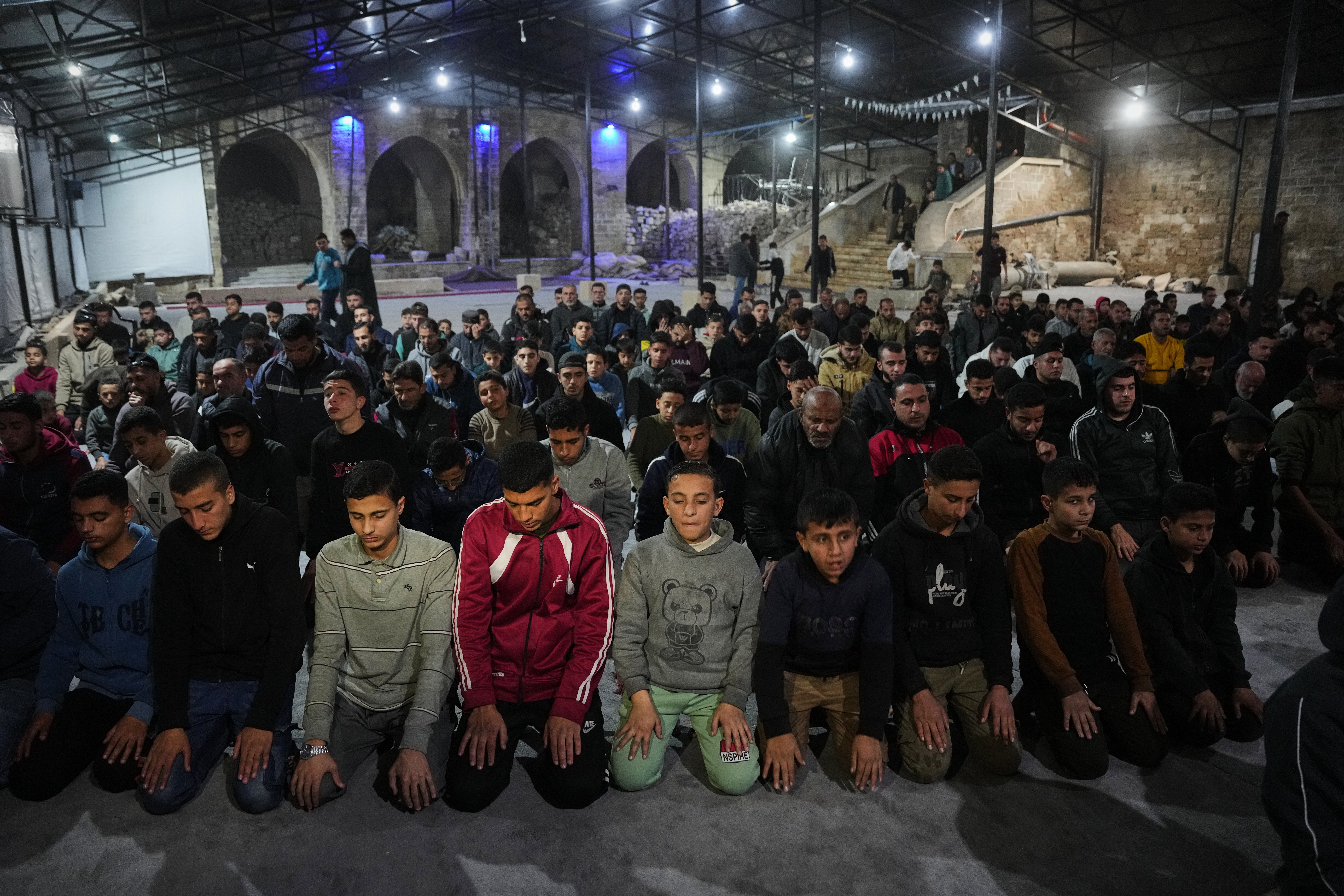
Muslims see various meanings and lessons in observing the fast.
It’s regarded as an act of worship to attain piety and one of submission to God.
The devout see benefits, including practicing self-restraint, cultivating gratitude and empathizing with people who are poor and hungry.
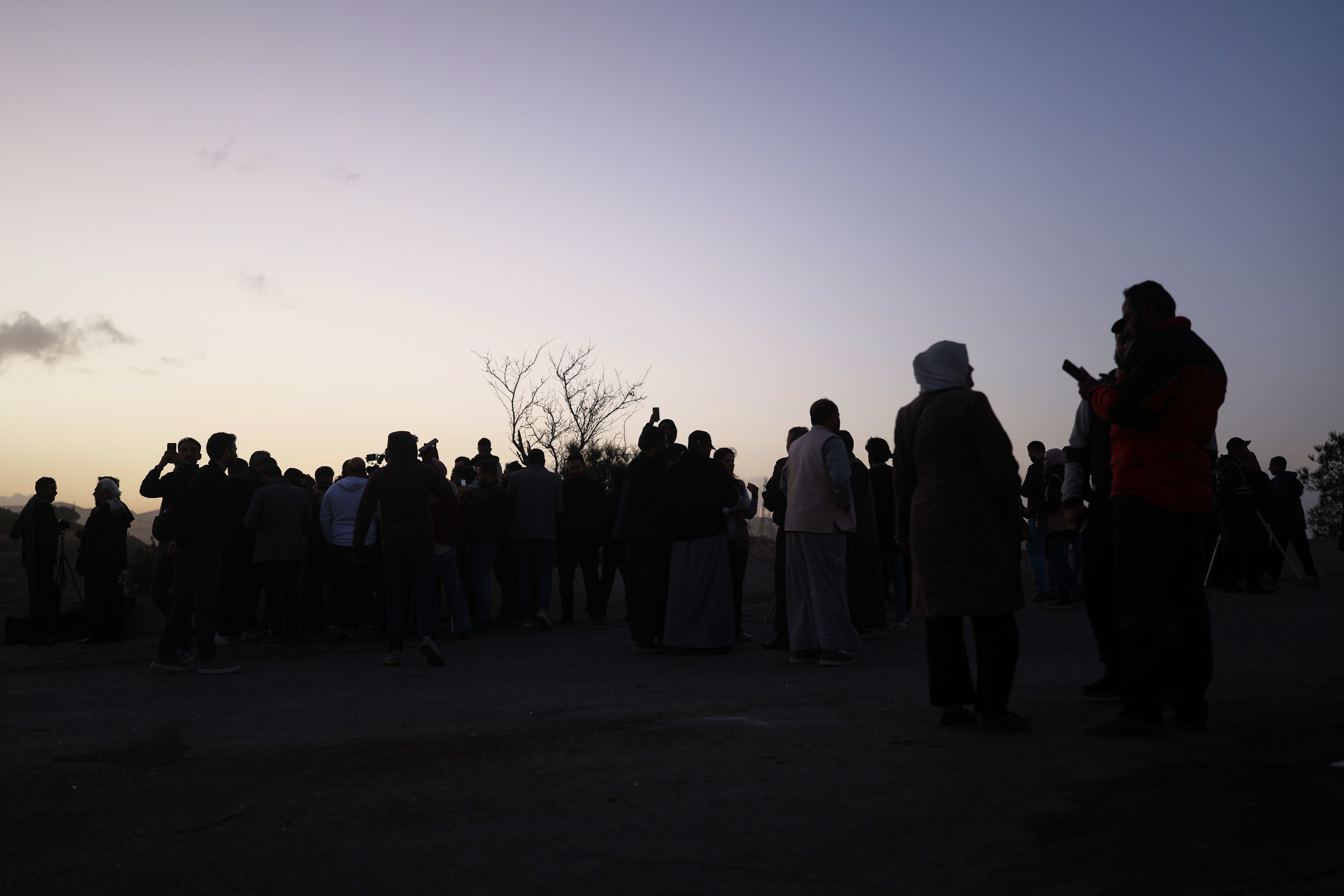
The daily fast in Ramadan includes abstaining from all food and drink — not even a sip of water is allowed — from dawn to sunset, before breaking the fast in a meal known as “iftar” in Arabic.
Muslims typically stream into mosques for congregational prayers and dedicate more time to religious contemplation and the reading of the Quran, the Muslim holy book.
Charity is a hallmark of Ramadan. Among other ways of giving, many seek to provide iftar for those in need, distributing Ramadan boxes filled with pantry staples, handing out warm meals alongside such things as dates and juice or helping hold free communal meals.
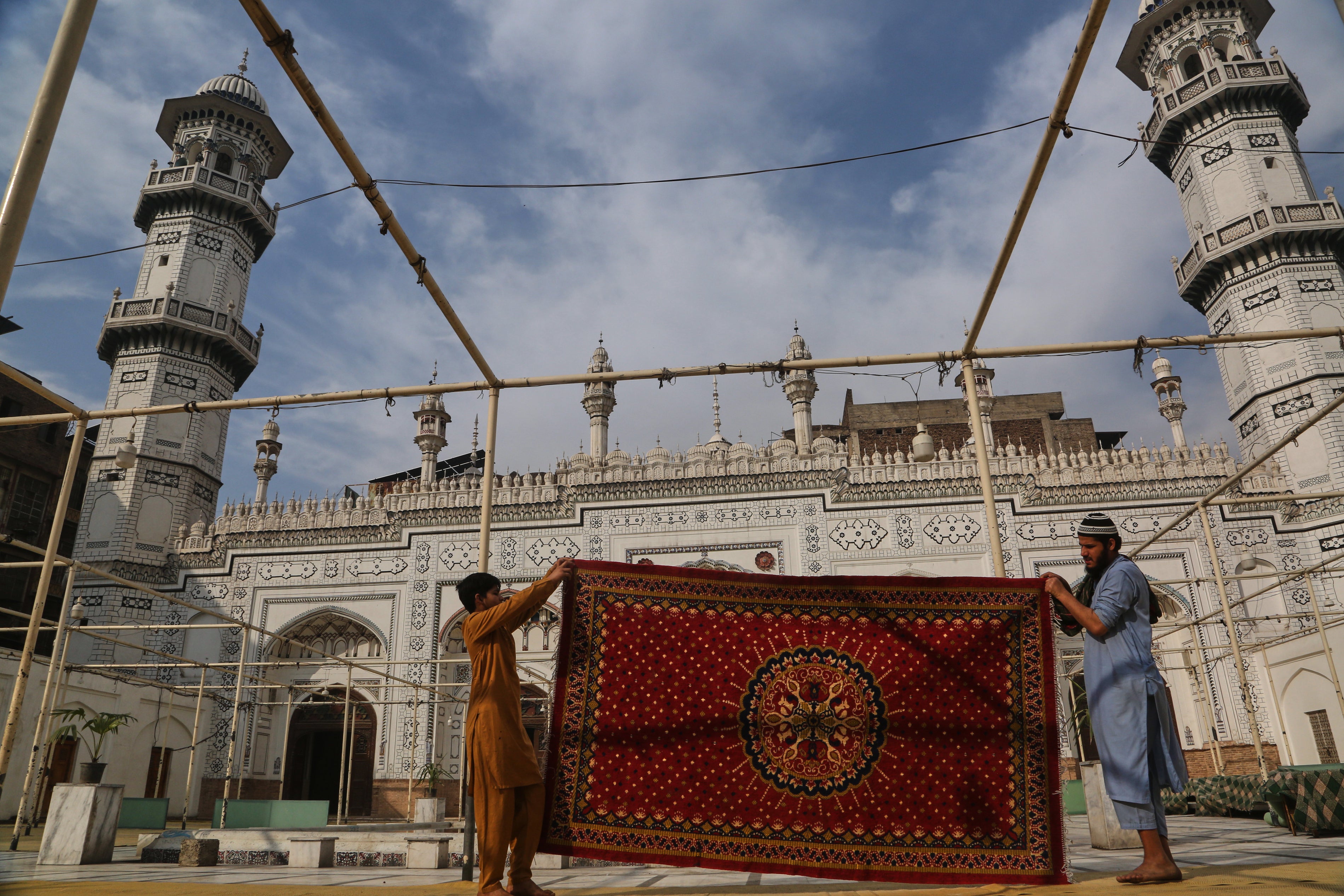
Muslims eat a predawn meal, called “suhoor,” to hydrate and nurture their bodies ahead of the daily fast.
There are certain exemptions, such as for those who are unable to because of illness or travel.
Those unable to fast due to being temporarily ill or traveling need to make up for the missed days of fasting later.
Bookmark popover
Removed from bookmarks