Why Iran is the wrong war for Trump to back
Trump may be very proud of his ‘armada’ off the coast of Iran but the US president could look good, back a winner, and support his allies by leaving Tehran alone and helping Ukraine win instead, writes world affairs editor Sam Kiley
Chaotic, unprincipled and dangerously effective, Donald Trump’s latest foreign policy move in Ukraine may provide a brief respite from Russian bombing in plunging temperatures that have left civilians freezing in their homes.
The danger lies in what he expects to get in return for securing a week-long agreement from Vladimir Putin to hold off on tormenting Ukraine. The concession he will, no doubt, demand is that Kyiv give in to the Kremlin’s demands to hand over his most potent defensive lines and fortress cities without a shot being fired in return for a longer “ceasefire”.
Trump has been backing the wrong side in Ukraine, and may soon launch a war in Iran that he cannot control.
US negotiators have been trying to get Volodymyr Zelensky to agree to cede all of Donetsk and most of Zaporizhzhia and Kherson provinces as a reward for Russia’s bloody invasion that has, by many estimates, cost the country 1.2 million casualties.
The US administration has cut all military aid for Ukraine and allows only an intelligence feed to Kyiv’s forces, leaving its energy system so vulnerable to air attacks by Russia that most Ukrainians have no power in their homes.
Support from America for a Western democracy has collapsed under Trump.
But he has what he calls an “armada”, led by the Nimitz-class aircraft carrier USS Abraham Lincoln, that is threatening Iran.
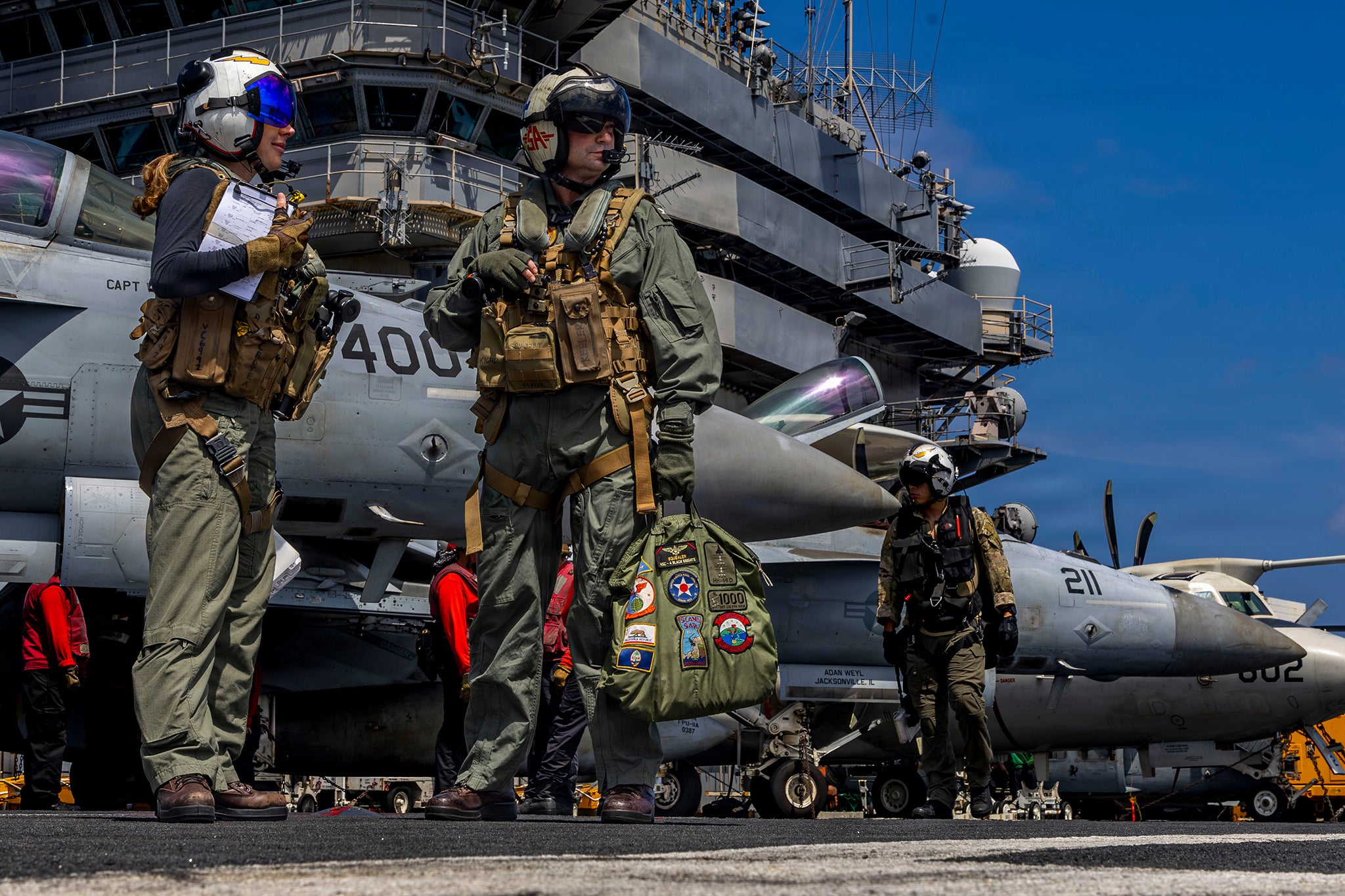
That’s a staggering amount of firepower to back his demands that Tehran give up its shattered nuclear programme, its potent missile forces, and end support for proxy groups like Hamas in Gaza and Hezbollah in Lebanon and Iraq.
He has abandoned all talk of intervening in Iran for the reason of protecting protestors who are demanding an end to the regime that has ruled since 1979 – even though he encouraged them to take to the streets and promised that “help is coming”.
Bombing a country’s apparatus of oppression might have given him a principled edge. The US and its allies have intervened, sometimes with UN backing, in the past; notably in Somalia, the former Yugoslavia and even in Libya in the name of saving populations from extremism, warlords, or genocide.
That moment has passed in Iran. Yet he persists in his threat to attack a sovereign nation that, by any metric, is a force for bad across the Middle East, but with no plan for the day after.
The attraction for Trump is, perhaps, the hope that US oil companies can roll into the country once its theocracy has collapsed and exploit its fossil fuel reserves in the way that he hopes to see in Venezuela – where he decapitated the regime in Caracas but left its administration intact.
And he clearly believes that he would be doing Israel a favour since it has plenty to fear from the ideology of the ayatollahs, who’d like to see the Jewish state erased.
Iran poses almost no threat to the US.
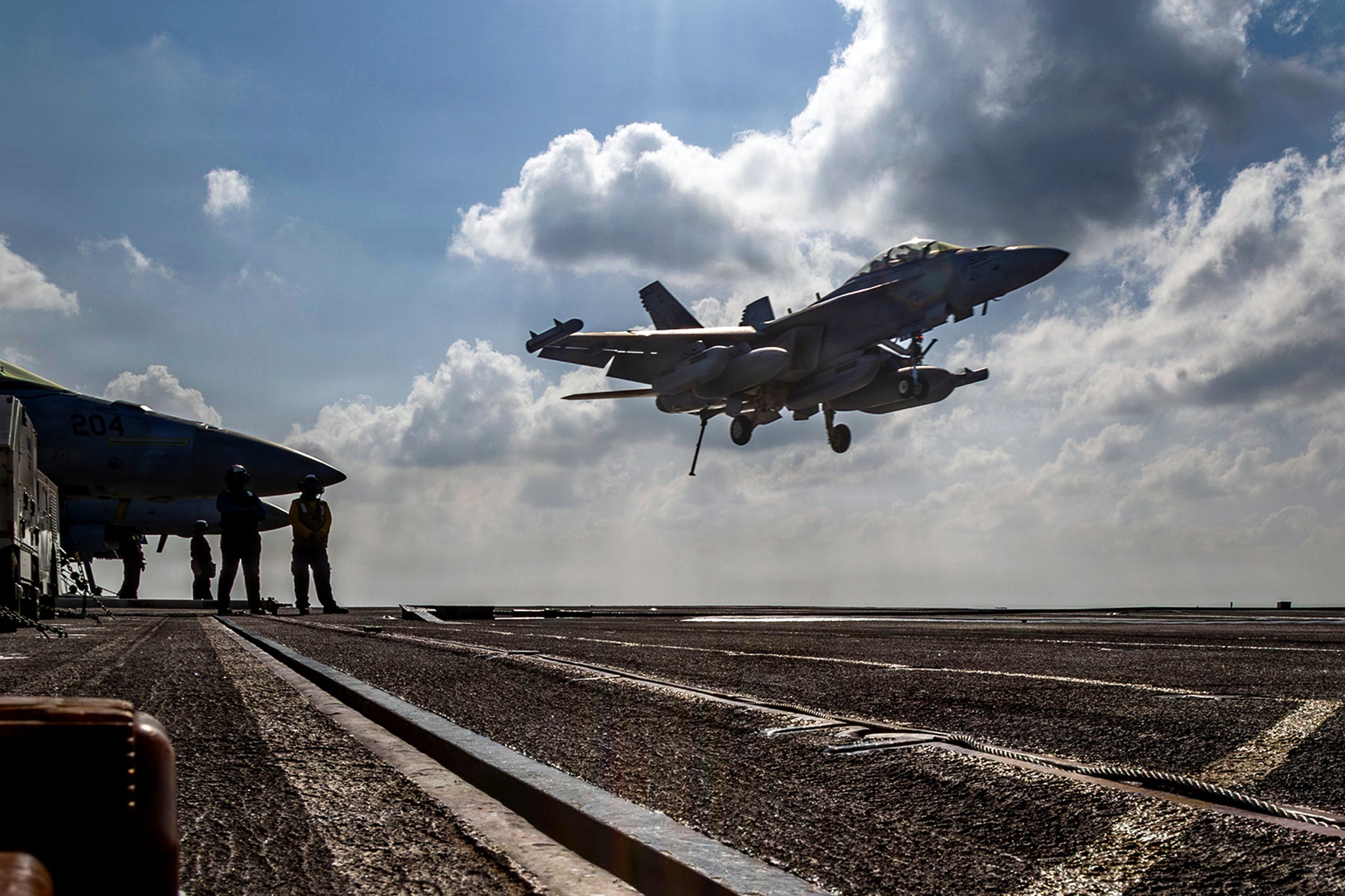
Russia’s land grab in Ukraine and threats against other European allies of the US – notably the Baltic states as well as Poland – is a threat to American security because it is a threat to Nato members, to the democracy that the US has held dear for decades, and to US bases across Europe from which Washington is able to project military power – ironically, into the Middle East in particular.
An American attack that triggers the collapse of the Iranian regime could unleash centrifugal forces that America would not be able to control.
The vast security infrastructure there controls at least 50 per cent of the economy, but many of its personnel are true believers in the “Islamic revolution”.
Their experts transformed the insurgency against allied forces during the occupation of Iraq by organising its terror cells and training its militants in sophisticated bomb-making, including the use of shaped charges that could slice through heavy armour.
They have ready recruits for their anti-Western agenda after America supported Israel during its campaign in Gaza, in which at least 80,000 people were killed in what a UN commission has said “amounts to genocide”.
Iran itself may collapse into civil war in the wake of what Trump has promised could be “far worse” than last year’s Israeli-US 12-day campaign that targeted Iran’s nuclear industry and its leading nuclear officials.
And America’s allies would not be spared the return to global terror as part of revenge for further attacks on the country.
Besides, Trump has a more deserving realm for intervention: Ukraine, which could fight off Russian invaders and protect its airspace if Washington returned to giving Kyiv military support, especially air defence and long-range missiles.
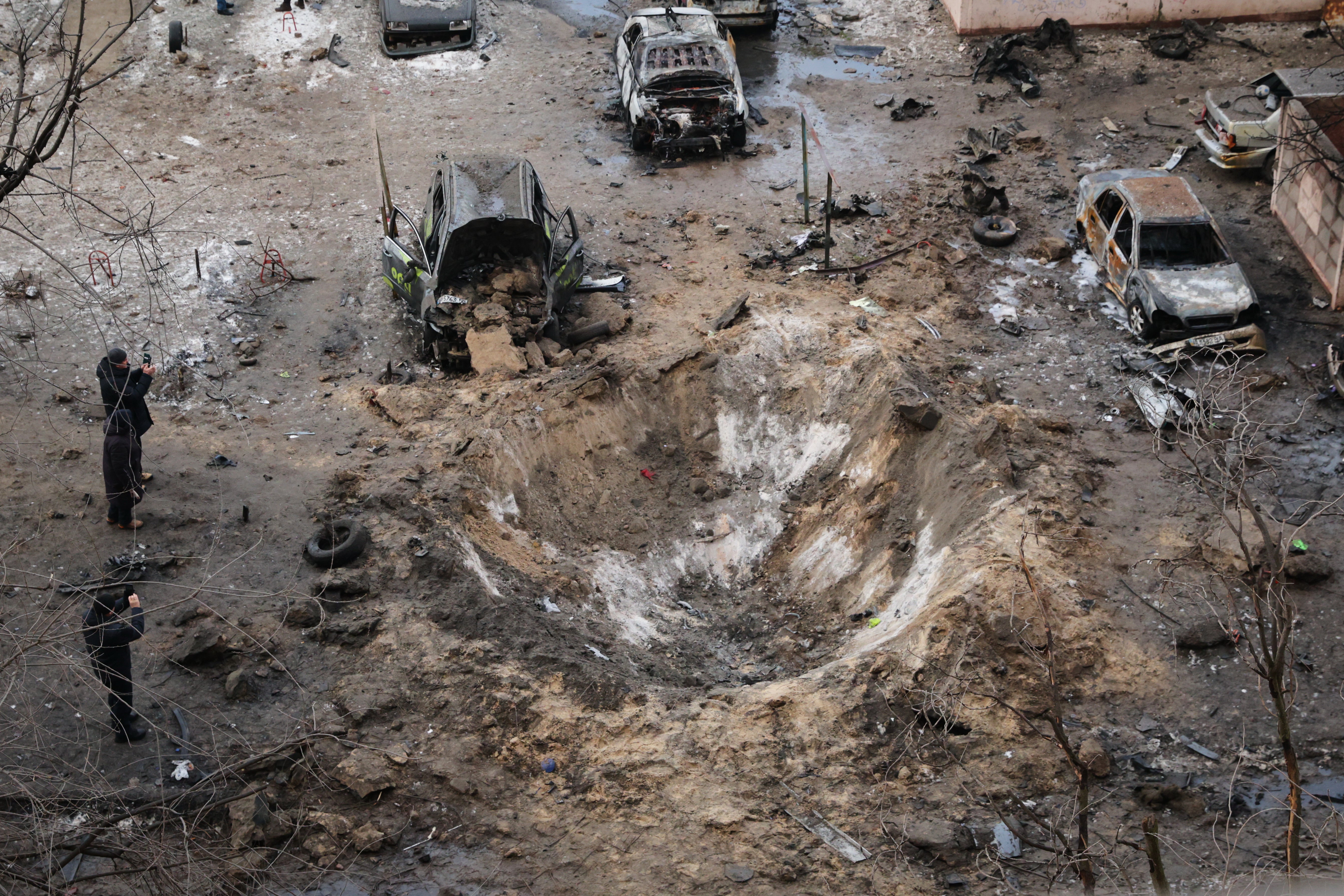
Ukraine now has an army of a million with vast experience. Trump wants Europe to look after its own security interests and rely less on the American taxpayer to foot the bill for British and European complacency over defence.
Binding Kyiv into Europe and into Nato eventually, would represent a massive saving for the US. The Kiel Institute estimates that the costs of halting aid to Ukraine would be 10-20 times more than the 1 per cent of GDP it currently costs Germany.
Some 10.6 million Ukrainians have fled their homes – close to 6 million of them are refugees in Europe. If Trump is looking for a humanitarian imperative to use American weapons, at no risk to US personnel, it is in Ukraine, not Iran.
And, what is more, Ukraine is in no danger of falling apart nor joining a global terror alliance.
There would be no winners from an attack on Iran, but with some US help, Ukraine could be victorious.
“There seems to be a narrative that Ukraine is losing this war. I simply don’t buy that. We have enough information and intelligence to back this up as well. But it’s a Russian narrative which has also been floated a lot in the US,” Finnish president Alexander Stubb said recently at the Davos World Economic Forum.
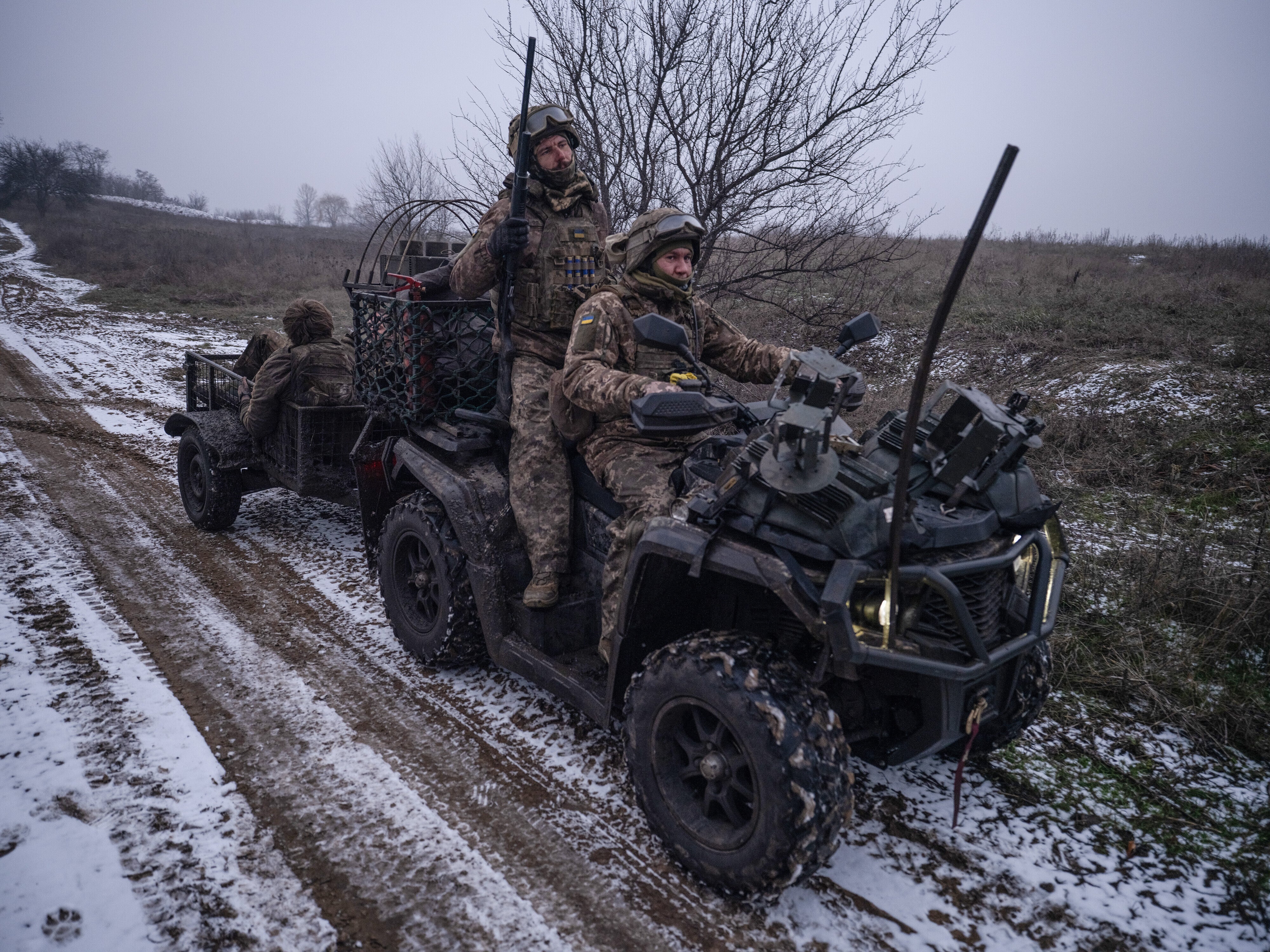
Lt Gen Keith Kellogg, until recently Trump’s special envoy to Ukraine and a national security adviser in the White House, reinforced Stubbs’s argument in Davos.
“I understand what’s happening to Kyiv. I understand the temperatures. But I really do believe that if Ukraine gets through this winter, January, February, and you get into March and April, the advantage accrues to Ukraine, not to Russia,” he said.
“[Russia’s] frontline units have been mauled. They’ve lost over 20 general officers.”
Trump likes to back winners. Europe’s task now is to persuade him that backing Ukraine will be win-win for America.
Whether they succeed or fail, an attack on Iran is lose-lose.
Join our commenting forum
Join thought-provoking conversations, follow other Independent readers and see their replies
Comments
Bookmark popover
Removed from bookmarks