Next step in Gaza plan is more about triumph for Trump than peace for the region
Trump heralded the UN’s decision to back his 20-point Gaza plan as a preface to ‘peace all over the world’, but the Herculean task of trying to bring about a just and practicable solution in the Middle East remains as difficult as ever, writes chief international correspondent Bel Trew
With characteristic restraint, Donald Trump declared the United Nations Security Council’s endorsement of his Gaza peace plan to be “one of the biggest approvals in history”.
A decision, he said, that would bring about “peace all over the world”. A moment of “true historic proportion”.
On Truth Social, the American president personally thanked all the countries on the Security Council, including the 13 that voted in favour of Resolution 2803, which endorses his 20-point plan for the besieged and ravaged territory.
He also thanked several countries in the region, including Qatar, Egypt, the UAE and Jordan, that backed the effort.
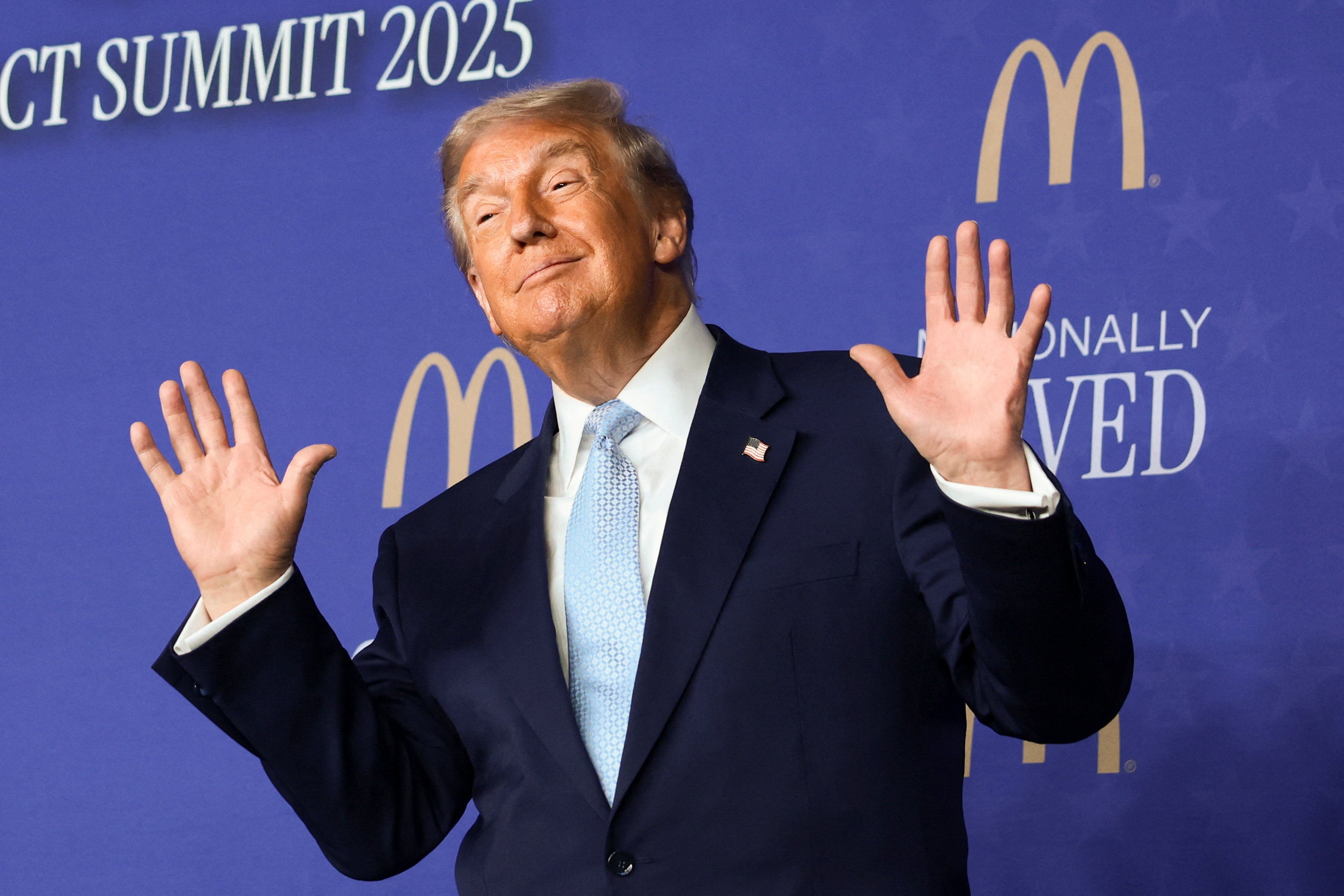
The resolution establishes a so-called “Board of Peace”, or “BoP” as it is now affectionately called, and authorises the creation of a multinational stabilisation force that will “deploy under unified command” to govern Gaza, operating in cooperation with Egypt and Israel.
Trump’s right-hand man, US ambassador Mike Waltz, described it as “charting a new course for the Middle East”. The Palestinian foreign minister Varsen Aghabekian Shahin, part of the administration opposed to Hamas in the occupied West Bank, said it was the “first step in a long road towards peace”.
It is certainly another victory for Trump, who, despite being the chief supplier of the weapons Israel used in its two-year, utterly devastating bombardment of the Gaza Strip, has campaigned on being the president of peace. He frequently boasts about ending eight wars in eight months.
And to give him credit where it’s due, the reason that the worst of the fighting has ceased, and Israel’s siege of Gaza’s 2.3 million population has eased (though supplies remain far below what is needed), is his plan.
There will be some movement forwards, now that it has been formally endorsed at UN Security Council level. No doubt there will be action to begin creating this international force, and, as Trump has teased, announcements on the BoP membership may soon follow.

This may or may not include the deeply divisive figure of Sir Tony Blair, whose role in the 2003 US and British invasion of Iraq still casts a long shadow over the region.
But fundamental issues remain. The resolution has already been criticised by one of the key stakeholders, Hamas, which rejected what it said was the imposition of an international guardianship mechanism on Gaza and, of course, the intended disarmament of its militants.
Israeli prime minister Benjamin Netanyahu, eager to appease members of his extreme-right government who have publicly favoured the eradication of Gaza, again repeated his rejection of the idea of a Palestinian state, which is not a foregone conclusion but is alluded to in Trump’s plan.
And so, as before, there remain the obstacles, deliberate machinations, and fundamentally existentially opposing visions that have impeded the Herculean task of trying to find a fair, just, and practicable peace agreement for Israel and Palestine.
In short, all the problems the world has been striving to resolve for generations have not vanished simply because the UN Security Council has backed a 20-point document that contains no timeline, vague frameworks, and, crucially, no detail.
The fundamental questions left unaddressed for decades have still not been addressed.
As I have written before, these include Palestinian self-determination and Israeli occupation; accountability for violations of international law; and a path to end the never-ending layers of trauma and violence, to allow for peace and security that is fair for all.
Another huge flaw is that the fate of the occupied West Bank is not even mentioned in the 20 points.
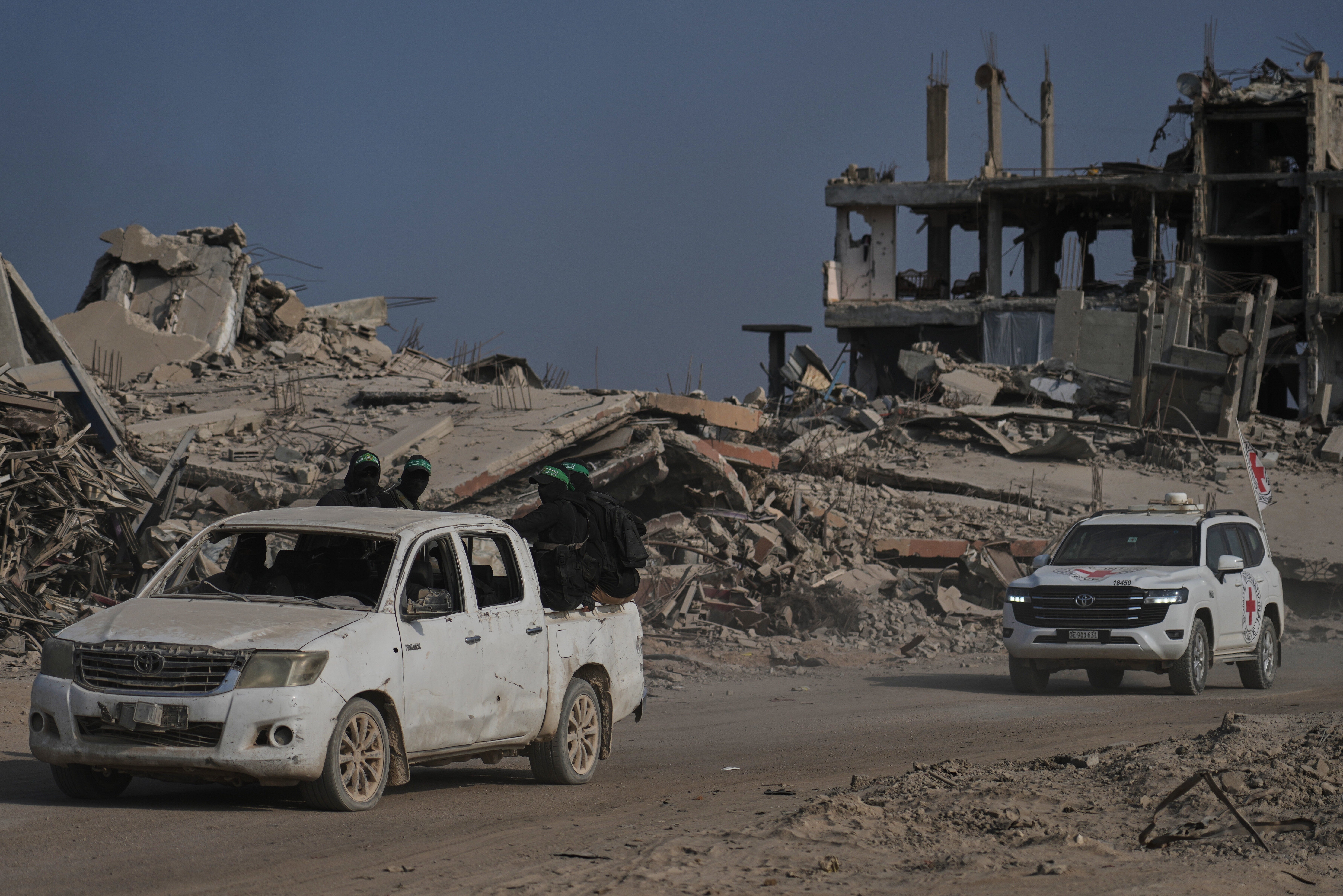
Meanwhile, in Gaza, millions of Palestinians, grieving the 69,000 people killed since October 2023, according to local officials, still have no homes to return to. Swathes of the territory are not even rubble: they have been ground to dust.
The majority are still struggling to source basic needs, including food and medical supplies. The future for them remains frightening and uncertain.
Join our commenting forum
Join thought-provoking conversations, follow other Independent readers and see their replies
Comments
Bookmark popover
Removed from bookmarks