Is Trump building peace – or a property deal on the graves of Palestinians?
As the Trump administration unveils bizarre pictures for a ‘new Gaza’, featuring luxury apartments and ‘coastal tourism’, Alex Hannaford looks at the role his son-in-law, Jared Kushner, is playing in the rebuild, and other controversial construction projects


Sara Roy doesn’t mince words. As a Harvard University professor specialising in the Palestinian economy, she’s laser-focused on what happens next; on what will transpire for Gaza, the West Bank, and the Palestinian people now US President Donald Trump’s 20-point plan for Gaza, endorsed by the UN Security Council last year, is moving to the next phase.
“Jared Kushner can talk about building resorts or casinos or whatever he has in mind, but he’s building them literally and figuratively on the graves of Palestinians,” she told The Independent.
Kushner, who served as a top aide to his father-in-law, Trump, during his first term as US president, has been working hard in the background as Trump’s go-between in the Middle East peace process. He is also in a prime position for a stake in Gaza’s eventual reconstruction.
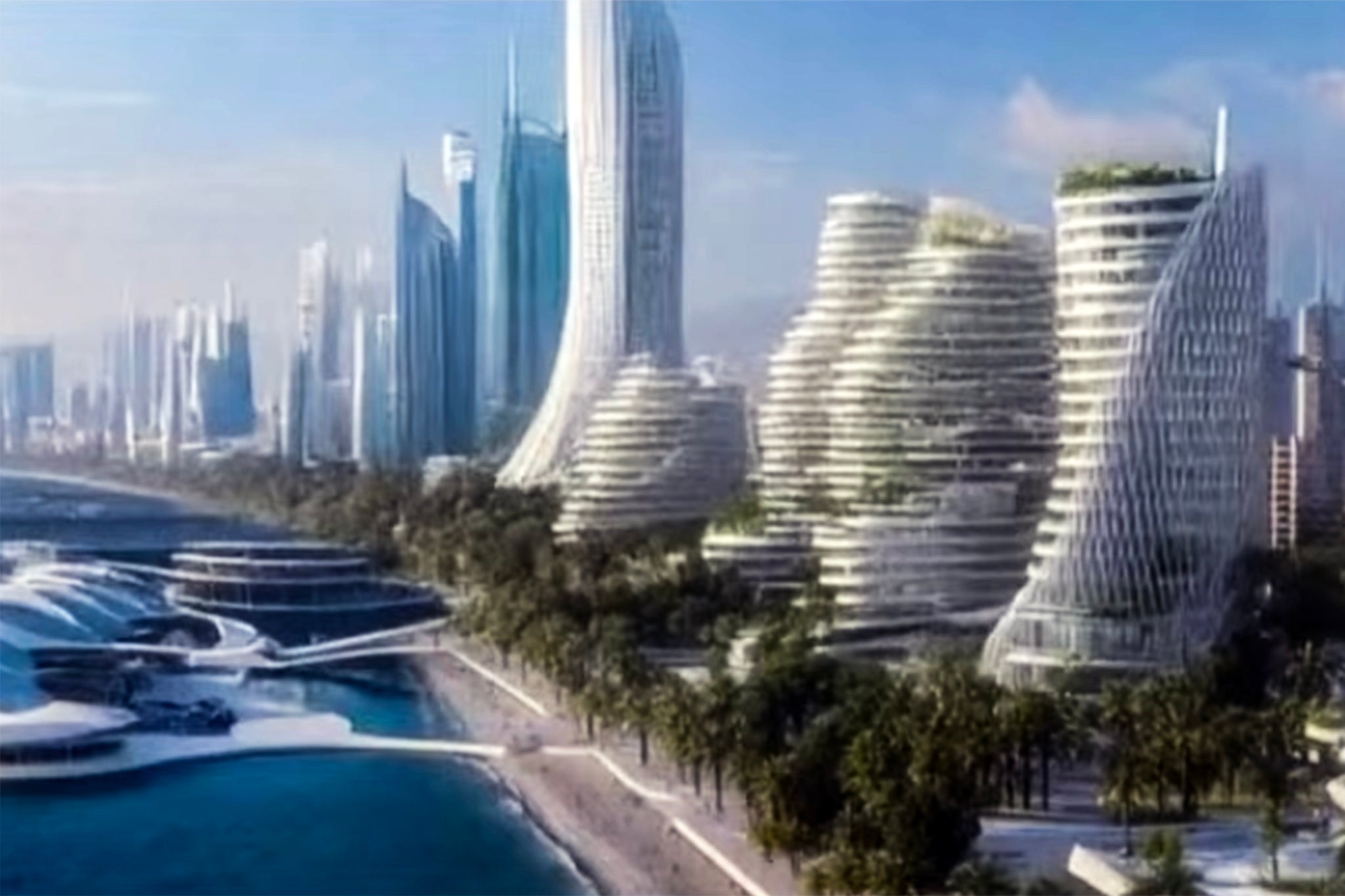
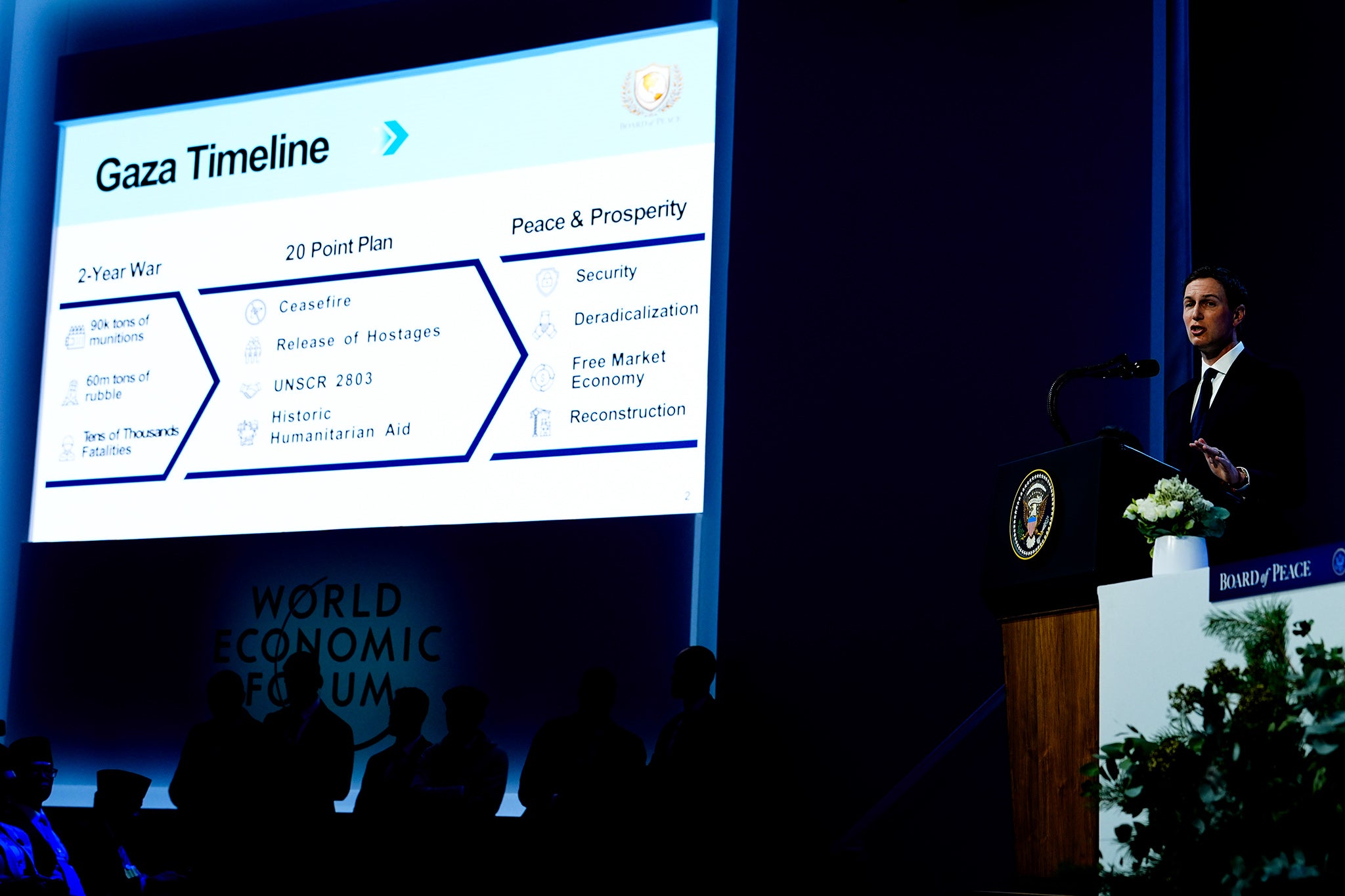
Almost a year ago, in a February 2025 speech, Trump imagined the rebuilt territory as a “phenomenal, magnificent opportunity”, invoking visions of luxury seafront redevelopment. From the images Kushner presented in his “masterplan” at the annual World Economic Forum in Davos this week, that is exactly what he envisages too – with modern skyscrapers lining the coast.
Trump hailed last November’s UN approval of the resolution as a historic breakthrough, praising those who backed the proposal. “This will go down as one of the biggest approvals in the History of the United Nations, will lead to further Peace all over the World, and is a moment of true Historic proportion,” he wrote on Truth Social, making no reference to Israel or the Palestinian people.
At Davos this week, Trump said his new “board of peace” will ensure that Gaza is “demilitarised”. Secretary of state Marco Rubio added that it would also be a “board of action”. The new plans for the construction appeared to mirror an AI-generated video of the war-torn strip transformed into a “Riviera”, featuring Trump and Tesla billionaire Elon Musk, released last year.
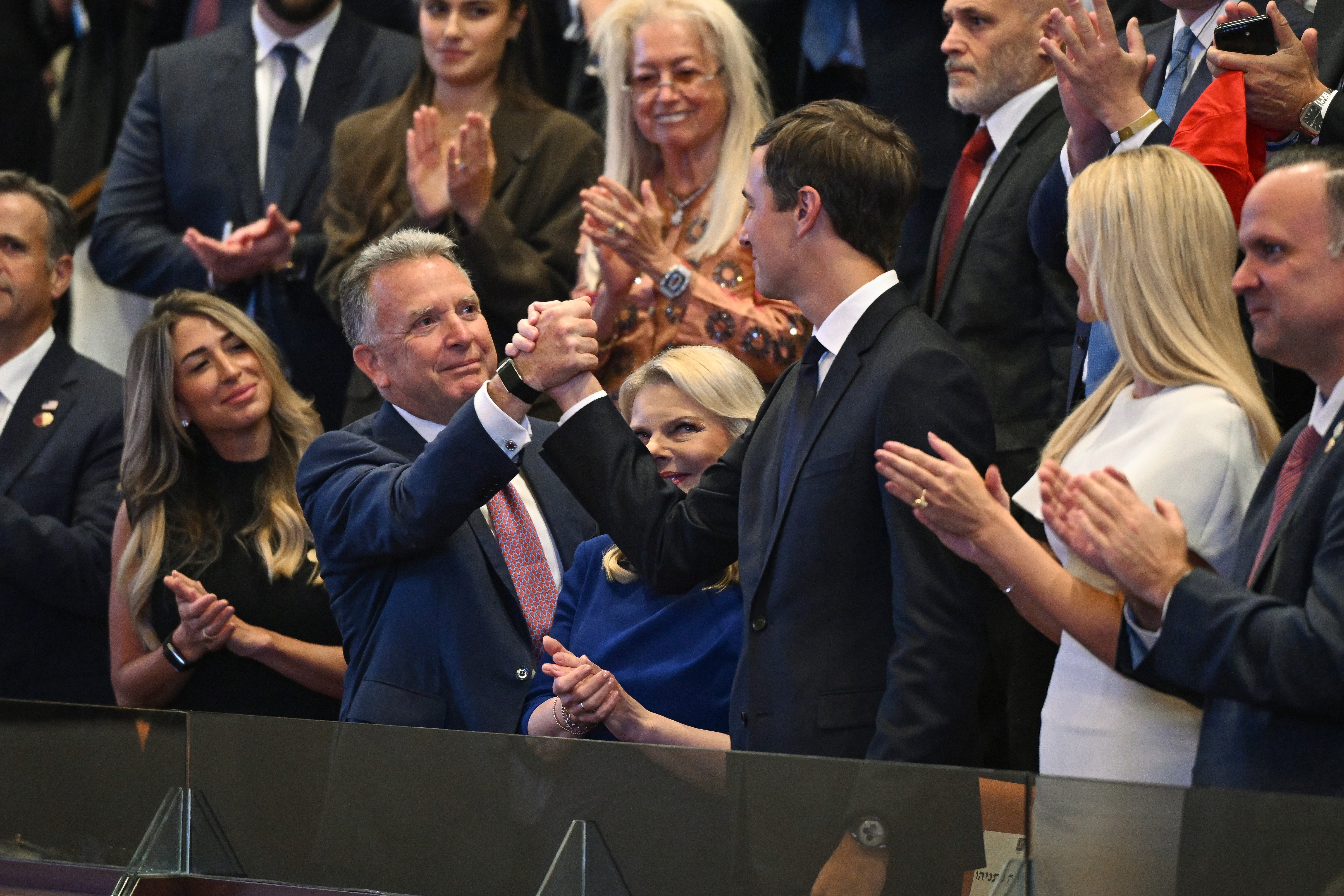
Even though he has no official role in the president’s second administration, Kushner has been working closely with the American real estate developer Steve Witkoff, Trump’s special envoy to the Middle East, on the multi-billion-dollar plan to rebuild post-conflict Gaza. In his speech to the Knesset in Jerusalem back in October, Trump highlighted Kushner’s contributions and hailed Witkoff as a “great negotiator” who was “really good at real estate”.
In an interview with 60 Minutes soon after, Witkoff confirmed: “We’re already talking to contractors from all of the Middle Eastern countries,” but stressed that the board will ensure transparency and speed in rebuilding. Kushner, who participated in the same interview, said the project’s goal is to create a “transparent, good government” structure in Gaza. “You can’t replace a corrupt government with another corrupt government,” he insisted.
To understand more about the part Kushner is playing in the rebuilding of Gaza – you have to go back to February 2024. Speaking to Professor Tarek Masoud, faculty chair of Harvard’s Middle East Initiative, part of the Middle East Dialogues series at the Harvard Kennedy School, Kushner said "Gaza’s waterfront property … could be very valuable” and suggested Israel should remove civilians while it “cleans up” the strip. A few years earlier, he described the Arab-Israeli conflict as “nothing more than a real-estate dispute between Israelis and Palestinians”.
While Trump has referred to a future rebuilt Gaza as the “Riviera of the Middle East”, others, including the think tank Center for American Progress, called it a “troubling call for ethnic cleansing”.


Roy says there are some worrying absences in Trump’s vision for Gaza. In fact, she believes, “the whole redevelopment process has reached its logical and final conclusion – and that is the total destruction of the economy of productive capacity in Gaza, and the ability of Palestinians to exercise their agency in any meaningful way”.
Roy believes the best that Palestinians can hope for “given the vast destruction and the annihilation of Gaza” is to “exchange self-determination for construction projects. And, of course, that isn’t going to work.” Every so-called peace plan for Palestine, Roy says, is defined by the same thing – “they treat Gaza either as a technical or humanitarian problem or a political problem that basically means ensuring Israeli security”.
Roy says it makes no difference how much money is invested in post-war Gaza. The end result, for Palestinians, is the same. But there is money. And a lot of it is riding on an enduring peace deal, which will allow for a rebuilding of Gaza. By the end of 2024, Affinity Partners, the investment firm founded by Kushner and heavily backed by Gulf sovereign-wealth funds, was reported to have assets under management of about $4.8bn.
The firm’s funding comes not just from private investors, but reportedly includes contributions from the UAE and Saudi Arabia. This signals more than a commercial interest: it raises questions about the potential influence of these countries on the reconstruction efforts, which could prioritise their strategic interests over the genuine needs of the Palestinian people. It has raised some serious concerns about when a peace deal becomes a lucrative property deal for all those concerned.
Launched in 2021, Affinity Partners has form when it comes to moving into regions emerging from conflict or political transition, leveraging Kushner’s prior government ties and diplomatic relationships to engage in high-stakes real estate and infrastructure deals.
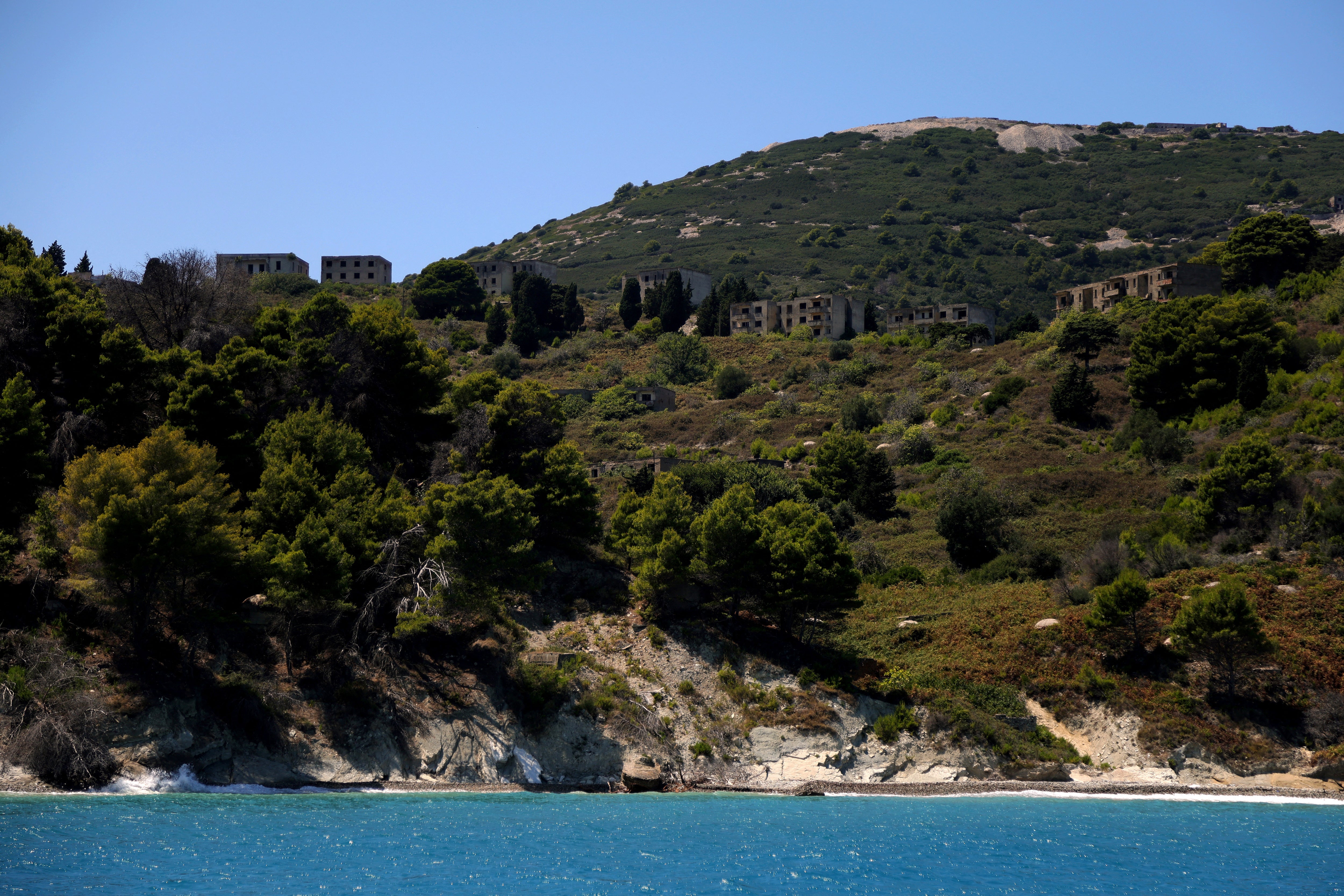
Last year, Affinity unveiled investment plans across the Balkans, including a proposed $1.4bn luxury resort on Albania’s Sazan Island, a tourism development in southern Albania, and a redevelopment project at a former military complex in Belgrade, Serbia. This happened despite questions raised over the projects’ environmental impact, the role of Kushner’s prior political ties, and regulatory adjustments in Albania that appeared to grease the wheels for the developments to go ahead. According to Albanian engineering firm iSec, work has already begun.
Not everyone’s happy. In November, Serbian lawmakers passed legislation to fast-track Affinity’s development plans and thousands of Serbians held a rally at the site in the capital, Belgrade, to protest. One protester said that by passing the law, Serbian president Aleksandar Vucic was “aiming to please Trump and curry favour”. Many people in Serbia regard the former army headquarters, hit during Nato’s 1999 bombing campaign, as a symbolic reminder of the lives lost. The structure is also valued as one of the notable remaining examples of Yugoslav modernist design.
Kushner’s post-White House ventures appear to draw directly on the network he built in government during Trump’s first term. As a senior adviser on foreign policy, he was deeply involved in crafting a Middle East peace plan, a role that critics say could blur the line between diplomacy and private profit. Observers point to the overlap between his official responsibilities and his business interests.
Last January, when the Albanian government granted “strategic investor status” to Kushner's company Atlantic Incubation Partners LLC, the country’s investment committee acknowledged the 45-hectare project on Sazan involved a planned investment of $1.4bn. Despite the grand scale of the ventures, we do not know of any public filings detailing how much Kushner or his investors stand to gain from the resort or other Balkan projects.


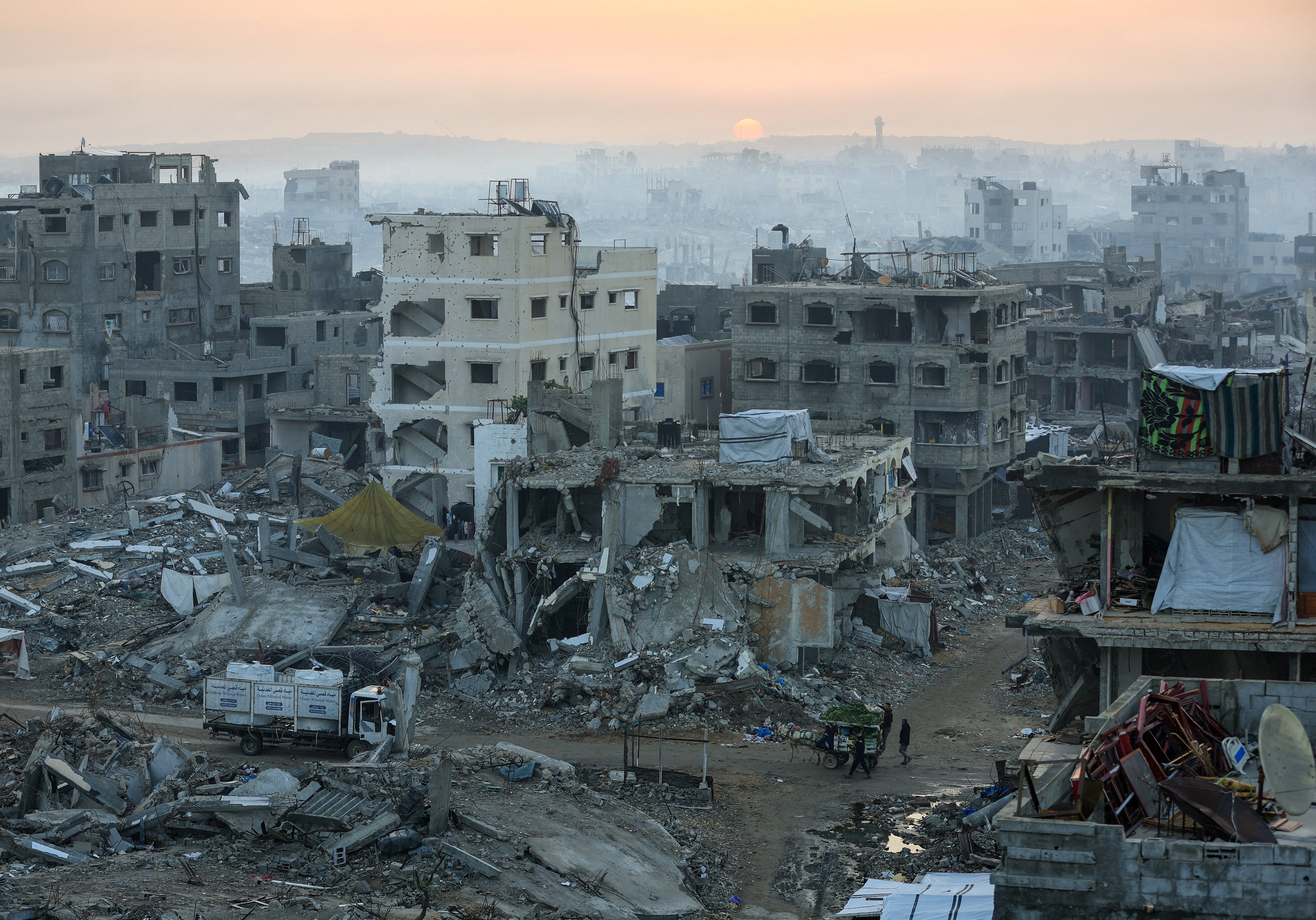
As for the plans for Gaza, Roy says: “I can tell you that whatever he thinks is possible [in Gaza] in terms of creating this so-called Riviera on the Gaza Strip, the damage that’s been done is extraordinary. It's mind-boggling. You’re not just talking about removing rubble. The rubble contains human remains; the rubble contains unexploded ordinance; you have rubble that’s contaminated with all kinds of toxins and asbestos.
“It’s not simply a question of clearing it away and building a skyscraper. You have to first deal with all of the formidable practical challenges, and also with the political reality: a hundred and seventy thousand wounded, kids who are orphaned, people with amputations, and a population that, before October 7th, was already traumatised. And not only do you have ongoing mental health issues to deal with in this population, but the physical impact of famine and malnutrition on future generations. So what’s going to happen to all these people? I honestly don’t know.”
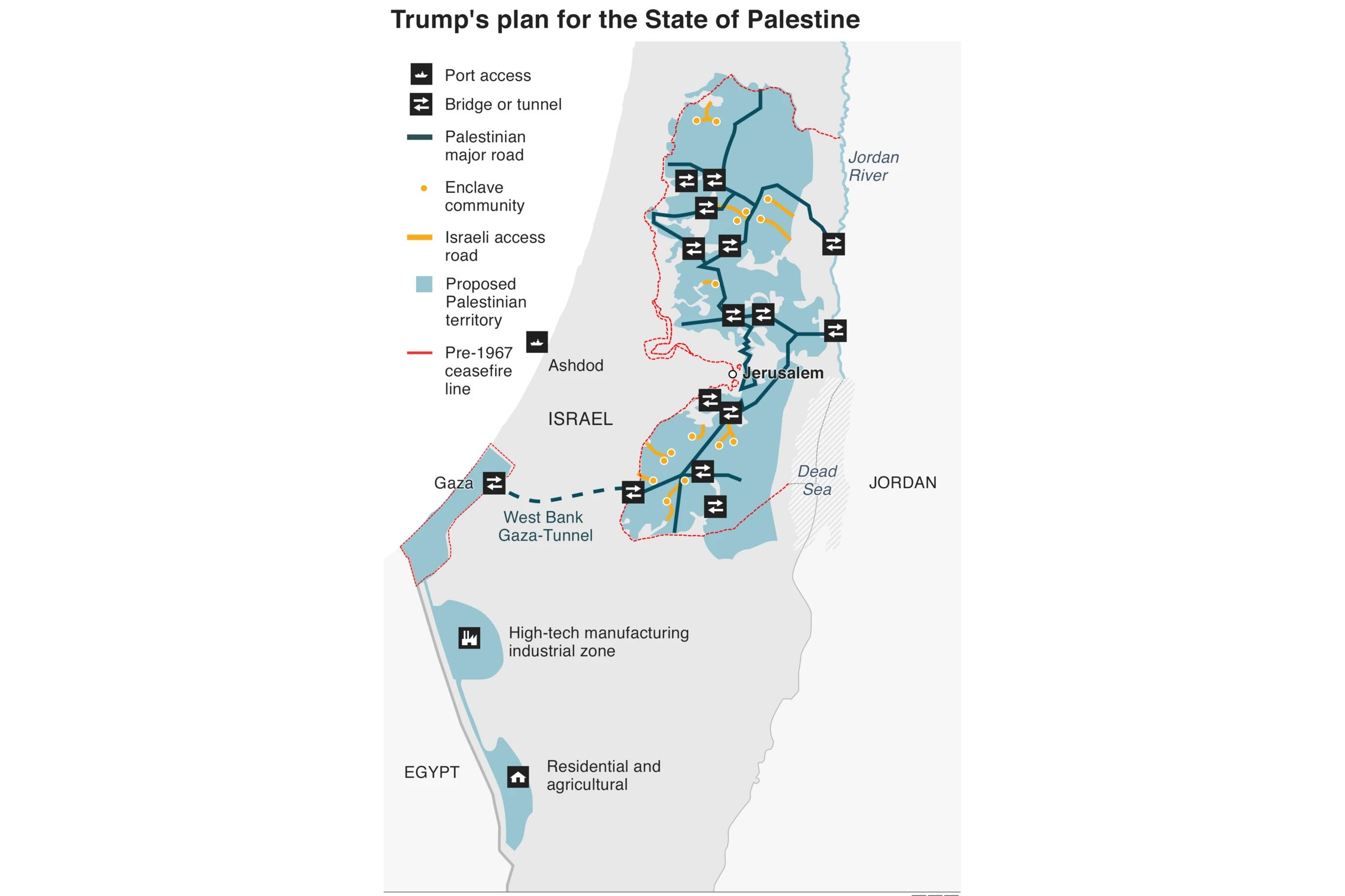
A number of European and Arab governments, in addition to the US and Canada, have said they would contribute to the estimated $70bn needed to rebuild Gaza. So is the plan for various countries to clear up the estimated 55 million tonnes of rubble, leaving a blank slate for private developers to swoop in and “clean up” in another way?
Timing is crucial. A construction programme of the scale envisaged for Gaza would take years – perhaps a decade or more by some estimates – and so the durability of the current ceasefire becomes a commercial as well as a political factor. It’s clearly in Kushner’s interest that the ceasefire holds and the war ends, but as he said recently, “no reconstruction funds will be going into areas that Hamas still controls”.
At the gathering this week, Trump said of his peace board: “When America booms, the entire world booms, this board has the chance to be one of the most consequential bodies ever created and it’s my enormous honour to serve as its chairman.”
He explained: “Under phase one of the plan, we have maintained the Gaza ceasefire and delivered record levels of humanitarian aid. You used to hear people were starving and you don’t hear that anymore.”
So the question isn’t just how much money and who pays – it’s also, who controls the timeline, and whose interests rise or fall with any delay.

Roy believes the future for Palestine has always been an American and Israeli project; that it has never been a Palestinian project. “And so the future is at best an occupation in a different form,” she says. “Likely, we’ll see a large degree of permanent Israeli control with no Palestinian sovereignty, no Palestinian state, and the separation of Gaza and the West Bank.
“By isolating Gaza, you not only make it very difficult to create a unified political entity, you remove the geographical basis of an economy. And by isolating people from each other, you make it much harder for them to act as a unified political collective; a unified nation.”
Trump, Kushner, and their associates may envision a “Riviera of the Middle East” in Gaza, but many Palestinians likely see it as a beachfront parking lot built on their graves, where self-determination is traded for construction projects, and the true winners are those who build profit out of rubble.
Join our commenting forum
Join thought-provoking conversations, follow other Independent readers and see their replies
Comments
Bookmark popover
Removed from bookmarks