Iran authorities cut internet as buildings set on fire during mass protests in Tehran
Protesters chant ‘Death to the dictator’ and ‘Death to the Islamic Republic’ as demonstrations spread to more cities
Buildings were set on fire in Tehran and Iran faced a complete internet blackout on Thursday evening as massive protests over the economy spread across the country.
People took to the streets in a growing list of cities across the country, in what was rapidly becoming one of the biggest challenges ever to Iran’s clerical leadership.
Huge crowds of protesters in Tehran shouted from their homes and rallied in the street after a call by the country’s exiled crown prince for mass demonstrations against the regime.
Videos shared widely online showed large numbers of people in the street as mosques were set on fire in Tehran’s Gholhak and Sa’adat Abad neighbourhoods.
It was a new escalation in unrest that has spread nationwide across the Islamic Republic, and represented the first test of whether the Iranian public could be swayed by appeals from Reza Pahlavi, whose ill father fled Iran just before the country's 1979 Islamic Revolution.
So far, violence around the demonstrations has killed at least 41 people while more than 2,270 others have been detained, said the US-based Human Rights Activists News Agency.
Witnesses in the capital and major cities, including Mashhad and Isfahan, told Reuters that protesters gathered again in the streets, chanting slogans against the country’s hardline rulers, including supreme leader Ayatollah Ali Khamenei.
Shops remained shuttered in the western provinces of Ilam, Kermanshah and Lorestan, as many businesses heeded calls for a general strike from seven Kurdish political groups.
Unverified videos posted to social media before the internet blackout showed large crowds in the streets.
Such public demonstrations used to risk a death sentence, but now underline widespread anger over Iran’s ailing economy.
Mr Pahlavi, the exiled son of Iran’s late shah, toppled in the 1979 Islamic Revolution who has been trying to fill the leadership vacuum, called in a video posted on X for more protests.
“Based on your response, I will announce the next calls to action,” Mr Pahlavi said in a widely shared video.
Iranian state media insisted cities across the country were calm.
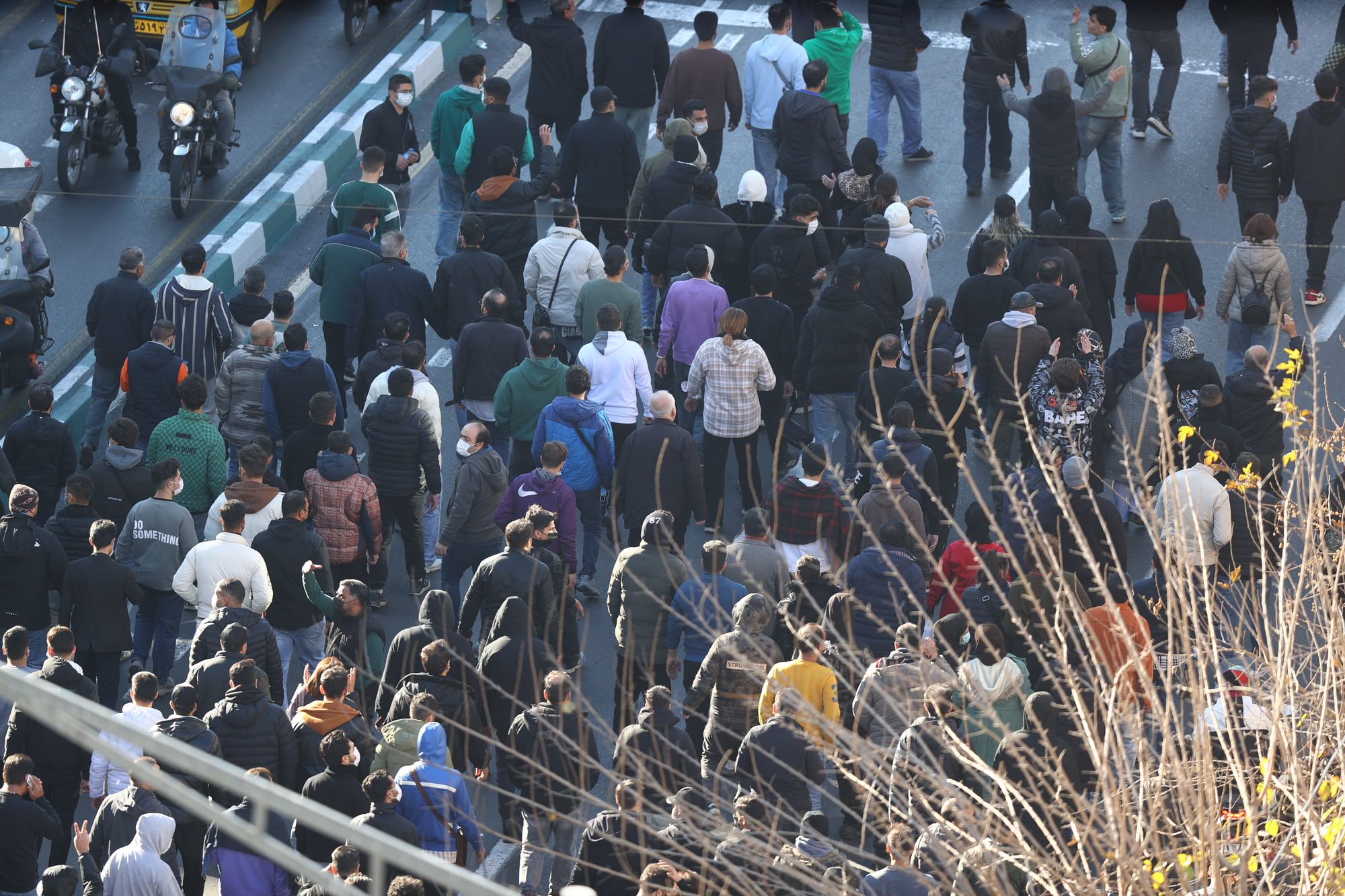
It was the 12th consecutive day of unrest in the country, as anger grew over the collapse of the Iranian currency. The protests have spread to more than 100 cities and towns across all 31 provinces of Iran, human rights groups have said.
CloudFlare, an internet firm, and the advocacy group NetBlocks reported the internet outage, both attributing it to Iranian government interference.
Mr Pahlavi had called for demonstrations at 8pm local time on Thursday and Friday; when the clock struck, neighbourhoods across Tehran erupted in chanting, witnesses said.
The chants included “Death to the dictator!” and “Death to the Islamic Republic!”
“Great nation of Iran, the eyes of the world are upon you. Take to the streets and, as a united front, shout your demands,” Mr Pahlavi said in a statement.
“I warn the Islamic Republic, its leader and the [Revolutionary Guard] that the world and [US president Donald Trump] are closely watching you. Suppression of the people will not go unanswered.”
US treasury secretary Scott Bessent said the Iranian economy was facing high inflation and other challenges, partly due to US sanctions.
“The Iranian economy is on the ropes,” he said at the Economic Club of Minnesota. “It’s a very precarious moment. He [Trump] does not want them to harm more of the protesters. This is a tense moment.”
German foreign minister Johann Wadephul on Thursday condemned what he described as the excessive use of violence against demonstrators in Iran and called on Tehran to adhere to its international obligations.
“For days, people in Iran have been taking to the streets. Peacefully expressing their opinions is their right,” he wrote on social media platform X.
The protests, the biggest wave of dissent in three years, began last month in Tehran’s Grand Bazaar with shopkeepers condemning the rial currency’s free fall.
It has since spread nationwide amid deepening distress over economic privations arising from rocketing inflation driven by mismanagement and Western sanctions, and curbs on political and social freedoms.
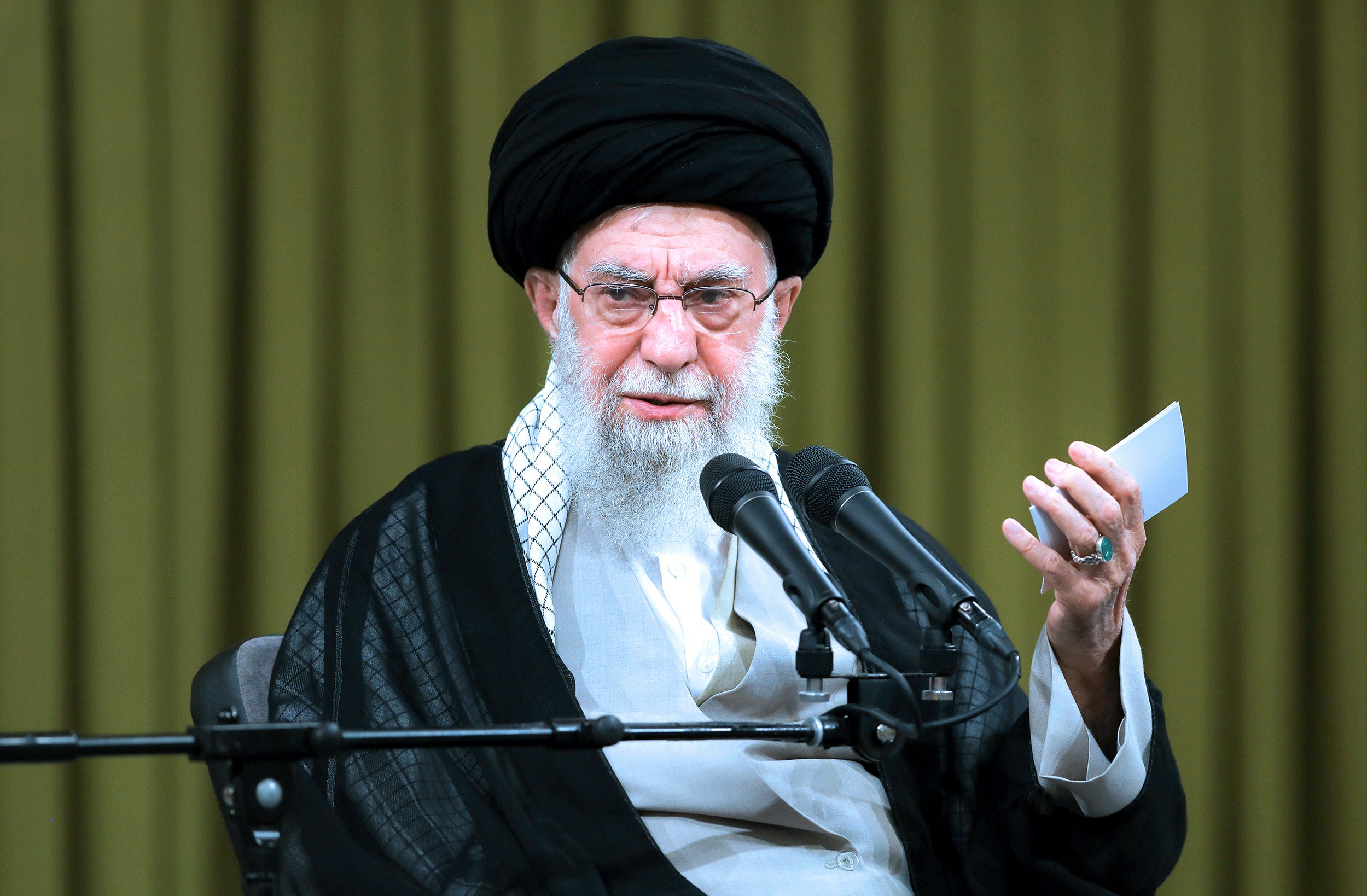
President Masoud Pezeshkian warned domestic suppliers against hoarding or overpricing goods, state media reported.
His support of and from Israel has drawn criticism in the past – particularly after the 12-day war Israel waged on Iran in June.
Demonstrators have shouted in support of the shah in some demonstrations, but it is not clear whether that is support for Mr Pahlavi himself or a desire to return to a time before the 1979 Islamic Revolution.
Iranian officials appeared to be taking the planned protests seriously.
The hardline Kayhan newspaper published a video online claiming security forces would use drones to identify those taking part.
Iranian officials have offered no acknowledgment of the scale of the overall protests, which raged across many locations on Thursday even before the 8pm demonstration.
Join our commenting forum
Join thought-provoking conversations, follow other Independent readers and see their replies
Comments
Bookmark popover
Removed from bookmarks