At least 36 dead in Iran protests as security forces fire tear gas at demonstrators in Tehran’s grand bazaar
Activists staged a sit-in at Tehran’s Grand Bazaar over Iran’s economic crisis and the collapse of the country’s currency
At least 36 protesters have died during protests in Iran as security forces fired tear gas at demonstrators in Tehran’s grand bazaar on Tuesday.
Activists staging a sit-in at Tehran’s main market clashed with security forces as nationwide protests over Iran’s economic crisis entered a tenth day.
Last week, U.S. President Donald Trump warned that if Tehran “violently kills peaceful protesters,” the United States would “will come to their rescue” - without elaborating on what this would mean.
The country’s supreme leader Ayatollah Ali Khamenei said on Saturday that the “rioters must be put in their place” in an indication that he would not engage in dialogue with protesters over the dire state of the country’s economy. Iran’s currency, the rial, recently fell to a record low.
Security forces fired tear gas to disperse the demonstrators at the grand bazaar as the market shut down, witnesses said. Previously, security forces have been filmed using tear gas against protesters at a hospital and a metro station in the capital.
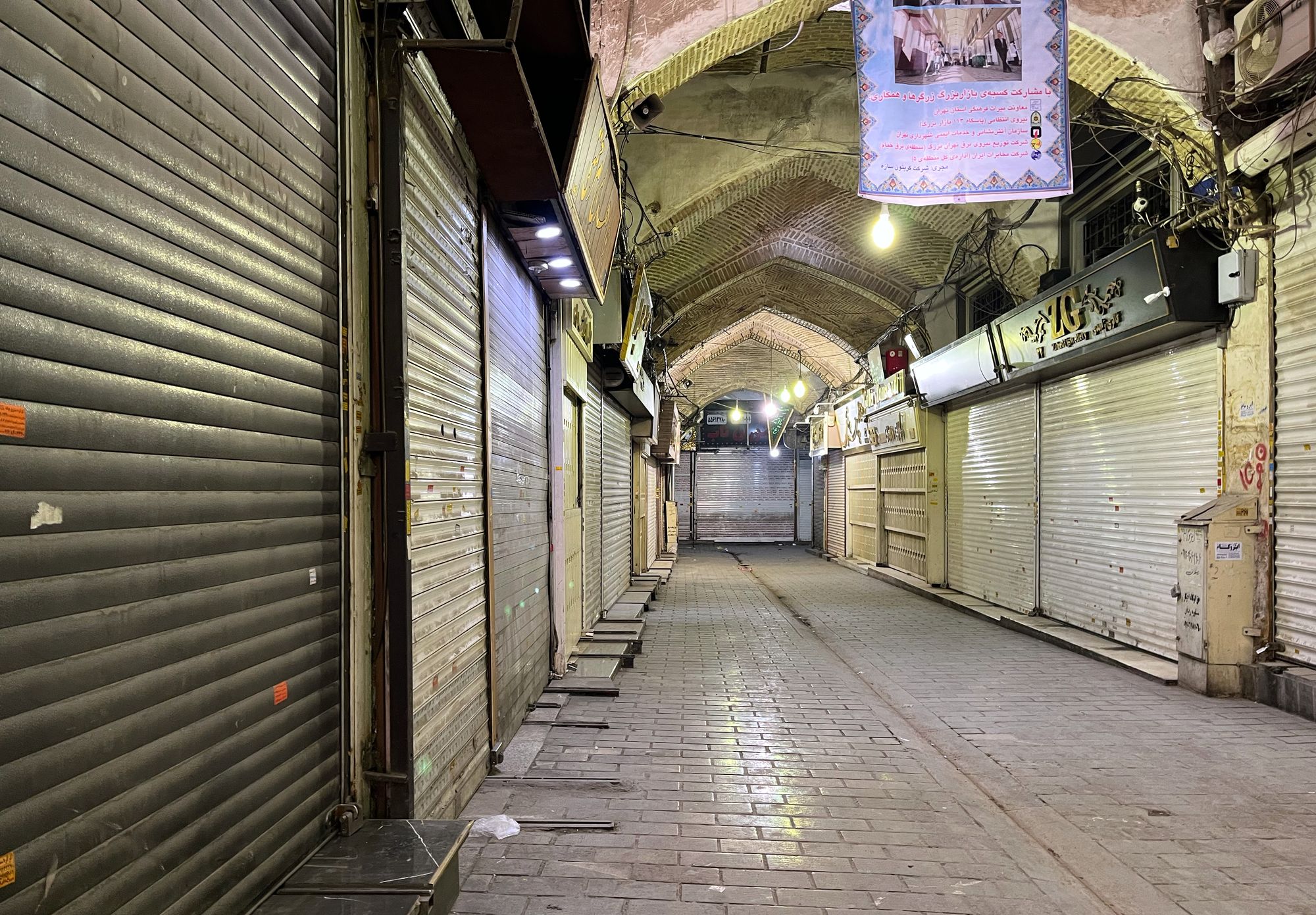
Protests in Iran - the most significant in years - have spread to over 270 locations in 27 of Iran’s 31 provinces.
More than 1,200 people have been detained and at least 36 people killed during the protests, according to the U.S. based Human Rights Activists News Agency. The death toll includes 29 protesters, four children and two members of Iran’s security forces.
The economic situation is set to worsen as Iran’s Central Bank has drastically reduced the subsidised exchange rates for dollars it offers to importers and producers in the country.
This move will likely lead to merchants hiking the prices of goods in the following days for consumers, whose life savings have already dwindled following years of international sanctions targeting the Islamic Republic.
The country was plunged into severe economic hardships since the U.S. first imposed tariffs in 2018.
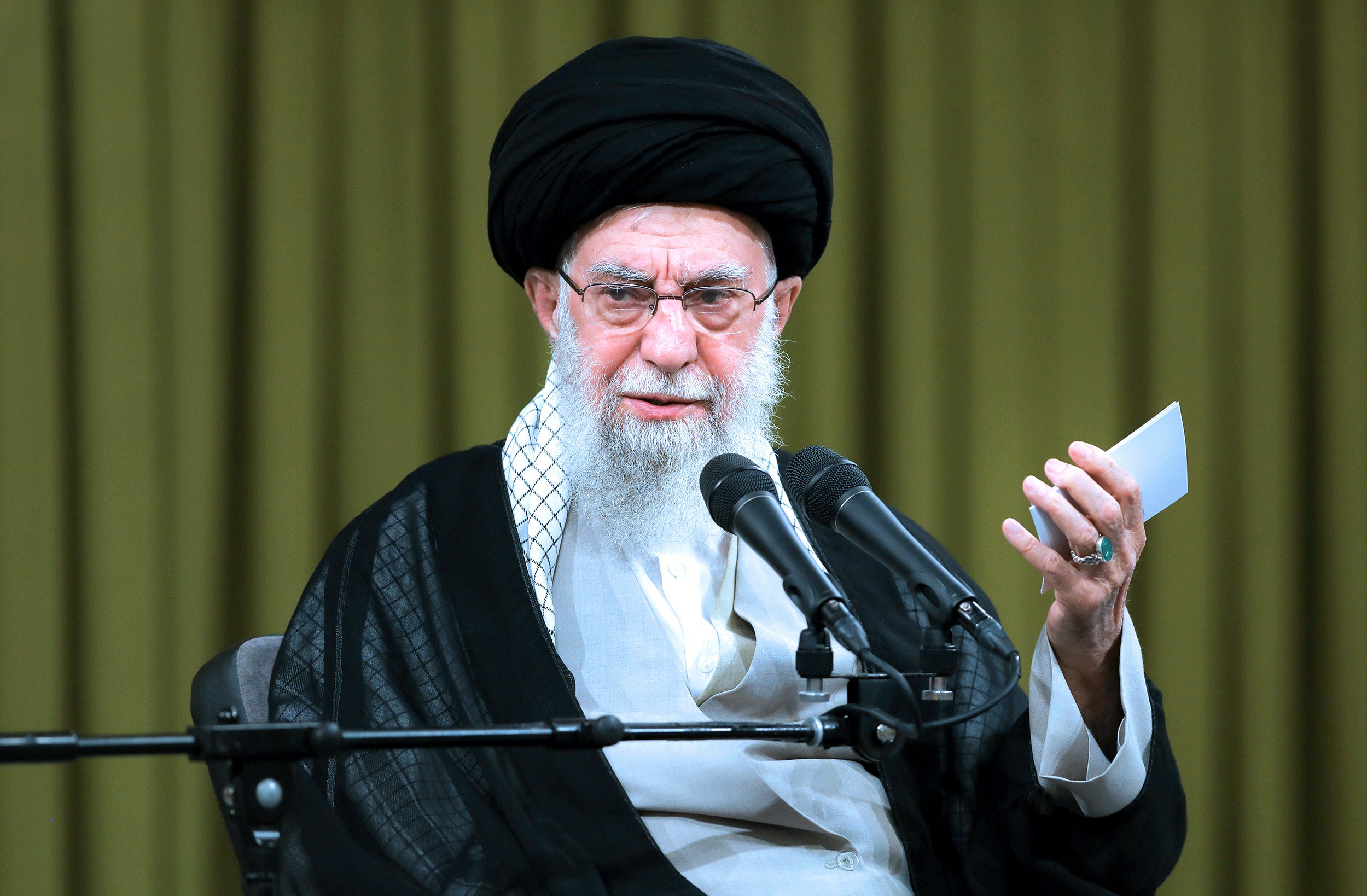
Several protesters are now calling for the overthrow of supreme leader Ayatollah Kamenei, who has reportedly planned to flee to Moscow if the demonstrations escalate.
Iran's President Masoud Pezeshkian has ordered a government investigation into one incident involving the protests, but has also indicated that the crisis may be rapidly moving beyond the control of officials.
Pezeshkian said in a televised speech: “We should not expect the government to handle all of this alone". He added: "The government simply does not have that capacity.”
This is not the first time Iran has faced rounds of nationwide protests over economic issues in recent years.
However, the recent protests do not yet match the scale of unrest that swept the nation in 2022-23 over the death of Mahsa Amini, a young woman who died in the custody of Iran’s morality police for allegedly violating the hijab law.
Join our commenting forum
Join thought-provoking conversations, follow other Independent readers and see their replies
Comments
Bookmark popover
Removed from bookmarks