Iran in paralysis as internet blackout freezes banks and daily life
Authorities in Iran have imposed a brutal crackdown in response to protests over the country’s economic crisis
This article first appeared on our partner site, Independent Persian
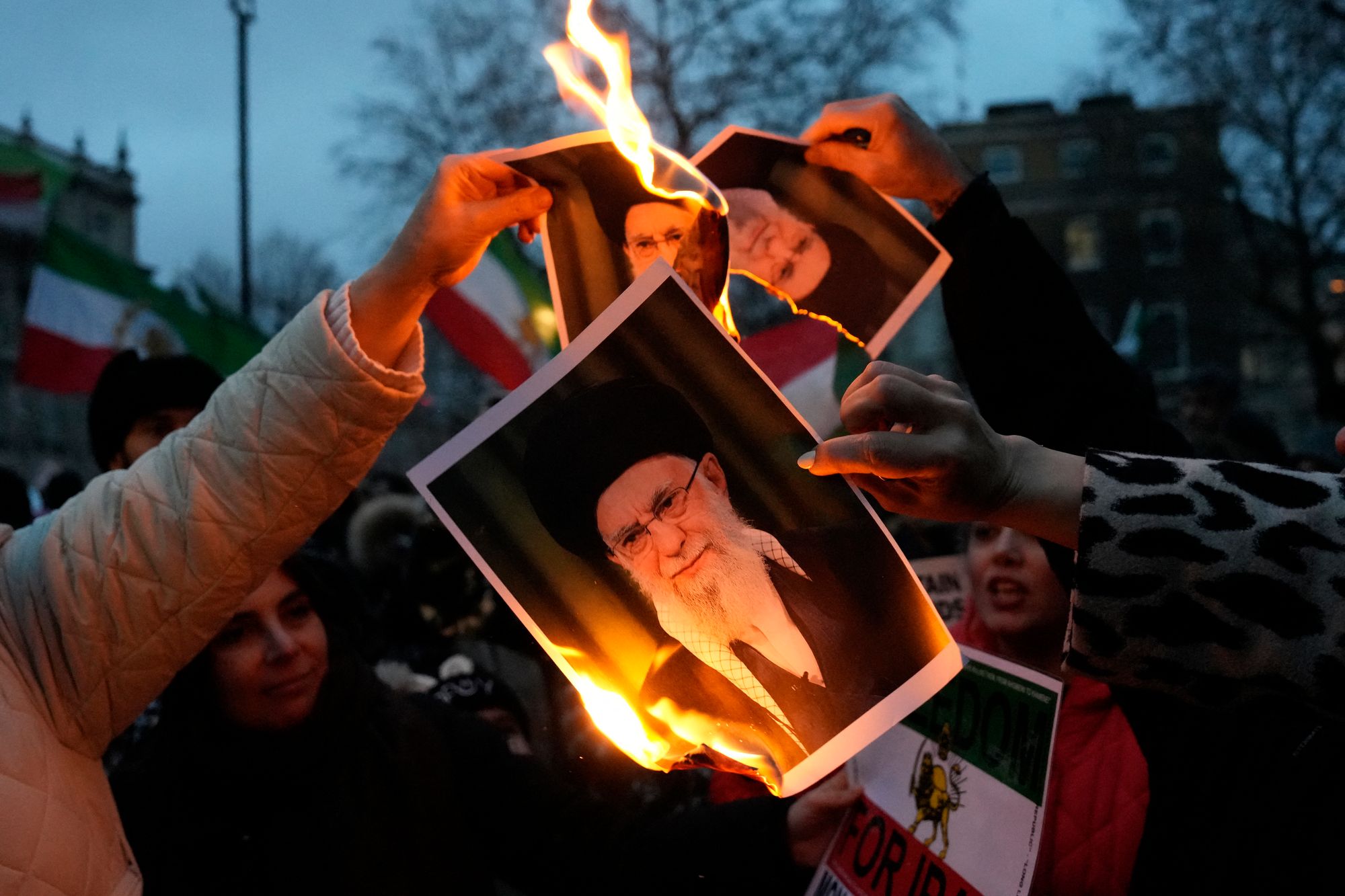
As the nationwide internet shutdown in Iran enters its fifth day, reports from inside the country indicate that protests are ongoing and expanding, while security forces have stepped up their crackdown. Daily life, communications and economic activity have been severely disrupted.
NetBlocks, the global internet-monitoring organisation, said on Saturday morning that Iran remains completely disconnected from the global internet network, leaving millions of people unable to access information, contact family and relatives, or to check in on the safety of loved ones.
Local sources report that alongside the “international internet” shutdown in which access to the global internet network is cut off, severe restrictions have also been imposed on mobile networks. In some areas, even the so-called “national internet” has gone offline which allows users access to approved local and official sites and apps.
The communications blackout has left Iran completely isolated and has drastically limited independent reporting and documentation of events on the ground.


Blackout coincides with peak of protests
The full internet shutdown began last Thursday evening, as nationwide protests surged following a call by exiled Crown Prince Reza Pahlavi. Before that, users across many cities had already reported sharply reduced speeds and unreliable connections. However, at around 10 pm, all international web traffic in Tehran was cut off entirely. The move came as protests in Tehran and dozens of other cities reached an unprecedented level.
NetBlocks said in a post on X: “It's now 8:00 am in Iran where the sun is rising after another night of protests met with repression; metrics show the nationwide internet blackout remains in place at 36 hours, severely limiting Iranians' ability to check on the safety of friends and loved ones.” Human-rights groups warn that, given the Islamic Republic’s record, communication blackouts sharply increase the risk of serious human rights violations.
Protests persist despite repression
Despite heavy security deployments and violent crackdowns on the evening of 8 January, images and reports from the second night of protests on 9 January show large crowds again filling the streets of Tehran and several other major cities. Some of the footage has been transmitted via Starlink satellite internet. The situation recalls the November 2019 protests, though this time the blackout has not completely stopped images and news from reaching the outside world.
Human-rights organisations warn that the continued internet shutdown and the absence of independent channels of information allow the regime to carry out mass arrests, violent repression and even killings away from public scrutiny. Cutting off communications, they warn, is one of the government’s main tools for hiding abuses during periods of unrest.
Economic disruption and collapse of online services
One of the most visible effects of the shutdown has been the breakdown of digital governance and financial systems. Many people report being unable to access banking services, ATMs or electronic payment networks. From everyday shopping to business transactions, large parts of the economy have ground to a halt, and many shops and companies have effectively shut down since Thursday.
Government offices have also been crippled. At the same time, several foreign airlines that had recently resumed flights to Iran after the 12-day conflict have again suspended their services, reflecting growing concern over security and stability in the country.
Conflicting accounts of damage
Images circulating from the past two days, and seen by Independent Persian, show damage to banks and public buildings in some areas. The government has blamed protesters for the destruction. On Friday, Supreme Leader Ali Khamenei described demonstrators as “saboteurs and rioters” and again called for a firm response.
However, analysts familiar with past protests say some of the damage may have been deliberately staged to discredit demonstrators, possibly by pro-government or security-linked groups, a pattern seen in previous unrests.
Messages from HRH Reza Pahlavi, Khamenei and international reactions
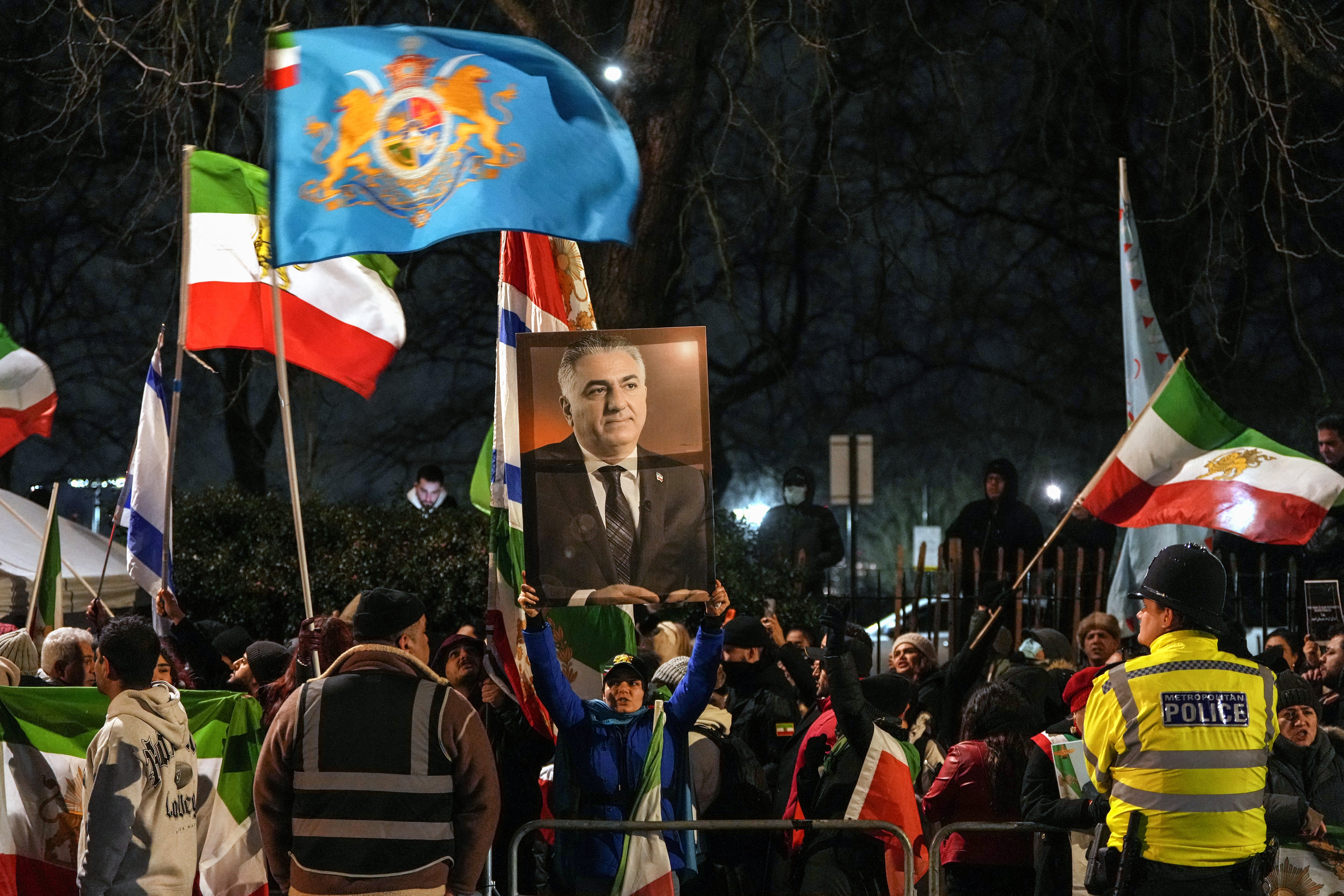
On Friday evening, Crown Prince Reza Pahlavi hailed what he called the “renewed and magnificent presence” of protesters in the streets, calling it a “crushing response” to threats by the Islamic Republic’s leader. He said he was preparing to return to Iran to stand with the people when the “national revolution” succeeds, adding: “Our goal is no longer just to take to the streets, it is to be ready to take control of city centres and hold them.”
Khamenei, meanwhile, has labelled protesters “harmful elements for the country” and said they must be “put back in their place”. The exchange underlines the widening rift between the authorities and large sections of society.
Internationally, the US Secretary of State, Marco Rubio, said on Saturday that Washington supports the “brave people of Iran.” In recent days, the US president has also warned Islamic Republic leaders that if protesters are massacred, the United States will act in support of the Iranian people.
Casualties and human-rights concerns
Human-rights groups say at least 45 people, including eight children, have been killed since the protests began. Hundreds have been injured and more than 2,000 people have been arrested.
These figures are emerging as Iranian state media, amid the internet blackout and the blocking of independent channels of information, is trying to downplay the scale of the protests and frame events as a security issue, a narrative increasingly contradicted by images and videos sent out via Starlink satellite internet.
Reviewed by Tooba Khokhar and Celine Assaf
Join our commenting forum
Join thought-provoking conversations, follow other Independent readers and see their replies
Comments
Bookmark popover
Removed from bookmarks