Trump’s New Gaza is first step to the end of any Palestine state, Gaza families warn
Trump’s new Gaza will be ‘built on the graveyards of countless unidentified Palestinians’, UN official warns
Donald Trump’s new billion-dollar real estate plan for a New Gaza is a “moral failure” and the first step towards the end of any future state of Palestine, civilians in the war-ravaged strip have warned.
The $30bn blueprint to rebuild the besieged enclave from scratch will be “built on the graveyards of countless unidentified Palestinians,” a UN official also added.
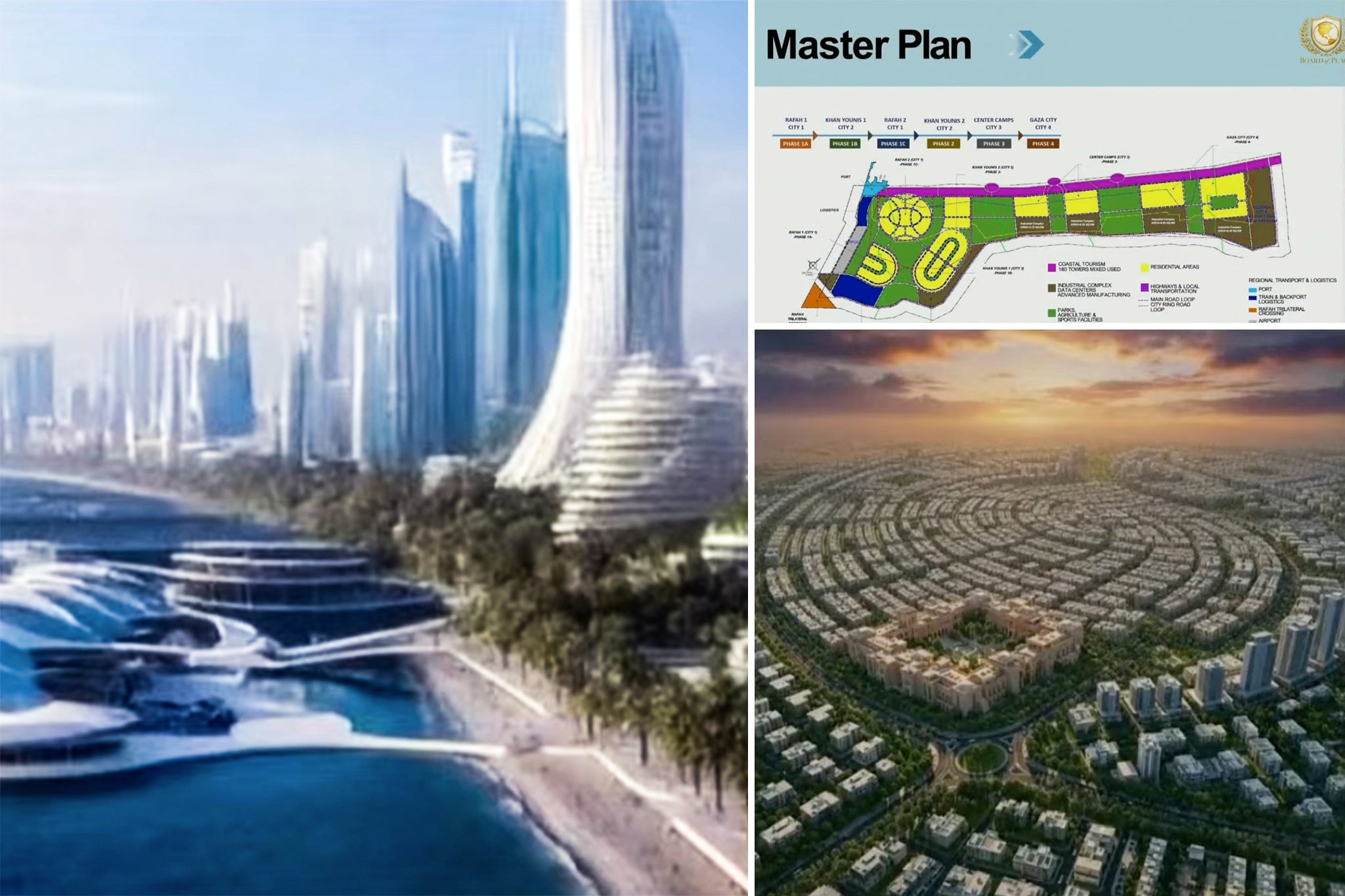
Jared Kushner, Mr Trump’s son-in-law and Middle East adviser, revealed US plans to build New Gaza in a presentation in Davos that featured sparkling cities, AI-generated skyscrapers, glitzy seaside resorts and industrial zones.
In a telling lack of Palestinian participation, Mr Kushner also announced a transitional committee to run Gaza, but the name of the body was written backwards in Arabic and split up into unintelligible individual Arabic letters.
Unperturbed, Mr Kushner implored the international community to “put away your concerns” and get on board, adding that it was part of the president’s efforts to move to phase two of a truce between Israel and Hamas.
“We need you to come, take faith, invest in the people, try to be a part of it,” he said, adding that they have already started removing the rubble and doing some of the demolition in the Israel-controlled city of Rafah.
Under Israel’s ferocious bombardment, nearly a million Palestinians were forced to flee the city, which is located along the Egyptian border, with many still displaced and living in a tent city north of it.
There, in the so-called humanitarian zone, displaced families told The Independent that Palestinians had no say in whether they approve or reject the plan or the unilateral move to destroy their homes, and feared the real purpose was to take control.
Hekmat al-Masri, 46, a social development specialist and a mother of one, said the fact that Americans and Israelis were already carrying out demolitions in Rafah without the consent of homeowners was “transforming forced displacement into a development opportunity”.
Rajai al-Shatli, a Palestinian media producer who is also displaced, said it was “the first step towards ending the entire Palestinian national project”.
“Kushner, in the first year of the war, declared that Gaza's beaches are among the most beautiful in the world and should be developed.
“This is where the plan begins: to take control of the Gaza Strip as if it were the private property of investors worldwide.”
Israel launched an unprecedented bombardment and siege on Gaza in the aftermath of Hamas’s 7 October attacks on southern Israel, during which more than 1,100 people were killed and 250 taken hostage.
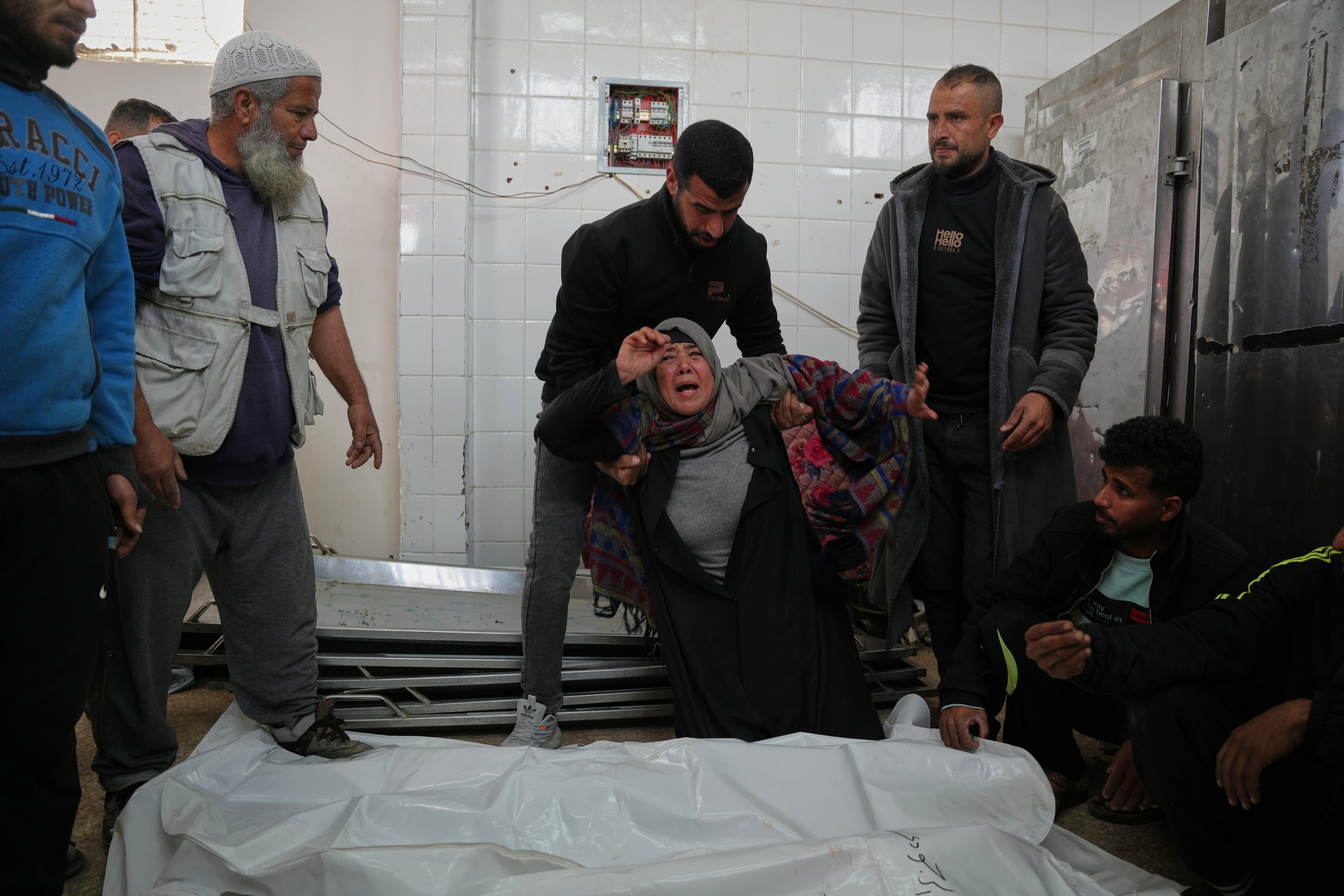
In the two years since, Palestinian health officials say Israel’s bombing has killed more than 70,000 people, including thousands of children.
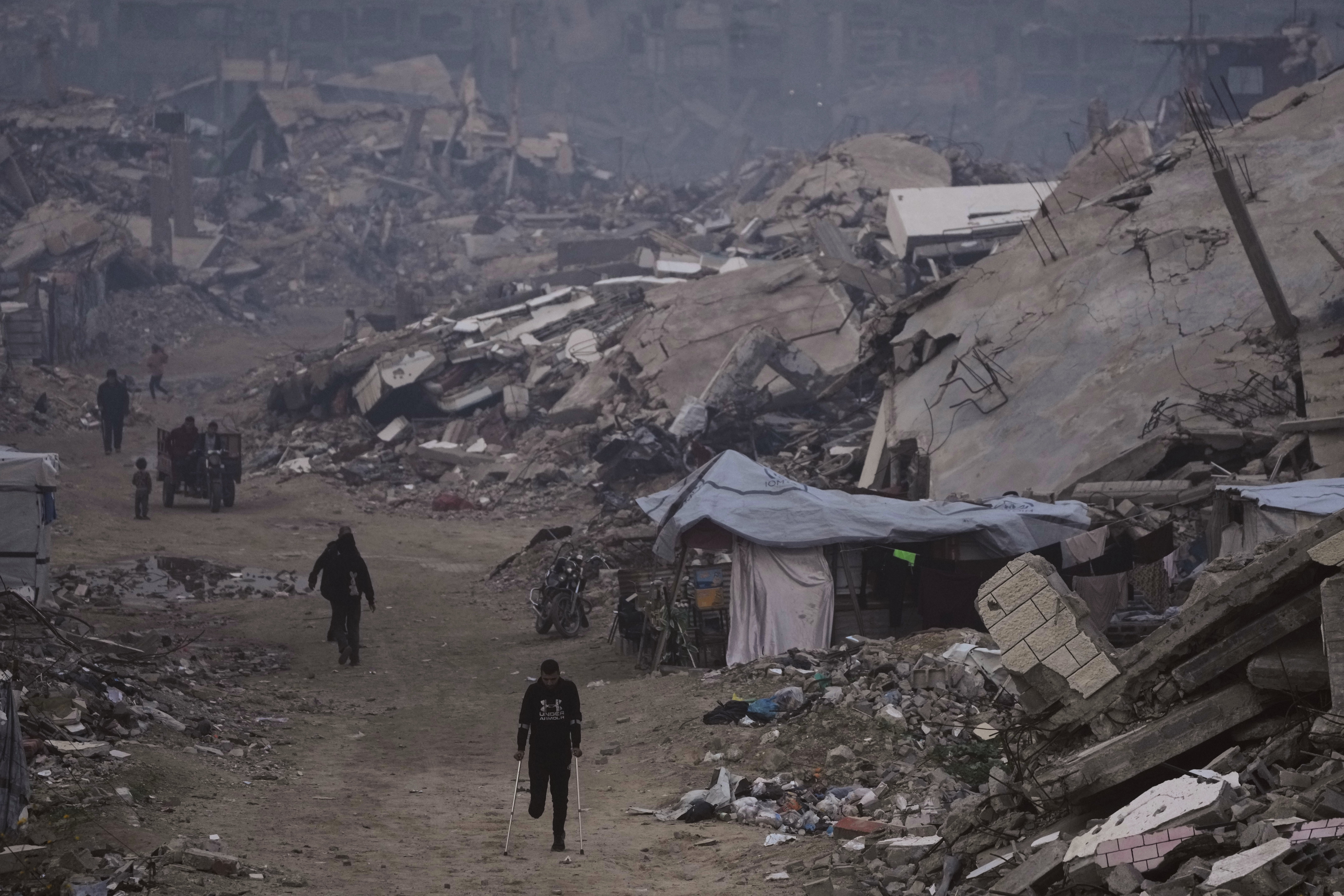
The UN says Gaza is covered in more than 60 million tonnes of rubble – enough to fill nearly 3,000 container ships – and will take at least seven years to clear.
Even with a Trump-brokered ceasefire in place since 10 October, Israeli troops have killed at least 470 Palestinians in Gaza, including three journalists this week alone and children, according to Palestinian officials. Israel says it has opened fire in response to violations of the ceasefire, but dozens of civilians have been among the dead.
Last week, the White House announced it was moving into the next phase of the shaky ceasefire, which is supposed to include the disarmament of Hamas, reconstruction, and the creation of a transitional authority to oversee the process.
On Thursday, Mr Trump inaugurated his controversial “board of peace”, which is initially tasked with implementing a post-war plan for Gaza.
Representatives from a hodgepodge of 29 countries – including Gulf nations, Azerbaijan, Paraguay and Mongolia – signed on, in the notable absence of the US’s traditional Nato allies, the UK, the European Union and Canada.
Alongside the signing ceremony was the announcement of the New Gaza initiative, spearheaded by Mr Kushner.
A senior UN official, who asked to remain anonymous for fear of reprisal, warned that the new cities were being developed on the rubble of people’s homes, without efforts to retrieve the dead trapped underneath it.
“Real estate development is always a great project – except when it’s developed on the rubble of people’s homes,” the official added.
“These new residences will be built on graveyards of countless unidentified Gazans who were killed during the war.”
Mustafa Barghouti, a Palestinian politician in the occupied West Bank, said the biggest stumbling block was the lack of representation.
“How can they have a plan for Gaza without consulting its people: the Palestinians?” he asked.
This was echoed by families in Gaza.
“Gaza does not need political real estate brokers, but rather an end to the aggression, a guarantee of accountability,” Mr Masri said. “Any plan that bypasses the Palestinians is a moral failure.”
Join our commenting forum
Join thought-provoking conversations, follow other Independent readers and see their replies
Comments
Bookmark popover
Removed from bookmarks