Ukraine peace talks with Russia and US fall apart in less than two hours
Ukraine tempered expectations going into Geneva talks as Kyiv and Moscow remain far apart on the key issue of territory
Hopes of a Ukraine peace deal appeared as far away as ever on Wednesday, when crunch talks with Moscow and Washington ended in less than two hours.
Delegates from all three sides met in Geneva for a second day of discussions, but it was soon clear, with the fourth anniversary of Vladimir Putin’s invasion looming, that no progress was going to be made.
The day before, Ukraine’s leader Volodymyr Zelensky hit out at US president Donald Trump, arguing it was “not fair” to expect Kyiv alone to make concessions to end the war.
After the brief talks on Wednesday ended, Zelensky said the third round of direct meetings had been “difficult” and accused Russia of deliberately stalling as the issue of territory remains a major obstacle.
“We can see that progress has been made, but, for now, positions differ because the negotiations were difficult,” Zelensky said.
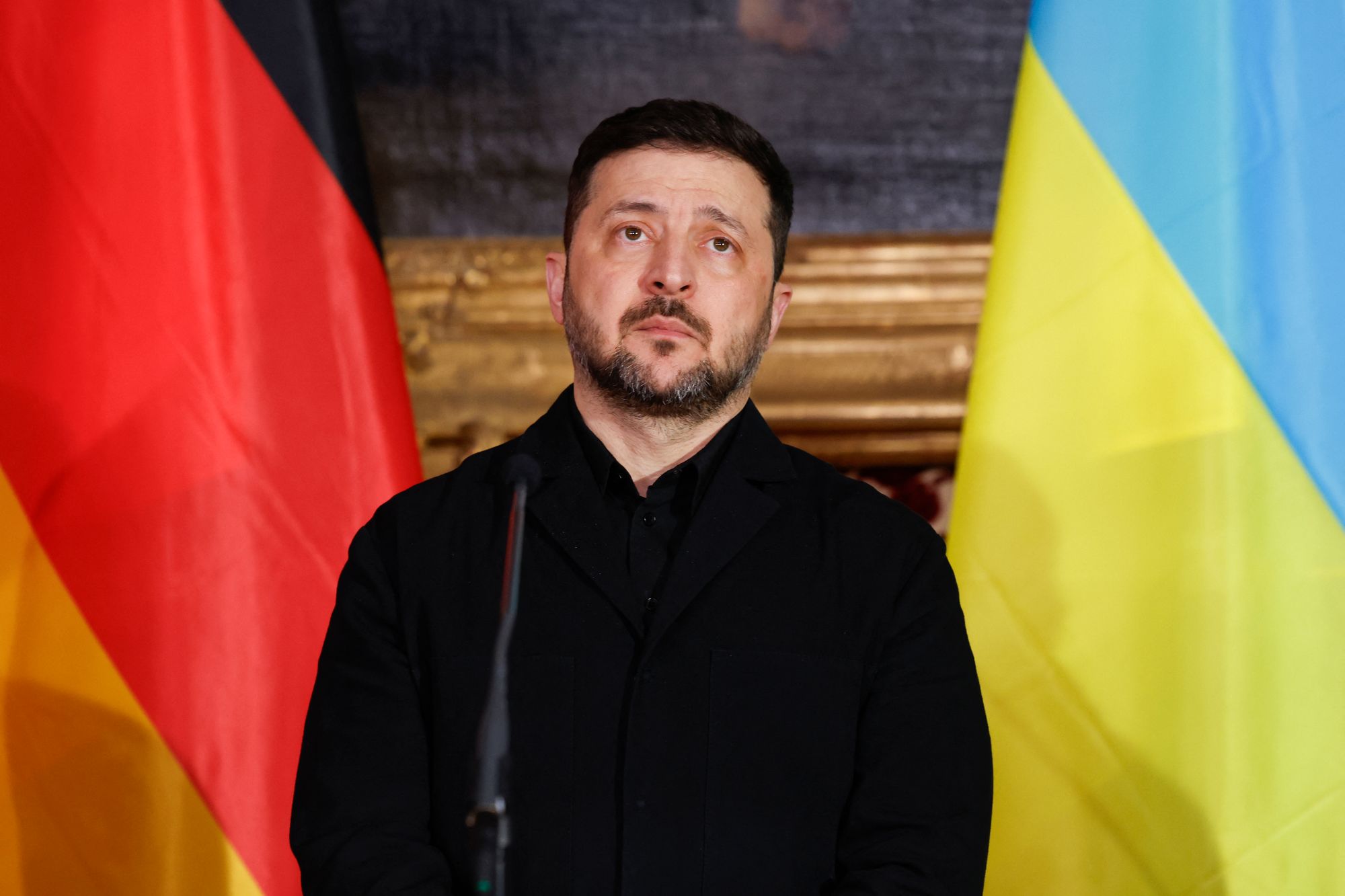
He later added the talks were “substantive”, but said “sensitive political matters” had not been addressed properly. Zelensky claimed he could not say the result was sufficient, and called for another round of talks this month.
Rustem Umerov, now leading Kyiv’s diplomatic efforts, said the latest talks had been “substantive” and that a number of issues had been clarified over the two days in Geneva.
Humanitarian issues, including the exchange of prisoners of war and the release of civilians, were in focus following six hours of discussions the day before. A Ukrainian diplomatic source told the BBC that some progress had been made on “military issues”, including the location of the frontline and ceasefire monitoring.
But it was the central issue of land that the Kremlin had prioritised going into talks, holding firm on its demands Ukraine cede the remaining 20 per cent of the eastern region of Donetsk.
Vladimir Medinsky, a Putin aide leading the Russian delegation, also agreed talks had been difficult before inviting the Ukrainian side for closed-door discussions without American mediation.
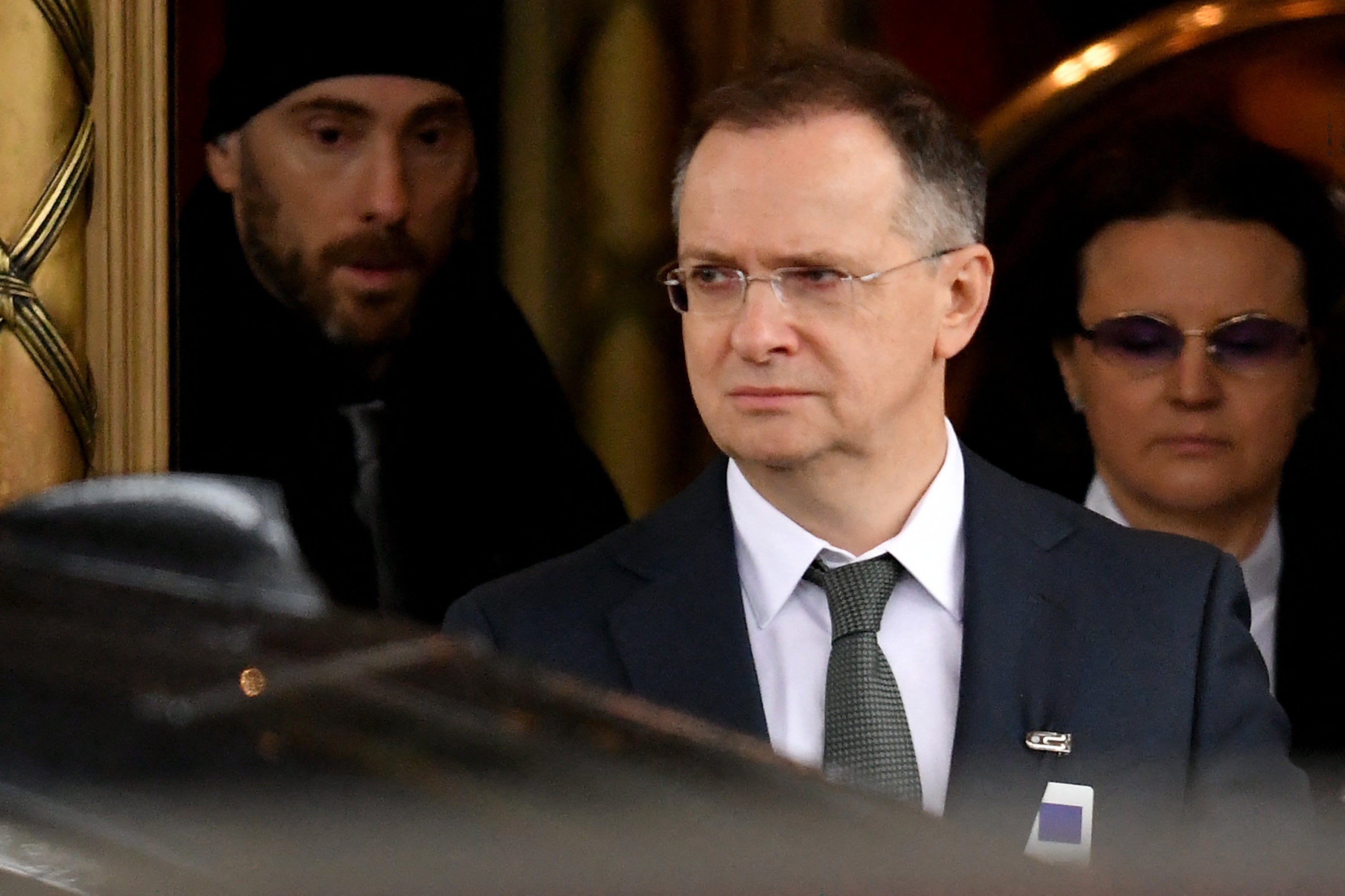
The American delegation was again led by special envoy Steve Witkoff and Trump’s son-in-law Jared Kushner.
Witkoff said on Wednesday that the talks had already “brought about meaningful progress” to end the war, but without providing details.
“President Trump's success in bringing both sides of this war together has brought about meaningful progress, and we are proud to work under his leadership to stop the killing in this terrible conflict,” he wrote on social media.
However, Trump’s public tone towards Ukraine continues to waver. On Friday, he again suggested Ukraine was to blame for the lack of progress when he told reporters Russia wants to make a deal, while Zelensky would have to move quickly or miss out on a “great opportunity”.
And just a day before the latest round of talks began, Trump insisted “Ukraine better come to the table fast”, after months of jostling Kyiv to accept a deal that would involve major territorial concessions.
Ukraine is pushing for its European allies to become more involved in the peace process. Delegations from France, Germany, Britain and others were present in Geneva and were briefed on the talks, but did not take part directly.
Kyiv’s top negotiators had gone into talks this week on the front foot, militarily speaking, following a string of battlefield victories that cancelled out a month of Russian gains in the space of just five days.
Zelensky said Russia had also lost some 30,000 troops in January alone, as the UK reported Moscow was becoming increasingly reliant on foreign fighters to fill its depleted lines.
Emil Kastehelmi, military analyst with Finland-based Black Bird Group, toldThe Independent that progress in Zaporizhzhia and Dnipropetrovsk may not spell a strategic shift, but could have given Ukraine political momentum with which to approach talks.
“They can present themselves as a fighting force that can still conduct counterattacks, relatively swift ones when compared to the general pace of this war,” he said.
In all, Russia currently occupies about 20 percent of Ukraine's national territory, including Crimea, which was seized and unilaterally annexed in 2014.
Moscow’s recent airstrikes on energy infrastructure have left hundreds of thousands of Ukrainians without heating and power during an exceptionally harsh winter.
Join our commenting forum
Join thought-provoking conversations, follow other Independent readers and see their replies
Comments
Bookmark popover
Removed from bookmarks