A ‘trade bazooka’, tariffs and a World Cup boycott: How Europe can hit back at Trump over Greenland
European leaders have made bullish comments in response to Trump’s latest tariff threats. But economists tell Craig Hoyle that an extended trade war would be a ‘worst-case scenario’
Europe is facing a diplomatic crisis as its leaders weigh how to respond to President Donald Trump’s latest tariff threats over Greenland.
World leaders, including Trump, will gather for high-stakes talks in Davos amid growing fears that the US will attempt to seize the territory using force – an act that would threaten the integrity of Nato. Greenland is a territory of Denmark, a member of the alliance.
Trump has vowed to place 10 per cent tariffs on goods from EU members Denmark, Finland, France, Germany, the Netherlands and Sweden, as well as non-EU states Norway and Britain, until the United States is allowed to buy Greenland. These would increase to 25 per cent from June 1, until a deal is reached for Washington to purchase Greenland from Denmark.
European nations have threatened to respond to Trump’s move with retaliatory tariffs worth €93bn. Other options include refusing to ratify the recently agreed EU-US trade deal or what experts call the “nuclear option”: invoking the EU’s Anti-Coercion Instrument (ACI), which French officials have referred to as a “trade bazooka”.
The Independent looks at all the cards that Europe can play against Trump.
Retaliatory tariffs
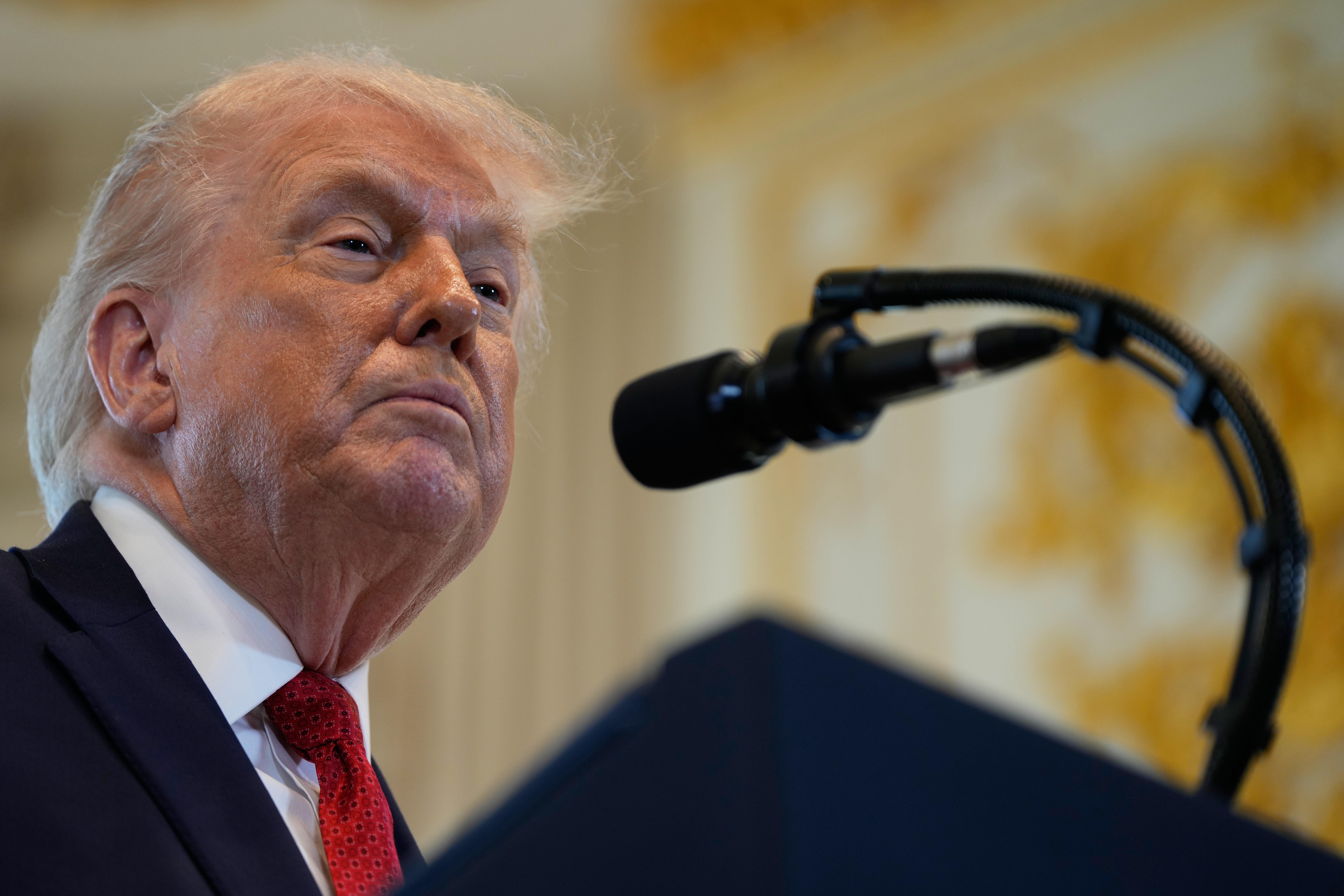
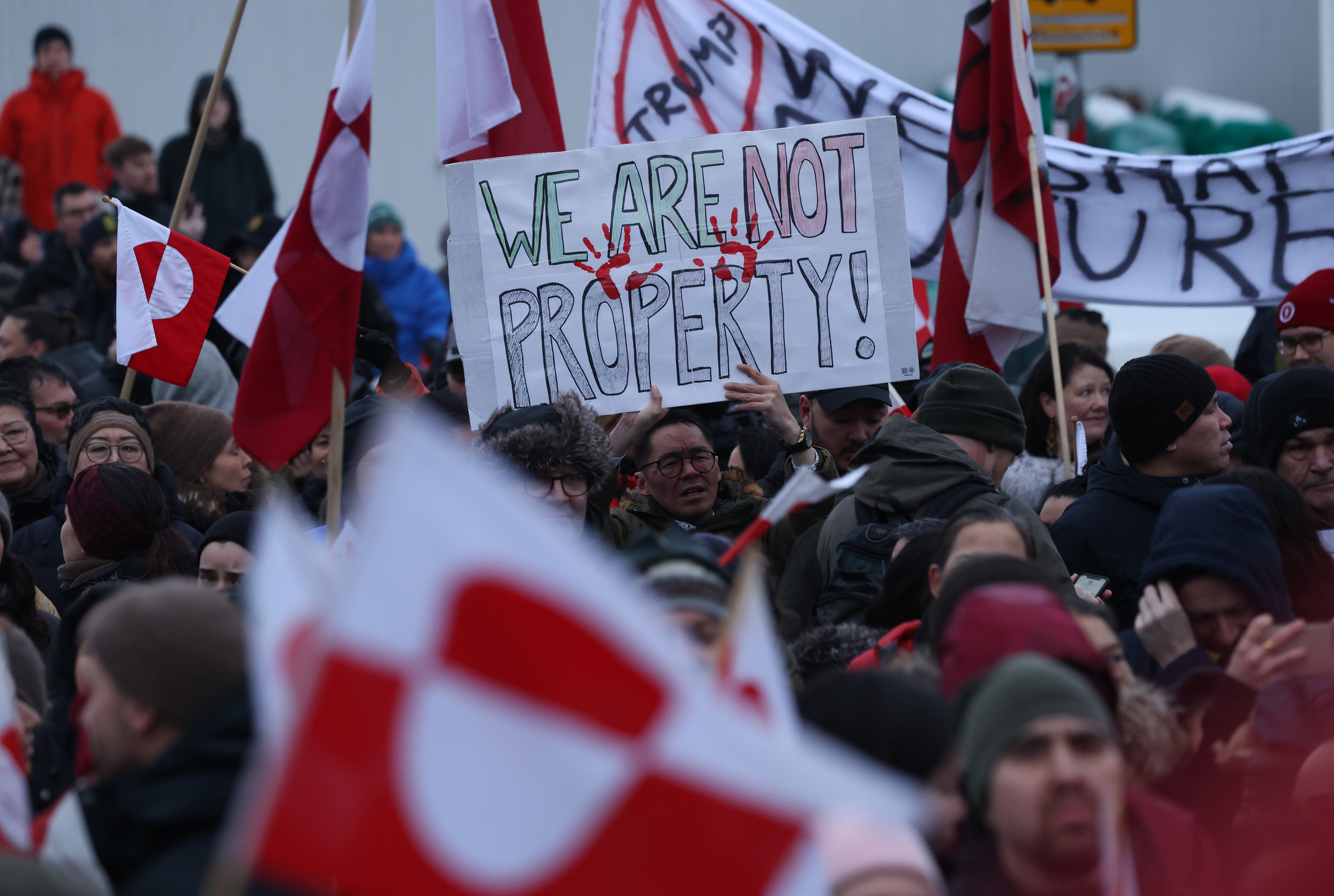
A joint statement from eight nations – including the UK, France and Germany – warned the tariffs would “undermine transatlantic relations and risk a dangerous downward spiral”. European officials subsequently hardened their rhetoric, accusing the US of “blackmail”.
UK Prime Minister Sir Keir Starmer has taken a more diplomatic approach, saying that a trade war is “in no one’s interest”.
While France and Germany have been bullish in public with threats of an economic response, experts say that European officials will need to consider the consequences of engaging in a trade war with Washington as it will ultimately harm trade.
“Europe is quite literally between a rock and a hard place here,” said Dr Trevelyan Wing, a fellow at Cambridge University’s Centre for Geopolitics.
Penny Naas, an expert on European public policy at the German Marshall Fund think tank, told The Independent: “Given the interwoven aspects of the transatlantic relationship, most actions would also hurt Europe.”
Europe’s ‘trade bazooka’
On Monday, a number of European officials appeared to be leaning towards deploying the EU’s “trade bazooka”, the ACI.
Created in 2023, it codified a process for the bloc to respond and seek reparations in situations where a country attempts to pressure the EU through trade and investment threats.
The ACI allows for a number of measures, including restricting a country’s imports to the EU, or blocking certain investments.
In theory, it could be used temporarily shut the US out of the European single market. Use of this “trade bazooka” would likely take some time, as implementation would require qualified majority support from members at the European Council.
Dr Wing said deploying the ACI would be a “worst-case scenario” – other than actual armed conflict – with the potential for a dispute to become “quite dicey quite quickly”.
“They call it a bazooka for a reason.”

However, Ms Naas said that Europe may also take a wait-and-see approach: “I expect deploying ACI will depend on what happens on February 1.”
A World Cup boycott
Some European economists have suggested a different response would maximise leverage with Trump.
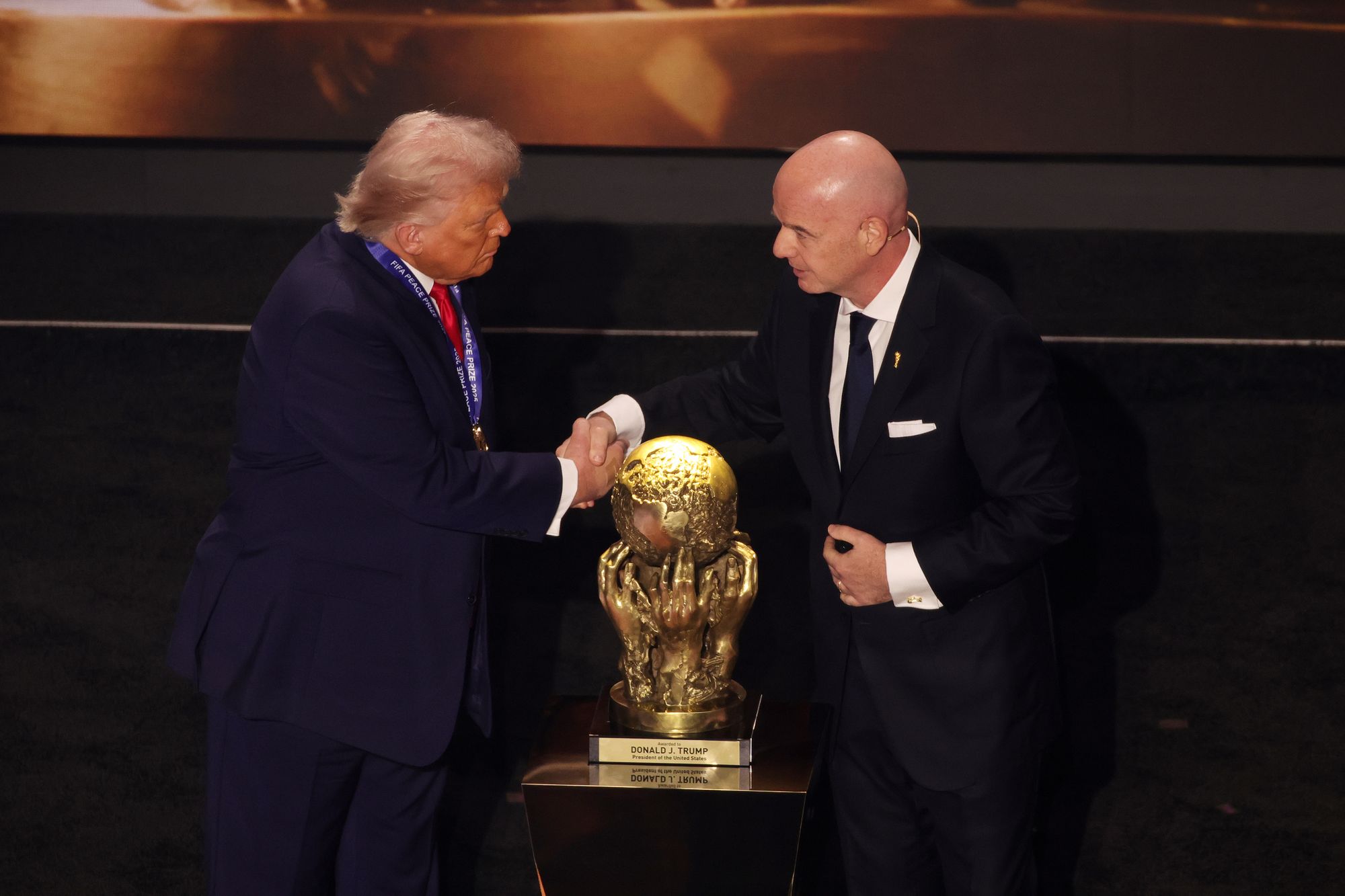
Lucas Guttenberg, the Jacques Delors Centre’s Europe Programme Director, argued that Europe should use its “cultural soft power” and threaten a boycott of the Fifa World Cup, scheduled to begin in the US in June.
Guttenberg, a former economist at the European Central Bank and former advisor to the German vice-chancellor, wrote in a post on the social media site Bluesky: “It would become a completely meaningless event and would hurt him (Trump) where he is most vulnerable – his vanity.”
Guttenberg’s post was reshared by Sander Tordoir, chief economist at the Centre for European Reform, who added: “Europe should hold a competing football competition in Denmark at exactly the same time – and call it the Viking Freedom Supercup.”
In a subsequent emailed statement, Mr Tordoir said deployment of the ACI was unlikely, with a trade and tech war promising difficulty for both sides.
“The question is who has the higher political pain threshold,” he said, with many EU member states fearing that retaliatory countermeasures could set off a cycle of escalation.
“A European boycott of the Football World Cup may be more likely!”
Ms Naas suggested meetings in Davos this week would be critical, and officials needed to brace for the possibility of things getting much worse if they took the fight to Trump.
“The President respects strength, but Europe has to be prepared for when the President punches back.”
Join our commenting forum
Join thought-provoking conversations, follow other Independent readers and see their replies
Comments
Bookmark popover
Removed from bookmarks