Amsterdam launches crackdown on electric ‘fatbikes’ after near-misses
Some women claimed they had been slapped by passing riders


Amsterdam, a city renowned for its cycling culture, is set to ban super-sized electric "fatbikes" from its main park, Vondelpark.
The decision follows a notable increase in high-speed crashes and injuries, which authorities attribute to reckless riders.
These powerful electric bicycles, capable of reaching speeds up to 60 kph (40 mph) on Amsterdam's often-narrow streets and paths, have become a point of contention.
While the proposed ban has been welcomed by safety campaigners, it has simultaneously drawn criticism from some cyclists who argue it clashes with the city's traditionally laissez-faire image.
Alderwoman Melanie van der Horst, who spearheaded the initiative, revealed she had been "deluged with complaints" from pedestrians within the popular Vondelpark.
Concerns include elderly people expressing fears of being hit, and reports from some women who claimed they had been slapped by passing riders.
“We see a lot of fatbikes going more than 50 or 60 kilometres an hour. Well, they are only supposed to go 25, so it's very dangerous,” Van der Horst said.
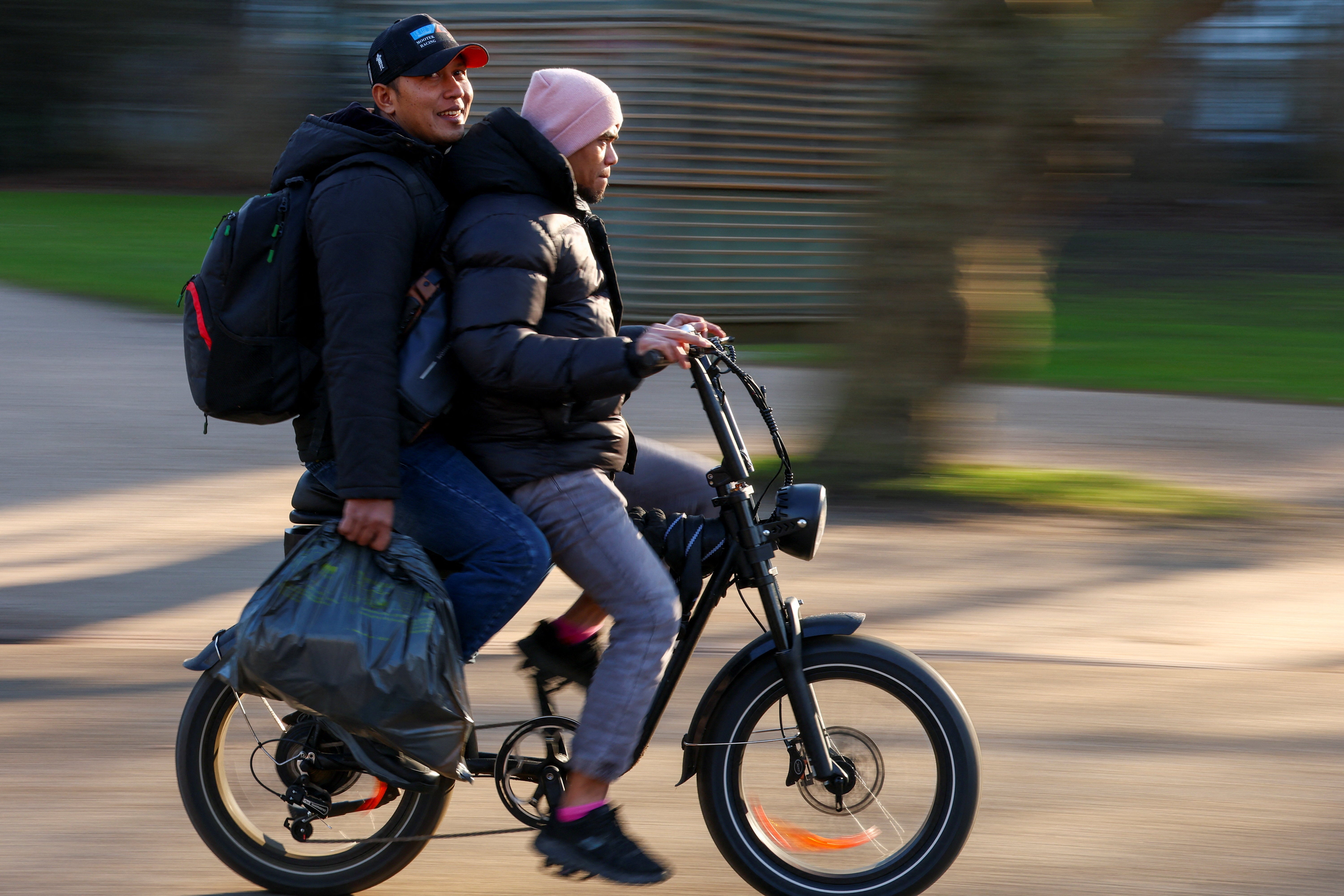
The fatbikes - which stand out from regular electric bicycles with their thick tires, large batteries and heavy frames - are particularly popular among young riders and delivery drivers.
Fatbike owner Sjoerd Jonkers said the outright prohibition was an overreaction and that authorities should concentrate on banning illegal, imported models, and bikes that had been modified to go too fast.
"I love driving it, my girlfriend's on the back, my son on the front, the three of us on one bicycle. So I ditched my car," he told Reuters.
Alex Manuputty, riding a flashy orange fatbike made by Stoer in the park, said there was always resistance to new things.
"There need to be rules and then all cultures - all people - can actually get along," Manuputty said.
More than half the 800,000-strong population use some form of bicycle every day in Amsterdam, a city famed for its cycling lanes.
Batteries are overtaking pedal-power. Out of all the bicycles sold in the Netherlands in 2024, 48 per cent were electric, and another 13% were fatbikes, according to vehicle association RAI.
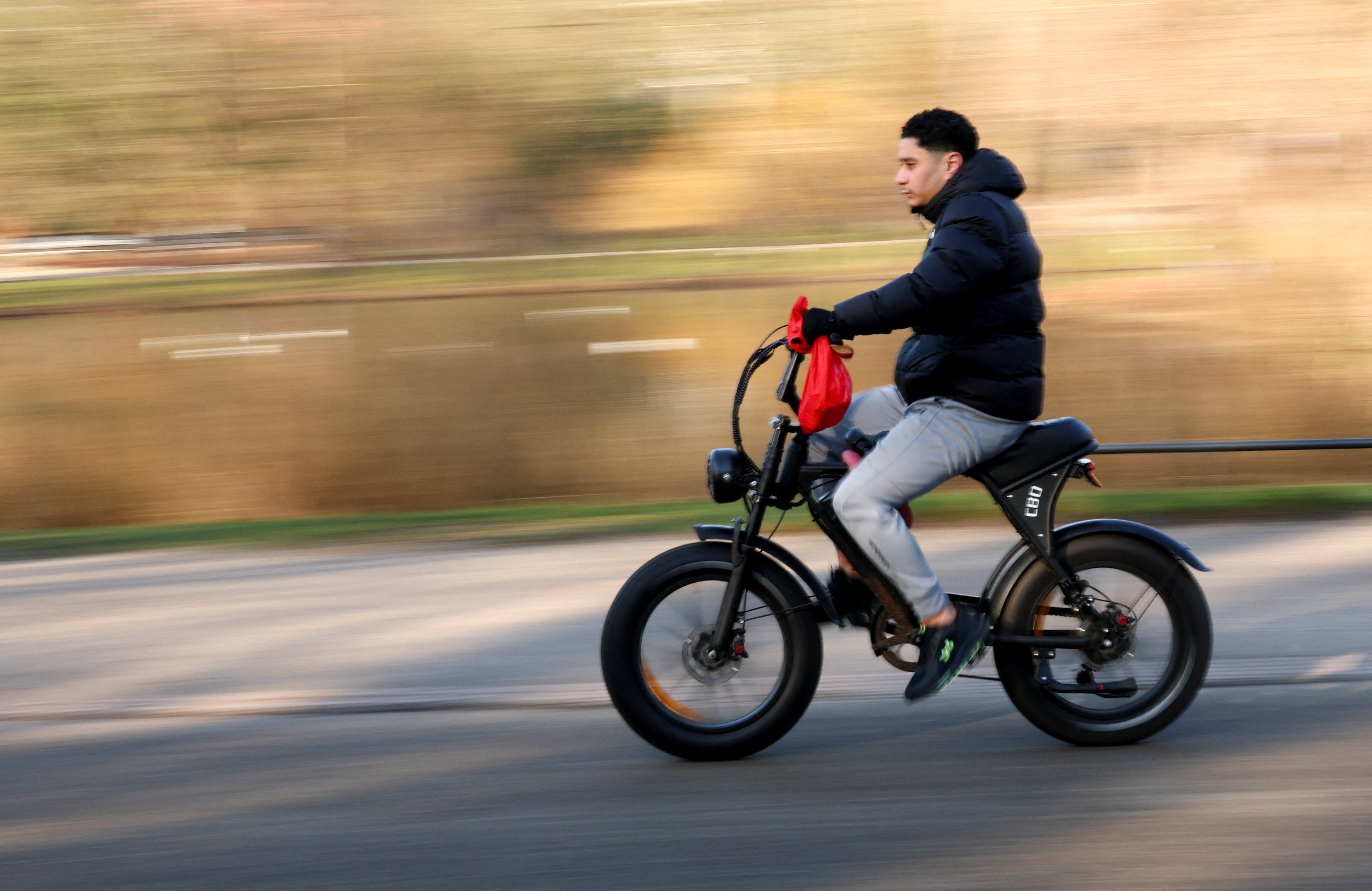
In October, Dutch hospitals found that people injured on fatbikes were 70 per cent more likely to need extra medical treatment than people hurt on conventional bicycles.
About half of fatbike accidents involved children aged 12-15, according to the findings.
Dr. Barbara Swarthout-ten Kate, a family doctor in Amsterdam, said her practice has seen a spike in concussions and arm fractures. Helmets should be compulsory and under-16s should be banned from riding fatbikes, she added.
"The helmet will make it safer, but also less cool," she said.
The city council has not set a date for the ban to go into effect.
Join our commenting forum
Join thought-provoking conversations, follow other Independent readers and see their replies
Comments
Bookmark popover
Removed from bookmarks