Swine fever deaths surge in Spain amid fears of new virus strain
Spain is working to identify and contain its first outbreak of the deadly virus in thirty years
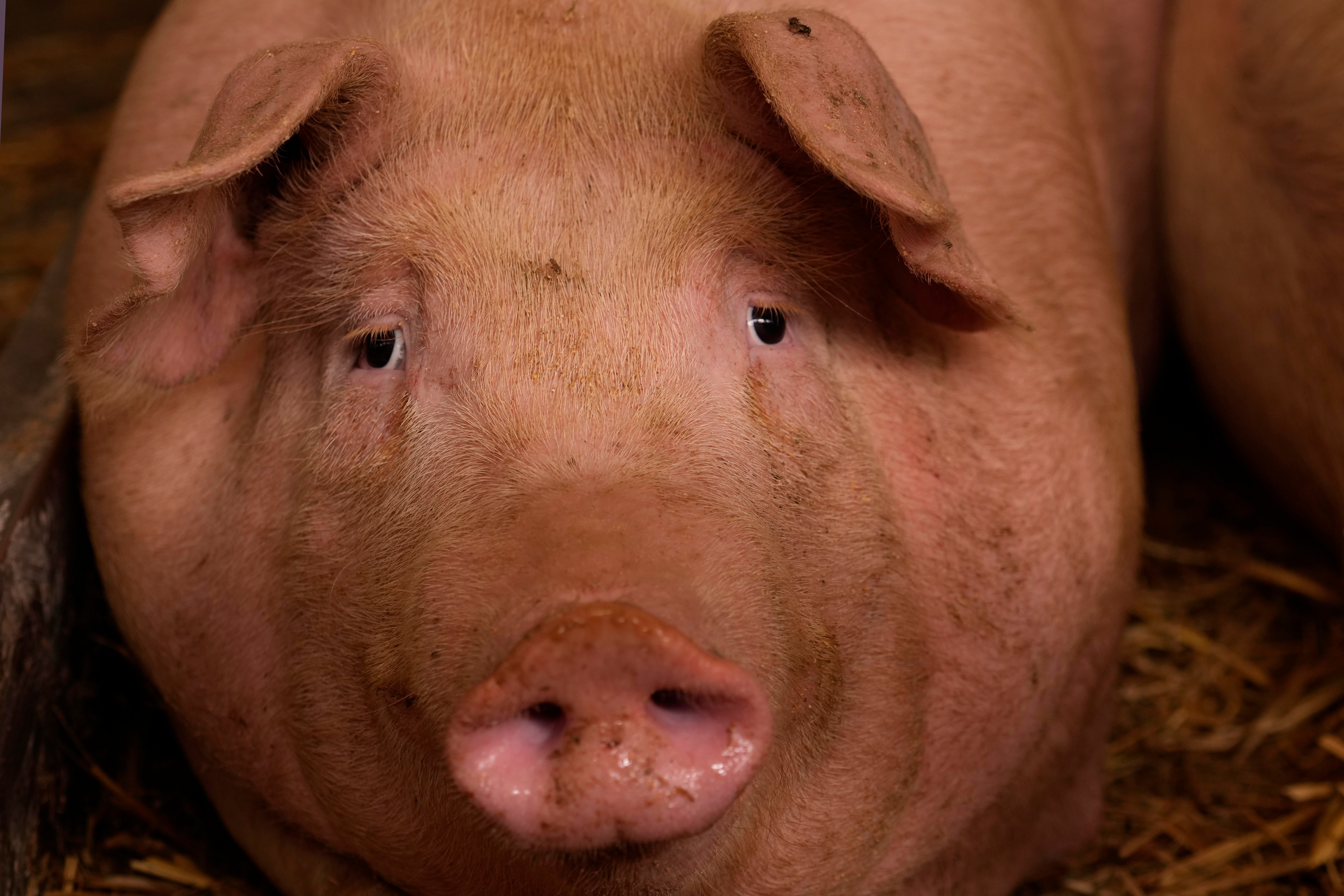
Spain has recorded a surge in the deadly African swine fever sweeping Catalonia as authorities bring in drones and helicopters to help contain the outbreak.
The region’s department of agriculture announced on Monday that a further 18 wild boar have died from the highly contagious disease near Cerdanyola del Valles, bringing the tally up to a total of 47.
The ministry said that the rise was due to wider testing in hard-to-reach areas, explored by air over the Christmas holidays. It emphasised that it was an “accumulation” of cases reported, and not a “sudden” spike.
Spain ramped up containment efforts in December, bringing in sniffer dogs and the military to help track the spread. More than 620 boars have been analysed in recent weeks, with around eight per cent testing positive for the virus.
Researchers believe the ‘Bellaterra’ variant could be a new mutation, after it failed to match with any samples held locally.
The local government has downplayed the theory that it could have spread from a laboratory, with agriculture minister Oscar Ordeig calling for “prudence” last week as investigations continue.
Spanish police raided a state-funded laboratory near Barcelona last month as part of one of the investigations into the origins of the outbreak, amid concerns the disease may have escaped from the facility.
Genome sequencing has revealed the strain is similar to those used in research and vaccine development, differing from other European cases.
But analysis by the Institute for Research in Biomedicine (IRB) in Barcelona found no matches with locally held by Cresa. The local government believes there is a “remote” chance it came from a lab.
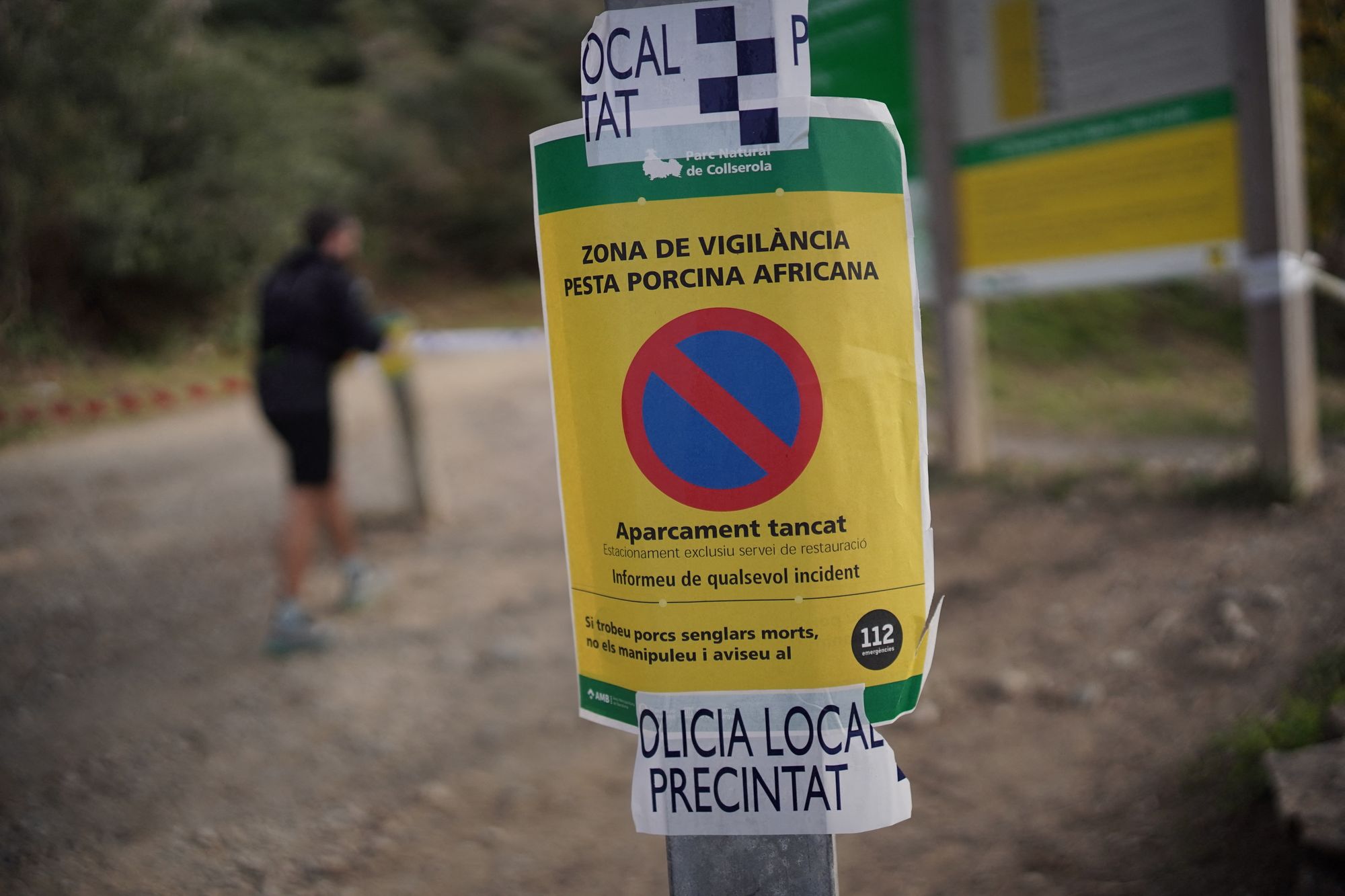
Mr Ordeig told Catalunya Radio at the start of December that officials were working on the assumption that the virus may have spread from contaminated food brought into the country from abroad.
“The most likely option ... is that cold cuts, a sandwich, contaminated food, could end up in a bin – we have to take into account that Bellaterra is an area with a lot of traffic from all over Europe – and then that a wild boar would have eaten it and become infected,” he said at the time.
Spanish newspaper El Pais reported that the wild boar may have eaten a contaminated sausage in a sandwich thrown away in a ditch, and then become infected.
This marks Spain's first outbreak of ASF since 1994, with the virus detected exclusively in wild animals within the Collserola hills outside Barcelona, and no cases reported on farms.
While harmless to humans, ASF spreads rapidly among pigs and wild boar.
The virus was initially identified in two wild boars in Bellaterra, within the Collserola mountain range, in late November.
The spread remains pressing with Spain’s multi-billion-euro pork industry on the line. Catalan exporters lost 62 million euros in the first month of the outbreak alone, according to El Periodico.
Join our commenting forum
Join thought-provoking conversations, follow other Independent readers and see their replies
Comments
Bookmark popover
Removed from bookmarks