How a couple’s mountain climb ended with a young woman dead and her boyfriend guilty of manslaughter
An amateur mountaineer was found without protective gear, frozen to death near the summit of Grossglockner in Austria. Her partner was blamed for leaving her behind, James C Reynolds reports
Kerstin G was just metres from the summit of Austria’s tallest peak when she collapsed, exhausted, and began to freeze to death.
After a full day of climbing with her boyfriend, Thomas P, the 33-year-old was reduced to a crawl in 45mph winds as night-time temperatures dropped to -8C on the 12,461ft Grossglockner, a court heard this week.
Her partner, only identified by his first name and initial under Austrian privacy laws, was found guilty of manslaughter on Thursday. A brief trial had tried to understand why he had left her on the Stüdlgrat ridge hours before her death on 19 January 2025.
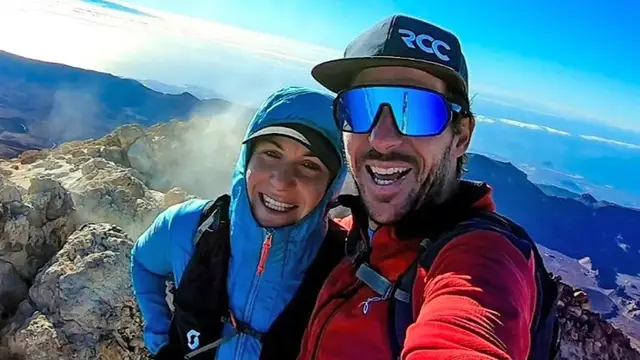
The defendant, from Salzburg, argued he was in a trance and vomiting from the stress when he decided to abandon his partner. The court heard he left Kerstin exposed, without wrapping her in an emergency blanket or bivouac bag, to go and find help.
But over the course of the 13-hour hearing, prosecutors identified a series of “fundamental errors” that led the judge, himself a climber, to conclude that had the defendant acted differently, his girlfriend would have survived.
The court also heard from an ex-girlfriend, a witness who testified that he had also left her at the top of the same mountain following an argument two years previously.
The case remains controversial – and open to appeal – with the late victim’s mother publicly claiming there was a “witch hunt” against the defendant, amid a public debate around when taking risks becomes criminal.
The packed courtroom heard how Kerstin, who had only been climbing since 2024, started the climb without specialist crampons on her snowboarding boots. She was carrying only a drink and some gummy bears, according to Kronen Zeitung.
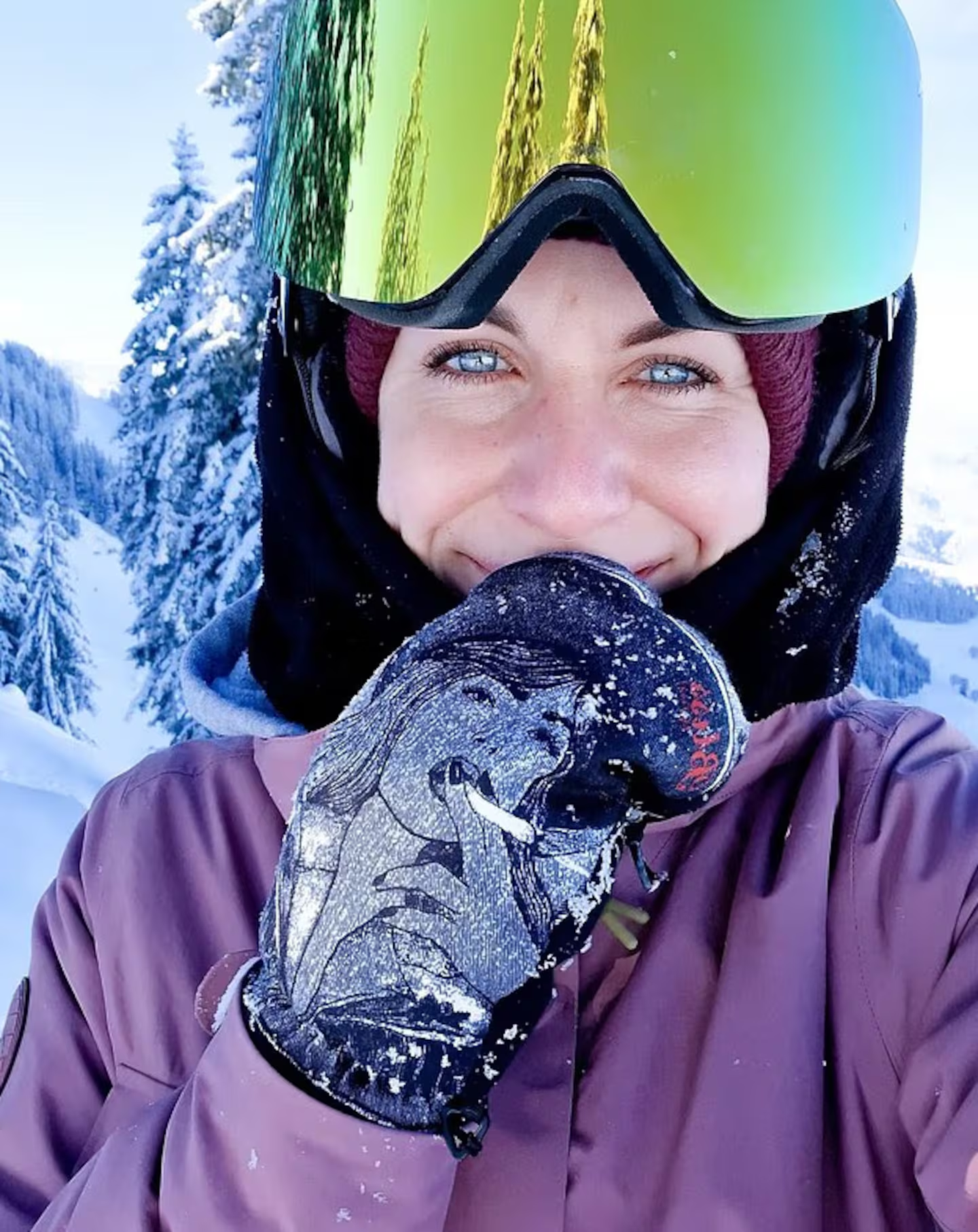
“That wasn't the appropriate equipment for your partner – you must know that, since you provided her with it,” said judge Norbert Hofer, grilling the 37-year-old defendant, after an expert deemed the equipment was “unsuitable” and the defendant should have pointed this out to her.
Prosecutors said the couple missed chances to turn back, and that the defendant had failed to call the police and did not send distress signals when a police helicopter flew over at around 10.30pm.
Soon after, Kerstin became exhausted. The defence said she told her boyfriend to go and get help.
He called mountain police at around 12.30am, but crucially, rescuers did not trigger a search as they said he did not make it clear they needed help.
“All our attempts to contact him went unanswered,” an investigator told the court. “Therefore, we assumed the situation was normal.”
According to Kronen Zeitung, the investigator messaged the defendant at 12.49am asking “Do you need help now, or not???”, only to receive the response: “no”. The defendant said he did not respond to police as his phone had been in airplane mode to preserve battery.
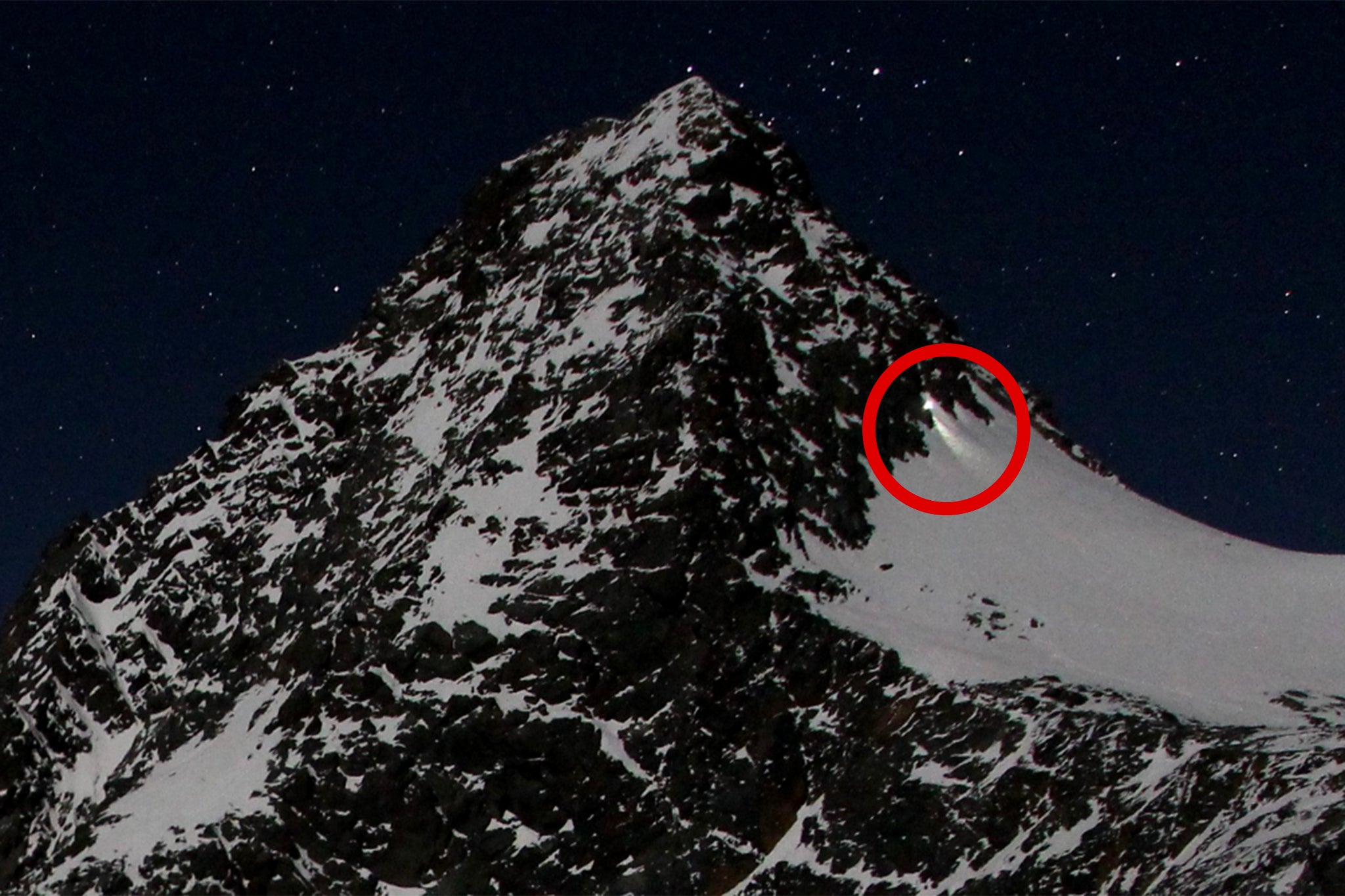
The limited provisions available stayed with Kerstin as her boyfriend began his descent at around 2am, according to prosecutors. Webcam images of the mountain show torchlights coming down from the summit around that time.
“I do not see you as a murderer. I do not see you as cold-hearted,” Mr Hofer told the defendant as he read his ruling, accepting that he had indeed gone to fetch help.
But “the victim was galaxies away from you in terms of high-alpine skills”, he said, adding that he “got the impression that the victim was misled in some respects”.
Analysis of their watches and smartphones showed how the couple had slowed to cover 91 metres of altitude in nearly six hours before Kerstin died from hypothermia. Data gathered from the devices should have signalled to someone with his experience that it was time to turn back much earlier, Hofer concluded.
Ahead of the trial, the victim’s mother told Die Zeit that she had been frustrated by portrayals of her daughter as a “naive little thing who let herself be dragged up the mountain”. She also criticised the treatment of her daughter’s partner online and in the media.
In court, his defence lawyer admitted that “mistakes were made ... but not on my client’s side” during the climb up Grossglockner. He argued that his client only “wanted to help” when he left her alone to find assistance.
Rescuers later found the victim without gloves and with her boots unfastened, hanging in a suspended position. She had her backpack still on her back, they said, and her head with tilted backwards.
Asked how she could have ended up in such a position, an investigator with the alpine task force said: “I can’t explain it.”
“Could the injured woman have landed like that due to a fall?” Mr Hofer asked, reviewing photos. “No, not really,” the officer replied.
The court also heard from an ex-girlfriend of the defendant, who claimed she too had been left on the mountain during a joint climb in 2023, Austrian media reported.

She told the court that they had a “brief relationship” and went on trips together. She said she had some mountaineering experience, but that he was more experienced.
“My ex-boyfriend always led the way,” she said. “I always asked questions, but he was always the one leading.”
“During a high-alpine tour on the Grossglockner, the mood was bad. I was at the end of my strength, I was dizzy, my headlamp was off, I was crying and screaming. I signalled this to him. Then he was suddenly gone. He had gone ahead.”
She said she did not go to the police at the time, though the dispute “was the reason why we stopped going on trips together” before they separated.
The defendant, who pleaded not guilty, was convicted of gross negligent manslaughter and given a five-month suspended prison sentence and a €9,400 (£8,210) fine.
In a statement on sentencing, the court told the BBC that the loss of a person close to him and his previous clean record were “mitigating factors”. It had also taken into consideration “the public discussion on social media, which was incriminating for the defendant” when decided punishment.
Offered the chance to appeal the verdict, the defence was granted three days to consider its options.
Bookmark popover
Removed from bookmarks