New Zealand landslide latest: Several missing with ‘no sign of life’ for hours after deadly Mount Maunganui floods
Two people are dead and several are missing after landslides ravaged parts of New Zealand’s east coast on Thursday
At least two people have died after landslides tragically struck a house and a holiday campground on New Zealand’s North Island on Thursday.
Emergency services are racing to rescue people trapped under rubble, but authorities say there have been no "sign of life" for hours as they estimate the number of people missing was in the "single figures".
The first landslide hit a house in Welcome Bay at about 4.50am on Thursday (3.50pm GMT on Wednesday). Two people escaped, but the bodies of two others trapped inside were later recovered, emergency management minister Mark Mitchell said.
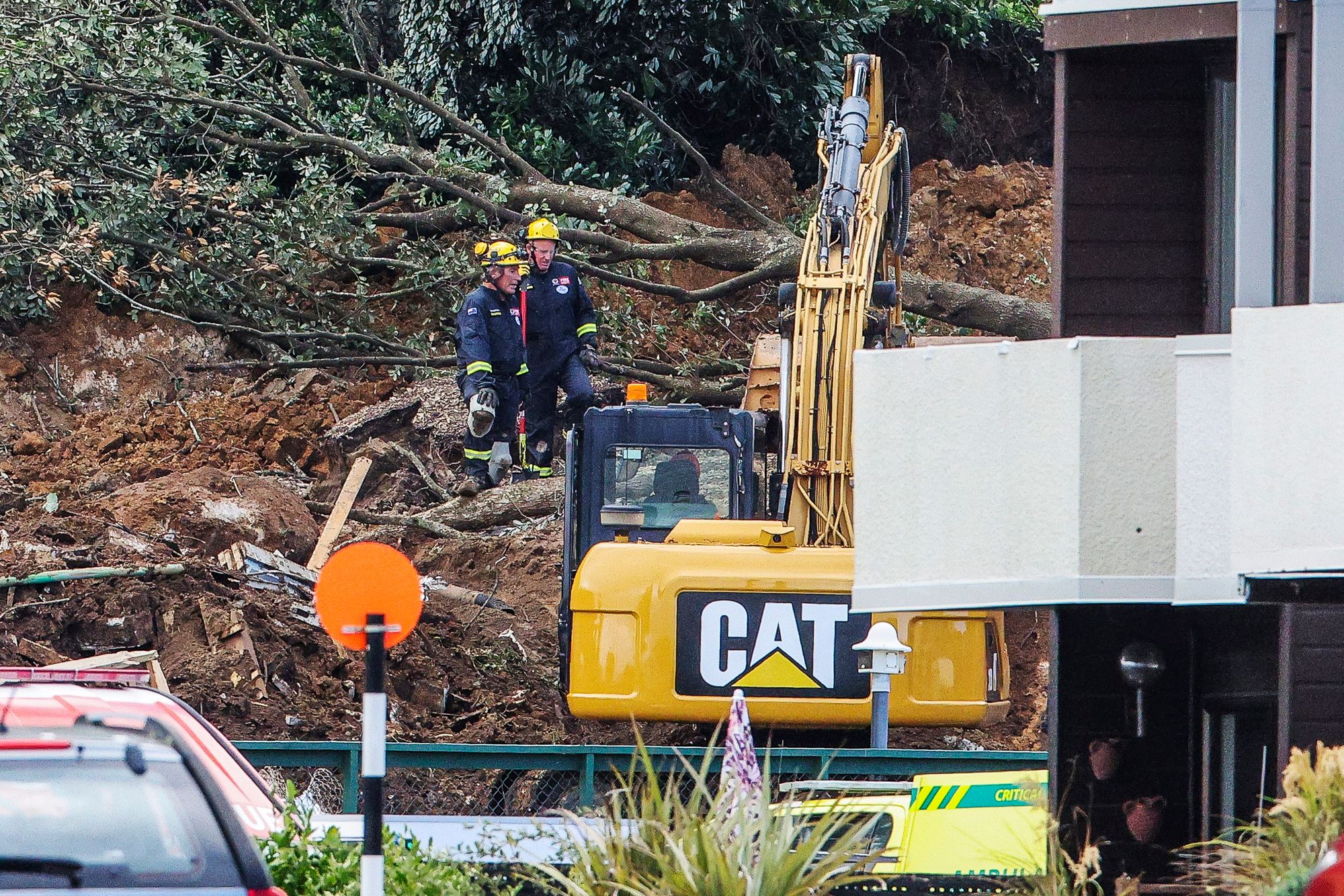
Hours later, a second landslide hit Beachside Holiday Park, at the base of Mount Maunganui, crushing vehicles, campervans and an amenities block.
“There was a shower block … and there were people using that at the time the slide came through,” Mitchell told Australian Broadcasting Corp.
Fire and Emergency New Zealand said early searches detected voices from beneath the debris but crews were later forced to withdraw because of unstable ground.
Further north, a man remains missing after being swept away by floodwaters near Warkworth on Wednesday.


Woman trapped in landslide a 'hero', says camper
A woman thought to be trapped under the debris at Mount Maunganui’s campsite has been praised as a “hero” after she warned others of the impending danger.
The camper, who managed to escape despite her campervan being crushed by the landslide, told the NZ Herald: “I just want you to know that one of the women that’s in the shower block, she was a hero.”
She said the woman did all she could to help save lives on Thursday.
“She went around at 5 o’clock this morning and she got us all out of bed and she woke us all up so that we could move out...and she’s not out.”
A recent history of New Zealand's worst weather events
The flooding and landslides that struck New Zealand on Thursday is the latest extreme weather event to have devastated the country in recent years.
The government has again been urged to take stronger action on climate change, with climate scientist James Renwick saying it must find a way to decarbonise the economy as soon as physically possible.
The Independent has taken a look at some of the worst weather events New Zealand has seen in recent years:
Cyclone Gabrielle
In 2023, New Zealand saw one of its most devastating weather events after Cyclone Gabrielle and the Auckland Anniversary Weekend floods killed 19 people.
The back-to-back events took place over a number of days in early 2023, causing a national state of emergency to be declared as strong winds and heavy rain lashed parts of the North Island.
Hundreds of homes and large areas of farm land were destroyed in the deadly storms.
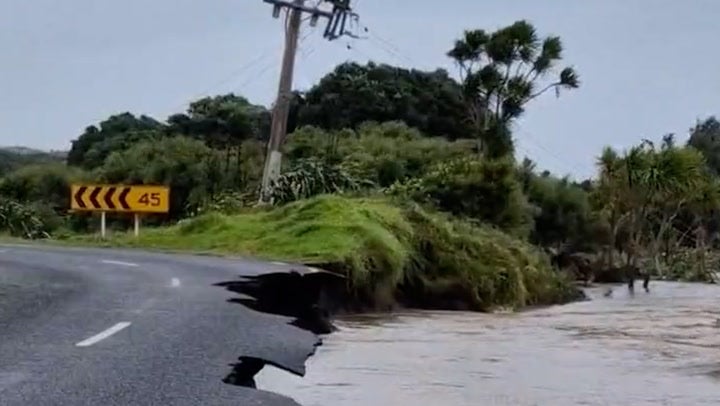
Nelson and Tasman Floods
In 2022, the South Island’s Nelson and surrounding Tasman region experienced a 1-in-120-year rainfall event, which caused severe flooding and hundreds of landslides.
The flooding caused damage to highways, infrastructure and hundreds of properties. According to the Insurance Council, there were 3,165 weather-related claims with a provisional value of $47.98m.
Canterbury Floods
The South Island’s Canterbury region was hit by flooding in 2021, with hundreds of people forced to evacuate their homes as the flood wreaked havoc on the community.
River water levels rose across the region in a "one-in-100-year deluge", and multiple highways, schools and workplaces were closed.
Around 1,500 homes without power overnight
New Zealand electricity company PowerCo estimates that around 1,500 households are still without power, local media has reported.
According to Stuff, many of the homes still experiencing power outages are in Mount Maunganui and Te Aroha, which is in the nearby Waikato region.
At around 1am local time on Thursday, around 14,900 properties were affected by power cuts in the storm regions.
What is Mount Maunganui? The popular Kiwi beach town devastated by floods
Mount Maunganui, one of the country’s most popular tourism hotspots, has been devastated by floods which have buried the town’s main campsite and left several people unaccounted for.
Also known as ‘Mauao’, the 232m mountain is a sacred ancient volcano and a place of great spiritual importance for Māori, New Zealand’s indigenous people.
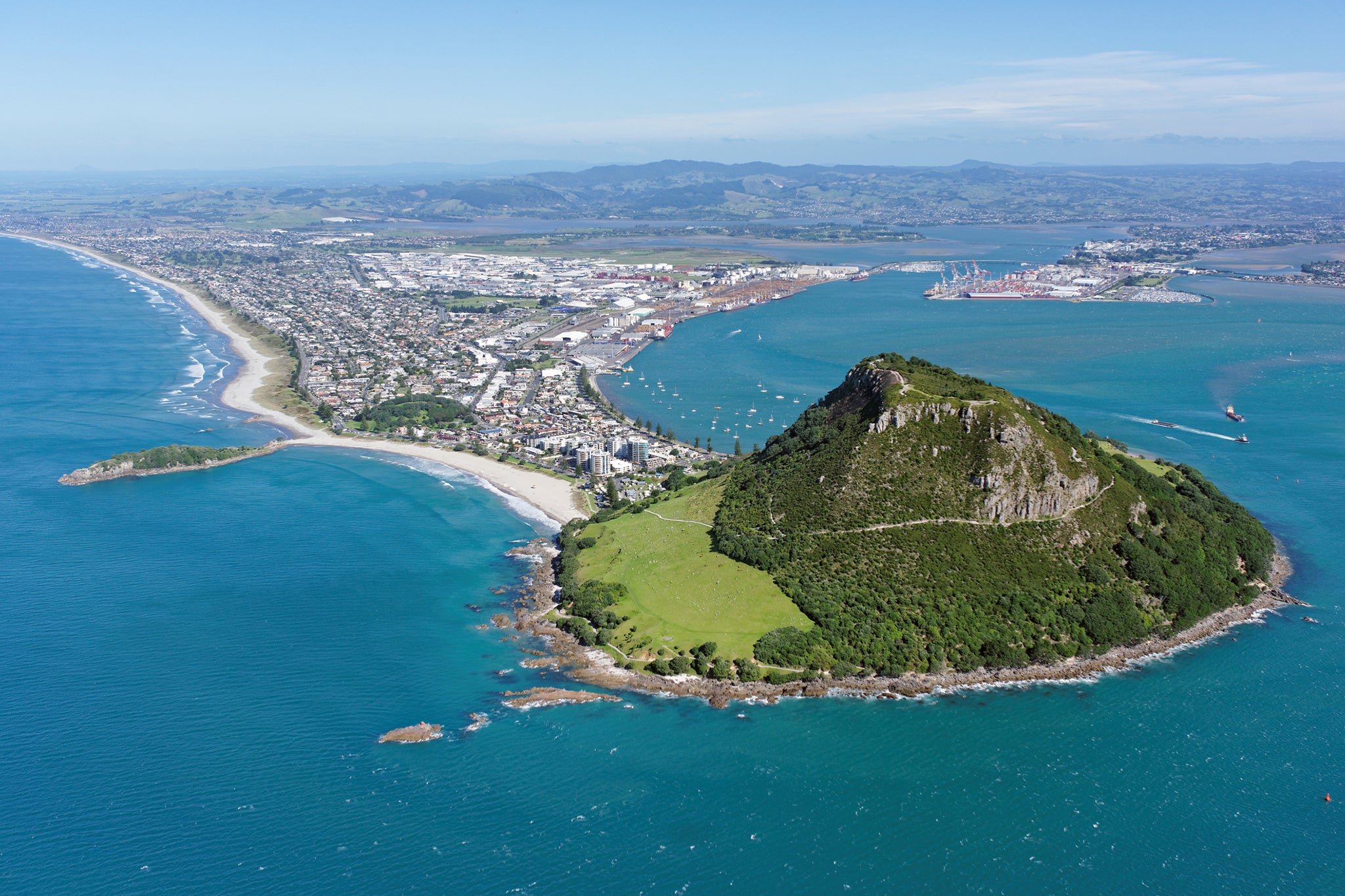
Mauao, which means caught by the dawn, is the sacred tūpuna maunga, or ancestral mountain, of the three local iwi groups of the Tauranga Moana region - Ngāi Te Rangi, Ngāti Ranginui, and Ngāti Pūkenga.
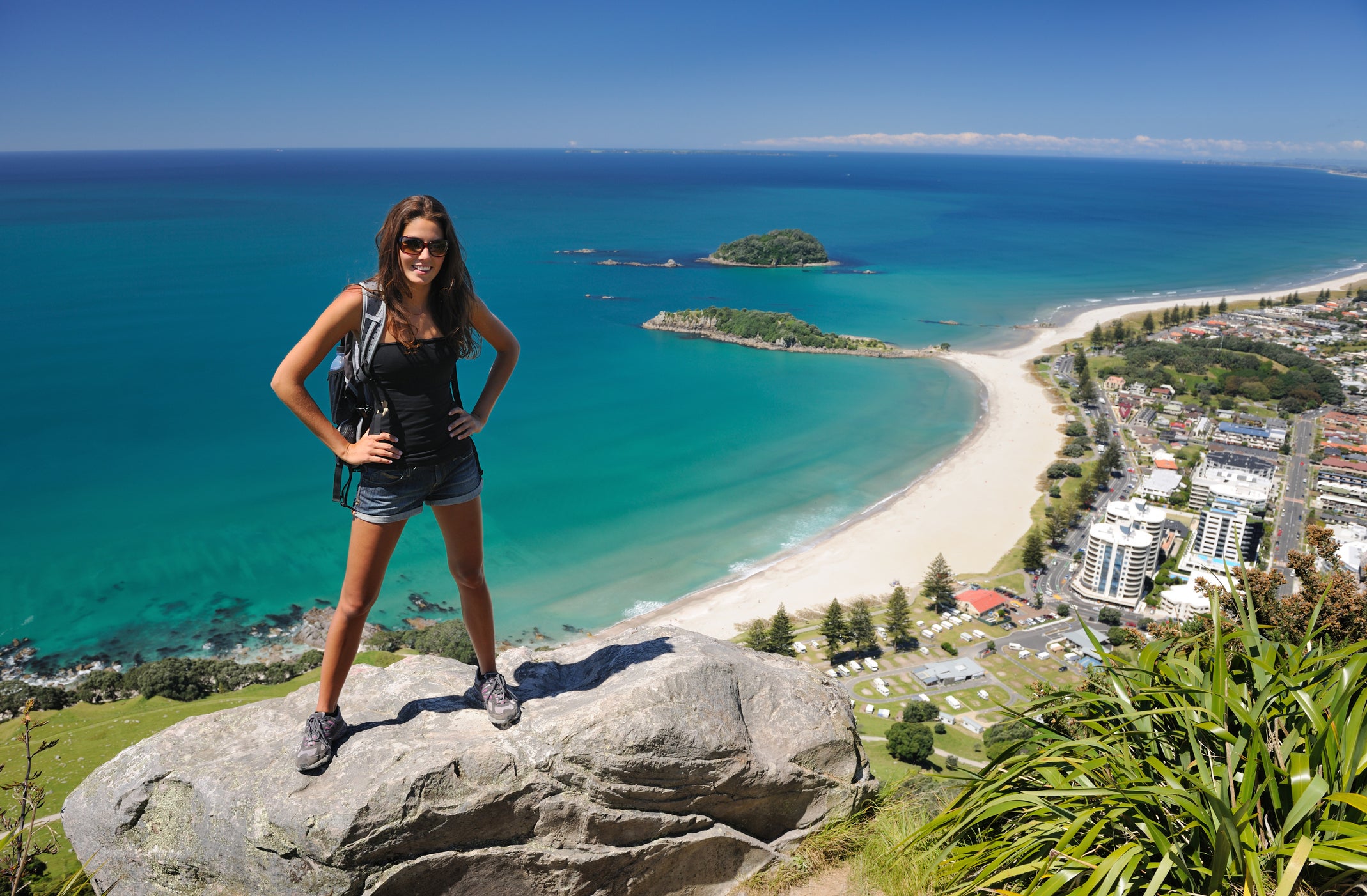
The famous track around Mauao in Mount Maunganui is one of the country’s most iconic scenic walks, and is thought to be visited by nearly one million people every year.
Ownership of the historic reserve was returned to local Māori in 2007 and is jointly managed by the Mauao Trust and Tauranga City Council.
Wettest day on record for landslide-struck region
Thursday was the wettest day on record for the Tauranga region, where a house and holiday campground were struck by landslides.
New Zealand’s meteorological service MetService said the area saw around three months worth of rain after 274mm fell within 24 hours.
It is said to be Tauranga's wettest day since the records began in 1910.
Whitianga, a town on the northeastern coast, also had its wettest day, with 247mm of rainfall.
Mapped: Where powerful landslides hit New Zealand's East Coast
Climate scientists calls on NZ govt to 'decarbonise the economy'
New Zealand climate science professor James Renwick said Thursday’s event was a result of more “flooding fuel” in the atmosphere.
He said: "It seems that these days, every storm brings with it orange or red flood warnings and devastation and misery somewhere in the country.
“Sadly, this is exactly what we expect with a warmer climate that has more moisture in the air.
“To stop such events becoming worse, to stop them overwhelming our abilities to adapt, we must stop adding carbon dioxide and other greenhouse gases to the air.”
Mr Renwick called on the New Zealand government and business leaders to find ways to decarbonise the economy as soon as physically possible.
'No signs of life' as search for those missing in landslide continues
Authorities said there have been no "signs of life" for hours as they continue the search for people missing among the landslide.
It follows reports earlier on Thursday that members of the public heard voices coming from beneath the rubble.
Local media has reported that as many as nine people are unaccounted, with police only confirming the number was in “the single figures”.
Woman trapped in landslide a 'hero', says camper
A woman thought to be trapped under the debris at Mount Maunganui’s campsite has been praised as a “hero” after she warned others of the impending danger.
The camper, who managed to escape despite her campervan being crushed by the landslide, told the NZ Herald: “I just want you to know that one of the women that’s in the shower block, she was a hero.”
She said the woman did all she could to help save lives on Thursday.
“She went around at 5 o’clock this morning and she got us all out of bed and she woke us all up so that we could move out...and she’s not out.”
Is it safe to travel to New Zealand? Latest advice after Mount Maunganui landslides
At least two people have died after landslides struck a popular tourist destination in New Zealand.
The disaster comes after days of inclement weather, which caused extraordinary volumes of rainfall across large parts of the country’s North Island.
One landslide struck a holiday campground that sits at the base of the extinct Mount Maunganui volcano, a sacred place that is culturally important to Māori people.

Is it safe to travel to New Zealand? Latest advice after Mount Maunganui landslides
Join our commenting forum
Join thought-provoking conversations, follow other Independent readers and see their replies
Comments
Bookmark popover
Removed from bookmarks