Inflation has cooled, but would be even further down if not for Trump’s tariffs, report finds
The Supreme Court is currently considering whether to strike down Trump’s use of emergency powers to levy import taxes by fiat
President Donald Trump loves taking credit for reductions in inflation that began months before he took office, but according to a new report he would have had more to crow about had he not spent much of the last year imposing taxes on imports from nearly every American trading partner.
Since taking office last year, Trump has claimed never-before-used emergency powers to slap tariffs on goods imported from nearly every country of the world as part of what he calls his push for “reciprocal” trade, with the goal of inducing foreign companies to build production capacity in the U.S. and spur homegrown manufacturing after decades of de-industrialization.
The effect has been an increase in average tariff rates to around 17 percent, the highest level seen since Congress enacted the infamous Smoot-Hawley tariff at the height of the Great Depression.
Tariffs are taxes that are paid by American importers and passed on to American consumers who are charged higher prices, and most reputable economists agree that their effects are almost always inflationary.
The nonpartisan economics site EconoFact analyzed price levels and found that despite the president’s claims to the contrary, his tariffs have kept inflation plugging along. It estimated that the August 2024 Consumer Price Index inflation rate of 2.9 percent would have been half a point lower, around 2.2 percent, had Trump left well enough along and not imposed tariffs on so many goods.
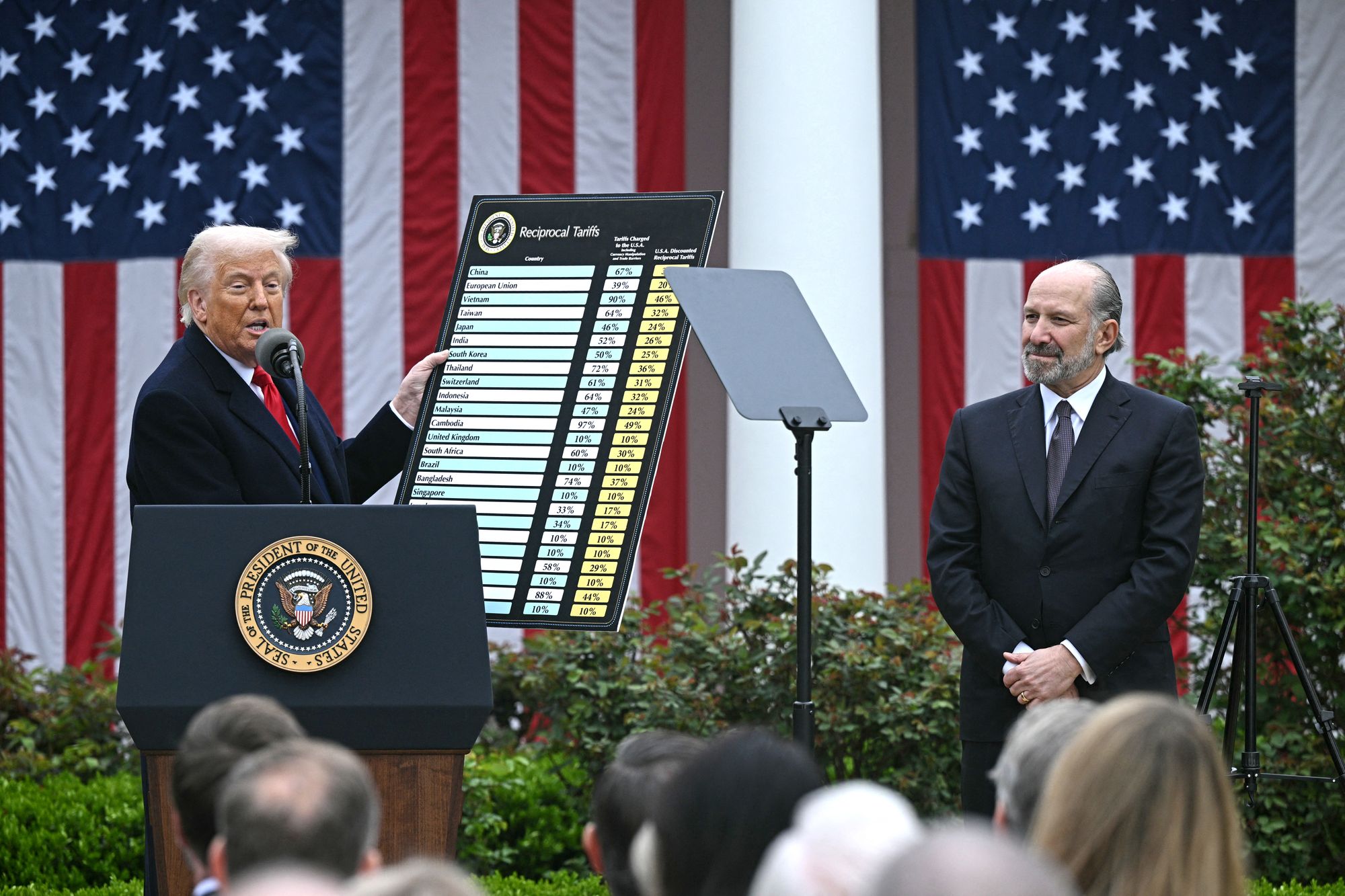
The tariffs’ impact on price levels has been made clear since April, when Trump announced sweeping tariffs on imports from nearly every country in the world on what he called America’s “liberation day.”
According to a New York Times report, retail prices had been falling steadily from peaks reached during the Biden administration due to post-Covid inflation caused by supply chain pressures and the aftereffects of stimulus legislation that had pumped cash into the hands of Americans during the pandemic.
Inflation had been cooling over the last months of Biden’s term in office as well, a trend that continued as Trump returned to the White House last January.
But Trump’s tariffs have blunted the effects of slowing inflation by forcing importers to raise prices for a wide range of goods Americans rely on, including basic needs such as food and clothing.
The president’s use of purported emergency powers to impose the import taxes is currently the subject of a Supreme Court case, and the high court could issue a ruling any day after hearing arguments in November.
A majority of voters — 54 percent — oppose Trump’s tariff policies, according to a New York Times and Sienna University poll taken last month.
Join our commenting forum
Join thought-provoking conversations, follow other Independent readers and see their replies
Comments
Bookmark popover
Removed from bookmarks