Trump tariffs: President rages against weak jobs report and fires Labor official as markets fall on new import taxes
Stocks fell on Wall Street Friday after a significant slowdown in hiring in July with the president claiming, without evidence, that the numbers were ‘RIGGED’
Stocks fell sharply on Wall Street during trading on Friday, with all three main indexes closing down significantly after President Donald Trump unveiled his sweeping new tariff plan, which targets 92 countries with new rates.
Trump signed executive orders to impose tariffs ranging from 15 to 41 percent on goods from dozens of countries on Thursday, hours before his self-imposed August 1 trade deadline. Markets also declined across Europe and Asia.
Exacerbating losses in the U.S. was the release of weak U.S. Labor Department jobs data, which showed that American employers added only 73,000 jobs last month, lower than expected, with data from previous months revised dramatically downward.
Trump raged against the new numbers, baselessly calling them “RIGGED” and fired the Commissioner of Labor Statistics, labeling her a Biden appointee.
The U.S. dollar index rose 0.1 percent on Friday morning as Trump reignited his trade war, but fell 1.09 percent against a basket of currencies in response to the jobs numbers.
Defending the latest economic data, White House economic adviser Stephen Miran admitted the jobs report “isn’t ideal,” but claimed tariff uncertainty was “all resolved now.”
 Trump announces new tariff plan for dozens of countries hours before deadline - but delays them yet again
 Asian shares retreat after Trump's order imposing new tariffs on 68 countries and the EU
 ‘Taco Thursday’: Social media users taunt Trump after he extends Mexico trade deadline
 Trump’s bill comes due: Tariff day is here ... but if TACO’s on the menu, the charade is over
 Economy is getting worse under Trump’s leadership, Americans say in new poll on eve of his tariff D-Day
Our live coverage has ended. Here's a full breakdown:
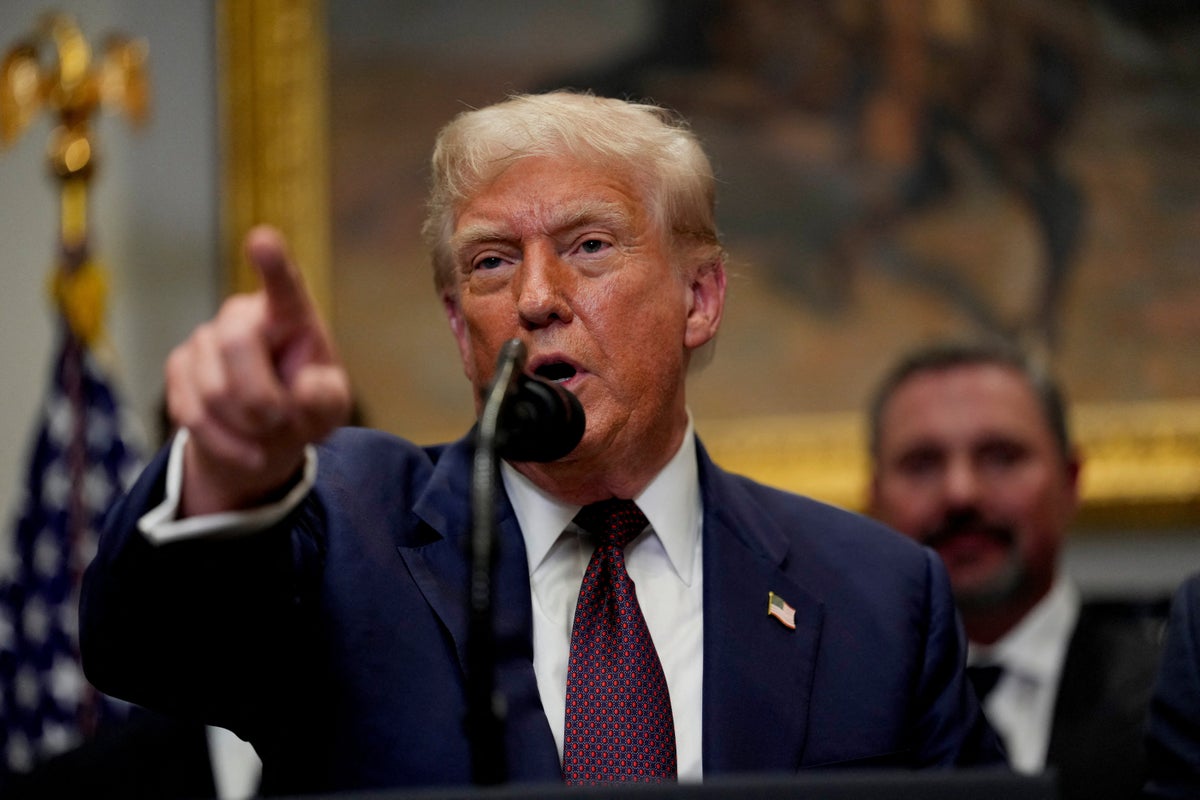
Trump fires Bureau of Labor Statistics chief after poor jobs report
Trump unveils new tariff plan – with further delays
The Trump administration has announced its new trade policy and tariff plan just hours before the August 1 deadline.
On Thursday night, the White House announced a "universal" tariff for goods coming into U.S. will remain at 10 percent. That is the same level set during his "Liberation Day" event in early April when he first announced the tariffs.
But that 10 percent rate will only apply to countries with a trade surplus — in other words, countries to which the U.S. exports more than it imports.
Countries with a trade deficit with the U.S. will be subject to an at least 15 percent tariff under the new policy.
For many of the countries subjected to Trump's “reciprocal” tariffs levied in April, that rate will be lower than what they were previously paying, though it will be higher for a small group of nations.
Greg Graziosi has more from Washington, D.C.:
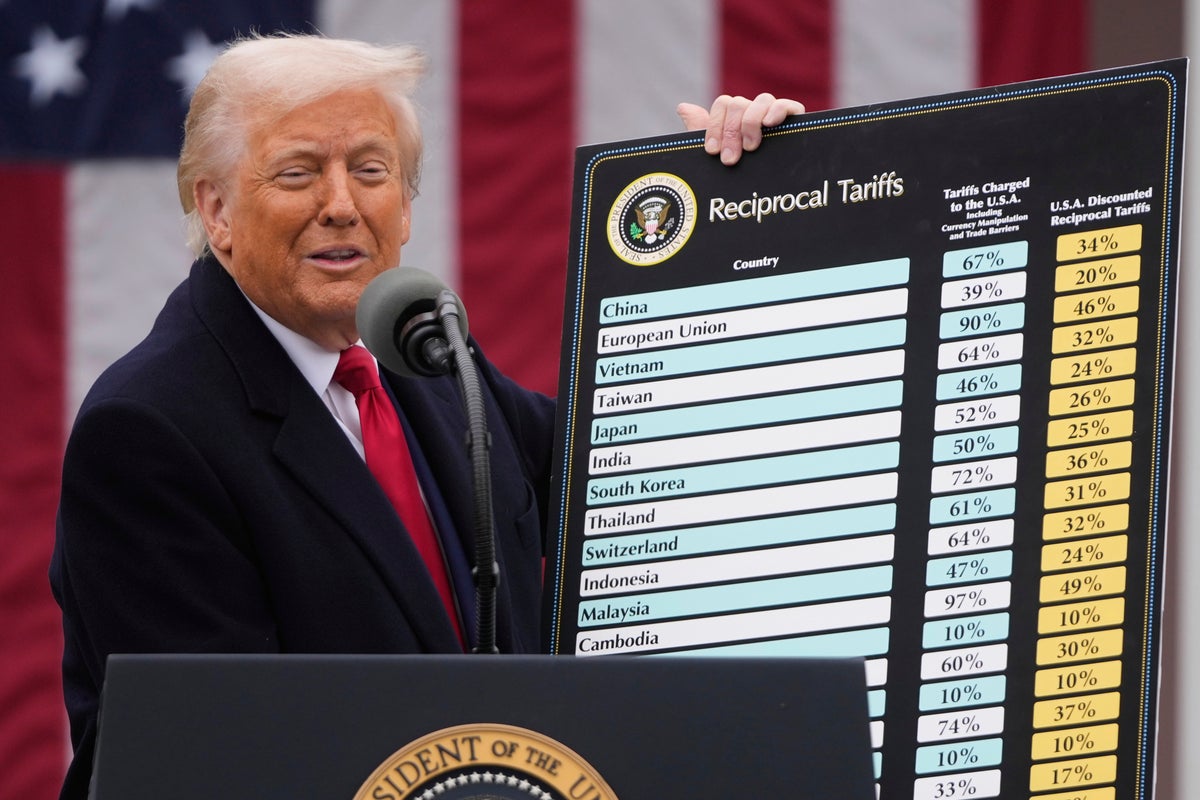
Trump announces new tariff plan hours before deadline - but delays them yet again
‘Taco Thursday’: Trump trolled after extending Mexico trade deadline
Donald Trump’s pausing of higher import taxes on a wide range of Mexican products a day before they were set to start saw the president mocked on social media with the now-familiar “TACO” taunt.
The nickname TACO, short for “Trump Always Chickens Out,” stems from the president’s habit of making tariff threats, resulting in a drop in the markets, only for him to change course and see the markets rebound.
Trump announced the move in a Truth Social post following a phone call with Mexican President Gloria Sheinbaum on Thursday.
The reaction from some of Trump’s most fervent critics was swift, predictable, and Mexican food-themed, invoking the TACO nickname investors have bestowed on the president for his economic flip-flopping.
White House Correspondent Andrew Feinberg has more:
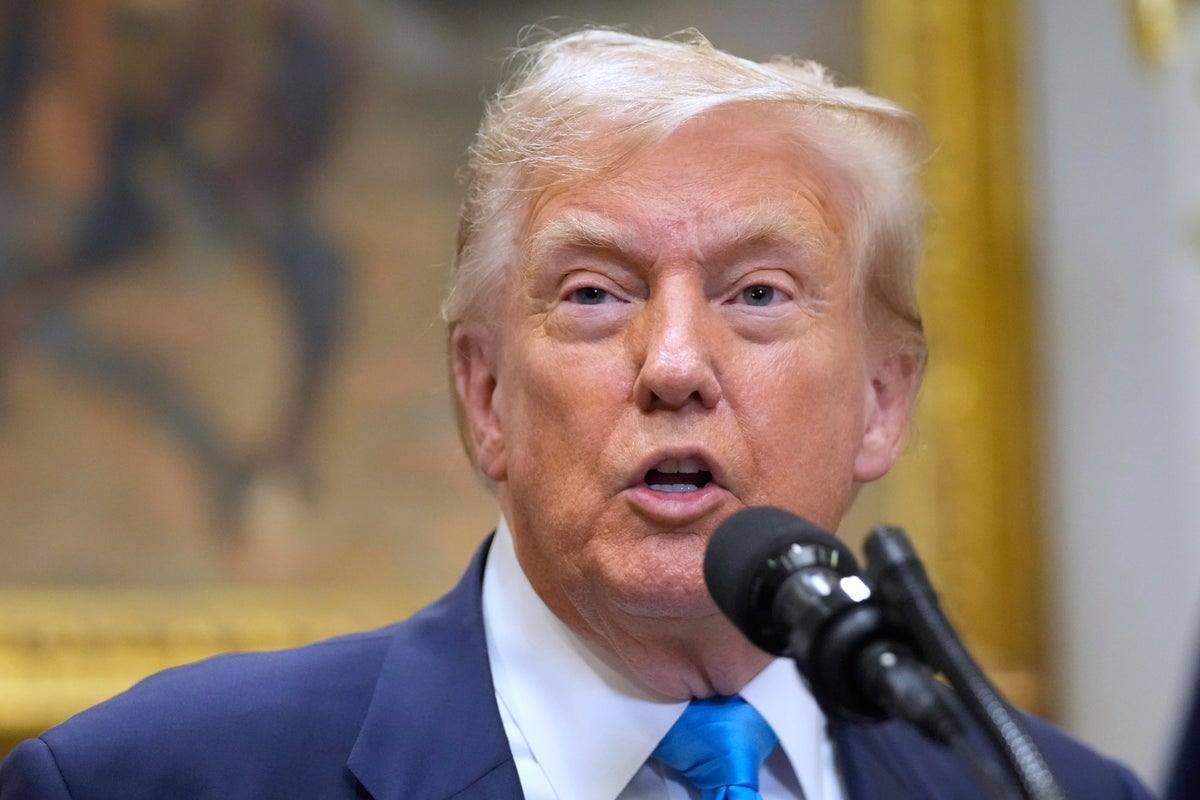
‘Taco Thursday’: Critics taunt Trump after he extends Mexico trade deadline
Statement in full: Mark Carney 'disappointed' at Trump's tariff hike
President Donald Trump signed an executive order raising tariffs on Canada from 25 to 35 percent for goods that are not compliant with the U.S.-Mexico-Canada Agreement, drawing a sharp response from Canadian Prime Minister Mark Carney.
Carney said in a statement Friday morning that he was “disappointed” with Trump’s tariff hike, adding that “Canadians will be our own best customer.”
Read his full statement:

European stock markets slide after Trump tariff announcement
Stocks slid across Europe as trading opened on Friday morning after President Donald Trump reignited his trade war.
The president set a baseline 15 percent tariff on most EU goods imported into the U.S. earlier this week.
London’s FTSE 100 index opened in the red and dropped more than 0.7 percent.
Germany’s DAX index dropped by 1.1 percent at the start of trading in Frankfurt.
France’s CAC fell by almost 1 percent and Spain’s IBEX lost 0.6 percent.
Trump warned Canada trade deal at risk over backing for Palestinian state
Yesterday, Trump warned that Canada’s support for Palestinian statehood would make cutting a trade deal with its northern neighbor “very hard.”
The president blasted Canadian President Mark Carney’s decision to join the U.K. and France in announcing plans to recognize a Palestinian state in September.
Trump punishes Canada with 35% tariff
Donald Trump punished Canada Thursday, raising levies to 35 percent on the U.S.’s northern neighbor.
In a blow to Canada, Trump signed an executive order raising tariffs on Canadian imports from 25 percent to 35 percent for goods deemed non-compliant with the U.S.-Mexico-Canada Agreement.
Trump cited what he called Canada’s failure to curb fentanyl smuggling across the border.
The higher levy on Canada, one of the top U.S. trading partnerstook effect at 12.01 a.m. Friday ET. It threatens to derail an already heavily strained relationship.
Switzerland's 'great regret' after being slapped with 39% tariff
The Swiss government said it “notes with great regret” that the White House announced a 39 percent tariff on Switzerland’s imports to the U.S.
“The Federal Council notes with great regret that, despite the progress made in bilateral talks and Switzerland's very constructive stance from the outset, the US intends to impose unilateral additional tariffs on imports from Switzerland,” The Swiss Federal Council tweeted on Friday morning.
S&P 500, Nasdaq and Dow expect to fall this morning
Futures indicate the S&P 500 — the broad U.S. stock index — is set to fall about 0.83 percent, at the time of writing this post.
Futures for the tech-heavy Nasdaq index are down 0.91 percent.
Dow Jones Industrial Average futures — which track 30 major U.S. companies — are down 0.80 percent.
Join our commenting forum
Join thought-provoking conversations, follow other Independent readers and see their replies
Comments
Bookmark popover
Removed from bookmarks