How bad are Trump’s aid cuts now Congress is fighting back?
The US president has signed into law a new $50 billion health aid package after pushback from legislators. But will it make the difference it should in the long term? Rachel Hagan investigates
When Donald Trump signed a $51.4 billon (£37.8bn) foreign aid package earlier this month, including nearly $6bn for the global HIV response, the announcement was framed as a restoration of the key programmes that the US president had slashed when he came back into office at the start of 2025. Congress had rejected proposed cuts and compelled the White House to release funding for programmes that underpin treatment for millions of people.
The Joint UN Programme on HIV/AIDS (UNAIDS) has spoken of the “real bright lights we are starting to see” given the change. The figures looked familiar, with around $9.4bn for global health overall, covering HIV treatment and prevention; tuberculosis and malaria programmes; maternal and child health services and vaccine support – alongside humanitarian assistance.
Any increase in funding for such health projects is a good thing, but it is not a full restoration. Analysis from the Kaiser Family Foundation (KFF) shows that the global health budget now pledged by the US for the financial year 2026 is around 6 per cent lower than the previous year, with some HIV and multilateral funding reduced and other programmes simply held flat. Congress prevented a far steeper cut, yet the system that existed before has not been completely replenished.
For more than two decades, US global health aid followed a predictable model in which Congress annually appropriated funds, large international partners handled procurement and delivery, and multi-year planning tied budgets to targets such as patients treated, infections prevented and clinics expanded. That architecture fractured when the Trump administration froze global health funding and terminated many awards. Programmes stalled not because Congress removed money but because the channels that turned money into services disappeared.
Across parts of Africa and Asia, clinics and aid groups now describe something closer to suspension. Clinics are keeping existing HIV patients alive, yet the outreach that brings new people into care is fading because organisations cannot plan for future outreach. “We don’t yet know what the final interventions are going to be, says Catherine Connor, of the Elizabeth Glaser Pediatric AIDS Foundation. "We’re waiting to understand how this will manifest on the ground.”
Much depends on the way the Trump administration moves forward.
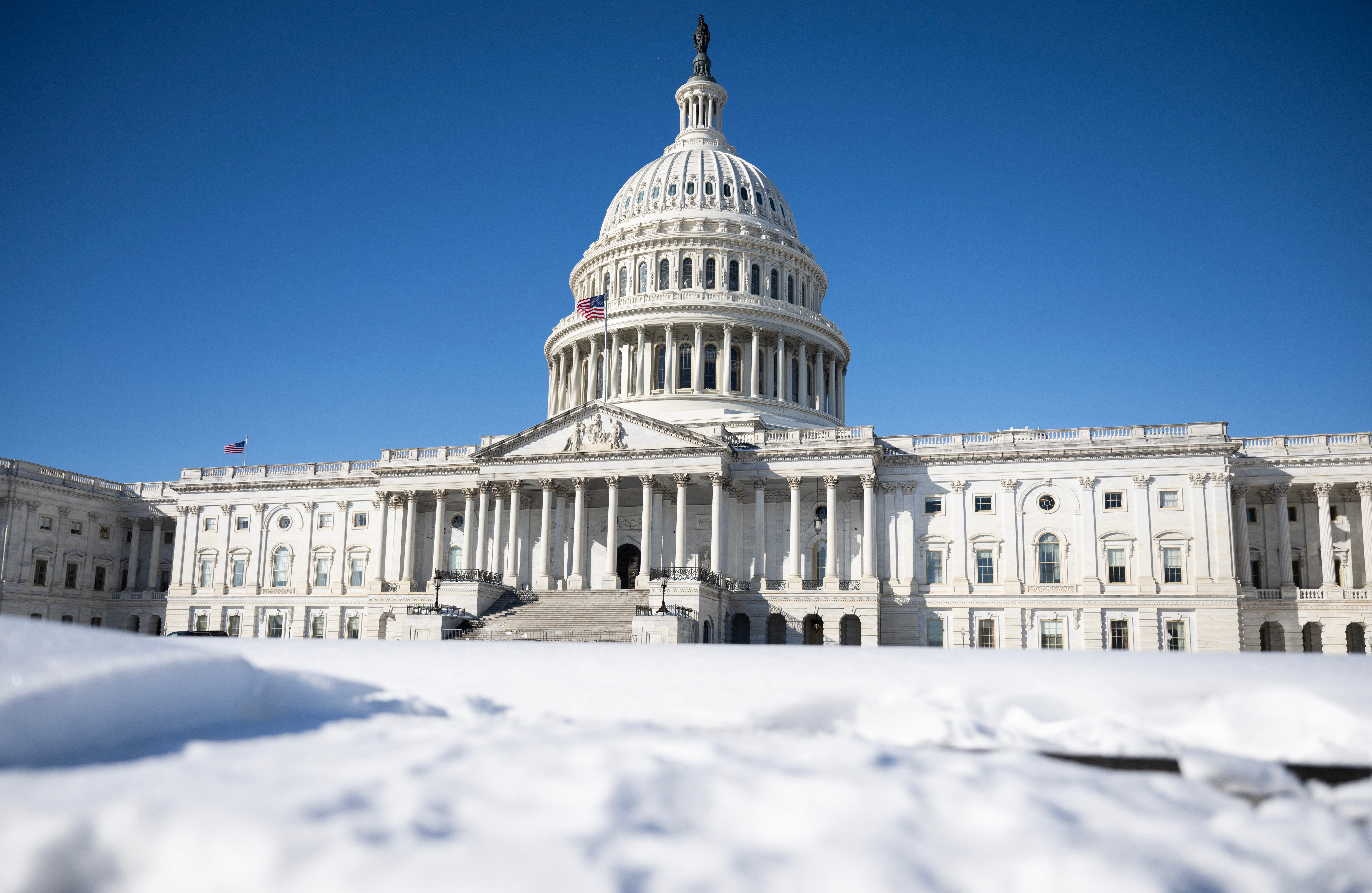
“The [previously-provided] funding provided by Congress was still there. It just wasn’t being obligated or disbursed,” Adam Wexler, associate director of Global and Public Health Policy at KFF, says.
Stephen Morrison of the Centre for Strategic and International Studies (CSIS) think tank, tells The Independent that the shift reflects a deeper divide in Washington: “The sentiment inside the [Trump] administration is that there’s too much money flowing into these [aid] accounts. They want to scale things down. What looks like restoration in Congress is different from the vision emerging within the administration.”
The February spending bill signed by Trump recently has forced funds to move again, close to previous levels but a different system. Much of the old contracting infrastructure has gone and the administration is negotiating directly with governments rather than through NGOs and implementing partners.
Morrison adds that inside the White House, the emphasis is on transition. The administration’s “America First” approach relies on bilateral deals directly between the US and other countries, rather than funding being distributed by bodies such as the UN. Morrison says there is now a gap between what lawmakers fund and what the administration ultimately intends programmes to become.
Morrison also points towards the withdrawal from the World Health Organisation and the US exploring alternative alliances tied more closely to national security priorities. The aim is not “total disengagement from Africa”, he says, but less focus on HIV and more on security and geopolitical competition elsewhere. The policy is not a collapse of aid but a pivot, smaller and more conditional, and, he says, it has already damaged confidence in US reliability.
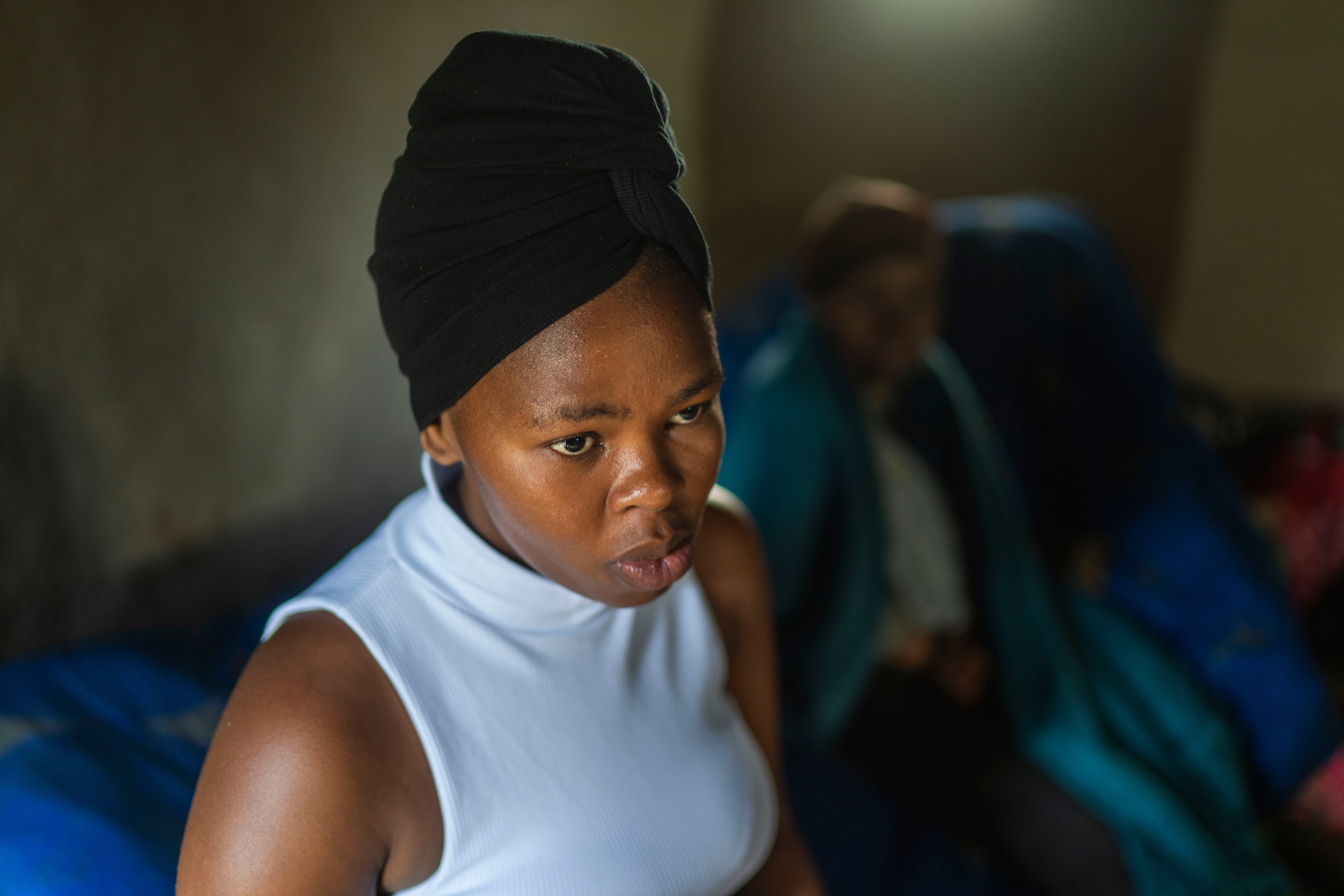
Connor, of the Elizabeth Glaser Pediatric AIDS Foundation, says programmes are now caught between two systems. She describes a moment of “risk and reward” in which the US is “rolling the dice” on a new model. Congress still wants to fight death and disease globally, but decisions are now worked out directly between Washington and governments rather than the wider network of partners that once ran programmes, she explains.
For years funding came with clear targets such as expanding treatment, preventing mother-to-child transmission and finding undiagnosed cases. Now programmes do not know whether they are meant to grow or simply hold the line.
Sarah Shaw, MSI Reproductive Choices’ associate director of advocacy, tells The Independent the funding that is returning “hasn’t made everything alright.” She said organisations are seeing lower amounts negotiated through new government agreements with “incredible conditionality”.
“[The extra US funding] haven’t made everything alright for several reasons. The amount of funding that has come back – at least from what we are seeing through agreements with African governments – appears to be lower than previous levels," she says.
"[These Africa deals] are also coming with incredible conditionality with very stringent co-financing requirements and a much narrower focus," she adds. "Some agreements don’t include maternal health at all, and where they do it is framed very narrowly around women being safe in delivery, rather than addressing whether women want to be pregnant in the first place - where is the contraception?”
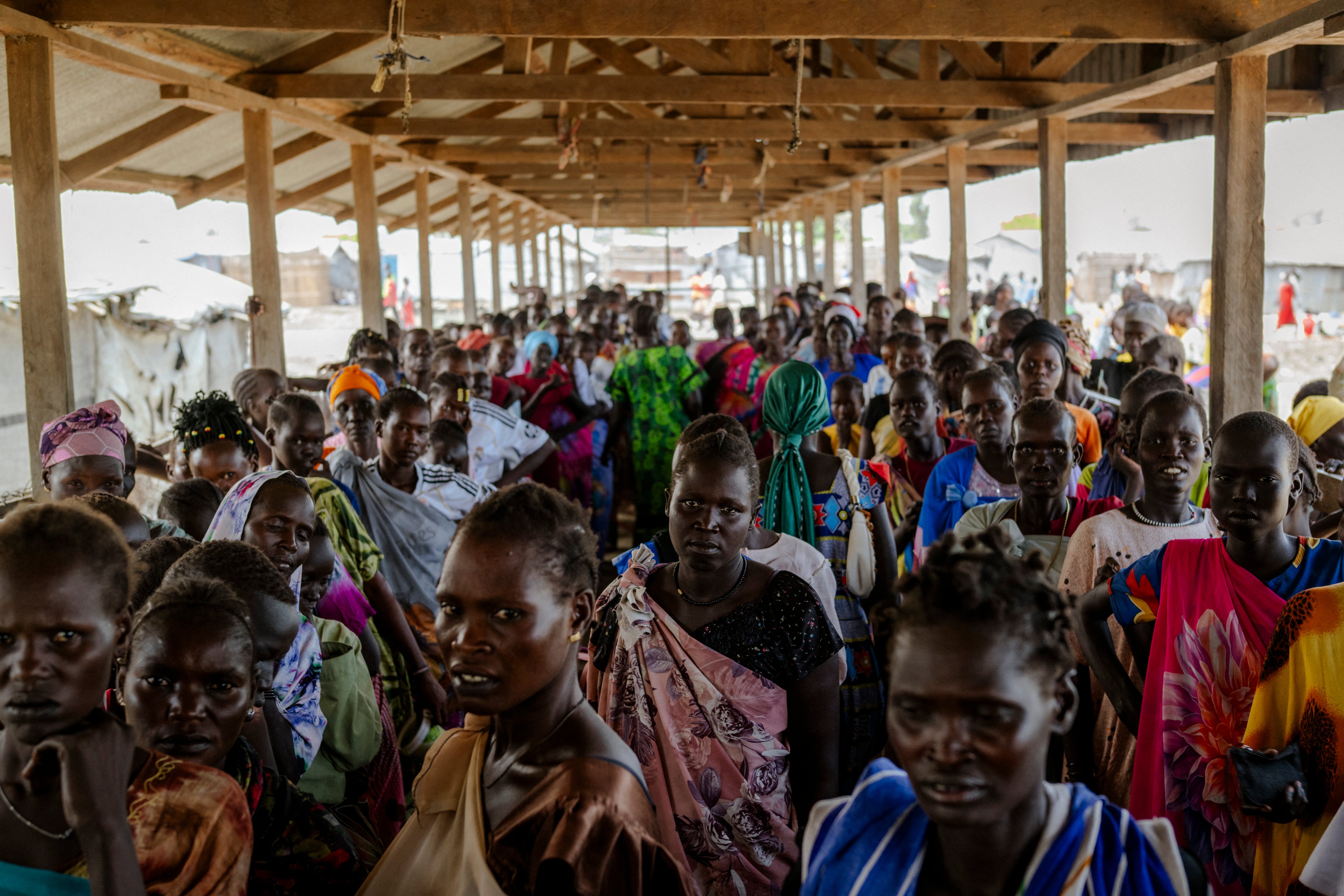
Because US aid pays for large parts of national health systems, the impact does not stay confined to abortion care. Shaw says in much of East Africa people don’t access HIV prevention, condoms and contraception in neat silos, but instead: “The same community health worker will provide all of those. If they can’t offer one of those services under the funding rules, they may stop working with the programme altogether.”
The systems rely on the same staff and supply chains, so restrictions in one area ripple across the system. That means programmes may keep treatment running but lose the ability to prevent infections.
Shaw also warns the funding may come with expanded abortion restrictions often called the global gag rule, which bars organisations receiving US support from providing or even discussing abortion services elsewhere in their work. She continues: “Political alignment is going to be a factor. Those countries that agree with the administration are more likely to accept the conditions than those who aren’t.”
In practice, she says, clinics may narrow what they offer or withdraw entirely, leaving gaps across HIV prevention and maternal care.
On the ground the delay is visible and Mesfin Teklu Tessema of the International Rescue Committee (IRC) says around 60 per cent of IRC health facilities supported with US funds have lost critical support during the disruption, affecting more than 6.3 million people.
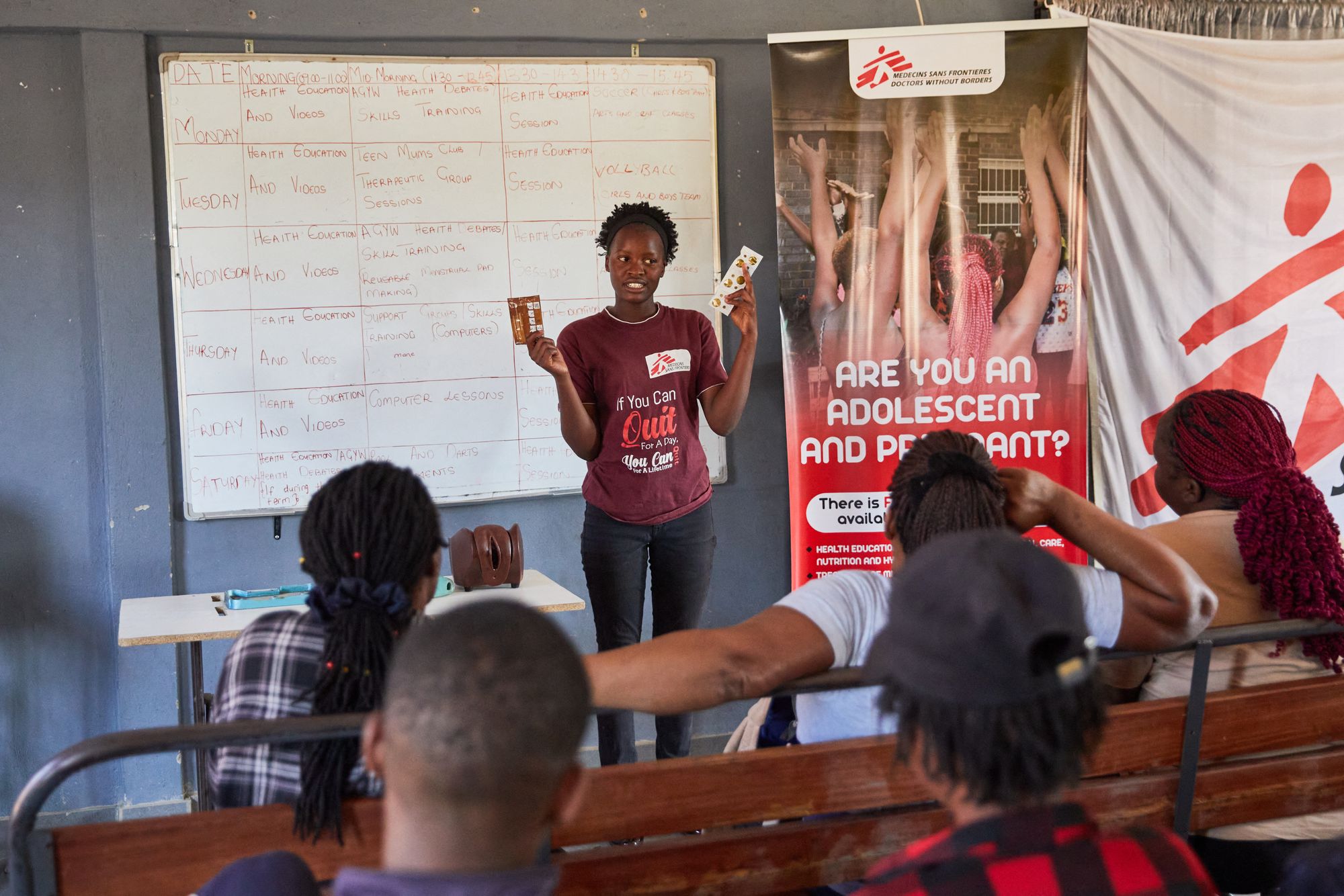
“We are using our private funds to sustain some HIV and AIDS work, but we are not pretending everything is okay. Around two million people have already lost services, including HIV patients. In Uganda we have heard accounts of clients sharing medication because supplies are insufficient,” he says.
Morrison says the uncertainty is not temporary and instead reflects a serious policy change whose effects on supply chains, staffing and coverage will take time to reveal. It is not necessarily a catastrophe, he says, “but it must be taken seriously.”
Trump has not simply removed global health funding, nor has he restored it. He has jolted the system, paused the flow and restarted it under new rules that prioritise national responsibility over long-term American guarantees.
For the next few months at least, programmes remain in a waiting period. Clinics operate and patients receive treatment, but no one yet knows whether the restored funding means expansion or managed retreat.
If the administration's "gamble pays off”, Connor says, they will get credit for “country-led transitions”, but if not “we will see a significant increase in preventable deaths.”
She adds: “The number of people living with HIV doesn’t change because funding changes. Someone still has to provide treatment.”
This article has been produced as part of The Independent’s Rethinking Global Aid project
Join our commenting forum
Join thought-provoking conversations, follow other Independent readers and see their replies
Comments
Bookmark popover
Removed from bookmarks