Trump’s Black History Month proclamation dismisses Black history
Since returning to office, Trump has sought to downplay the US’s history of slavery to reframe a more positive narrative of the country
President Donald Trump issued a proclamation recognizing February as Black History Month by acknowledging prominent Black Americans’ contributions to U.S. history – but notably missing was mention of Black Americans’ own complicated history.
In the Tuesday proclamation, Trump began by first celebrating the U.S.’s upcoming 250th birthday and declaring that “‘black history’ is not distinct from American history.”
“This month, however, we do not celebrate our differences. Instead, we celebrate the contributions of black Americans to our national greatness and their enduring commitment to the American principles of liberty, justice, and equality — the principles that wrested the Western Hemisphere from monarchies and empires, ended slavery, saved Europe, put a man on the moon, and built the freest, most just, and most prosperous society ever known to mankind,” Trump wrote.
The message made no mention of Black Americans’ fight to secure freedom from slavery, the country’s enduring racial inequality, or the long history of discrimination in the U.S., similar to the president’s proclamation last year.
This year’s proclamation was posted on the White House’s website but not emailed, as most presidential proclamations are. It was also made on February 3, whereas previous years have been made on January 31 or February 1. It’s unclear why.
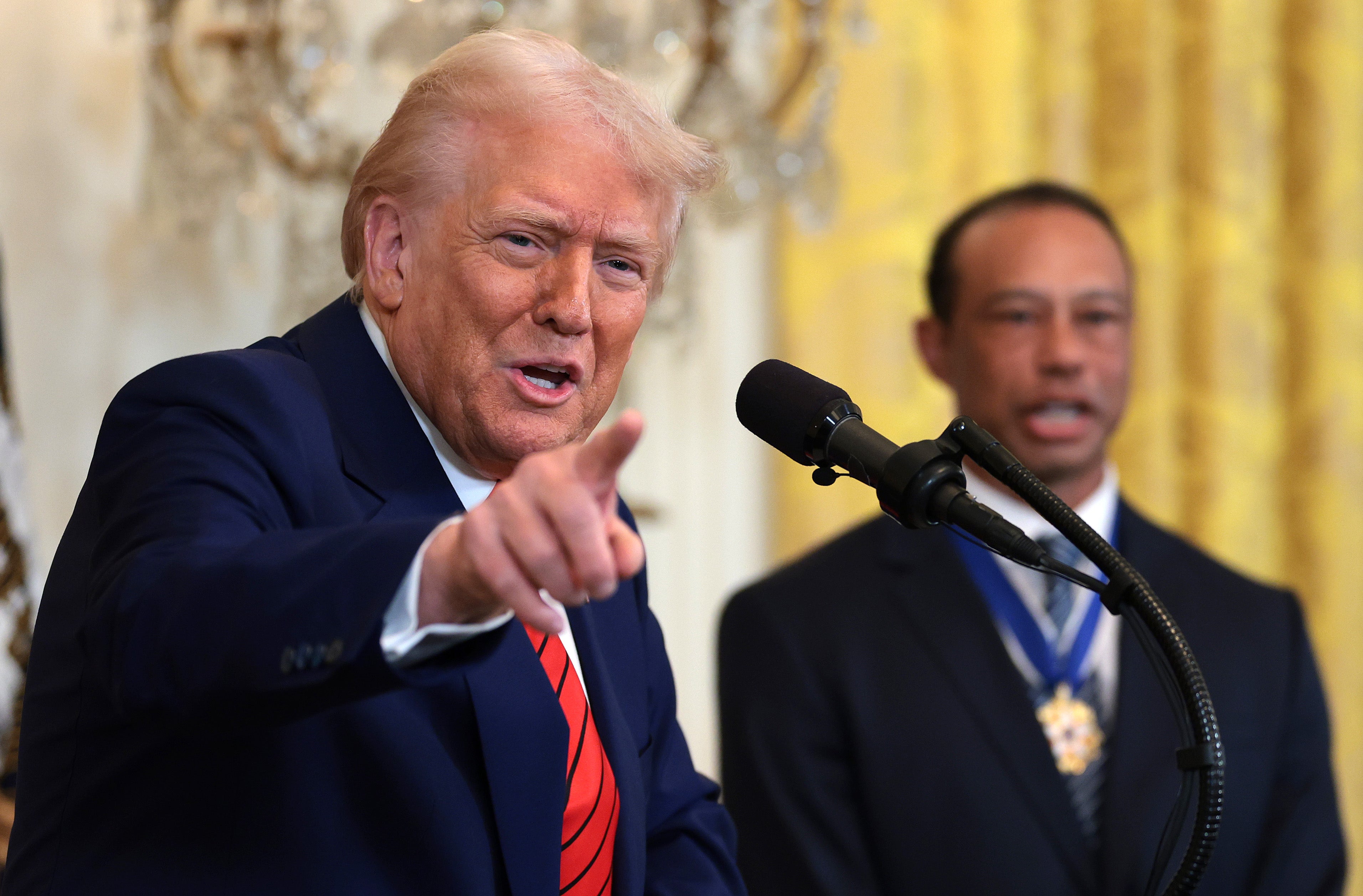
Since returning to the White House, Trump has led an effort to rid the country’s institutions of diversity, equity and inclusion programs and reframe U.S. history in a more positive light by deemphasizing slavery.
Last year, Trump signed an executive order directing his administration to conduct a review of national monuments, historical cites and museums that cast the U.S. “founding principles and historical milestones in a negative light.”
As a result, dozens of exhibits displaying the brutality of slavery, detailing the history of racial inequality and pointing to contradictions from leaders have been removed from galleries, museums and more.
In August, the president railed against the Smithsonian Institution for focusing on “how bad slavery was” instead of the “brightness” or “future” of America. The Trump administration conducted a review of the museum and demanded that it comply with its request for it to remove “narratives that portray American and Western values as inherently harmful and oppressive” or risk losing funding.
Last month, a judge ordered the administration to preserve historical artifacts about slavery that the National Park Service removed from the President’s House in Philadelphia because they did not align with the president’s agenda.
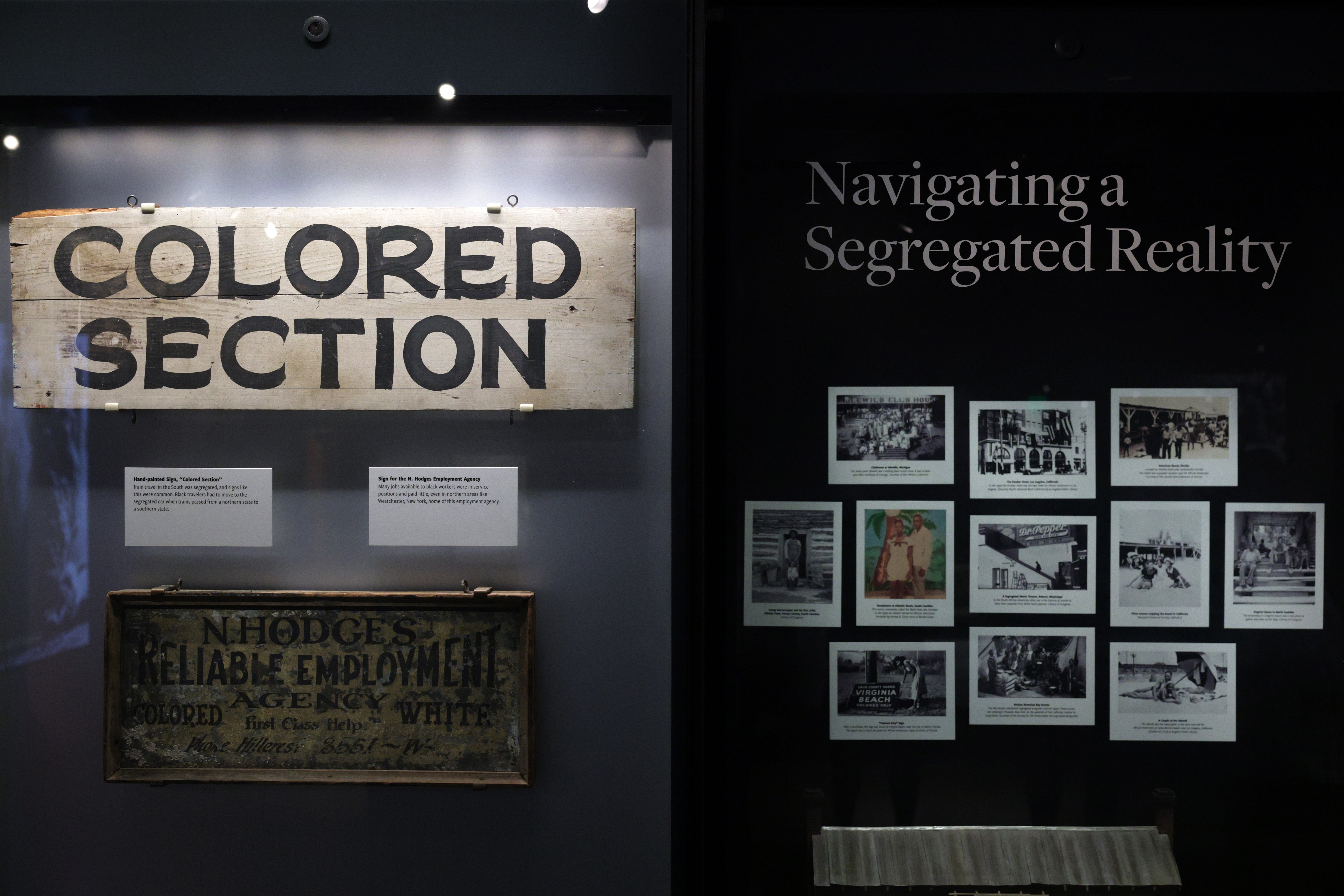
The Department of the Interior has defended its review, saying it’s following the president’s executive order “Restoring Truth and Sanity to American History.”
The National Park Service told media outlets last year, "Interpretive materials that disproportionately emphasize negative aspects of U.S. history or historical figures, without acknowledging broader context or national progress, can unintentionally distort understanding rather than enrich it.”
The president’s 2026 Black History Month proclamation highlighted the contributions of Frederick Douglas, Harriet Tubman, Lemuel Haynes and Phillis Wheatley. It also recognized Prince Estabook as the “first black man to shed his blood for our emerging Nation at the Battle of Lexington more than 250 years ago.”
Estabrook was an enslaved Black man who fought in the American Revolutionary War. He was fatally wounded during the Battles of Lexington and Concord and died in April 1775. Some historians cite Crispus Attucks as the first Black man to die for the American Revolution. Attucks, who was mixed race, was shot by British soldiers during the Boston Massacre in March 1770.
However, a White House official said the president’s proclamation was intended to highlight the valiant service of Black Americans in the Armed Forces as it looks forward to celebrating America’s 250th anniversary of independence.
Join our commenting forum
Join thought-provoking conversations, follow other Independent readers and see their replies
Comments
Bookmark popover
Removed from bookmarks