Marco Rubio personally signed off on arrests of pro-Palestine students, documents show
Internal government memos show how Trump administration officials ‘conspired’ against students, judge says
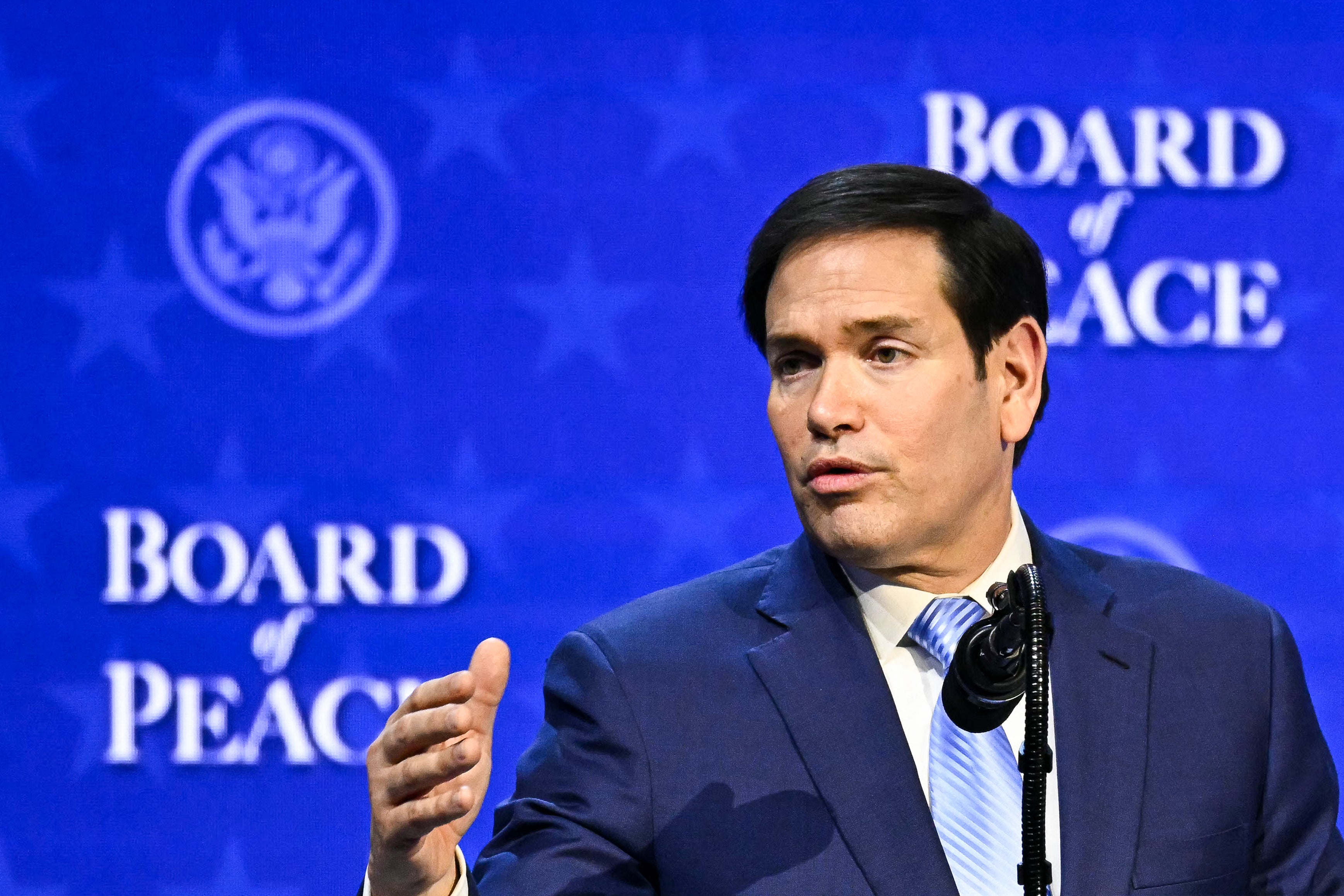
Secretary of State Marco Rubio personally approved the arrest and removal of five international student activists for their Palestinian advocacy and writings against the war in Gaza, according to government documents unsealed by a federal judge.
The release of the documents follows a months-long legal battle which has accused the Trump administration of an unconstitutional and retaliatory campaign against campus activists.
Last week, District Judge William Young, a Reagan-era appointee, found that Trump officials including Rubio and Homeland Security Secretary Kristi Noem engaged in an “unconstitutional conspiracy” and “failed in their duties to protect the Constitution” by violating the First Amendment rights of students and faculty with threats to strip them of visas and arrest and deport them.
Dozens of internal government documents unsealed Thursday reveal how Rubio directed officials to deport several high-profile activist figures, including Columbia University’s Mahmoud Khalil, before their arrests and detentions last year.
One senior diplomat repeatedly cautioned Rubio against targeting those students and stressed that stripping their visas and green cards over “actions inextricably tied to speech protected under the First Amendment” would likely face an avalanche of lawsuits, the documents show.
A memo related to Palestinian Columbia student Mohsen Madhawi, a green card holder who was arrested at a citizenship interview in April, stated: “Given the potential that a court may consider his actions inextricably tied to speech protected under the First Amendment, it is likely that courts will scrutinize the basis for this determination.”
The unsealed government documents include dossiers prepared by activists like pro-Israel group Canary Mission that largely relied on news clips about pro-Palestine campus demonstrations. The group describes its work as collecting information about people who “promote hatred of the USA, Israel and Jews.”
Trump officials also repeatedly acknowledged that there was virtually no basis to deport the students other than invoking a rarely used Red Scare-era law that allows the Secretary of State to deem noncitizens deportable over perceived threats to U.S. foreign policy.
Rubio and other officials alleged that demonstrators against Israel’s war in Gaza were promoting antisemitism and providing material support for terrorist groups. The targeted students, their attorneys and advocates have roundly rejected those accusations.
In public statements, Rubio sought to justify the students’ arrests by claiming their presence in the U.S. undermines foreign policy interests to prevent antisemitism. He has said he “proudly” revoked hundreds of student visas over campus activism.
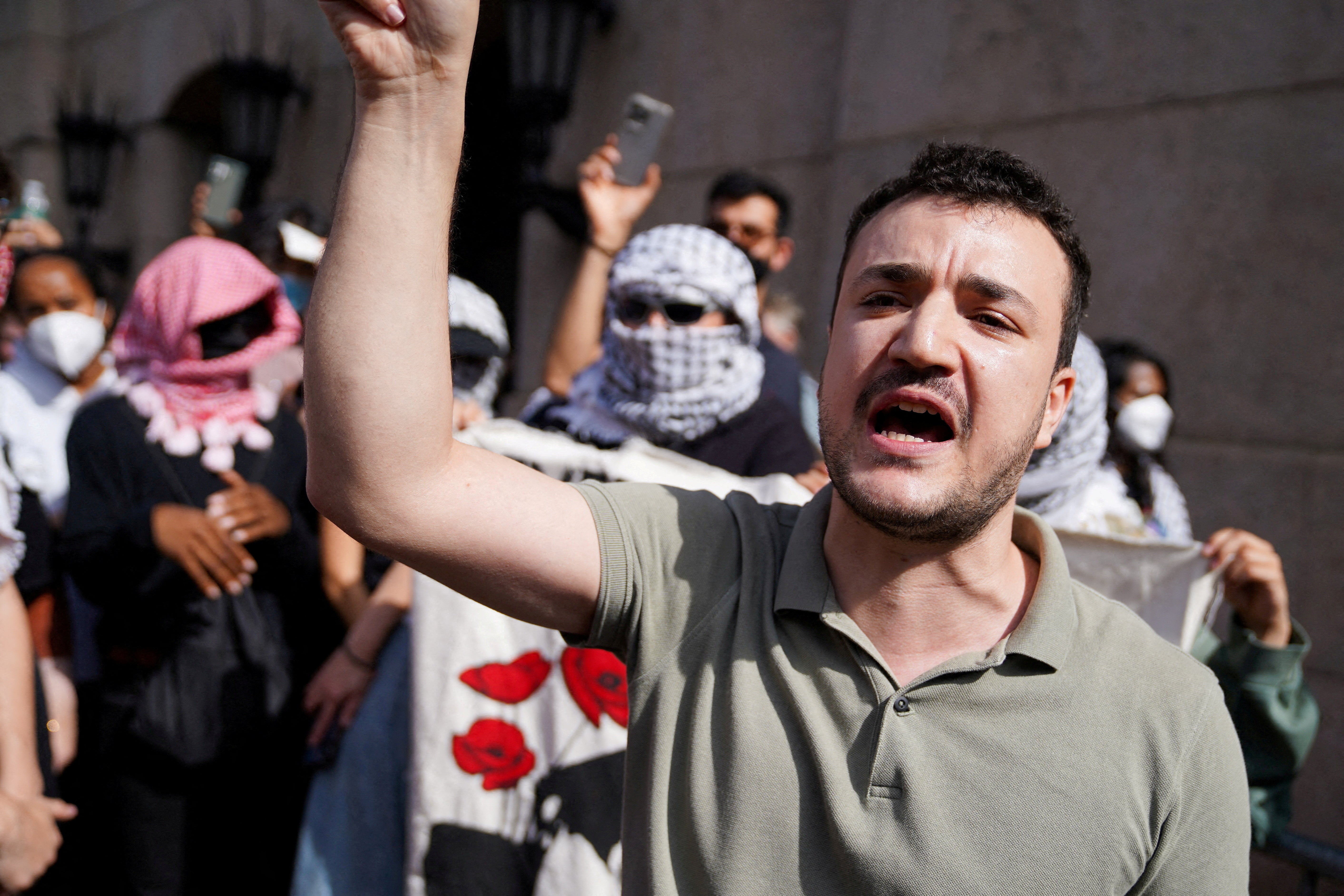
Documents show that even Homeland Security officials acknowledged that they had not identified “any alternative grounds” to deport the students, “including the ground of removability for aliens who have provided material support for a foreign terrorist organization or terrorist activity.”
In a statement to The Independent on Judge Young’s order, a State Department official said the Trump administration “is using every tool available to get terrorist-supporting aliens out of our country.”
“A visa is a privilege, not a right,” the official said. “We abide by all applicable laws to ensure the United States does not harbor aliens who pose a threat to our national security.”
Four students at the center of the case — Khalil, Mahdawi, Tufts University PhD student Rumeysa Ozturk, and Georgetown scholar Badar Khan Suri — were all granted release from Immigration and Customs Enforcement by federal judges last year.
Another, Columbia student Yunseo Chung, had obtained a restraining order before ICE could arrest her.
The five students remain free from ICE custody. But the Trump administration is still trying to re-arrest and deport them.
Earlier this week, administration officials threatened to deport Khalil to Algeria after a federal appeals court reversed a lower-court decision that released him from ICE custody.
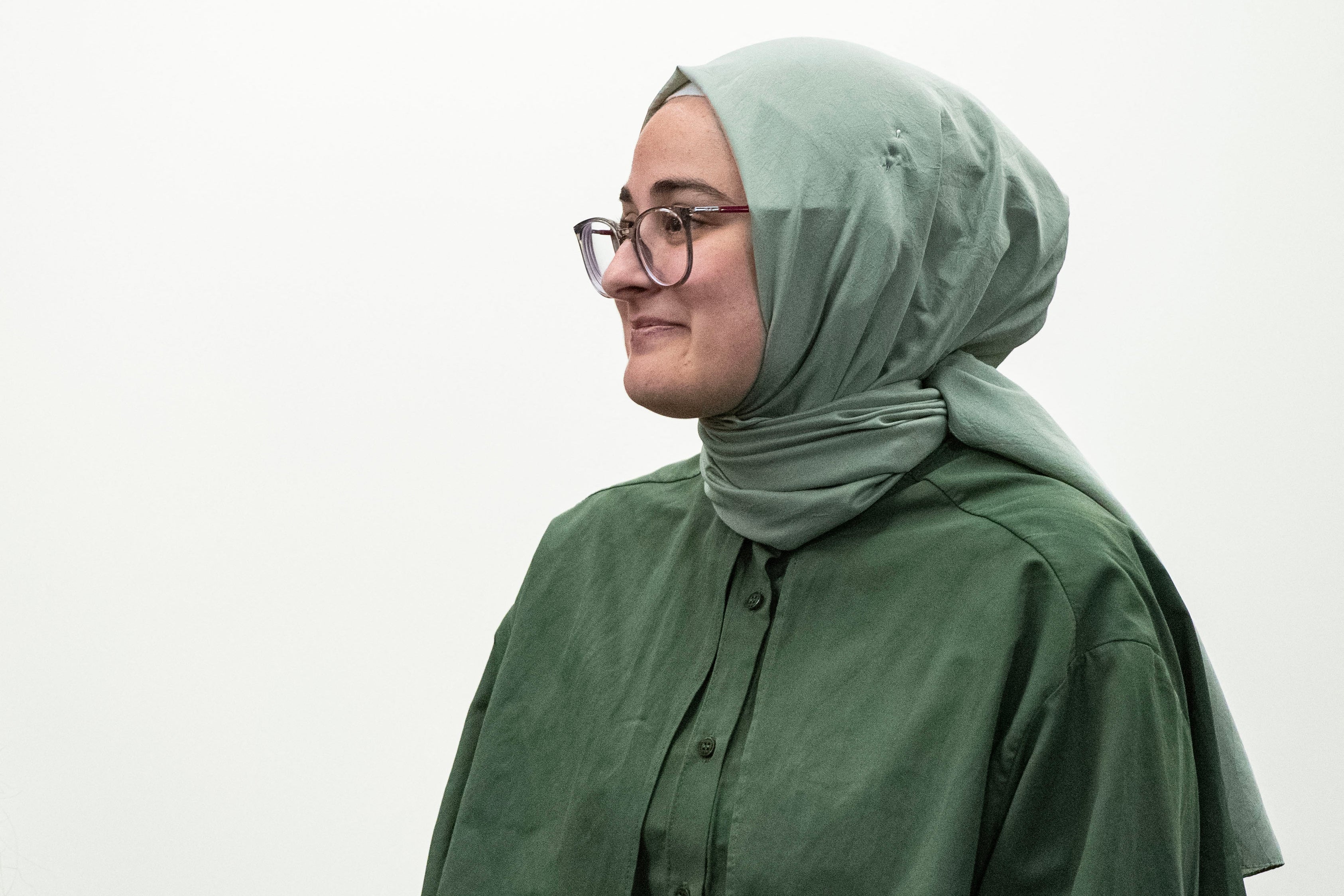
While administration officials publicly accused Ozturk of engaging in activities “in support of Hamas,” an internal State Department memo said there was no such evidence that she “engaged in any antisemitic activity” or made “any public statements indicating support for a terrorist organization or antisemitism generally.”
The Turkish scholar, who had written an op-ed for a campus newspaper critical of Israel’s war, was arrested by masked agents off the street near her Massachusetts home last March and held in a detention center in Louisiana for more than six weeks.
“I find it breathtaking that I have been compelled in the evidence to find the conduct of such high-level officers of our government, cabinet secretaries, conspiring to infringe the First Amendment rights,” Judge Young said in closing remarks from the bench last week.
“I’ve never had a case that approached that level of consequence,” he said. “But I’ve asked myself, why? How did this happen? How could our own government, the highest officials in our government, seek to so infringe the rights of people lawfully here in the United States?”
He said he was convinced by evidence in the case that high-ranking government officials, including the president, have “a view of freedom by who’s excluded” as though “they fear First Amendment protections” and “exclude from participation everyone who does not agree with them.”
In Thursday’s ruling, the judge ordered that any further attempts to deport members of the groups that sued would likely be considered unlawful retaliation.
Join our commenting forum
Join thought-provoking conversations, follow other Independent readers and see their replies
Comments
Bookmark popover
Removed from bookmarks