Trump team accused of lowering the value of a human life from millions to ‘zero’ dollars: report
For decades, the Environmental Protection Agency has calculated the health benefit costs associated with reducing air pollution by setting limits on two of the most widespread deadly air pollutants. That is no longer the case
The Trump administration has been accused of placing “zero value on human life” after the Environmental Protection Agency stopped calculating how much money is saved in health care costs avoided and deaths prevented from air pollution regulations.
For decades, under both Republican and Democratic administrations, the agency has calculated the health benefit costs associated with reducing air pollution by setting limits on fine particles and ozone only — two of the most widespread deadly air pollutants.
The NYT reported that for about the past 30 years, the EPA has valued a statistical life at around $11.7 million, adjusting it for inflation over the years.
But now it will only calculate the costs companies have to pay when complying with air pollution regulations, a move which critics and campaigners called “repulsive.”
That leaves the value of a human life, as calculated by the Trump EPA, at effectively zero dollars, critics charge.

“The Trump administration is saying, literally, that they put zero value on human life,” Stanford University environmental economist Marshall Burke told The New York Times. “If your kid breathes in air pollution from a power plant or industrial source, EPA is saying that they care only insofar as cleaning up that pollution would cost the emitter.”
The move comes amid the Trump administration’s rollback of multiple policies intended to protect human health and slow climate change.
“If you needed a clearer example of who the Trump administration serves, his EPA plans to calculate only the cost to industry when setting pollution limits – not the value of saving American lives,” Connecticut Democratic Rep. Rosa DeLauro said.
“The EPA has stopped using the number of lives saved as a benchmark for air pollution rules. Their new plan? Calculate the cost to INDUSTRY when setting pollution limits,” non-profit Public Citizen said in a statement. “Trump's EPA cares more about profits than human lives. This is repulsive.”
In analysis published last week, the agency said it was “no longer monetizing benefits” because of too much uncertainty in the cost estimates.
After backlash, the agency said it was “not putting a dollar value” on the health impacts of air pollution right now but “that does not mean EPA is ignoring or undervaluing them.”
“Saying we aren’t attaching a dollar figure to health effects is like saying we aren’t putting a price tag on clean air or safe drinking water,” EPA spokesperson Brigit Hirsch told the Times. “Dollars and cents don’t define their worth.”
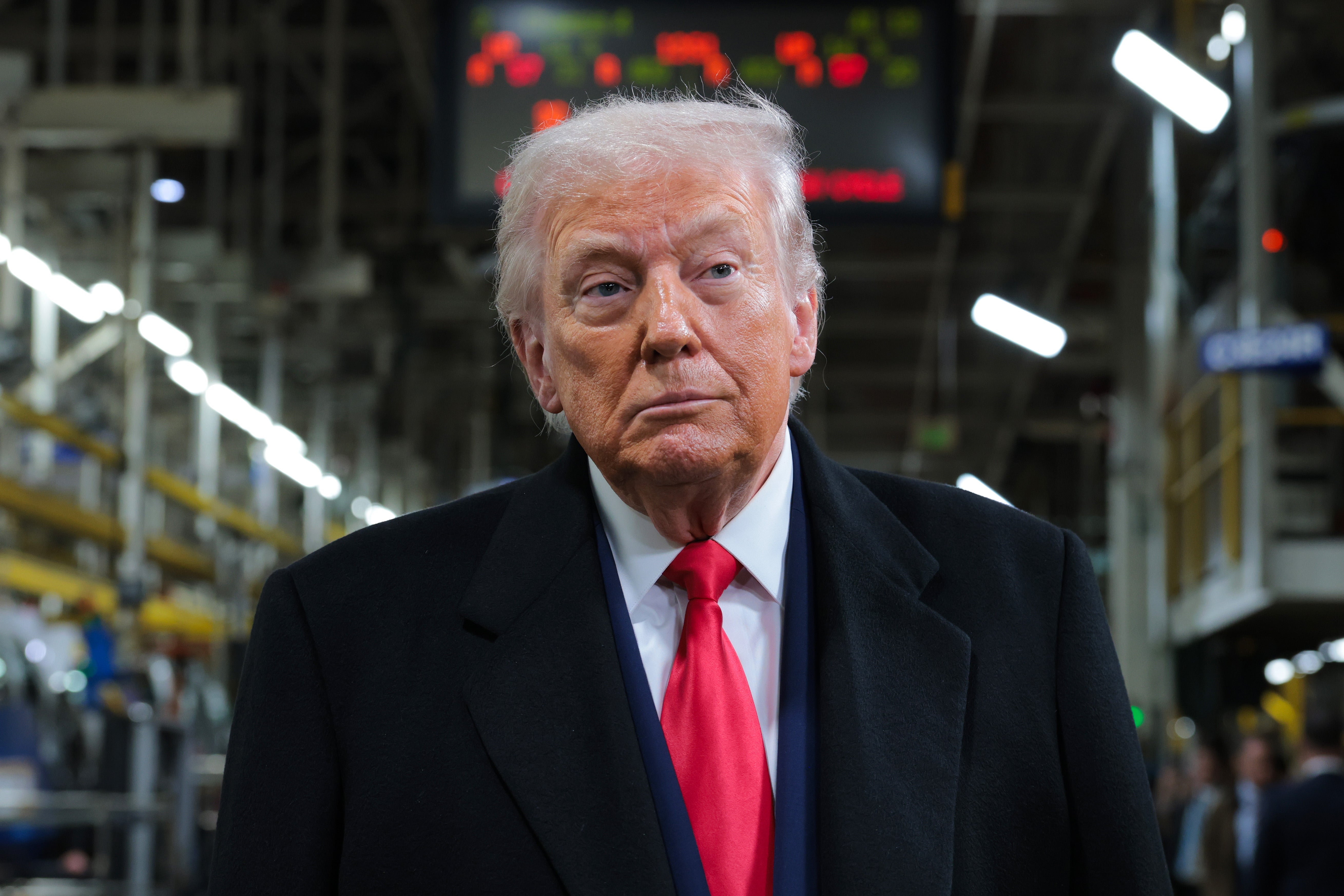
Environmental Protection Agency administrator Lee Zeldin said reporting on the changes was “fake news” and the agency “will still be considering lives saved when setting pollution limits.”
The change also raised concerns that it could result in poorer air quality, which could have health implications.
“Clean air is one of the great success stories of government policy in the last half-century,” Michael Greenstone, an environmental economist at the University of Chicago, told the Times. “And at the heart of the Clean Air Act is the idea that when you allow people to lead longer and healthier lives, that has value that can be measured in dollars.”
“I’m worried about what this could mean for health,” Mary Rice, associate professor of Environmental Respiratory Health at Harvard T.H. Chan School of Public Health, told NPR. “Especially for people with chronic respiratory illnesses like asthma and COPD, for kids whose lungs are still developing, and for older people, who are especially susceptible to the harmful effects of air pollution on the heart, lungs and the brain.”
Join our commenting forum
Join thought-provoking conversations, follow other Independent readers and see their replies
Comments
Bookmark popover
Removed from bookmarks